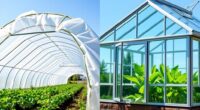
Community greenhouse projects help neighbors come together to create sustainable urban spaces where you can grow fresh food and learn eco-friendly practices. These projects boost resilience by strengthening social bonds and building local food systems. They transform city environments into productive, green spaces that improve air quality and reduce heat. By participating, you contribute to more resilient communities and a healthier environment. Stay with us to discover how you can get involved and make a difference.
Key Takeaways
- Community greenhouses foster local food production, reducing dependency on external sources and lowering food miles.
- They serve as educational hubs promoting sustainable urban farming, ecological awareness, and climate resilience.
- Greenhouse projects strengthen social bonds, encourage neighbor collaboration, and build resilient community networks.
- Urban farming methods like vertical gardening and hydroponics maximize space and conserve resources sustainably.
- These initiatives enhance urban environments by improving air quality, reducing heat, and creating green, productive spaces.
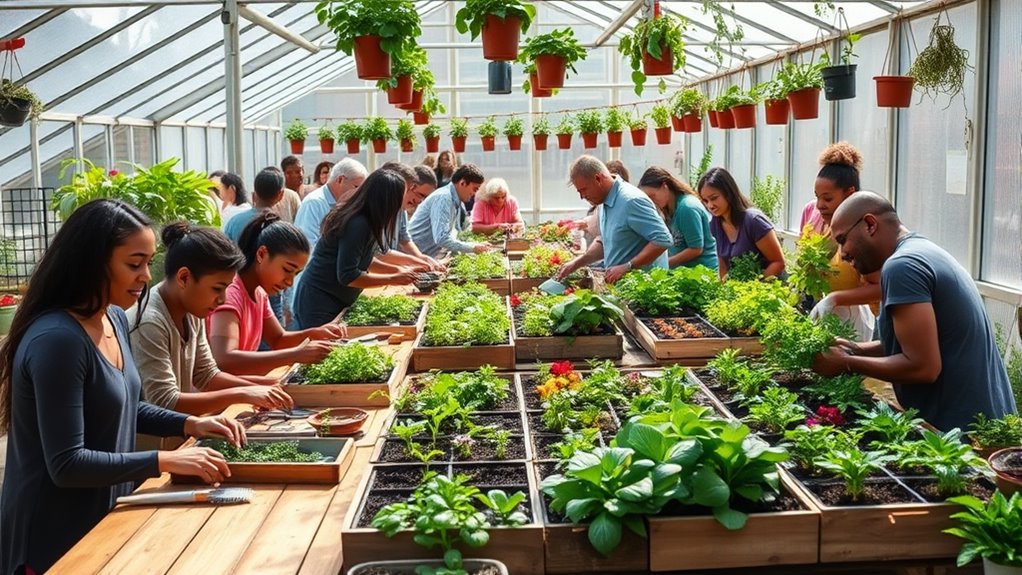
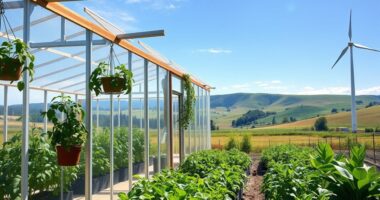
Community greenhouse projects are transforming urban environments by providing local residents with access to fresh produce and educational opportunities. These projects are more than just places to grow food—they’re hubs of innovation that foster resilience and community spirit. By integrating urban farming into city spaces, residents can cultivate vegetables, herbs, and fruits right in their neighborhoods, reducing reliance on distant grocery stores and lowering food miles. This approach not only ensures fresher, healthier options but also promotes sustainable practices that benefit the environment. When you participate in a community greenhouse, you become part of a movement that emphasizes resourcefulness, eco-consciousness, and local empowerment.
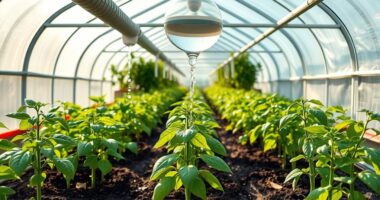
Urban farming within these greenhouses is a practical way to maximize limited space. Instead of traditional farmland, city residents learn to grow vertically, use container gardening, and implement soil-less systems like hydroponics or aeroponics. These methods conserve land and water, making farming feasible even in densely populated areas. The emphasis on sustainable practices means you’re encouraged to use organic methods, composting waste, rainwater harvesting, and natural pest control. Such practices minimize chemical usage, protect local ecosystems, and reduce your carbon footprint. As you adopt these methods, you help create a cycle of sustainability that benefits the entire community. Additionally, understanding the role of nutritional value of juices can inspire community members to incorporate more healthful, plant-based foods into their diets, further supporting overall wellness.
Getting involved in community greenhouse projects also offers educational opportunities that empower you with knowledge about food systems, ecology, and climate resilience. Workshops and shared experiences teach you how to grow your own food efficiently and sustainably. You gain skills that can boost your self-sufficiency, whether you’re a seasoned gardener or new to urban farming. These projects often foster a sense of shared responsibility, where neighbors work together to maintain the greenhouse, exchange ideas, and support one another. This collaboration strengthens social bonds and creates a resilient network capable of withstanding economic or environmental challenges.
Furthermore, community greenhouses serve as a platform for raising awareness about sustainability and food justice. They demonstrate that urban areas can be productive landscapes, challenging the notion that city life is disconnected from nature. By participating, you help promote local food sovereignty and reduce the environmental impacts associated with conventional agriculture. These projects also create green spaces that improve air quality, reduce urban heat, and provide a calming, natural environment amid concrete surroundings. In your active involvement, you contribute to building a more resilient, sustainable city—one where community members have the tools, knowledge, and resources to thrive despite external pressures.
In essence, community greenhouse projects empower you to take part in urban farming that emphasizes sustainable practices. They transform cityscapes into productive, eco-friendly environments while fostering resilience and community cohesion. Your participation helps create a future where local food systems are stronger, greener, and more equitable.
Frequently Asked Questions
How Do Community Greenhouse Projects Impact Local Property Values?
You might notice that community greenhouse projects can positively impact local property values. By enhancing neighborhood aesthetics, these projects make the area more attractive, which can lead to property appreciation. When your community invests in green spaces and sustainable initiatives, it often boosts desirability and pride among residents. As a result, homes near such projects could see increased value, benefiting homeowners and attracting new residents who value a vibrant, eco-friendly neighborhood.
What Are Common Challenges in Establishing Neighborhood Greenhouses?
Starting a neighborhood greenhouse is like planting seeds in rocky soil—you face many challenges. Access barriers often hinder participation, making it tough for everyone to get involved. Resource allocation can also be a stumbling block, as funding and supplies may be limited or unevenly distributed. These hurdles test your patience and persistence, but with community effort and planning, you can overcome them and cultivate a thriving green space.
How Can Residents Fund Community Greenhouse Initiatives?
To fund your community greenhouse initiative, you can explore grant opportunities from local governments, nonprofits, and environmental organizations. Additionally, leverage crowdfunding strategies by setting up campaigns on platforms like Kickstarter or GoFundMe, sharing your project’s impact with neighbors and supporters. Engage your community through social media and events to boost donations. Combining grants and crowdfunding helps you gather the necessary funds to start and sustain your greenhouse project effectively.
What Environmental Benefits Do These Greenhouses Provide?
You see, community greenhouses offer significant environmental benefits. They promote sustainable practices by reducing food miles and conserving resources. These green spaces also enhance biodiversity, providing habitats for various species and supporting healthy ecosystems. By participating in these projects, you help lower carbon emissions and foster eco-friendly habits. Overall, greenhouses strengthen environmental resilience and encourage a greener, more sustainable community for everyone involved.
How Do Community Greenhouses Promote Social Cohesion?
Community greenhouses promote social cohesion by encouraging community bonding through shared gardening activities. As you participate, you connect with neighbors, build trust, and work toward common goals. These projects create a sense of belonging, foster collaboration, and break down social barriers. By working together in the greenhouse, you strengthen relationships and develop a supportive community, making everyone feel more connected and invested in the local environment.
Conclusion
By coming together to build these greenhouses, you’re planting seeds of hope and resilience in your community’s soil. Each glass pane reflects your collective effort, symbolizing transparency and shared purpose. As the plants grow, so does your strength and unity, transforming challenges into opportunities. Remember, just like a greenhouse nurtures life in harsh conditions, your collaboration can weather any storm, turning your neighborhood into a resilient oasis of growth and renewal.