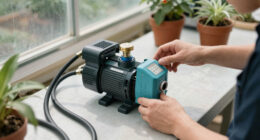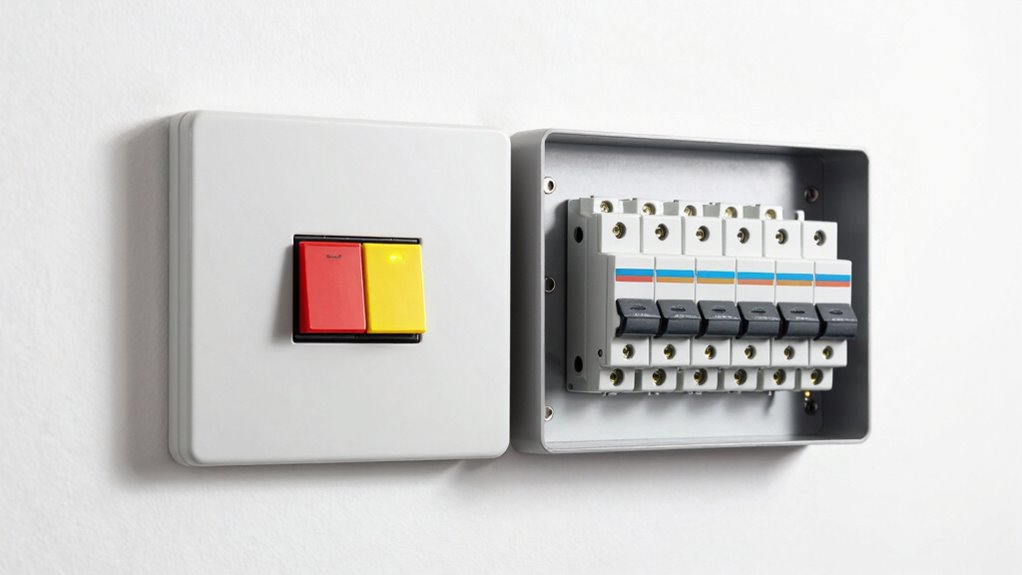

The simplest way to separate convenience power from emergency power is by using a transfer switch. This device safely switches your home from utility power to backup sources like a generator, isolating essential circuits and preventing dangerous backfeeding. Manual or automatic transfer switches guarantee your emergency circuits stay separate from everyday outlets, protecting both your appliances and utility workers. To learn more about proper installation and safety practices, keep exploring how transfer switches keep your power systems safe and reliable.
Listen free for 30 days with Audible
Thousands of audiobooks and originals — cancel anytime.
As an affiliate, we earn on qualifying purchases.
Key Takeaways
- Install a transfer switch to safely switch between convenience and emergency power sources.
- Use manual or automatic transfer switches to isolate critical circuits during outages.
- Avoid connecting appliances directly to household outlets without proper transfer equipment.
- Ensure proper wiring and load management to prevent overloads and backfeeding risks.
- Follow safety guidelines and local codes for generator setup and power separation.
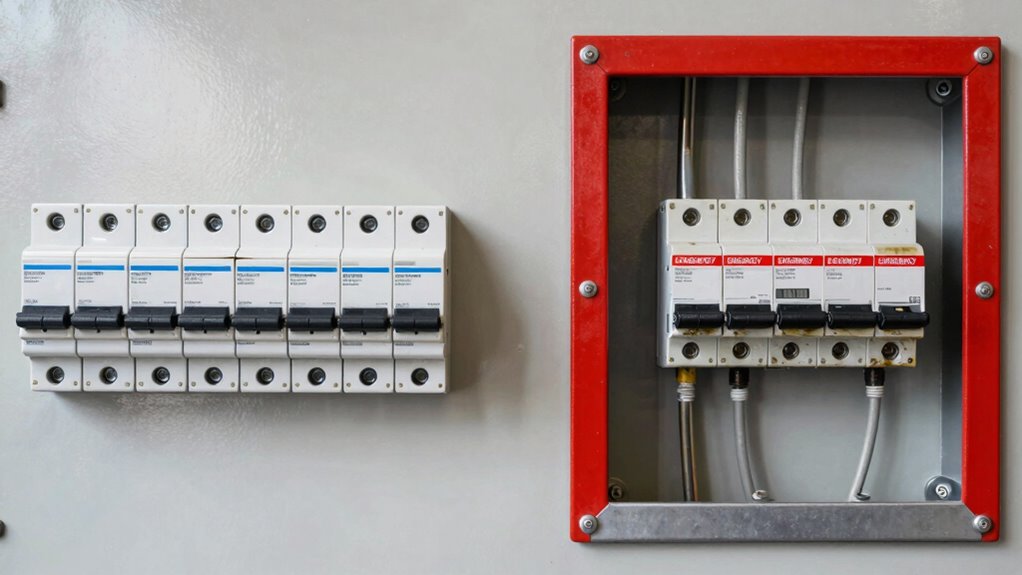
Have you ever wondered how to guarantee your essential devices stay powered during an outage without draining your everyday convenience circuits? The key lies in properly separating your emergency power from your regular household power. Doing this not only ensures your critical appliances remain operational but also safeguards everyone from potential hazards like generator safety issues. When you manage your power transfer correctly, you prevent backfeeding and electrical accidents that could harm you or utility workers.
The first step is to understand how power transfer works. When you use a generator during a blackout, you need a safe method to switch between your utility power and backup power. A manual transfer switch or an automatic transfer switch is vital for this purpose. These devices allow you to isolate your emergency circuit, preventing it from feeding back into the grid or your household circuits. This separation is fundamental because it stops power from flowing in unintended directions, which can be dangerous and damage your equipment. Proper power transfer ensures that your generator supplies only designated circuits, protecting both your appliances and utility workers. Additionally, understanding the importance of proper electrical wiring can help prevent many common safety issues associated with generators. Knowing how to correctly manage circuit loads can further optimize your backup system’s safety and efficiency.
Using transfer switches isolates emergency circuits, preventing backfeeding and ensuring safe, reliable backup power during outages.
Generator safety is paramount when setting up a backup power system. Never connect a generator directly to your household outlets without a transfer switch. Doing so can lead to dangerous backfeeding, which poses serious risks to anyone working on the power lines or maintaining the grid. Always follow manufacturer instructions and local electrical codes. Regularly inspect your generator, keep it dry, and ensure it’s grounded properly. Using the right extension cords and avoiding overloading the generator prevents overheating and potential fires. Remember, a well-maintained generator with correctly wired connections minimizes hazards and prolongs its lifespan. Proper power transfer techniques are essential to ensure safe and reliable operation, especially during emergencies. Being aware of electrical safety practices can further help you avoid accidents and ensure your setup remains safe for everyone involved.
manual transfer switch for generator
As an affiliate, we earn on qualifying purchases.
As an affiliate, we earn on qualifying purchases.
Frequently Asked Questions
Can I Upgrade My Existing Generator to Include Separate Power Sources?
Yes, you can upgrade your existing generator to include separate power sources through generator upgrades focused on power segregation. This involves installing transfer switches or dual circuits, allowing you to isolate convenience power from emergency power. You’ll need to consult a professional to guarantee proper setup and compatibility. Upgrading this way enhances safety and reliability, giving you peace of mind during outages while keeping essential appliances powered separately from less critical loads.
What Safety Precautions Should I Take When Modifying Electrical Systems?
When modifying electrical systems, prioritize electrical safety by turning off power before starting and wearing insulated gloves. Confirm system compatibility to prevent overloads or damage. Use proper tools and follow manufacturer instructions carefully. Double-check connections and test the system thoroughly before restoring power. If unsure, consult a licensed electrician. These precautions help protect you from shocks, fires, and equipment failures during modifications.
How Much Does It Typically Cost to Implement This Separation Method?
Separating convenience power from emergency power typically costs between $500 and $2,000, depending on your system size and complexity. While the cost estimation seems manageable, implementation challenges can include upgrading your panel or wiring, and guaranteeing compliance with safety standards. You might find the process straightforward if you have basic electrical skills, but consulting a professional ensures safety and proper setup, which adds to the overall expense.
Will This Setup Work With All Types of Backup Power Systems?
Yes, this setup works with various backup power systems because it uses load management and power isolation techniques. By effectively managing loads and isolating emergency power from convenience circuits, you guarantee reliable operation during outages. Just make certain your backup system’s specifications match the load management and power isolation methods used. This approach is versatile and adaptable to different generator types, UPS systems, or other backup power solutions.
How Often Should I Test the Separation System for Reliability?
Think of your separation system as a crucial heartbeat—regular checks keep it strong. You should test it at least once every three to six months, ensuring generator maintenance and electrical safety are up to par. These tests act as a health check, catching potential issues before they become emergencies. Consistent testing guarantees your system stays reliable, so when power’s truly needed, it won’t let you down.
Conclusion
So, next time the lights flicker or the power goes out, you’ll thank yourself for separating your convenience power from emergency power. Who knew that a simple setup could save you from chaos—and maybe even a little embarrassment? Irony’s sweet, isn’t it? You get to enjoy uninterrupted comfort, all while secretly outsmarting the system. After all, it’s the little precautions that make a big difference when disaster strikes — or when you just want to keep the TV on.
Fall Picks
fall essentials
As an affiliate, we earn on qualifying purchases.