
TL;DR

Get garden gear delivered free — and shop member deals
- Fast, free delivery on millions of items
- Access to Prime Big Deal Days deals on October 6–7
- Prime Video, Amazon Music and more included
Multiple water suppliers across the UK have announced hosepipe bans to manage water shortages caused by prolonged dry weather. The bans impact millions and aim to conserve water amid ongoing drought conditions. The situation remains fluid, with further restrictions possible.
Several UK water companies, including Anglian Water and Thames Water, have officially introduced hosepipe bans starting immediately, as part of measures to address severe drought conditions and declining reservoir levels. This marks the first widespread restrictions in the region this year, impacting millions of households and businesses.
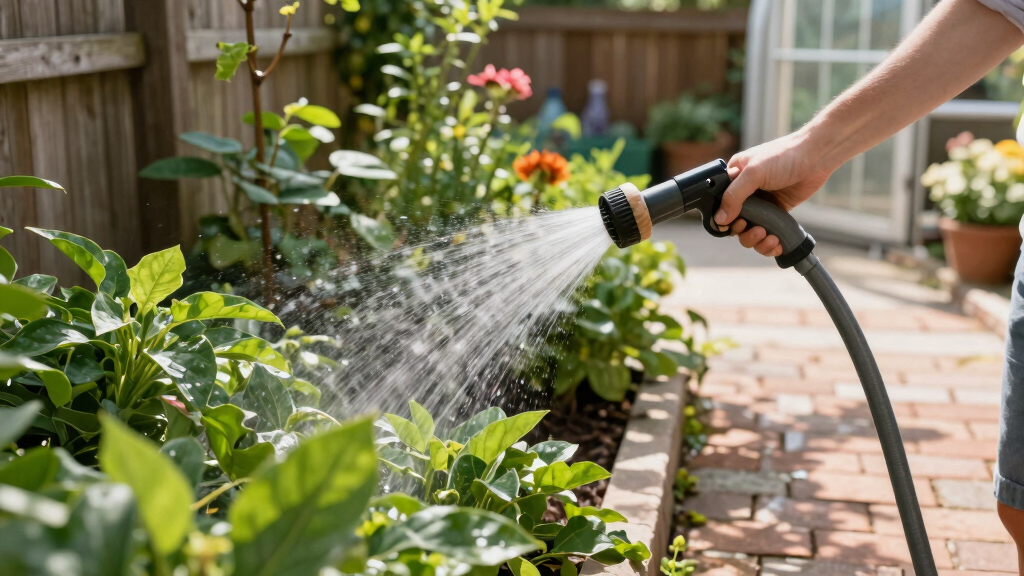
The bans prohibit the use of hosepipes for watering gardens, washing cars, and filling ponds or pools. Anglian Water, serving eastern England, confirmed the restrictions on April 20, citing ‘extremely low reservoir levels and ongoing dry weather.’ Thames Water, covering London and surrounding areas, announced similar measures on April 21. These restrictions are expected to remain in place until further notice, with authorities monitoring weather patterns and reservoir levels closely.
Officials from the water companies emphasized that the measures are necessary to prevent further depletion of water sources and ensure supply stability. The Environment Agency has warned that the drought could worsen if dry conditions persist, potentially leading to additional restrictions or water use limits. The bans are being enforced with fines for violations, and public appeals for water conservation are ongoing.
Why Hosepipe Bans Are a Critical Water Management Step
The implementation of hosepipe bans in the UK highlights the severity of the ongoing drought and water scarcity issues. With reservoirs at historically low levels, these restrictions aim to reduce non-essential water use and prevent supply shortages. For consumers, the bans serve as a reminder to adopt more sustainable water habits, while for authorities, they represent a necessary measure to safeguard water security amid changing climate patterns.
As an affiliate, we earn on qualifying purchases.
Drought Conditions and Water Management in the UK
The UK has experienced below-average rainfall over the past several months, leading to drought conditions in parts of eastern and southern England. Reservoir levels have fallen to critical lows, prompting water companies to consider restrictions. Previous droughts, such as those in 2018 and 2022, prompted similar measures, but this year’s restrictions are among the most widespread in recent years. The government and water authorities have been closely monitoring weather forecasts and reservoir data to determine the necessity and scope of restrictions.
“We are implementing hosepipe bans to protect our water supplies and ensure we can continue serving our customers during this dry period.”
— Anglian Water spokesperson
Extent and Duration of Future Restrictions Unclear
It is not yet clear how long the hosepipe bans will remain in effect or whether additional restrictions will be introduced in other regions. Weather patterns remain unpredictable, and reservoir levels are still being closely monitored. Authorities have indicated that restrictions could be eased if rainfall improves, but further drought conditions could prolong or expand restrictions.
Monitoring Weather and Reservoir Levels for Future Decisions
Water companies will continue to assess reservoir data and weather forecasts over the coming weeks. Authorities may lift restrictions if conditions improve, or impose new measures if drought persists. Public cooperation and water conservation efforts will be critical in managing the crisis.
Key Questions
Which areas are affected by the hosepipe bans?
Hosepipe bans are currently in effect in regions served by Anglian Water, Thames Water, and other local providers in parts of eastern and southern England. Specific areas can be checked on each water company’s website.
What activities are prohibited under the hosepipe bans?
The bans prohibit the use of hosepipes for watering gardens, washing cars, filling ponds or pools, and other non-essential water uses. Exceptions may apply for essential or commercial activities, depending on local regulations.
Are there penalties for violating the hosepipe bans?
Yes, violations can result in fines or other penalties as enforced by local authorities. Water companies have measures in place to monitor compliance.
Could restrictions be extended or tightened?
Yes, depending on weather conditions and reservoir levels, authorities may extend existing bans or introduce additional restrictions to conserve water.
Source: google-trends
Halloween Picks
halloween
As an affiliate, we earn on qualifying purchases.