TL;DR

Get garden gear delivered free with Prime
- Fast, free delivery on millions of items
- Prime Video, Amazon Music and more included
- Member-only deals all year
A Gardening Know How report lists six materials from fall yard cleanup that can be reused as winter mulch instead of buying bagged products. It recommends spreading most materials after the ground begins to freeze and explains precautions for leaves, branches and other debris.
Gardening Know How has outlined six materials from fall yard cleanup that gardeners can reuse as winter mulch, including shredded leaves, pine needles and chipped branches. The guidance offers a way to protect perennial beds using debris already on site rather than buying mulch, while stressing that timing and preparation affect how well some materials work.
The report says most winter mulch is best spread after the ground has started to freeze. The purpose is to moderate soil temperature changes through winter, not to cover beds as soon as autumn debris appears. Repeated freezing and thawing can cause heave, lifting shallow roots or newly planted perennials and exposing them to cold and drying winds.
The six materials identified are shredded deciduous leaves, pine needles, chipped branches, evergreen boughs, ornamental grass trimmings and vegetable garden debris. The source advises shredding leaves because whole leaves can mat together, limiting water flow and holding moisture against plant crowns. Pine needles can be used without shredding, while branches should be chipped and kept away from stems and crowns.
For ornamental grasses, the report recommends removing seed heads and cutting stems into 4–6-inch pieces before spreading them loosely. It also says to avoid chipped wood from diseased trees or shrubs. The source names vegetable garden debris as another potential material, but the supplied report excerpt ends before giving its preparation instructions.
Using Yard Debris to Buffer Winter Beds
Reusing fall debris can reduce the need to discard plant material and purchase bagged mulch, while giving vulnerable perennials a layer of protection against winter temperature swings. The advice is most relevant to gardeners with perennial beds and suitable material available on their property; it does not establish that every type of debris is appropriate for every garden.
Preparation matters. A wet mat of whole leaves may block water and trap moisture around plant crowns, while loose, shredded material allows better airflow. Keeping mulch away from stems and crowns, and waiting until the soil begins to freeze, are practical limits on how the material should be used.
As an affiliate, we earn on qualifying purchases.
Why Timing and Material Matter
The source describes a common seasonal cycle: leaves and fading garden plants accumulate during fall cleanup, are often bagged for disposal, and may be followed by a purchase of mulch for perennial beds. Its report presents reuse as an alternative, not as a claim that all garden waste can safely be spread without sorting or preparation.
It notes two specific cautions. Black walnut leaves contain juglone, which can harm tomatoes and other sensitive plants; the report recommends composting those leaves before using the resulting compost elsewhere. In dry or fire-prone areas, pine needles can pose a fire hazard, so the source advises keeping them about one metre from homes and other structures. It also advises disposing of branches from diseased plants rather than chipping and spreading them.
“Most are best applied after the ground has started to freeze, when they help keep soil temperatures more stable through winter.”
— Gardening Know How report
Limits of the Available Guidance
The supplied source excerpt does not include full instructions for all six materials. It identifies vegetable garden debris as an option, but cuts off before explaining which plants or stems are suitable and how to prepare them. It also gives no specific mulch depth, so gardeners should not infer one from this report.
The advice is general and does not specify plant-by-plant needs, local climate conditions or whether a given material is free of disease or unwanted seeds. The source’s cautions should be applied alongside local gardening guidance, particularly where fire risk, sensitive plants or diseased debris are concerns.
Preparing Beds as Frost Arrives
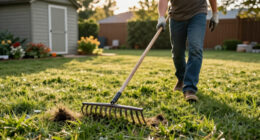
As fall cleanup continues, gardeners can separate usable material, shred leaves, remove seed heads from grass trimmings and set aside sound branches for chipping. The report recommends storing shredded leaves in a dry, sheltered place if it is too early to spread them. After the ground begins to freeze, suitable material can be laid loosely around perennial beds, with woody mulch kept clear of plant crowns and stems.
The next step is to check each material for the source’s listed risks: avoid spreading diseased wood, handle black walnut leaves separately, and keep pine needles away from buildings in fire-prone conditions. The supplied report does not provide further developments or a follow-up date.
Key Questions
When should winter mulch be spread?
The report recommends waiting until the ground has started to freeze, which can help moderate soil temperature swings through winter.
Can whole leaves be used as mulch?
The source recommends shredding deciduous leaves first. Whole leaves may form a wet mat that sheds rain and holds moisture against plant crowns.
Are black walnut leaves safe for garden beds?
The report says black walnut leaves contain juglone, which can harm tomatoes and other sensitive plants. It advises composting them first so the juglone can break down before using the compost elsewhere.
Can pine needles be used around a house?
Pine needles can serve as mulch, but the source warns they may be a fire hazard in dry or fire-prone areas. It advises keeping them about one metre from homes and other structures.
Which six materials does the report list?
They are shredded deciduous leaves, pine needles, chipped branches, evergreen boughs, ornamental grass trimmings and vegetable garden debris. The supplied excerpt does not include complete instructions for the last category.
Source: rss
Halloween Picks
halloween
As an affiliate, we earn on qualifying purchases.