
TL;DR

Get garden gear delivered free with Prime
- Fast, free delivery on millions of items
- Prime Video, Amazon Music and more included
- Member-only deals all year
An Ideal Home report outlines five October garden practices recommended by wildlife and veterinary experts: clean feeders, leave leaf litter and twigs, offer supplementary food, provide clean water, and retain seed heads and rough vegetation. The advice is intended to support birds as temperatures fall, while experts stress feeder hygiene and caution that food recommendations can vary by season.
Wildlife experts interviewed by Ideal Home recommend five October garden practices to help robins, finches and other birds find food and water as autumn temperatures fall: clean feeders, leave leaf litter, offer appropriate supplementary food, maintain a water source and let some parts of the garden grow naturally. The advice focuses on practical steps gardeners can take, while stressing that feeder hygiene matters when birds gather in the same place.
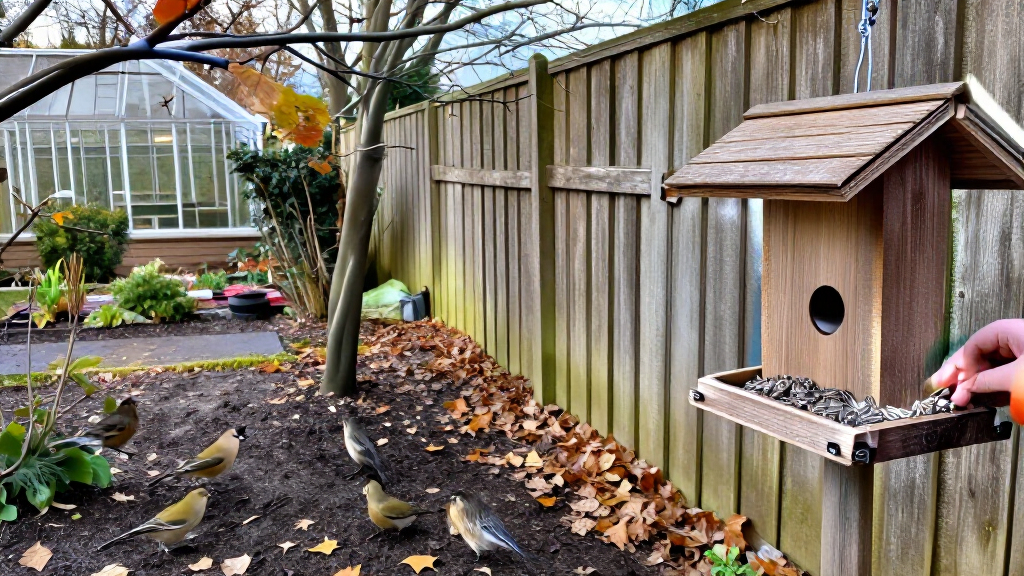
Clean feeders at least weekly, says James Ewens, a bird specialist at Green Feathers, who warns that feeders can become places where disease spreads. He advises removing old food and droppings, washing feeders in hot, soapy water and rinsing them thoroughly. Ewens also recommends moving feeding stations periodically rather than allowing droppings and contaminated material to build up underneath.
For garden habitat, Nicola Bryden, a veterinarian and member of the Royal College of Veterinary Surgeons, advises leaving fallen leaves and small twigs in place. She says leaf litter can shelter invertebrates in the soil, while small piles of twigs create protected habitat. Those invertebrates, including worms, insects and spiders, are food for ground-foraging birds such as robins.
The report also recommends supplementary food and clean water as the weather cools. Ewens suggests offering food in small, regular amounts and names mealworms and suet as options. The source says seeds and peanuts may become more useful from the end of October as natural supplies decline, while noting Ewens’s advice to hold off on them earlier in the month because of trichomonosis risk. Bryden recommends keeping bird baths clean and checking for early frost; if water freezes, she says to thaw it with warm water, not salt or chemical de-icers.
The fifth task is to leave some of the garden less tidied: retain seed heads, berries, leaves and rough vegetation, and consider plants such as teasel and sunflowers. Ewens says spreading natural food sources around a garden can avoid drawing birds to a single feeding point. Gardeners who prefer a neat space can apply the advice to a designated wild corner rather than the whole plot.
How Garden Choices Help Birds
These recommendations matter because autumn brings changing food availability and colder nights, while birds need access to food, water and habitat. Leaving leaf litter and seed heads can support natural food sources; a clean, regularly maintained feeder offers another option. Water also serves more than drinking: Bryden says birds bathe to keep feathers clean and aligned, which helps them retain insulation as winter approaches.
The advice also highlights a trade-off in feeding. A feeder can provide energy, but birds gathering at one site may face greater exposure to contaminated surfaces. The experts’ recommendations pair supplementary feeding with regular cleaning and habitat that distributes food across the garden. These are practical suggestions, not a guarantee of population-level outcomes.
As an affiliate, we earn on qualifying purchases.
The October Care Checklist
The source is an Ideal Home garden-advice report that brings together comments from Ewens and Bryden. It frames October as a period to prepare for colder weather: natural food remains available, but supplies may become scarcer, and early frosts can affect shallow water sources. The suggestions are seasonal, not a claim that all birds or gardens face identical conditions.
The five actions are: clean feeders weekly; leave leaf litter and small twigs; provide suitable supplementary food; keep water fresh and accessible; and retain some natural, less-managed vegetation. The report’s food guidance distinguishes between earlier October and the end of the month, citing a trichomonosis concern from May through October and recommending seeds and peanuts from late October. Readers should not treat that timing as a universal rule for every species or location.
“The number one priority is hygiene!”
— James Ewens, bird specialist at Green Feathers
Limits of the Seasonal Advice
The source does not provide independent research, local bird-population data or measurements showing how much each task changes survival or numbers. Its recommendations are expert guidance reported by Ideal Home, not proof that every garden intervention will produce the same result.
The report also does not specify which seed or peanut products are appropriate in every setting, or explain how local disease conditions may affect feeding advice. Its stated trichomonosis timing and recommendation to wait until the end of October are attributed to Ewens; gardeners may need to consult current guidance from local wildlife organisations. The source offers no detailed species-by-species feeding plan.
Steps Gardeners Can Take Now
Gardeners can begin with the maintenance tasks: wash feeders and bird baths, remove old food and droppings, and check water regularly as overnight temperatures fall. Where feeders are used, the report recommends cleaning them at least weekly and moving them periodically. If a bath freezes, use warm water to thaw it rather than salt or chemical de-icers.
For the rest of October, leave some leaf litter, twigs, berries and seed heads where practical, and consider a small wild area if a fully natural garden is not suitable. Anyone adding supplementary food can follow the source’s seasonal distinction and seek up-to-date local advice on disease risks. The report does not announce a scheduled follow-up or further milestone.
Key Questions
What are the five October steps recommended for garden birds?
The report recommends cleaning feeders, leaving leaf litter and small twigs, offering suitable supplementary food, maintaining clean water, and retaining seed heads, berries and some rough vegetation.
How often should bird feeders be cleaned?
James Ewens recommends cleaning feeders at least weekly. Remove old food and droppings, wash with hot, soapy water and rinse thoroughly.
Should gardeners put out seeds and peanuts in October?
The report attributes to Ewens advice to hold off on seeds and peanuts earlier in October because of trichomonosis risk, and says they may become more useful from the end of the month. This is seasonal expert guidance, not a species-specific or location-specific rule.
What should I do if a bird bath freezes?
Bryden advises thawing frozen water with warm water. The report says not to use salt or chemical de-icers.
Do I need to let my whole garden grow wild?
No. Ewens’s advice is to retain some natural features, such as leaf litter, seed heads and rough vegetation. The report suggests creating a wild corner for gardeners who do not want to leave the whole garden untended.
Source: rss
Halloween Picks
halloween
As an affiliate, we earn on qualifying purchases.