Growing your own food year-round at home helps cut down on food miles by reducing the need for transportation and supporting local sourcing. You can use techniques like indoor hydroponic systems, grow lights, and cold frames to keep producing fresh vegetables, herbs, and fruits regardless of the season. This not only lowers your carbon footprint but also guarantees you’re eating fresher, more nutritious food. Keep exploring to discover practical methods that make this feasible for your space.
Key Takeaways
- Growing food year-round at home minimizes transportation distances, reducing overall carbon emissions associated with food supply chains.
- Indoor gardening methods like grow lights and hydroponic systems enable continuous cultivation regardless of outdoor seasons.
- Utilizing small space techniques such as container and vertical gardening allows for local food production in limited urban areas.
- Supporting local markets and growing your own produce decreases reliance on long-distance food transportation.
- Extending growing seasons with cold frames and sustainable practices ensures fresh, home-grown food throughout the year.

Have you ever wondered how far your food travels before reaching your plate? It’s a question that can lead you to rethink where your food comes from and how you can reduce its environmental footprint. One effective way to cut down on food miles is by embracing urban farming and supporting local markets. Urban farming allows you to grow fresh produce right in your city, whether on a balcony, rooftop, or a small backyard. When you cultivate your own vegetables and herbs, you eliminate the need for long-distance transportation, drastically lowering the carbon emissions associated with your food. Plus, growing at home gives you control over the quality and freshness of what you eat.
Getting involved in urban farming doesn’t mean you need a lot of space. Many city dwellers turn to container gardening or vertical farms to maximize limited areas. You can start with simple crops like lettuce, spinach, or herbs, which grow quickly and yield abundant harvests in small spaces. As you become more confident, you might expand to tomatoes, peppers, or even small fruit trees. Growing food year-round is possible with the right techniques, such as using grow lights, indoor hydroponic systems, or cold frames to extend your growing season. This way, you can enjoy fresh, home-grown produce throughout the year, minimizing your reliance on store-bought items that often travel hundreds or thousands of miles. Incorporating sustainable farming practices can further reduce your environmental impact and promote soil health.
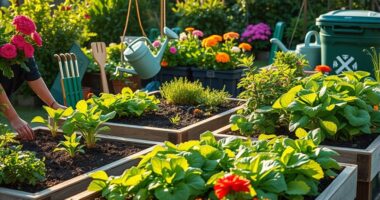
Urban gardening thrives in small spaces with container planting and vertical farms.
Supporting local markets is another essential step in reducing food miles. When you buy directly from farmers or vendors at local markets, you’re purchasing food that has already traveled less distance compared to supermarket produce shipped from far away. This not only ensures you get fresher, more flavorful food but also encourages sustainable farming practices in your community. Shopping at local markets fosters connections with growers and helps you learn about seasonal produce, which is often more sustainable and resilient. By choosing local, you’re actively reducing the environmental impact of your food’s journey and supporting the local economy.
Combining urban farming with shopping at local markets creates a powerful approach to reducing food miles. Growing your own food means you’re less dependent on long-distance supply chains, and buying local helps you minimize the transportation footprint of the remaining items you purchase. Both practices promote sustainability and freshness, giving you a more direct and eco-friendly relationship with your food. When you make these choices, you not only lower your carbon footprint but also gain a deeper appreciation for where your food comes from, making your meals both healthier and more environmentally responsible.
Frequently Asked Questions
What Are the Best Indoor Crops for Year-Round Gardening?
You can grow herbs like basil, mint, and parsley indoors year-round, as well as leafy greens such as lettuce and spinach. To guarantee healthy growth, practice companion planting and use soil amendments like compost or organic fertilizers. These crops thrive in containers with ample light, and regular watering keeps them productive. With proper care, you’ll enjoy fresh produce all year, reducing your food miles and supporting sustainable living.
How Much Space Do I Need for a Home Greenhouse?
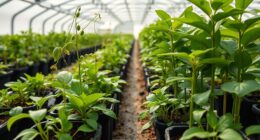
Did you know that a small 6×8-foot greenhouse can produce enough vegetables for a family of four? For urban farming using sustainable materials, you’ll want at least this space to maximize yields year-round. If you have limited room, consider vertical gardening inside or compact greenhouses. The key is balancing your available space with efficient, eco-friendly designs, so you can enjoy fresh produce while reducing your carbon footprint.
What Lighting Options Are Most Energy-Efficient for Indoor Growing?
You should choose LED grow lights for the most energy-efficient indoor growing. They boast high LED efficiency, meaning they convert electricity into light effectively, saving you money. Look for lights with a full light spectrum, mimicking natural sunlight, to support healthy plant growth year-round. LEDs also produce less heat, reducing cooling costs. Overall, investing in quality LED grow lights ensures energy effectiveness and ideal plant development indoors.
How Can I Prevent Pests Without Using Chemicals Indoors?
Sure, avoiding chemicals is as easy as inviting pests to a party they’ll love—sarcastic, right? Instead, try companion planting to naturally repel bugs and attract beneficial insects. Use natural repellents like neem oil or garlic sprays, which keep pests at bay without harmful chemicals. This way, you maintain a healthy indoor garden, proving you don’t need toxic solutions to keep pests away—just clever, eco-friendly strategies.
What Are Cost-Effective Methods to Extend Growing Seasons Indoors?
You can extend your indoor growing season cost-effectively by using hydroponic systems, which allow you to grow plants without soil and control conditions easily. Additionally, employing seed starting techniques like using grow lights and proper containers helps seedlings thrive indoors year-round. These methods minimize costs while maximizing space and time, enabling you to enjoy fresh produce regardless of outdoor weather, reducing food miles, and boosting sustainability at home.
Conclusion
By growing your own food year-round, you can cut down your food miles considerably. Did you know that transporting food accounts for up to 11% of global greenhouse gas emissions? When you grow at home, you not only reduce your carbon footprint but also enjoy fresher produce anytime. Plus, it’s satisfying to know your food travels less and comes directly from your garden. Start small, and watch your impact—and your harvest—grow!