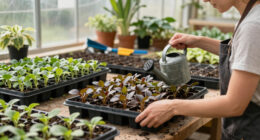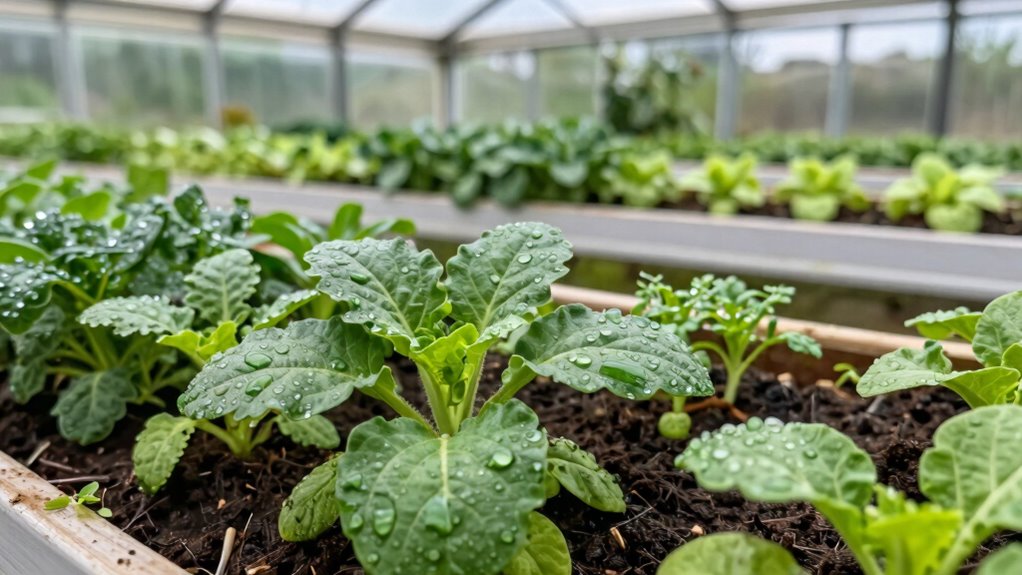
To make your greenhouse harvests more useful at home, focus on optimizing your hydroponic systems with precise environmental control and regular monitoring. Prevent pests by sealing entry points, using physical barriers, and introducing beneficial insects. Incorporate integrated pest management and biological controls to reduce chemical use. Proper planning and consistent maintenance guarantee high yields of quality produce. Keep fine-tuning your setup, and you’re on your way to maximizing your harvests—there’s plenty more to discover for even better results.

Get garden gear delivered free with Prime
- Fast, free delivery on millions of items
- Prime Video, Amazon Music and more included
- Member-only deals all year
Key Takeaways
- Implement precise environmental control to optimize plant growth and improve harvest quality.
- Use integrated pest management strategies to protect crops and ensure healthier yields.
- Utilize nutrient-rich water solutions in hydroponic systems for faster and higher-quality produce.
- Regularly monitor and adjust pH, moisture, and nutrient levels for consistent harvests.
- Plan crop cycles effectively to maximize space, reduce waste, and increase harvest frequency at home.
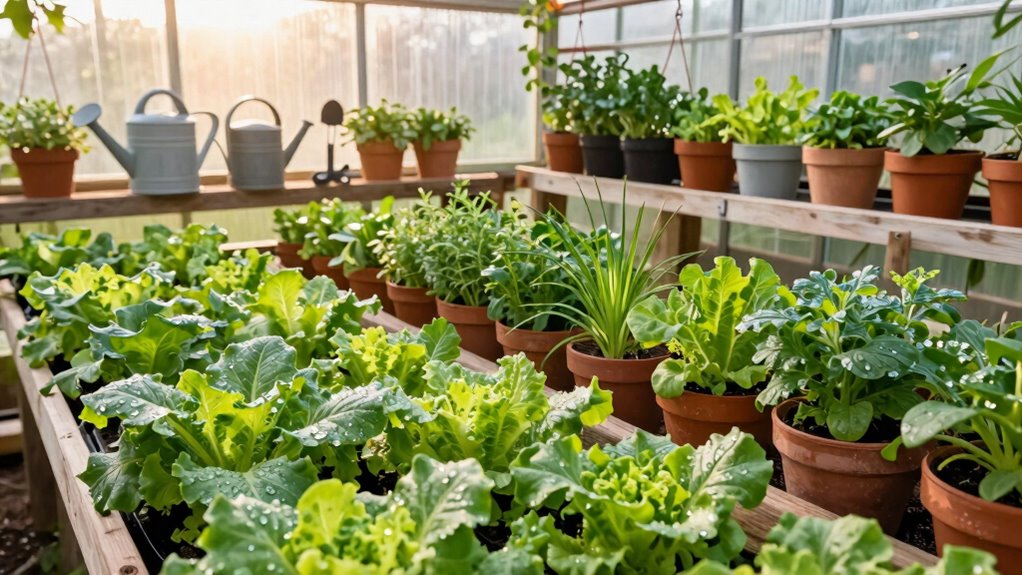
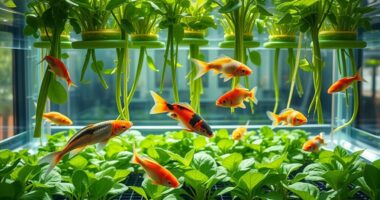
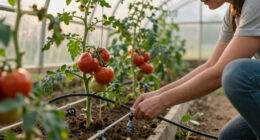
Have you ever considered growing fresh produce right in your own backyard? If you’re looking to maximize your greenhouse harvests, it’s essential to think beyond traditional soil gardening. One of the most efficient ways to do this is by exploring hydroponic systems. These soilless setups allow you to grow a variety of vegetables and herbs indoors or in your greenhouse without the mess and limitations of soil. Hydroponic systems use nutrient-rich water solutions, which lead to faster growth, higher yields, and less space needed. Plus, they make it easier to control environmental factors like nutrient levels, pH, and moisture, guaranteeing your plants thrive year-round. This setup also reduces the risk of soil-borne diseases, which can otherwise hinder your harvests and compromise plant health. Additionally, soil-borne diseases can be effectively minimized with proper system management and plant selection. Incorporating environmental control techniques further enhances the consistency and quality of your crops. Understanding integrated pest management strategies can also help you develop a comprehensive pest prevention plan tailored to your greenhouse environment. Proper system monitoring is crucial to maintaining optimal conditions and preventing issues before they affect your plants. Regular data collection and analysis can help you fine-tune your system to prevent potential problems proactively.
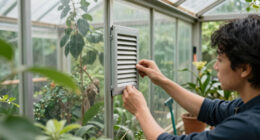
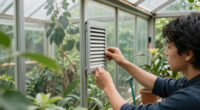
Another key to making your greenhouse harvests more useful is incorporating pest prevention strategies. Pests can quickly turn a healthy crop into a disaster, so proactive measures are essential. You can start by sealing any cracks or openings in your greenhouse structure to keep out insects and rodents. Using physical barriers like insect screens on vents and doors also markedly reduces pest entry. Regularly inspecting your plants helps catch early signs of pest activity, preventing infestations from spreading. Introducing beneficial insects, like ladybugs or predatory mites, can naturally control common pests without resorting to chemical pesticides. Additionally, maintaining cleanliness is crucial; removing dead leaves, weeds, and debris minimizes hiding spots for pests and reduces disease risks. Employing biological control methods can further improve pest management by promoting natural pest enemies and reducing chemical use.
Combining hydroponic systems with vigilant pest prevention creates a highly efficient and productive environment for your home greenhouse. With hydroponics, you gain control over growing conditions, which results in faster, cleaner, and more abundant harvests. Pest prevention measures protect your plants from damage and guarantee your efforts don’t go to waste. It’s also wise to choose pest-resistant plant varieties when possible, further reducing the need for intervention. Implementing an integrated pest management approach means you’re using multiple strategies together, making your greenhouse a healthier, more resilient space for your crops. This way, you’ll enjoy fresh, homegrown produce more often and with less hassle.
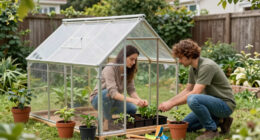
Ultimately, making your greenhouse harvests more useful hinges on smart planning and management. Embrace hydroponic systems to boost growth and efficiency, and stay vigilant with pest prevention techniques to safeguard your crops. These steps will turn your greenhouse into a productive and sustainable environment, giving you fresh produce whenever you want it. Whether you’re growing herbs, leafy greens, or even small fruiting plants, these practices help you get the most out of your home greenhouse, making every harvest worth the effort.
As an affiliate, we earn on qualifying purchases.
Frequently Asked Questions
How Can I Prevent Pests in My Greenhouse Harvests?
You can prevent pests in your greenhouse by planting pest-resistant plants and using natural deterrents like neem oil or garlic spray. Regularly inspect your plants for early signs of pests and remove any affected leaves. Maintain good airflow and keep the area clean to reduce pest hiding spots. Introducing beneficial insects like ladybugs can also help control pests naturally, ensuring your harvest stays healthy and pest-free.
What Are the Best Storage Methods for Greenhouse Produce?
Think of your harvest as treasures to be preserved. To keep produce fresh, store delicate items in breathable containers and root vegetables in a cool, dark place. For seed preservation, dry seeds thoroughly before storing in labeled, airtight jars. Composting techniques also play a role, turning scraps into nutrient-rich soil, symbolizing renewal. By combining proper storage with sustainable composting, you nurture both your harvest and your garden’s future.
How Do I Extend the Shelf Life of My Harvests?
To extend the shelf life of your harvests, you should use proper preservation techniques and storage containers. Keep produce in breathable containers like mesh bags or perforated bins to prevent moisture buildup. Refrigerate delicate items promptly and consider freezing or canning for long-term storage. Regularly check your harvests for spoilage, removing any spoiled items immediately, and guarantee your storage environment stays cool, dark, and dry to maximize freshness.
Can I Grow Herbs Alongside Vegetables in a Greenhouse?
You can absolutely grow herbs alongside vegetables in your greenhouse. Did you know that companion planting boosts pest control and improves plant health? Herb integration is a smart strategy, as herbs like basil or thyme can repel pests and attract beneficial insects. Mixing herbs with vegetables creates a balanced ecosystem, enhances flavors, and maximizes space. Just make certain that light, water, and nutrient needs are compatible for both herbs and vegetables.
What Are Eco-Friendly Ways to Improve Greenhouse Yield?
You can boost your greenhouse yield eco-friendly by practicing composting techniques, which enrich your soil naturally, reducing the need for chemical fertilizers. Incorporate natural pest control methods like introducing beneficial insects or using neem oil to keep pests at bay without harming the environment. These approaches help create a sustainable, productive greenhouse, ensuring healthy plants and bountiful harvests while minimizing your ecological footprint.
Conclusion
Now that you know how to maximize your greenhouse harvests at home, it’s time to put these tips into action. With a little effort, you can enjoy fresh, nutritious produce year-round. Imagine the satisfaction of growing your own food and reducing waste— isn’t that a reward worth working for? So why settle for store-bought when you can create a thriving, sustainable garden right in your backyard? The power to grow is in your hands.
Columbus Day / Indigenous Peoples' Day Picks
long weekend sales
As an affiliate, we earn on qualifying purchases.