TL;DR

Get garden gear delivered free with Prime
- Fast, free delivery on millions of items
- Prime Video, Amazon Music and more included
- Member-only deals all year
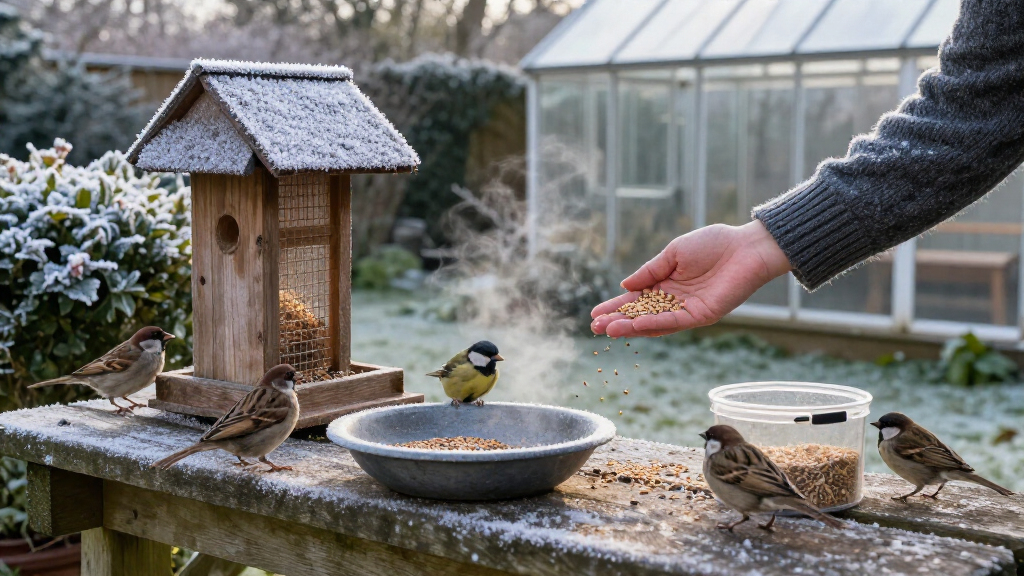
An Amateur Gardening report outlines seven ways to feed garden birds in winter while reducing risks around feeders, water and food. Its advice includes cleaning feeders weekly, offering modest amounts of food, changing birdbath water daily and leaving plants that provide seeds, berries or insects.
Amateur Gardening has published seven steps for people who want to feed garden birds through winter while reducing risks associated with food, water and crowded feeding spots. The guidance recommends keeping feeders clean, limiting how much food is put out, supplying fresh water and preserving plants that offer birds seeds, berries or insects; if birds are still staying away, try these feeder fixes.
The report says people can pause feeder feeding during the warmer months, from May 1 to October 31, when gardens naturally provide seeds and insects, as outlined in this guide to helping migrating birds. It recommends resuming supplementary feeding from November 1 to April 30, offering foods such as birdseed, peanuts, fat and suet balls. These dates are the report’s seasonal guidance, not a claim that birds never need food outside that period.
To reduce contamination, the article advises hanging feeders rather than placing food on flat surfaces, cleaning feeders weekly with warm, soapy water and a non-toxic disinfectant, and moving them to a different garden spot each week. It also recommends avoiding locations beneath trees or near bird roosts, where droppings could contaminate food. Food should stay dry; seed and peanuts should be eaten within one or two days, while fat and suet balls should be replaced every seven days.
Other steps include removing mealworms before dusk, particularly when they have been scattered on the ground, and cleaning birdbaths and replacing their water every day with tap water; a simple birdbath upgrade can also help garden birds. For longer-term habitat, the report suggests leaving seed heads after flowering and growing plants that provide food or cover. Examples include sunflowers, coneflowers, teasel and black-eyed Susan for seeds, and hawthorn, holly and rowan for berries or shelter.
Safer Feeding During Scarce Months
Winter feeding can supplement the food birds find naturally, but shared feeding sites can also bring birds into close contact. The report cites the RSPB’s warning that trichomonosis, a contagious disease, can spread where birds gather in large numbers, including at feeders. Cleaning and moving feeders, and avoiding excess or damp food, are practical measures intended to limit contamination. The guidance does not claim these actions eliminate disease.
The article uses greenfinches as an example of pressure on familiar garden birds. It reports that their numbers have fallen by more than 65% over three decades and says they have moved from seventh to eighteenth in the Big Garden Birdwatch ranking since the count began in 1979. The report links concern about garden birds to disease, but the figures alone do not establish that trichomonosis caused the full decline. For gardeners, the wider point is that thoughtful feeding and a habitat with natural food sources may support birds without concentrating all food in one place.
Products Worth Considering

EGO POWER+ 21 Cordless Electric Lawn Mower Kit, Self-Propelled

Husqvarna Power Axe 350i 18-Inch Cordless Chainsaw Kit
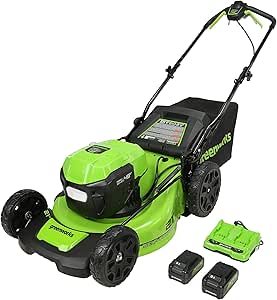
Greenworks 48V (24V x 2) 21-inch Self-Propelled Lawn Mower, Battery Kit
As an affiliate, we earn on qualifying purchases.
Seasonal Food and Disease Risks
The article frames its recommendations around a seasonal shift: natural food is more available in warmer months, while supplementary food may be useful during winter. It draws on RSPB advice to “feed seasonally” and “feed safely”, and on the concern that disease can spread in places where birds congregate. The measures described focus on feeder hygiene, food handling, water and garden planting rather than on feeding alone.
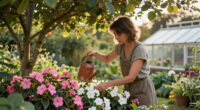
Its planting suggestions also extend beyond winter seed. Flowers that attract insects can provide food for birds, while shrubs such as holly and hawthorn can offer berries or cover. The report says leaving seed heads in place can supply food after flowering; a tidier-looking garden is not necessarily the most useful habitat for wildlife.
““feed seasonally” and “feed safely””
— The RSPB, as quoted in the Amateur Gardening report
Limits of the Reported Evidence
The article offers practical recommendations but does not provide controlled evidence showing how much each step reduces disease transmission or how much winter feeding changes bird survival. It cites a greenfinch decline of more than 65% over three decades and a change in Big Garden Birdwatch ranking, but does not establish that feeder-related disease accounts for the whole decline. The underlying counts, methods and comparison details are not set out in the supplied report.
The article also mentions a UK bird feeder market valuation of $112.5 million in 2026, projected to reach $171.56 million by 2035, attributing the figures to Market Wide Research. It gives no methodology or definition of the market in the material provided, so the figures are not evidence about bird populations or the effectiveness of feeding. The report does not specify whether its seasonal dates apply to every local climate or garden.
Practical Steps Through Winter
Gardeners following the report can start with the actions that require regular attention: keep feeders and birdbaths clean, change water daily, check that food remains dry and put out amounts birds can consume promptly. Feeders can be shifted to a new position weekly, while seed heads and berry-producing plants can be left to provide natural food and cover.
The article gives no announced follow-up study or official monitoring milestone. Readers seeking advice for their area can check current guidance from the RSPB and local wildlife organisations, particularly if sick or dead birds appear at feeding sites. The report’s next step for gardeners is seasonal rather than a scheduled event: maintain safe feeding habits through the colder months and review them as natural food becomes more available.
Key Questions
When does the report recommend feeding garden birds?
It suggests pausing feeder feeding from May 1 to October 31 and resuming from November 1 to April 30, when natural food may be scarcer. These are the article’s seasonal dates, not a universal rule for every garden.
How often should bird feeders be cleaned?
The report recommends cleaning feeders weekly with warm, soapy water and a non-toxic disinfectant. It also advises moving feeders to a different place in the garden each week.
How much food should be put out?
According to the report, seed and peanuts should be eaten within one or two days. Fat and suet balls should be changed every seven days, and food should be kept dry.
What plants can provide food for garden birds?
The article names sunflowers, coneflowers, teasel and black-eyed Susan for seed heads, and hawthorn, holly and rowan for berries or cover. It also recommends leaving seed heads in place after flowering.
Why does the article warn about feeder hygiene?
It cites RSPB advice that trichomonosis can spread where birds gather, including at feeders. The cleaning and spacing measures are presented as ways to reduce contamination risk, not as a guarantee against disease.
Source: rss