The best ornamental cabbage plants for most gardeners are the RedCrocus Osaka White pair, which offers two established, potted plants for an immediate display. For a pink-and-white look, the RedCrocus Osaka IQ Pink Bicolor pair is the standout, while the Outsidepride 1,000-count seed pack suits gardeners who want to grow a larger planting from seed. The main tradeoff is convenience versus control: potted plants are ready to place but offer fewer plants, while seeds take more effort and time. A three-plant Songbird Mix sits between those choices, though the single-plant version is better for a small accent. Read on for how these six options compare and which format fits your garden.

Get garden gear delivered free with Prime
- Fast, free delivery on millions of items
- Prime Video, Amazon Music and more included
- Member-only deals all year
Complete the kit


Key Takeaways
- Ready-to-display plants lead for convenience: the RedCrocus Osaka White and Pink Bicolor options arrive in 9-inch pots, avoiding the early growing steps required by seeds.
- Color and format separate the RedCrocus pairs: choose Osaka White for a pale focal point or Osaka IQ Pink Bicolor for a more varied pink display; both are sold as two potted plants.
- Songbird Mix offers a middle ground: its three-plant listing gives more plants than the single-plant option, while both focus on pink-and-white double blooms.
- Seed packs suit a different kind of buyer: the three-pack heirloom option and the 1,000-count Outsidepride pack prioritize growing from seed and potential quantity over immediate display.
- The most convenient choice is not automatically the most flexible: potted plants narrow the growing work, while seeds give gardeners more say over timing and how many plants to raise.
| Songbird Mix Flowering Cabbage Plants, Pink and White Double Blooms, 3 Live Plants |  | Best for a Coordinated Container Display | Plant type: Ornamental flowering cabbage (Brassica) | Variety: Songbird Mix, round-leaf | Quantity: 3 live plants | VIEW LATEST PRICE | See Our Full Breakdown |
| Songbird Mix Ornamental Flowering Cabbage Plants, 1 Live Plant | | Best for Trying a Single Live Plant | Plant type: Ornamental cabbage (Brassica) | Variety: Songbird Mix | Quantity: 1 live plant | VIEW LATEST PRICE | See Our Full Breakdown |
| RedCrocus Osaka White Ornamental Cabbage, 9-Inch Pot, Pack of 2 |  | Best for Cooler-Climate Containers | Variety: Osaka White (Osaka IQ White) | Pack size: 2 plants | Pot size: 9 inches | VIEW LATEST PRICE | See Our Full Breakdown |
| Ornamental Kale Seeds for Planting, Heirloom Flowering Cabbage, 3 Packs |  | Best for Growing from Seed | Plant type: Ornamental kale (Brassica oleracea) | Pack count: 3 packs | Plant height: Up to 12 inches | VIEW LATEST PRICE | See Our Full Breakdown |
| RedCrocus Osaka IQ Pink Bicolor Ornamental Cabbage, 9-Inch Pots, Pack of 2 |  | Best for Vivid Pink-and-Purple Color | Botanical name: Brassica oleracea var. acephala | Pack size: 2 plants | Pot size: 9 inches | VIEW LATEST PRICE | See Our Full Breakdown |
| Outsidepride Ornamental Cabbage Seeds, 1,000 Count |  | Best for Large Plantings | Brand: Outsidepride | Seed count: 1,000 | Plant type: Annual ornamental cabbage | VIEW LATEST PRICE | See Our Full Breakdown |
| ornamental cabbage plant | Sunlight | USDA hardiness zones | Plant type | Variety |
|---|---|---|---|---|
| Songbird Mix Flowering Cabbage | Partial shade to full sun | 9–11 | Ornamental flowering cabbage (Brassica) | Songbird Mix, round-leaf |
| Songbird Mix Ornamental Flower | Partial shade to full sun | 9–11 | Ornamental cabbage (Brassica) | Songbird Mix |
| RedCrocus Osaka White Ornament | Full sun to partial shade | 3–9 | — | Osaka White (Osaka IQ White) |
| Ornamental Kale Seeds for Plan | Full sun | 2–11 | Ornamental kale (Brassica oleracea) | — |
| RedCrocus Osaka IQ Pink Bicolo | Full sun to partial shade | 4–9 | — | — |
| Outsidepride Ornamental Cabbag | Full sun | 4–9 | Annual ornamental cabbage | — |
More Details on Our Top Picks
Songbird Mix Flowering Cabbage Plants, Pink and White Double Blooms, 3 Live Plants
I’d choose this three-plant Songbird Mix when the goal is a ready-made grouping of pink and white, rose-like rosettes. The matching plants make it easier to fill a container or repeat color along a border than buying one specimen at a time. At about 12 inches tall, they stay compact while still giving a planting a distinct focal point. Compared with the single Songbird Mix plant, this set offers more immediate coverage; the RedCrocus Osaka White, by contrast, has a lower profile and foliage-led white-and-green coloring rather than double blooms. The tradeoff is care: these plants need moderate, regular moisture, and the supplied guidance calls for protection from frost and extreme heat. Their stated zones are 9–11, so gardeners outside that range should check local conditions before choosing them.
Pros:- Three live plants make it easier to create a coordinated grouping
- Double pink-and-white rosettes have a more flower-like look than the Osaka foliage varieties
- Compact height suits containers, borders, and garden beds
- Adds seasonal color in cooler weather
Cons:- Needs consistently moist, well-draining soil
- Care guidance advises protection from frost and extreme heat
- Listed USDA hardiness zones are limited to 9–11
Best for: Container gardeners who want three matching pink-and-white plants to create a fuller seasonal display without raising plants from seed.
Not ideal for: Gardeners seeking a low-water planting or dependable frost-tolerant color; the care notes call for frost protection and regular moisture.
- Plant type:Ornamental flowering cabbage (Brassica)
- Variety:Songbird Mix, round-leaf
- Quantity:3 live plants
- Bloom colors:Pink and white
- Expected height:12 inches
- Sunlight:Partial shade to full sun
- USDA hardiness zones:9–11
- Soil and moisture:Well-draining, fertile soil; moderate watering
Our verdict“Choose this set for a compact, coordinated display of double pink-and-white rosettes, provided you can manage its moisture and temperature needs.”
Songbird Mix Ornamental Flowering Cabbage Plants, 1 Live Plant
This single Songbird Mix is the straightforward pick for someone who wants to try pink-and-white double rosettes without committing to a trio. Its roughly 12-inch compact growth can suit a small container or a gap in a seasonal border, while the green outer leaves frame the central color. Compared with the three-plant Songbird Mix, it gives less coverage but lets you start with one plant; the Osaka White two-pack is a better match for buyers who prefer cooler white-and-green foliage and a stated wider hardiness range. Here, the limits are practical: no pot is included, and the care notes advise protection from frost and extreme heat. It also calls for well-draining, fertile soil and moderate watering, so it isn’t a hands-off option.
Pros:- One live plant offers a lower-commitment way to try the Songbird look
- Double pink-and-white rosettes stand out against green leaves
- Compact size fits small containers and border gaps
- Provides seasonal color in cooler weather
Cons:- Pot is not included
- Care guidance advises protecting it from frost and extreme heat
- Needs moderate watering and well-draining, fertile soil
Best for: Gardeners who want to trial one pink-and-white ornamental cabbage in an existing pot or a small planting before buying several.
Not ideal for: Shoppers who need a container included, want broad bed coverage, or need a plant specifically listed for hardiness zones beyond 9–11.
- Plant type:Ornamental cabbage (Brassica)
- Variety:Songbird Mix
- Quantity:1 live plant
- Expected height:12 inches
- Sunlight:Partial shade to full sun
- Bloom colors:Pink and white double rosettes
- USDA hardiness zones:9–11
- Pot included:No
- Soil and moisture:Well-draining, fertile soil; moderate watering
Our verdict“Pick this single plant to sample the Songbird Mix look, but choose the three-plant set if you need a fuller display from the outset.”
RedCrocus Osaka White Ornamental Cabbage, 9-Inch Pot, Pack of 2
The Osaka White two-pack is the strongest fit here for gardeners seeking white-and-green foliage in a compact, live-plant format. At 6–8 inches tall and 8–10 inches wide, each plant stays lower than the Songbird Mix options, making it easier to place at the front of a border or in a small seasonal container. Its stated zones, 3–9, also span a broader range than the Songbird plants’ 9–11 listing, and it tolerates light frost. Compared with the Osaka IQ Pink Bicolor, this version offers a quieter, cooler palette rather than frilly pink-and-purple leaves. The tradeoff is its foliage-first appeal: it lacks the rose-like double look of Songbird Mix. It also needs consistently moist, well-draining soil, and ingestion may cause mild digestive upset.
Pros:- Two plants provide a coordinated white-and-green seasonal display
- Low, compact dimensions suit containers and border edges
- Tolerates light frost
- Listed as deer resistant
Cons:- Requires consistently moist, well-draining soil
- Foliage colors are less vivid than the pink-and-purple Osaka IQ Pink Bicolor
- Ingestion may cause mild digestive upset
Best for: Gardeners in listed zones 3–9 who want two compact, white-and-green plants for fall or early-winter containers and borders.
Not ideal for: Buyers seeking pink or purple color, rose-like double blooms, or a low-maintenance plant that can dry between waterings.
- Variety:Osaka White (Osaka IQ White)
- Pack size:2 plants
- Pot size:9 inches
- Height:6–8 inches
- Spread:8–10 inches
- USDA hardiness zones:3–9
- Sunlight:Full sun to partial shade
- Foliage:White and green rosette leaves
- Care:Keep soil consistently moist and well-draining
Our verdict“Choose Osaka White for a compact, frost-tolerant white-and-green display rather than the brighter double-flower effect of Songbird Mix.”
Ornamental Kale Seeds for Planting, Heirloom Flowering Cabbage, 3 Packs
These three seed packs suit gardeners who want to raise their own ornamental kale rather than receive finished plants. The pink, purple, and white ruffled rosettes promise a broader color mix than either live Songbird option, while seed starting lets you plan beds, borders, and containers around your own layout. Its stated zone range of 2–11 is broader than the live plants in this lineup, though results still depend on local timing and growing conditions. Compared with the Osaka White two-pack, this is a project, not an immediate seasonal display: you must sow, care for seedlings, and wait for cool-season color. The seeds are listed as untreated and heirloom, but regular watering is needed, and the product data provides no guaranteed plant count or germination timeline.
Pros:- Multicolor pink, purple, and white foliage offers a wider palette than the single-color Osaka White
- Three packs give seed starters material for a planned planting
- Untreated, heirloom seed type is specified
- Listed for USDA hardiness zones 2–11
Cons:- Requires sowing and growing seedlings rather than providing ready-to-display plants
- Needs regular watering
- Product data does not state a guaranteed plant count or germination timeline
Best for: Gardeners who enjoy starting plants from seed and want to plan a multicolor fall-to-winter display across beds or containers.
Not ideal for: Buyers who need established plants or instant container color; seed starting takes time and the product data does not specify a guaranteed plant count.
- Plant type:Ornamental kale (Brassica oleracea)
- Pack count:3 packs
- Plant height:Up to 12 inches
- Color:Multicolor: pink, purple, and white
- Season:Fall to winter
- Planting period:Summer to fall
- Sunlight:Full sun
- USDA hardiness zones:2–11
- Seed type:Untreated heirloom
Our verdict“Choose these seeds if you value growing a multicolor display yourself; opt for the live Osaka or Songbird plants when you need seasonal color sooner.”
RedCrocus Osaka IQ Pink Bicolor Ornamental Cabbage, 9-Inch Pots, Pack of 2
For a compact planting with stronger color, I’d favor the Osaka IQ Pink Bicolor over Osaka White. Its frilly pink-and-purple foliage gives fall and winter containers a brighter look, and the two plants can create a matched pair along a border or in separate pots. The listed size of 6–12 inches tall and wide keeps it manageable, though it may take more room than Osaka White at its stated 6–8 inches tall and 8–10 inches wide. Unlike the Songbird Mix, this variety is valued for foliage rather than dense, rose-like double blooms. It is listed for zones 4–9 and suits full sun to partial shade. The tradeoffs are cool-season timing and attentive watering: extreme heat can hinder it, and soil should stay consistently moist while draining well.
Pros:- Pink-and-purple leaves deliver brighter color than Osaka White
- Two plants can create a coordinated container or border display
- Compact listed size suits smaller garden spaces
- Grows in full sun to partial shade
Cons:- Best foliage is associated with fall and winter, not hot-weather displays
- Needs consistently moist, well-draining soil
- Care guidance advises protection from extreme heat
Best for: Container and small-space gardeners who want a pair of vivid pink-and-purple foliage plants for fall or winter displays.
Not ideal for: Gardeners in areas with prolonged heat or anyone seeking rose-like double blooms instead of frilly foliage.
- Botanical name:Brassica oleracea var. acephala
- Pack size:2 plants
- Pot size:9 inches
- Plant size:6–12 inches tall and wide
- USDA hardiness zones:4–9
- Sunlight:Full sun to partial shade
- Foliage:Frilly pink and purple leaves
- Typical season:Fall and winter
- Care:Keep soil consistently moist and well-drained; protect from extreme heat
Our verdict“Choose Osaka IQ Pink Bicolor for vivid cool-season foliage in a compact two-plant set, and choose Osaka White for a quieter palette and lower listed height.”
Outsidepride Ornamental Cabbage Seeds, 1,000 Count
For gardeners planning a broad fall display, the 1,000-seed count is the main advantage: it can supply borders, repeated container plantings, or a massed bed without relying on a few nursery-grown specimens. The mix brings pink, white, and purple centers against green outer leaves, and plants reach about 12 inches tall and wide. Compared with the potted RedCrocus Osaka White Ornamental Cabbage, this seed option takes more planning and growing time, but gives you more scope to fill a space consistently. It is listed for zones 4–9 and tolerates cold, making it suited to seasonal color into winter. The tradeoff is that seeds need full sun and moist, well-drained soil to germinate; choose a live-plant option if you need color immediately or cannot start seeds.
Pros:- Large 1,000-seed count suits mass plantings and repeated use.
- Pink, white, and purple foliage with green outer leaves adds varied seasonal color.
- Cold-tolerant annual listed for USDA zones 4–9.
- Plants can be used in borders, containers, or floral arrangements.
Cons:- Seeds require growing time, unlike the ready-to-place RedCrocus Osaka White plants.
- Full sun is required, limiting placement options.
- Germination calls for moist, well-drained soil, so the seedbed needs attention.
Best for: Gardeners filling long borders or multiple containers who want many cold-tolerant plants and are comfortable starting seeds.
Not ideal for: Buyers seeking an instant display, or gardeners without a full-sun spot and suitable soil for seed germination.
- Brand:Outsidepride
- Seed count:1,000
- Plant type:Annual ornamental cabbage
- Foliage colors:Pink, white, purple, and green
- Mature size:About 12 inches tall and 12 inches wide
- USDA hardiness zones:4–9
- Sunlight:Full sun
- Germination:65°F; 7–14 days
- Planting:1/8-inch depth; 12-inch spacing
Our verdict“Choose this seed mix for an expansive, budget-conscious planting plan, but pick potted cabbage if you need an immediate display.”
How We Picked
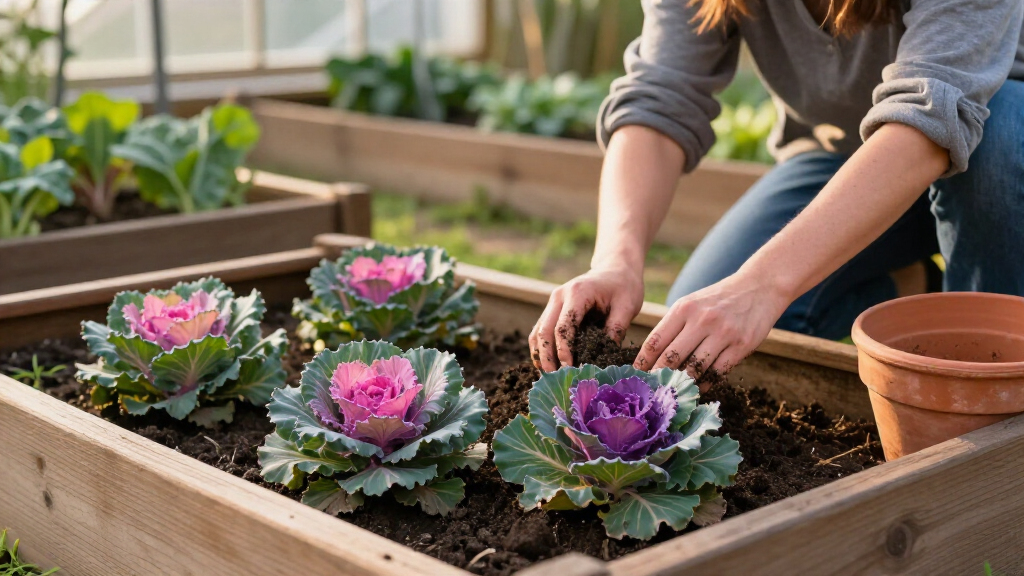
I ranked these options by how well their format and presentation match common ornamental-cabbage goals: getting color into a container quickly, choosing a specific look, or raising plants from seed. I gave the strongest overall position to established plants in pots because they reduce the number of growing steps between purchase and display. Among those, the Osaka White pair ranks ahead for its clear, easy-to-plan color scheme; the Pink Bicolor pair follows for gardeners who want more color variation.
I also weighed plant count, the amount of commitment implied by each listing, and how clearly the product suits a particular buyer. The three-plant Songbird Mix ranks above its single-plant counterpart for gardeners seeking a small grouping, while the single plant works best as an accent. Seed options rank lower for immediate results, not because seeds are inherently inferior, but because they ask buyers to handle sowing and early growth; the large Outsidepride count is most compelling when quantity matters more than a ready-made display.
| ornamental cabbage plant | Plant type | Variety | Sunlight |
|---|---|---|---|
| Songbird Mix Flowering Cabbage | Ornamental flowering cabbage (Brassica) | Songbird Mix, round-leaf | Partial shade to full sun |
| Songbird Mix Ornamental Flower | Ornamental cabbage (Brassica) | Songbird Mix | Partial shade to full sun |
| RedCrocus Osaka White Ornament | — | Osaka White (Osaka IQ White) | Full sun to partial shade |
| Ornamental Kale Seeds for Plan | Ornamental kale (Brassica oleracea) | — | Full sun |
| RedCrocus Osaka IQ Pink Bicolo | — | — | Full sun to partial shade |
| Outsidepride Ornamental Cabbag | Annual ornamental cabbage | — | Full sun |
Factors to Consider When Choosing Best Ornamental Cabbage Plants
Before choosing, decide whether you want a finished seasonal accent or a project that starts with sowing. The right format depends on your display date, growing space, and appetite for raising young plants—not just the flower color shown in a listing.
Choose Between Potted Plants and Seeds
Potted plants save early growing time, making them a practical choice when you want to fill a container or garden bed without starting seedlings. Seeds usually require advance planning, suitable conditions for germination, and care before plants are display-ready. A common mismatch is ordering seeds shortly before a seasonal event and expecting an immediate effect. On the other hand, a pot is less flexible if you want to raise many plants or control their placement from the start. Match the product format to your calendar and growing setup, not just the eventual appearance.
Plan the Display Around Plant Count
Count changes the design job: one plant can anchor a small pot, while pairs and trios can form a more noticeable grouping. Before buying, measure the container or bed and decide whether you want a focal plant, repeated accents, or a fuller mass of color. Do not assume that a larger seed count means a finished display of that size; seeds need growing space, and not every seed necessarily becomes a plant you use. For a compact arrangement, fewer established plants can be easier to place than a large seed packet. For broad coverage, plan the space and seedling care before choosing quantity.
Pick Color for the Whole Planting
Color affects how a planting reads from a distance as well as up close. A white-centered look can create a quieter focal point, while pink or bicolor plants bring more contrast and can stand out among other cool-season plantings. When combining varieties, think about whether you want a coordinated palette or a mixed, informal effect. Product names and photos can signal a color direction, but natural variation and growing conditions can affect the finished appearance. If precise uniformity matters, favor a clearly defined variety over a mixed selection.
Factor in Timing and Local Conditions
Cool-season timing shapes the result, so check the growing guidance supplied with the plants or seeds and compare it with your local conditions. Buying potted plants close to the time you want a display can reduce the lead time, while seed growing calls for planning ahead. A frequent mistake is treating ornamental cabbage like a warm-season annual and expecting its best color during hot weather. Garden exposure, temperature swings, and watering needs also vary by location and container. Use local planting guidance rather than assuming the same calendar works everywhere.
Decide How Much Growing Work You Want
Seed growing offers control but adds tasks: sowing, monitoring germination, and tending young plants before they can fill a display. That can be rewarding for gardeners who want to raise a larger group, but it is not the lowest-effort route. Potted options remove those early stages, though buyers still need to place and care for the plants after arrival. If you are new to ornamental cabbage, choose the format that fits the care routine you already manage rather than buying a large quantity on impulse. A smaller plant order can also help you learn what works in your space before expanding.
Check What the Listing Actually Includes
Read the product format and quantity carefully before comparing listings. A count may refer to live plants, pots, or seeds, and those are not interchangeable measures of finished coverage. Pot size can help set expectations about the supplied plant format, but it does not tell you the exact mature spread or final appearance. Check whether the listing names a specific color or a mix, and look for care and shipping details that affect when plants can be placed outdoors. These checks prevent the common mistake of choosing by a dramatic photo while overlooking what arrives.
Frequently Asked Questions
Should I buy potted ornamental cabbage or seeds if I need color soon?
Choose potted plants for a display with a short lead time, since they skip sowing and early seedling care. Seeds make more sense when you can plan ahead and have a suitable place to raise young plants. The tradeoff is convenience against flexibility: pots are easier to place quickly, while seeds can suit gardeners aiming to grow a larger planting. Check the seller’s shipping and care information before setting a date for outdoor display. Do not assume a seed packet will produce mature plants on the same schedule as established pots.
Is one live plant enough for a container?
One plant can work as a small focal accent, especially in a modest container or a mixed planting with other seasonal plants. A larger pot may look sparse with a single specimen, depending on the plant’s size and the overall design. Measure the container and think about whether you want a filled-in look or room for companion plants. The Songbird single-plant listing is the more restrained choice, while the three-plant version gives you more scope for a coordinated grouping. Avoid buying by plant count alone without considering the space each one needs.
Which option makes sense if I want a large planting?
A seed pack is the format to examine first when your goal is to raise many plants, particularly the Outsidepride listing with 1,000 seeds. That count does not guarantee a particular number of usable plants, so plan for sowing space, germination, and the care of seedlings. The paired potted varieties are easier to place but provide only two plants per listing, and the Songbird options offer three or one. Decide how much room and time you can give the growing stage before choosing a high-count pack. If you need a finished mass quickly, a large seed count may not solve the timing problem.
Can I mix white, pink, and bicolor ornamental cabbage in one display?
Yes, combining color directions can create a more varied seasonal arrangement, but it helps to decide whether you want contrast or a restrained palette. White can act as a visual pause between pink plants, while a bicolor selection can bridge the two looks. Mixed colors may be less uniform than buying several plants of one named variety. Check the product description to distinguish a specific color from a mix, and avoid assuming every plant in a listing will look identical. For a coordinated display, choose a consistent variety; for a looser effect, combine complementary colors.
What should I check before ordering ornamental cabbage plants online?
Confirm whether the listing is for live plants or seeds, then verify the quantity, pot details, named color, and shipping information. For live plants, timing and delivery condition matter because you need to place them after arrival. For seeds, look for sowing and growing instructions and make sure you have a suitable setup. Product photos can set a general expectation, but they do not replace checking what the listing says is included. If the timing or contents are unclear, resolve that before ordering rather than planning a display around assumptions.
Conclusion
Best overall: I’d choose the RedCrocus Osaka White pair for a straightforward, ready-to-place display with a defined color. Best premium-style pick: the Osaka IQ Pink Bicolor pair suits buyers who want two established plants with a more varied look. Best value for a small grouping: Songbird Mix’s three-plant listing gives more plants in one purchase than the single-plant option, while the single plant is the better fit for a compact accent. Best for beginners: either potted RedCrocus option avoids the extra work of starting from seed; choose white for a simple palette or pink bicolor for more contrast. Best for seed-growing and quantity: Outsidepride’s 1,000-count pack is aimed at gardeners ready to manage sowing, while the three-pack heirloom seed option is a smaller seed-focused alternative. Pick by timing, planting space, and desired color before choosing the format.
Fall yard work Picks
leaf blowers
As an affiliate, we earn on qualifying purchases.