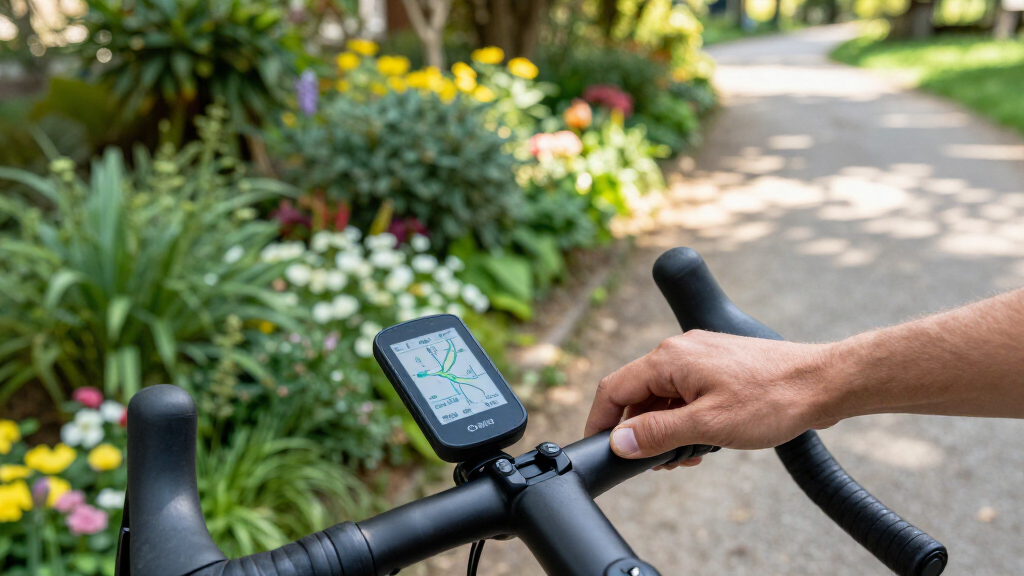

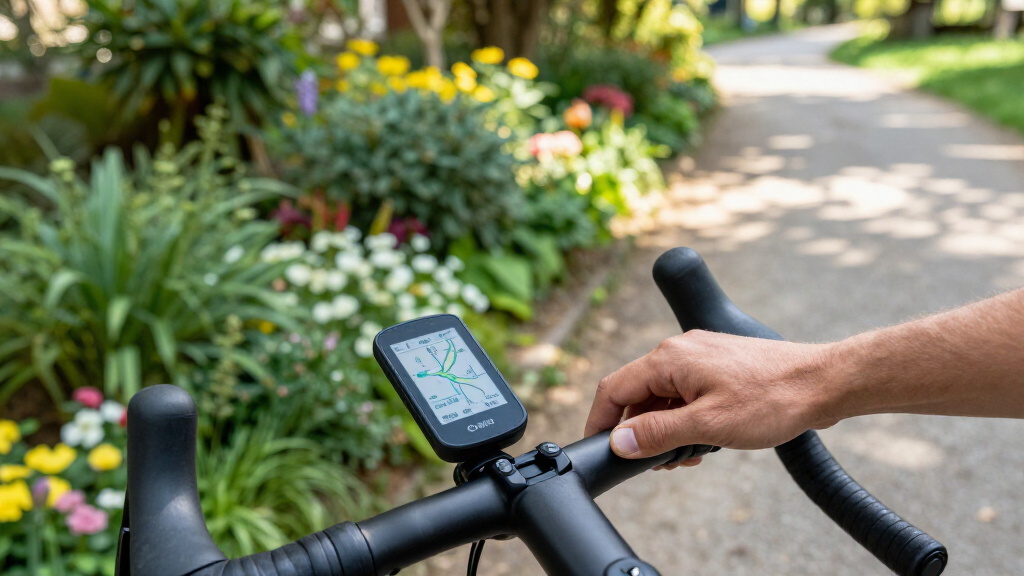
Finding the best GPS cycling tracker depends on your riding style, budget, and feature priorities. The Garmin Edge 1050 Premium stands out for its comprehensive navigation and advanced metrics, making it ideal for serious cyclists. The Ravemen Bike Tracker offers seamless integration with Apple Find My, perfect for those wanting theft protection without extra gadgets. Meanwhile, the CYCPLUS Wireless GPS Bike Computer G1 provides a lightweight, budget-friendly option with a clear display. All these options illustrate the main tradeoffs: feature depth versus simplicity, battery life versus size, and price versus versatility. Continue reading for a detailed comparison to help you choose the best fit for your cycling needs.

Get garden gear delivered free with Prime
- Fast, free delivery on millions of items
- Prime Video, Amazon Music and more included
- Member-only deals all year
Complete the kit


Key Takeaways
- The top-tier Garmin Edge models excel in navigation and detailed metrics, but come at a higher price point.
- Integrated theft protection features, like Apple Find My compatibility, are increasingly common among premium trackers.
- Battery life varies significantly; more advanced devices often have shorter runtimes, impacting long-distance riders.
- Size, weight, and display clarity are crucial for usability, especially during intense rides or in bright sunlight.
- Budget options like the CYCPLUS G1 deliver solid core functionality but may lack advanced mapping or anti-theft features.
| Garmin Edge 1050 Premium Cycling Computer |  | Best Overall for Serious Cyclists | Battery Life: Up to 20 hours (demanding use), up to 60 hours (battery saver mode) | Display: Color touchscreen | Connectivity: Smartphone, Garmin Connect app, Garmin Pay | VIEW LATEST PRICE | See Our Full Breakdown |
| Ravemen Bike Tracker Compatible with Apple Find My, Rechargeable Anti-Theft |  | Best Anti-Theft & Apple Integration | Compatible Devices: iPhone/iPad/Mac | Water Resistance Level: IPX6 Waterproof | Weight: 27 g | VIEW LATEST PRICE | See Our Full Breakdown |
| CYCPLUS Wireless GPS Bike Computer G1, 70g, 2.0″ Screen, IPX6, 1200mAh |  | Best Lightweight & Waterproof GPS | Display Size: 2 inches | Display: LED | Battery: 1200mAh Lithium Polymer | VIEW LATEST PRICE | See Our Full Breakdown |
| Orbit Velo Advanced Bike Tracker with Apple Find My, Waterproof, 3-Year Battery |  | Best Long-Term Apple Find My Tracker | Battery Life: Up to 3 years | Compatibility: Apple Find My network, iPhone, iPad, Mac, Apple Watch | Mounting Options: Bottle cage mount, below bottle cage | VIEW LATEST PRICE | See Our Full Breakdown |
| Garmin Edge 540, Compact GPS Cycling Computer | 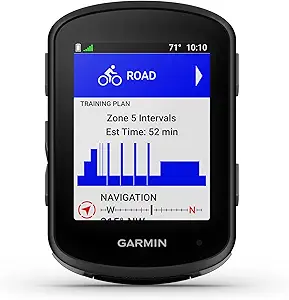 | Best for Challenging Environments | Battery Life: Up to 26 hours (demanding use), up to 42 hours (battery saver mode) | Navigation: Multi-band GNSS technology | Display: On-screen workouts and prompts | VIEW LATEST PRICE | See Our Full Breakdown |
| Wireless GPS Bike Computer, 50g, 2.4″ Screen, IPX7, 28H Runtime |  | Best Lightweight and Long-Run Standalone GPS | Weight: 50g | Screen Size: 2.4 inches | Battery Life: 28 hours | VIEW LATEST PRICE | See Our Full Breakdown |
| CYCPLUS GPS Wireless Bike Computer M2, 2.5″ LCD Screen, IPX6 Waterproof, 1000mAh Battery |  | Best for Long Rides with Rich Data Metrics and Bluetooth Support | Screen Size: 2.5 inches | Battery Capacity: 1000mAh | Battery Life: 70 hours | VIEW LATEST PRICE | See Our Full Breakdown |
| Garmin Edge Explore 2 GPS Cycling Computer |  | Best All-Round with Navigation and Connectivity | Display: 3-inch high-resolution touchscreen | Connectivity: Smartphone, sensors, Varia devices | Features: Preloaded maps, ride profiles, incident detection, LiveTrack | VIEW LATEST PRICE | See Our Full Breakdown |
| GPS cycling tracker | Battery Life | Display |
|---|---|---|
| Garmin Edge 1050 Premium Cycli | Up to 20 hours (demanding use), up to 60 hours (battery saver mode) | Color touchscreen |
| Ravemen Bike Tracker Compatibl | Up to 8 months | — |
| CYCPLUS Wireless GPS Bike Comp | 50 hours (average) | LED |
| Orbit Velo Advanced Bike Track | Up to 3 years | — |
| Garmin Edge 540 | Up to 26 hours (demanding use), up to 42 hours (battery saver mode) | On-screen workouts and prompts |
| Wireless GPS Bike Computer | 28 hours | LCD |
| CYCPLUS GPS Wireless Bike Comp | 70 hours | — |
| Garmin Edge Explore 2 GPS Cycl | — | 3-inch high-resolution touchscreen |
More Details on Our Top Picks
Garmin Edge 1050 Premium Cycling Computer
The Garmin Edge 1050 stands out for its vibrant color touchscreen and comprehensive features that cater to experienced riders. Its high-resolution display makes navigation and data viewing effortless, especially compared to the smaller, simpler screens on models like the CYCPLUS G1. With up to 20 hours of battery life, it suits long-distance rides, while advanced navigation, hazard alerts, and personalized coaching provide a tailored experience. Though its complex interface can be daunting for newcomers, it rewards users willing to learn with detailed insights and connectivity options like Garmin Pay. Its premium price reflects its feature set, making it less ideal for casual cyclists who prefer simplicity. This device makes the most sense for those who want a high-end, all-in-one cycling companion with extensive performance analytics.
Pros:- Vivid color touchscreen for clear maps and stats
- Long-lasting battery suitable for extended rides
- Rich navigation and performance tracking features
- Smart connectivity including messaging and incident alerts
Cons:- Steep learning curve due to complex interface
- High price may be prohibitive for casual users
- Heavy feature set can be overwhelming for some
Best for: Advanced cyclists or training-focused riders who need detailed metrics and navigation.
Not ideal for: Casual weekend riders or beginners who prefer straightforward, easy-to-use devices.
- Battery Life:Up to 20 hours (demanding use), up to 60 hours (battery saver mode)
- Display:Color touchscreen
- Connectivity:Smartphone, Garmin Connect app, Garmin Pay
- Features:Navigation, hazard alerts, in-ride messaging, leaderboards, incident detection, personalized coaching, ClimbPro ascent planner, power guide with stamina and wind integration
Our verdict“This is best suited for serious cyclists seeking a feature-rich, premium cycling computer that can handle demanding rides.”
Ravemen Bike Tracker Compatible with Apple Find My, Rechargeable Anti-Theft
The Ravemen Bike Tracker excels in discreet anti-theft protection by leveraging the Apple Find My network, making it ideal for Apple device users. Its long battery life of up to 8 months surpasses many GPS trackers, reducing the hassle of frequent recharges. Compared with the Orbit Velo, which also integrates with Apple Find My, Ravemen’s compact and waterproof design offers more flexibility in mounting options, although it relies heavily on Apple’s network coverage for tracking updates. Its simple rectangular shape and minimal weight make it unobtrusive, but users should be aware that it requires recent iOS or macOS updates to function optimally. For those with an Apple-centric setup who prioritize long-term anti-theft security, this model provides a reliable, low-maintenance solution.
Pros:- Long-lasting battery up to 8 months
- Discreet, tamper-resistant installation
- Waterproof design for all weather riding
- Easy location tracking via Apple Find My
Cons:- Requires recent iOS/macOS versions for full functionality
- Limited mounting options for thicker bottle cages
- Location updates depend on Apple network coverage
Best for: Apple device owners seeking a discreet, long-lasting anti-theft tracker for their bike.
Not ideal for: Android users or cyclists who want full standalone GPS without needing Apple ecosystem.
- Compatible Devices:iPhone/iPad/Mac
- Water Resistance Level:IPX6 Waterproof
- Weight:27 g
- Battery Life:Up to 8 months
- Charge Time:2 hours
- Mounting Type:Hidden under water bottle holder or frame
Our verdict“Ideal for Apple ecosystem users prioritizing long-term anti-theft security with minimal maintenance.”
CYCPLUS Wireless GPS Bike Computer G1, 70g, 2.0″ Screen, IPX6, 1200mAh
The CYCPLUS G1 offers a lightweight, straightforward GPS tracking experience, perfect for riders who prioritize simplicity without sacrificing accuracy. Its compact 70g weight and 2-inch LED display provide essential ride data with automatic backlight for visibility. Compared to the Garmin Edge 540, which offers advanced navigation and training features, the G1 focuses on core tracking, making it ideal for casual or recreational cyclists. Its waterproof IPX6 rating ensures durability in all weather, but its limited data features and small display may hinder usability for those wanting detailed metrics or larger screens for quick glances. The long battery life of over 55 hours makes it suitable for long rides, although the basic feature set limits its appeal for performance-focused riders.
Pros:- Lightweight and compact at only 70g
- Accurate GPS tracking with high sensitivity
- Waterproof IPX6 for all-weather use
- Over 55 hours of battery life
Cons:- Limited to basic cycling data features
- Small display can be hard to read in bright conditions
Best for: Casual cyclists or beginners who want a simple, reliable GPS with long battery life.
Not ideal for: Advanced riders seeking detailed analytics, training prompts, or detailed navigation features.
- Display Size:2 inches
- Display:LED
- Battery:1200mAh Lithium Polymer
- Battery Life:50 hours (average)
- Connectivity Technology:Wireless
- Mounting Type:Handlebar Mount
Our verdict“This pick is best for casual riders who want a simple, durable GPS with excellent battery longevity and waterproofing.”
Orbit Velo Advanced Bike Tracker with Apple Find My, Waterproof, 3-Year Battery
The Orbit Velo excels in long-term tracking, with a replaceable battery rated for up to 3 years, making it perfect for cyclists who dislike frequent recharging. Its seamless integration with the Apple Find My network simplifies locating your bike globally, especially compared to trackers like the Ravemen, which depend on network coverage and may have delays. Its secure mounting options, including security bolts, enhance theft protection, but the necessity of an Apple device limits its utility for Android users. The device’s waterproof design adds durability, yet reliance on Apple’s network means coverage varies with location. This tracker makes sense for those invested in Apple’s ecosystem and wanting a maintenance-free, secure solution for extended periods.
Pros:- Battery lasts up to 3 years with replaceable cells
- Seamless Apple Find My network integration
- Waterproof and tamper-resistant
- Secure mounting with included security bolts
Cons:- Requires Apple devices for tracking
- Dependent on Apple network coverage, which may limit real-time updates
- Limited compatibility outside Apple ecosystem
Best for: Apple users seeking a long-lasting, hassle-free anti-theft tracker with secure mounting options.
Not ideal for: Android users or those needing standalone GPS functionality without Apple ecosystem dependence.
- Battery Life:Up to 3 years
- Compatibility:Apple Find My network, iPhone, iPad, Mac, Apple Watch
- Mounting Options:Bottle cage mount, below bottle cage
- Security Features:Security bolts, included tool
Our verdict“Best suited for Apple ecosystem users prioritizing ultra-long-term security and minimal maintenance.”
Garmin Edge 540, Compact GPS Cycling Computer
The Garmin Edge 540 offers a compact form factor packed with advanced features ideal for riders tackling tough terrains or seeking detailed performance data. Its multi-band GNSS technology ensures precise navigation even in challenging environments, outperforming models like the CYCPLUS G1 in accuracy. Its on-screen workouts and training prompts make it suitable for those who want to optimize training on-the-fly. While the device’s array of features can be complex for newcomers, experienced riders will appreciate its detailed ride maps, climb insights, and training tools. The need for compatible sensors might be a hurdle for some, and its higher price reflects its professional-grade capabilities. Overall, this device caters to riders who demand accuracy and detailed analytics in demanding conditions.
Pros:- Multi-band GNSS for superior accuracy in tough environments
- Personalized coaching and training prompts
- Extended battery life for long rides
- Ride-specific maps and points of interest
Cons:- Features may require a learning curve
- Higher cost compared to basic models
- Requires compatible sensors for full functionality
Best for: Competitive cyclists or outdoor adventurers needing precise navigation and performance metrics.
Not ideal for: Casual riders or those new to cycling technology who prefer simple, plug-and-play devices.
- Battery Life:Up to 26 hours (demanding use), up to 42 hours (battery saver mode)
- Navigation:Multi-band GNSS technology
- Display:On-screen workouts and prompts
- Features:ClimbPro ascent planner, strength classification, power guide, stamina insights, ride maps
Our verdict“This is best for serious cyclists and outdoor explorers needing precise, reliable navigation in complex terrains.”
Wireless GPS Bike Computer, 50g, 2.4″ Screen, IPX7, 28H Runtime
This model stands out for its ultra-lightweight design, making it ideal for riders who prioritize minimal weight without sacrificing essential cycling data. Compared to the Garmin Edge Explore 2, it offers a simpler, standalone experience without the need for sensors or app connectivity, which appeals to those seeking straightforward tracking. However, its lack of Bluetooth or Wi-Fi limits integration with other devices or advanced features, and it doesn’t support external sensors, which might be a drawback for serious training. Its long 28-hour battery life ensures extended rides are covered without concern for recharging. The waterproof IPX7 rating means it can handle rain and splashes, making it suitable for all-weather commuting. Overall, this is best for riders who want a compact, durable, and easy-to-use GPS computer for casual or commuting use, but not for those seeking detailed analytics or app integration.
Pros:- Extremely lightweight at only 50 grams, minimizing bike weight impact
- Long battery life of up to 28 hours, suitable for all-day rides
- Waterproof IPX7 rating handles rainy conditions
- Clear 2.4-inch LCD with auto backlight for easy visibility
Cons:- Limited to standalone GPS tracking without external sensors or app connectivity
- Requires pre-selection of mounting style, adding a minor setup step
Best for: Cyclists who need a lightweight, standalone GPS device for commuting and casual rides without extra sensor support.
Not ideal for: Training-focused cyclists or those wanting smartphone app integration and advanced data metrics, as it lacks connectivity options.
- Weight:50g
- Screen Size:2.4 inches
- Battery Life:28 hours
- Connectivity:Built-in GPS
- Display:LCD
Our verdict“This is an excellent choice for riders seeking a simple, durable GPS computer that’s ideal for commuting and casual riding, but not for those wanting detailed metrics or app features.”
CYCPLUS GPS Wireless Bike Computer M2, 2.5″ LCD Screen, IPX6 Waterproof, 1000mAh Battery
The CYCPLUS M2 makes a compelling case for long-distance riders who want a large, easy-to-read display and extensive data tracking. Its 2.5-inch LCD is notably larger than the Garmin Edge Explore 2’s, providing quick visibility of multiple metrics like speed, cadence, heart rate, and power, making it well-suited for training or endurance rides. Its impressive 70-hour battery life surpasses many competitors, including the Garmin, which doesn’t specify its endurance, making it ideal for multi-day adventures. While it supports Bluetooth sync with smartphones, the absence of Wi-Fi limits automatic data uploads, requiring manual management via the app. It lacks a backlight feature, which could hinder night riding unless paired with a bike light. Compared to the Garmin, its focus on metrics and extended battery life makes it perfect for dedicated data enthusiasts, but the limited connectivity options might be a downside for casual users.
Pros:- Large, easy-to-read 2.5-inch LCD screen improves visibility during rides
- Exceptional battery life of up to 70 hours supports multi-day trips
- Supports multiple data metrics including heart rate, cadence, and power
- Waterproof IPX6 rating withstands all weather conditions
Cons:- Limited to Bluetooth connectivity, no Wi-Fi support for automatic syncing
- No backlight feature, which could reduce usability at night
- Requires smartphone app for full functionality, adding setup steps
Best for: Endurance riders and data-focused cyclists who prioritize a large display, extensive metrics, and long battery life.
Not ideal for: Casual riders or those wanting Wi-Fi connectivity and integrated app features, as it relies solely on Bluetooth sync and lacks a backlight.
- Screen Size:2.5 inches
- Battery Capacity:1000mAh
- Battery Life:70 hours
- Data Displayed:Odometer, Current Speed, Max Speed, Avg Speed, Cadence, Heart Rate, Altitude, Gradient
Our verdict“This pick excels for long-distance riders seeking detailed metrics and an expansive display, though it sacrifices some connectivity versatility.”
Garmin Edge Explore 2 GPS Cycling Computer
The Garmin Edge Explore 2 brings a user-friendly touchscreen experience with comprehensive navigation features, making it ideal for riders who want both tracking and mapping capabilities. Its 3-inch high-resolution display is highly visible in direct sunlight and glove-friendly, providing a step up from the smaller screens of the other options. Unlike the standalone devices, it supports a wide range of sensors, Varia lights, and smart notifications, which enhances the overall riding experience. While it requires purchasing additional sensors for full training data, its preloaded maps and ride profiles reduce setup time and make navigation straightforward. The lack of detailed battery life info is a slight gap, but overall, its versatility makes it suitable for casual riders, tourists, and commuters who want a connected, all-in-one device, even if it may be overkill for purely minimalist use.
Pros:- Large, high-resolution 3-inch touchscreen offers excellent visibility and ease of use
- Preloaded maps and ride profiles facilitate immediate navigation
- Supports a broad range of sensors and Varia devices for a connected experience
- Smart notifications and live tracking enhance safety and communication
Cons:- Additional sensor purchases are needed for full training metrics
- Battery life details are not specified, which could be a concern for long rides
- Higher complexity might be unnecessary for casual riders preferring minimal setup
Best for: Cyclists who want a versatile, navigation-capable GPS with touchscreen ease and smart features, suitable for touring or commuting.
Not ideal for: Riders seeking a simple, lightweight device without the need for maps or sensor connectivity, since it’s more feature-rich and potentially bulkier.
- Display:3-inch high-resolution touchscreen
- Connectivity:Smartphone, sensors, Varia devices
- Features:Preloaded maps, ride profiles, incident detection, LiveTrack
- Compatibility:eBike, indoor rides, music control
Our verdict“Best suited for riders who value navigation, connectivity, and a comprehensive cycling experience, though it might be more than needed for casual or minimalist users.”
How We Picked
These products were evaluated based on a combination of performance, usability, build quality, battery life, and overall value. Priority was given to devices that offer reliable GPS accuracy, user-friendly interfaces, and durability suitable for diverse riding conditions. We also considered the relevance of extra features like theft protection, screen size, and waterproofing. The ranking reflects how well each tracker balances these factors against price, helping different types of cyclists find their best match.Factors to Consider When Choosing Best GPS Cycling Trackers
Choosing the right GPS cycling tracker involves more than just looking at features. Understanding your riding style, typical distances, and desired functionalities can significantly influence your best choice. Here are key factors to consider when selecting a device that will truly enhance your cycling experience.Navigation and Mapping Features
Most GPS trackers offer basic route tracking, but advanced navigation and mapping features are crucial for exploring new areas or long-distance rides. Consider whether you need turn-by-turn directions, preloaded maps, or route planning capabilities. Devices with detailed mapping can help prevent getting lost and make your rides more enjoyable, but they often come at a higher cost and may require more storage space.
Battery Life and Runtime
Battery life is a key factor, especially for long rides or multi-day adventures. Some models offer 12-15 hours of use, which suits most daily rides, while others provide 20+ hours for extended expeditions. Keep in mind that features like live tracking or backlight usage can drain batteries faster. Selecting a device with a battery life that matches your typical ride duration minimizes the risk of running out mid-ride.
Durability and Waterproofing
Riding often exposes devices to rain, mud, and rough handling. Look for trackers with water resistance ratings like IPX7 or IPX8, and sturdy build quality. A rugged design prevents damage and ensures consistent performance across different weather conditions. Remember, a lightweight device might sacrifice some durability, so balance weight and robustness based on your riding environment.
Ease of Use and Display
A clear, responsive display makes all the difference during rides. Touchscreens or button controls should be intuitive, and information should be easy to read in sunlight. Simpler interfaces benefit beginners who want straightforward data, while more complex screens suit advanced riders who need detailed metrics. Consider how easily you can access essential info without distraction or confusion.
Additional Features and Integration
Features like anti-theft measures, smartphone connectivity, and compatibility with apps or fitness platforms enhance usability. Devices with anti-theft options, such as Apple Find My, add peace of mind, especially for urban riders. Compatibility with cycling apps can provide route planning, social sharing, and performance analysis. Be mindful of whether these extra features are necessary for your riding habits or if they add unnecessary complexity and cost.
Frequently Asked Questions
How accurate are GPS cycling trackers?
Most modern GPS cycling trackers offer highly accurate positioning, typically within a few meters. Accuracy depends on the device’s GPS chipset, the quality of satellite signals, and environmental factors like tall buildings or dense tree cover. For serious training or navigation, choosing a device with multi-band GPS or GLONASS compatibility can improve precision, especially in challenging environments.
Do I need a GPS tracker with mapping features?
If you primarily ride familiar routes or short distances, basic GPS tracking may suffice. However, if you enjoy exploring new areas or plan long-distance rides, detailed mapping and navigation features become more valuable. These functions help prevent getting lost and enable route customization, but they also require more storage and can drain batteries faster.
How important is battery life for daily cycling?
Battery life should match your typical ride duration. For daily commuters or short rides, a device lasting 8-12 hours is usually enough. For longer adventures or multi-day tours, look for trackers offering 20+ hours of runtime. Carrying a portable charger or selecting a model with quick charging can also mitigate concerns about battery life during extended rides.
Are waterproof devices worth the extra cost?
Waterproofing adds durability and ensures your tracker functions reliably in rain or muddy conditions. If you often ride in bad weather or leave your device mounted outdoors, investing in a water-resistant model is wise. While it may increase the price slightly, the peace of mind and longevity it offers justify the expense for most serious cyclists.
Can a GPS tracker replace a dedicated cycling computer?
Many GPS trackers now include advanced features comparable to cycling computers, but dedicated units often provide more detailed metrics, better screens, and longer battery life. If you want simple route tracking and basic stats, a good GPS tracker can suffice. For performance-focused training or professional use, a dedicated cycling computer might still be the better choice due to its specialized capabilities.
Conclusion
For serious cyclists who prioritize advanced navigation and comprehensive metrics, the Garmin Edge 1050 Premium offers unmatched performance and features. Riders seeking a balance of value and core functionalities will find the Garmin Edge 540 and Garmin Edge Explore 2 excellent options. Those concerned about theft protection should consider models with Apple Find My integration, like the Ravemen Bike Tracker. Beginners or casual riders will appreciate the simplicity of budget-friendly options like the CYCPLUS G1 or CYCPLUS M2. Ultimately, your choice depends on your riding style, budget, and feature needs, but these picks cover a broad range of cycling preferences in 2026.
Halloween Picks
halloween
As an affiliate, we earn on qualifying purchases.