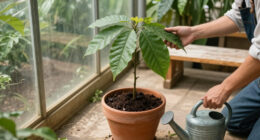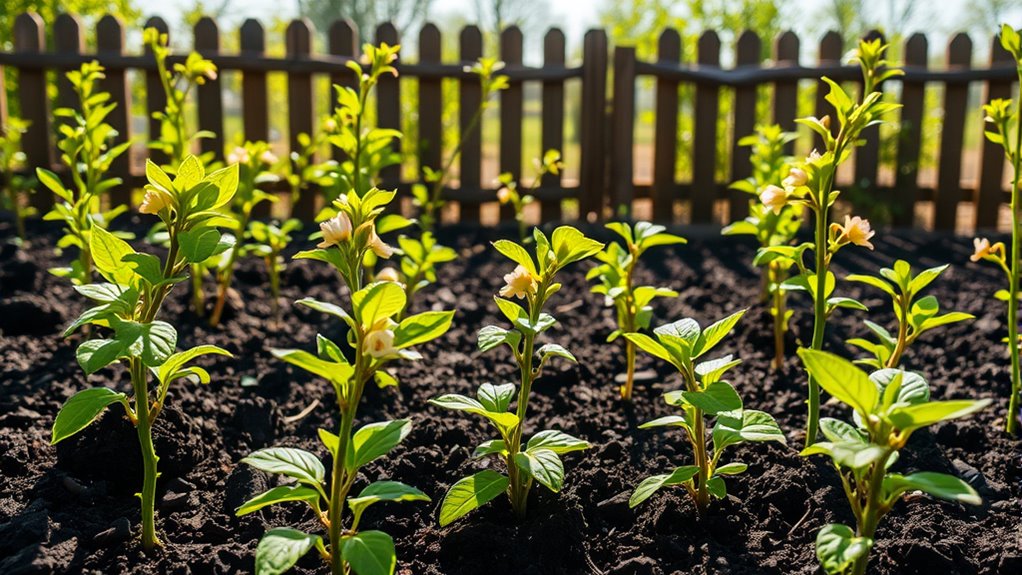
Planning arbor day plantings involves choosing trees that will thrive in your environment while making a meaningful impact. The Ann Magnolia Tree stands out for its vibrant purple-red blooms and compact size, perfect for smaller spaces. The Giant Sequoia Small Tree Seedling offers impressive longevity and grandeur, ideal for those seeking a lasting legacy. However, tradeoffs include size, maintenance needs, and environmental adaptability. Keep reading for a detailed breakdown of the best options, their strengths, and limitations to help you make an informed choice.

Get garden gear delivered free with Prime
- Fast, free delivery on millions of items
- Prime Video, Amazon Music and more included
- Member-only deals all year
Complete the kit


Key Takeaways
- The top picks balance size, growth rate, and environmental suitability for different planting contexts.
- Many of the best options are fast-growing but require careful site selection to avoid future issues.
- Seedlings and young trees differ significantly in cost, growth potential, and long-term care needs.
- Premium options like Giant Sequoia offer remarkable impact but demand more space and patience.
- The best value choices deliver healthy, attractive trees without excessive cost or complexity.
| Ann Magnolia Tree, 1 Gallon Potted, Compact Purple-Red Blooms |  | Best for Small Gardens and Urban Spaces | Bloom Color: Purple-Red | Bloom Time: Mid to late March | Container Size: 1 gallon | VIEW ON AMAZON | See Our Full Breakdown |
| Now Is the Time for Trees: Make an Impact by Planting the Earth’s Most Valuable Resource | 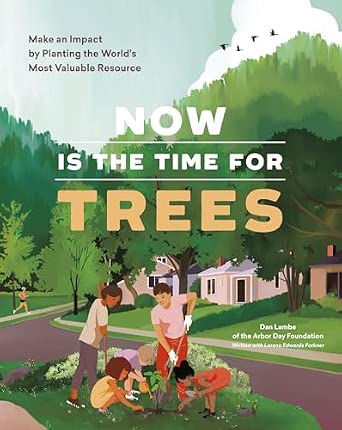 | Best for Educational and Community Engagement | VIEW ON AMAZON | See Our Full Breakdown | |||
| Giant Sequoia Small Tree Seedling |  | Best for Large-Scale Landscape Impact | Usage: Outdoor | Expected Blooming Period: Summer, Winter | Sunlight Exposure: Full Sun | VIEW ON AMAZON | See Our Full Breakdown |
| Giant Sequoia XL Tree Seedling |  | Best for Larger-Scale, Long-Term Growth | Age: Approximately 3 years | Container Size: 3-gallon | Expected Height: 300 feet | VIEW ON AMAZON | See Our Full Breakdown |
| Sugar Pine Small Tree Seedling |  | Best for Natural Windbreaks and Wildlife Habitat | Tree Species: Pinus lambertiana | Seedling Type: Small Tree Seedling | Origin: California’s Redwood Coast | VIEW ON AMAZON | See Our Full Breakdown |
| Weeping Willow Tree, 1 Gallon Potted, Fast-Growing Shade Tree |  | Best for Rapid Shade and Moisture-Rich Soils | Size: 1 Gallon Potted | Growth Rate: Fast-growing | Ideal Conditions: Moist areas, wet or soggy soils | VIEW ON AMAZON | See Our Full Breakdown |
| Red Maple Tree, 1 Gallon Nursery Pot, Fast Growing Shade Tree with Fall Color |  | Best for Vibrant Autumn Color and Cold Tolerance | Foliage Color: Red or Yellow | Established Height: 1-2 feet | Potential Height: 40-60 feet | VIEW ON AMAZON | See Our Full Breakdown |
| Tuliptree, 1 Gallon Live Nursery Pot, Fast-Growing Flowering Shade Tree |  | Best for Showy Flowers and Supporting Pollinators | Size: 1 Gallon nursery pot | Growth Rate: Fast-growing | Height: 60–90 ft | VIEW ON AMAZON | See Our Full Breakdown |
| Giant Sequoia Tree Seed Grow Kit |  | Best for Educational and Long-Term Growth Projects | Product Dimensions: 2.5 x 2.5 x 5 inches | Item Weight: 3.2 ounces | Manufacturer: The Jonsteen Company | VIEW ON AMAZON | See Our Full Breakdown |
| Giant Sequoia Small Tree Seedling |  | Best for Long-Term Landscape and Environmental Benefits | Indoor Outdoor Usage: Outdoor | Expected Plant Height: 300 feet | Sunlight Exposure: Full Sun | VIEW ON AMAZON | See Our Full Breakdown |
More Details on Our Top Picks
Ann Magnolia Tree, 1 Gallon Potted, Compact Purple-Red Blooms
This Ann Magnolia Tree stands out for its vibrant, tulip-shaped purple-red flowers that bloom mid to late March, making it ideal for limited spaces like patios or small gardens. Compared to larger trees like the Giant Sequoia Small Tree Seedling, this magnolia offers a manageable size, reaching just 1-2 feet, yet still provides striking visual appeal. Its 1-gallon container ensures a strong start, but the blooming window is narrow, limited to early spring, which might be a downside for those seeking year-round interest. Its compact nature makes it perfect for urban planting, but it’s unavailable in some states like California and Arizona due to legal restrictions. Pros include its vibrant appearance, ease of care, and support for sustainability; cons are its limited bloom period and regional availability. This pick makes the most sense for homeowners with small outdoor spaces wanting early spring color without extensive maintenance.
Pros:- Vibrant, tulip-shaped blooms with light fragrance
- Compact size ideal for small gardens and patios
- Arrives in a 1-gallon container for strong establishment
Cons:- Unavailability in California and Arizona due to legal restrictions
- Blooming period limited to mid to late March
Best for: Gardeners with small yards or patios seeking early spring blooms and easy-care trees.
Not ideal for: Those wanting year-round flowering or larger landscape impact, as this tree’s size and bloom window are limited.
- Bloom Color:Purple-Red
- Bloom Time:Mid to late March
- Container Size:1 gallon
- Height:1-2 feet
- Hardiness Zones:4-7
Our verdict“This magnolia is perfect for small space plantings that prioritize early spring color and sustainability initiatives.”
Now Is the Time for Trees: Make an Impact by Planting the Earth’s Most Valuable Resource
This book emphasizes the vital role of trees in fighting climate change and fostering sustainability, making it a valuable resource for environmental advocates. Unlike the seedling options like the Giant Sequoia Small Tree Seedling, which require planting and care, this publication inspires action and awareness without the need for immediate planting. It’s ideal for schools, community groups, or individuals seeking motivation and knowledge rather than technical planting instructions. While it excels at raising awareness, it lacks specific guidance on how to select or care for particular trees, which might limit hands-on application. Pros include its inspiring message, educational value, and ability to motivate collective action; cons are the absence of practical planting details and technical guidance. This makes it best suited for readers eager to understand the importance of trees and motivated to participate in planting efforts, rather than those seeking detailed horticultural advice.
Pros:- Highlights the importance of trees for the environment
- Inspires action towards sustainability
- Educational for all ages
Cons:- No detailed technical information
- Lacks specific planting guidelines
Best for: Environmental educators, community leaders, and individuals looking to boost awareness about tree planting benefits.
Not ideal for: Gardeners seeking technical instructions or specific planting guidance, as the book focuses more on advocacy than practical steps.
Our verdict“This book is a powerful tool for raising awareness and inspiring action on Arbor Day and beyond.”
Giant Sequoia Small Tree Seedling
The Giant Sequoia Small Tree Seedling is suited for those planning a long-term, dramatic landscape feature. With the potential to reach 300 feet in height, it offers unmatched grandeur compared to smaller trees like the Ann Magnolia. Its suitability for USDA zones 6-8 makes it a strong choice for outdoor planting in temperate climates. However, its impressive size also means it requires a very large space and patience; it grows slowly in early years and needs specific soil conditions. The seedling’s size and growth potential make it less suitable for small yards but a perfect choice for expansive parks or natural landscapes. Pros include its impressive growth potential, environmental benefits, and sustainability support; cons are its space requirements, slow early growth, and regional restrictions in some states.
Pros:- Potential to grow up to 300 feet tall
- Suitable for USDA zones 6-8
- Supports environmental sustainability
Cons:- Requires large space for healthy growth
- Growth rate is slow initially
- Limited to specific climates
Best for: Landscapers, parks, or homeowners with ample space seeking a majestic, long-term focal point.
Not ideal for: Urban residents or those with limited space, given its eventual size and care needs.
- Usage:Outdoor
- Expected Blooming Period:Summer, Winter
- Sunlight Exposure:Full Sun
- USDA Hardiness Zone:6 – 8
- Expected Plant Height:300 feet
- Soil Type:Well-draining, slightly acidic
Our verdict“This sequoia seedling is ideal for expansive landscapes where dramatic height and long-term growth are desired.”
Giant Sequoia XL Tree Seedling
The Giant Sequoia XL Tree Seedling is a robust, approximately 3-year-old plant from California’s Redwood Coast, designed for serious landscape projects. Its size and age give it a head start over younger seedlings like the Giant Sequoia Small Tree Seedling, and it includes detailed transplanting and care instructions, making it a solid choice for those committed to long-term planting. While it offers incredible growth potential, reaching 300 feet, it also demands a large space, full sun, and specific soil conditions for healthy development. Its size and growth trajectory mean it’s not suitable for small gardens or impatient gardeners. Pros include its healthy origin, detailed planting instructions, and long-term landscape value; cons are the significant space needed, slow early growth, and climate restrictions.
Pros:- Healthy seed-grown seedling from California’s Redwood Coast
- Includes transplanting and care instructions
- Suitable for outdoor planting in USDA zones 6-8
Cons:- Requires significant space for full growth
- Long time to reach maximum height
- Needs specific soil and sun conditions
Best for: Experienced gardeners or landscape professionals aiming for a majestic, long-term centerpiece.
Not ideal for: Urban or small-space gardeners who cannot accommodate a giant sequoia’s size or long growth period.
- Age:Approximately 3 years
- Container Size:3-gallon
- Expected Height:300 feet
- Sunlight Exposure:Full Sun
- Soil Type:Well-draining, slightly acidic
- Watering Needs:Moderate
Our verdict“This seedling is best for those prepared for a long-term commitment to a towering landscape feature.”
Sugar Pine Small Tree Seedling
The Sugar Pine Small Tree Seedling offers a chance to grow California’s tallest pine, known for its long cones and environmental benefits. Compared to the Giant Sequoia options, this pine emphasizes natural windbreaks and local biodiversity. Its suitability for planting as part of wildlife corridors or air-quality initiatives makes it a strategic choice for eco-conscious plantings. However, like other large trees, it requires proper care and planting to thrive. It’s not ideal for small yards or impatient gardeners, as growth takes time and requires specific conditions. Pros include supporting growth of a majestic pine, environmental benefits, and inclusion of planting instructions; cons are the need for proper planting care and patience for maturity.
Pros:- Supports growth of the tallest pine species
- Provides natural windbreak and environmental benefits
- Includes transplanting and care instructions
Cons:- Requires proper planting and care for healthy growth
- Growth is slow and depends on proper conditions
Best for: Wildlife enthusiasts, conservation-minded homeowners, or those planting large natural windbreaks.
Not ideal for: Urban gardeners or those expecting quick results, since the seedling needs time and proper care to reach full potential.
- Tree Species:Pinus lambertiana
- Seedling Type:Small Tree Seedling
- Origin:California’s Redwood Coast
Our verdict“This seedling is an excellent choice for eco-focused plantings where long-term growth and wildlife benefits matter most.”
Weeping Willow Tree, 1 Gallon Potted, Fast-Growing Shade Tree
This weeping willow stands out for its exceptional growth speed, offering quick shade establishment compared to slower-growing options like the Giant Sequoia seedling. Its ready-to-plant 1-gallon size makes immediate landscape impact feasible, especially in wetlands or moist soils. However, its requirement for consistently wet conditions limits placement flexibility, and it isn’t available in CA, CT, or AZ due to legal restrictions. Compared with the Red Maple, it provides faster canopy development but demands more water management. This pick is ideal for those wanting instant shade in wet areas but unsuitable for drought-prone or legally restricted zones.
Pros:- Rapid growth provides shade within a few years
- Arrives with established roots for quick planting
- Suitable for moist and soggy soils
Cons:- Requires consistently wet or soggy soil conditions
- Unavailable in certain states due to legal restrictions
Best for: Homeowners seeking quick shade in moist or wet soils with no legal planting restrictions
Not ideal for: Drought-prone regions or gardeners in CA, CT, or AZ who cannot plant in wet soils
- Size:1 Gallon Potted
- Growth Rate:Fast-growing
- Ideal Conditions:Moist areas, wet or soggy soils
- Hardiness Zones:6–8
Our verdict“This tree is best for those needing fast shade in wet environments and willing to manage water needs.”
Red Maple Tree, 1 Gallon Nursery Pot, Fast Growing Shade Tree with Fall Color
The Red Maple offers a compelling combination of rapid growth and spectacular fall foliage, making it a favorite for creating seasonal interest. Unlike the Weeping Willow, it adapts to a wider range of climates, from zones 3 to 9, and reaches a substantial height of up to 60 feet, providing long-term privacy and shade. Its vivid red or yellow leaves enhance landscape aesthetics significantly. Nonetheless, like the willow, it’s unavailable in CA and AZ, which may limit planting options for some. Compared to the Tuliptree, it emphasizes fall beauty over flowering display but provides similar quick growth benefits. This choice suits those wanting a hardy, colorful tree that matures into a sizable shade provider, but not for those in restricted states.
Pros:- Vivid fall foliage adds seasonal vibrancy
- Fast-growing for quick shade and privacy
- Cold-hardy and heat-tolerant for diverse zones
- Delivered in a 1-gallon container for easy planting
Cons:- Unavailable in California and Arizona
- Potentially large size requiring space and future maintenance
Best for: Gardeners seeking fast-growing shade trees with striking fall color across diverse climates
Not ideal for: Residents in CA or AZ unable to plant due to agricultural restrictions or seeking flowering displays over fall color
- Foliage Color:Red or Yellow
- Established Height:1-2 feet
- Potential Height:40-60 feet
- Spread:30-50 feet
- Container Size:1 gallon
- Hardiness Zones:3-9
Our verdict“Ideal for those wanting a durable, colorful shade tree that adapts to a range of climates, excluding CA and AZ.”
Tuliptree, 1 Gallon Live Nursery Pot, Fast-Growing Flowering Shade Tree
The Tuliptree makes a strong statement with its bright yellow fall foliage and large tulip-shaped flowers, attracting pollinators like bees, butterflies, and hummingbirds. Its rapid growth allows it to reach impressive heights of 60–90 feet, surpassing the Red Maple and Weeping Willow in ultimate size, but this also means it requires ample space and considerations for mature size. Unlike the Sequoia seedlings, it offers immediate visual impact and wildlife benefits. However, its large mature size and need for full sun mean it’s less suitable for small yards or shaded areas. This tree is suited for those wanting a striking, wildlife-friendly addition to a large landscape, but it’s not ideal where space or full sun are limited.
Pros:- Vibrant fall foliage and attractive flowers
- Supports local pollinators and wildlife
- Fast-growing for quick landscape impact
- Adds visual interest with seasonal color
Cons:- Requires significant space at maturity
- Needs full sun for optimal growth
Best for: Landscapers or homeowners with large properties aiming for a show-stopping flowering shade tree
Not ideal for: Small yards or shaded gardens where space and sun exposure are constrained
- Size:1 Gallon nursery pot
- Growth Rate:Fast-growing
- Height:60–90 ft
- Spread:30–50 ft
- USDA Zones:4–9
- Soil Type:Loamy to acidic, well-drained
- Sun Exposure:Full sun
Our verdict“Best for large landscapes where a flowering, wildlife-friendly tree can thrive and make a bold statement.”
Giant Sequoia Tree Seed Grow Kit
This grow kit offers a hands-on experience with the iconic Giant Sequoia, perfect for beginners and educational settings. While it’s not a landscape planting, it provides a meaningful symbol of growth and longevity. Compared with planting a seedling like the Giant Sequoia Small Tree Seedling, it’s more interactive and educational, though less immediate in landscape impact. The kit’s inclusion of all essentials simplifies starting from seed, but it’s limited to germinating only one seed at a time, and growth will take decades before a tree reaches significant size. This makes it ideal for those interested in learning about tree growth or giving a symbolic gift, rather than immediate landscape enhancement.
Pros:- Complete kit with seeds, medium, and mini-greenhouse
- Suitable for all skill levels
- Germination guaranteed or free replacement
- Great for educational purposes
Cons:- Limited to a single seed, slow to mature
- Small size initially requires careful handling
Best for: Educators, students, or nature enthusiasts interested in long-term growth and environmental education
Not ideal for: Homeowners seeking instant shade or landscape coverage, or those with limited patience for long-term projects
- Product Dimensions:2.5 x 2.5 x 5 inches
- Item Weight:3.2 ounces
- Manufacturer:The Jonsteen Company
- ASIN:B019J9KMS2
Our verdict“This kit is perfect for educational projects and patience-driven gardeners interested in long-term growth rather than immediate landscape impact.”
Giant Sequoia Small Tree Seedling
The Giant Sequoia seedling offers a rare opportunity to plant one of the world’s largest trees, with the potential to reach 300 feet in height. It’s an excellent choice for those with ample space and patience, especially compared to the smaller seed grow kit, which is more educational than landscape-ready. This seedling is grown naturally on California’s Redwood Coast, ensuring healthy development, but its slow initial growth means it won’t provide immediate shade or impact. It’s best suited for long-term projects focused on environmental benefits, windbreaks, or creating a future majestic landscape. Keep in mind, its size and growth potential mean it’s only suitable for zones 6–8 and requires a commitment to care over decades.
Pros:- Grows into a monumental, iconic tree
- Provides environmental benefits like windbreaks
- Includes transplanting and care instructions
- Grows naturally in optimal conditions for sequoias
Cons:- Requires decades to reach full size
- Needs ample space and long-term commitment
- Limited to USDA zones 6–8
Best for: Landowners with large spaces seeking a future monumental tree and environmental benefits
Not ideal for: Urban gardens or smaller properties lacking space and long-term planting patience
- Indoor Outdoor Usage:Outdoor
- Expected Plant Height:300 feet
- Sunlight Exposure:Full Sun
- USDA Hardiness Zone:6–8
- Moisture Needs:Moderate Watering
- Soil Type:Well-draining, slightly acidic
Our verdict“Best for those planning a long-term landscape project with space and patience for a future giant sequoia.”

How We Picked
Our evaluation focused on trees’ adaptability to various climates, growth speed, ease of planting, and long-term resilience. We considered the quality of nursery stock, customer reviews, and overall value. Trees that require minimal maintenance and offer visible impact in the shortest time ranked higher. The list emphasizes options suitable for a range of spaces, from small yards to large landscapes, ensuring broad relevance. The ranking reflects a combination of growth performance, durability, and planting ease, helping readers select the best fit for their goals and site conditions.Factors to Consider When Choosing Arbor Day Plantings
Choosing the right arbor day plantings involves understanding your specific landscape, climate, and long-term goals. Beyond selecting a visually appealing tree, consider how much space it needs, its growth rate, and maintenance requirements. Proper site preparation and understanding the mature size of the tree prevent future issues. Cost and availability also influence your decision, especially when comparing seedlings versus mature trees. Being aware of these broader factors helps ensure your planting efforts succeed and provide lasting benefits.Tree Size and Growth Rate
Consider how much space you have and how quickly you want to see results. Fast-growing trees like Red Maple or Weeping Willow offer quick shade and visual impact but may require more frequent pruning and management. Larger, slow-growing species like Giant Sequoia provide a dramatic, long-lasting presence but take decades to reach maturity. Matching the tree size and growth rate to your landscape and maintenance capacity is key to a successful planting.
Climate and Soil Compatibility
Not all trees thrive in every environment. Check your USDA hardiness zone and soil type before selecting a species. For example, Sequoias prefer well-drained, slightly acidic soils, while Willows do well in wetter areas. Planting a tree ill-suited to your climate can lead to poor growth or early decline. Consulting local nurseries or extension services can help you identify the best options for your region.
Long-Term Maintenance and Care
Some trees require regular pruning, watering, or pest control, while others are more self-sufficient. Consider your available time and resources. For instance, Magnolia trees need minimal pruning but may need protection from cold in cooler climates. Conversely, fast-growing trees may need staking or thinning to prevent damage. Planning for ongoing care ensures your trees remain healthy and vibrant for decades.
Cost and Availability
Seedlings tend to be more affordable and readily available, making them a popular choice for large-scale planting. Mature or specialty trees, like giant sequoias, come at a premium but offer immediate impact and long-term grandeur. Evaluate your budget and timeline when choosing. Buying from reputable nurseries also reduces the risk of poor-quality stock that may struggle or die early.
Environmental and Site Considerations
Before planting, assess site conditions such as sunlight exposure, wind, and nearby structures. Some species, like willows, prefer moist soils, while others, like maples, thrive in full sun. Avoid planting trees too close to foundations, underground utilities, or overhead wires. Proper site selection minimizes future problems and maximizes the environmental benefits of your plantings.
Frequently Asked Questions
How do I choose the right tree size for my yard?
Start by measuring the available space and considering the tree’s mature size. Small or medium-sized trees like the Ann Magnolia or Red Maple are ideal for limited spaces and provide quick color and shade. Larger species like giant sequoias are better suited for open areas with ample room to grow. Always check the expected height and spread to ensure the tree will fit comfortably long-term.
Are seedling trees a good choice for quick impact?
Seedling trees, such as young sequoias or pines, are generally more affordable and easier to source, making them suitable for larger projects or those on a budget. However, they take many years to reach full size, so if immediate impact is desired, purchasing a more mature tree might be better. Seedlings do require patience and proper care to ensure healthy growth over the years.
What should I consider when planting a tree in a small yard?
Focus on species with a manageable mature size and fast growth for quick results without overwhelming your space. Compact varieties or dwarf selections can provide the desired aesthetic without crowding. Placement is crucial—avoid planting too close to structures or underground utilities. Proper planning ensures your tree remains an asset, not a liability.
How important is soil preparation before planting?
Soil quality significantly influences tree health and growth. Conduct a soil test to determine pH and nutrient levels, and amend as necessary. Well-prepared soil with good drainage promotes root development and reduces stress. Proper planting depth and mulching also protect young trees and encourage vigorous growth, making long-term success more likely.
When is the best time to plant arbor day trees?
The ideal planting time is during the dormant season, typically in early spring or late fall, depending on your climate. Planting during dormancy minimizes stress and allows roots to establish before the growing season. Avoid planting in extreme heat or cold, as these conditions can hinder establishment. Proper timing improves survival rates and sets the stage for healthy growth.
Conclusion
For those seeking a reliable, all-around performer, the Ann Magnolia Tree offers vibrant blooms and manageable size, making it the best overall choice. If budget is a priority, seedlings like the Giant Sequoia Small Tree Seedling or Red Maple deliver value without sacrificing long-term appeal. Gardeners new to planting will appreciate the Weeping Willow for its fast growth and ease of care. For those aiming for a dramatic, long-lasting statement, the Giant Sequoia XL Tree Seedling provides impressive scale, albeit with a longer wait. Your choice should align with your site conditions, budget, and long-term goals—these options cover a broad spectrum to help you make an informed decision for Arbor Day 2026.
Fall yard work Picks

Greenworks 40V Cordless Leaf Blower/Vacuum with 5.0 Ah Battery and Charger
As an affiliate, we earn on qualifying purchases.