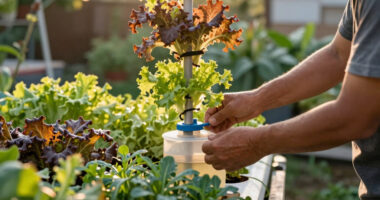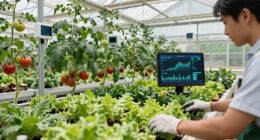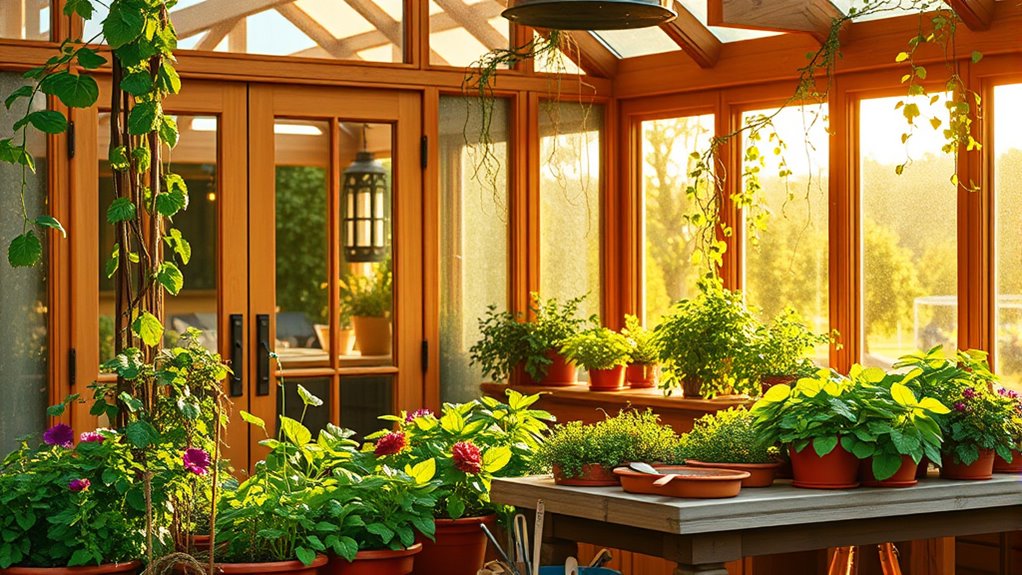
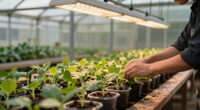
When exploring attached greenhouse designs, the focus often falls on how seamlessly a structure integrates with your home, the ease of construction, and the ability to grow year-round. The best overall pick, the Dream Greenhouse for Beginners, offers a great balance of affordability and functionality. Meanwhile, the Biodome Garden Book stands out for its innovative no-ventilation design, ideal for low-maintenance setups. Each option presents tradeoffs between complexity, cost, and versatility. Keep reading to see a detailed comparison of the top choices and find the best fit for your gardening goals.

Get garden gear delivered free — and shop member deals
- Fast, free delivery on millions of items
- Access to Prime Big Deal Days deals on October 6–7
- Prime Video, Amazon Music and more included
Complete the kit


Key Takeaways
- Top-ranked designs balance durability with ease of assembly, making them accessible for a range of DIY skill levels.
- Most high-performing options incorporate energy-efficient features, which can significantly reduce long-term operating costs.
- Designs that integrate better with existing structures tend to be more space-efficient but may require more complex construction.
- Tradeoffs often involve choosing between cost-effective DIY plans and premium designs with advanced features.
- Greenhouse styles vary widely—from simple frames to elaborate biodome systems—so matching design to your growing needs is key.
| Greenhouse: An Introduction to Greenhouses, How to Design It, and Growing Fruit and Vegetables All Seasons |  | Best for Beginners and Enthusiasts Starting Out | Intended Audience: Beginners and hobby gardeners | Focus: Year-round fruit and vegetable growing | Content Type: Introductory guide | VIEW ON AMAZON | See Our Full Breakdown |
| Greenhouse Types, Designs, and Energy Management |  | Best for Sustainable and Energy-Efficient Greenhouse Planning | Coverage: Design types and energy strategies | Focus: Sustainability and efficiency | Intended Audience: Growers interested in environmental control | VIEW ON AMAZON | See Our Full Breakdown |
| DIY Barn Style Greenhouse: Step-by-Step Building Plans for a Practical Backyard Greenhouse |  | Best for DIY Enthusiasts Seeking Practical Building Plans | Design Style: Barn-style | Audience: DIY garden builders | Skill Level: Basic carpentry skills required | VIEW ON AMAZON | See Our Full Breakdown |
| Building Your Own Greenhouse |  | Best for Both Beginners and Experienced DIYers | Coverage: Design, construction techniques | Skill Level: Beginner to experienced | Instructions: Detailed, step-by-step | VIEW ON AMAZON | See Our Full Breakdown |
| 6×12 DIY Greenhouse Plans: Step-by-Step Guide with 3D Illustrations, Blueprints, Material Lists, and Cut Lists |  | Best for Precise, Detailed Construction of a Specific Size | Size: 6×12 feet | Contents: Blueprints, 3D illustrations, material lists | Skill Level: Basic DIY skills required | VIEW ON AMAZON | See Our Full Breakdown |
| Dream Greenhouse for Beginners: Build, Operate, and Garden in Your Backyard |  | Best for Novice Gardeners Looking for a Practical Start | Target Audience: Beginners and backyard gardeners | Focus: Building and operating simple greenhouses | Content Type: Practical guide with tips | VIEW ON AMAZON | See Our Full Breakdown |
| Home Expert Guide to DIY Greenhouse Construction: Design, Build, and Maintain Your Perfect Growing Area |  | Best for DIY Enthusiasts Seeking Comprehensive Design and Maintenance Tips | Coverage: Design, construction, maintenance | Audience: DIY enthusiasts with some gardening experience | Level: Intermediate to advanced | VIEW ON AMAZON | See Our Full Breakdown |
| How to Build a Greenhouse |  | Best for DIYers Looking for Step-by-Step Construction Guidance | Approach: Step-by-step instructions | Target Audience: DIY hobbyists | Content Depth: Construction and maintenance | VIEW ON AMAZON | See Our Full Breakdown |
| Greenhouse Gardening Handbook for Beginners |  | Best for Budget-Conscious Gardeners New to Greenhouse Growing | Focus: Budget-friendly and organic gardening | Target Audience: Beginners seeking cost-effective solutions | Design Details: Simple plans, climate tips | VIEW ON AMAZON | See Our Full Breakdown |
| How to Build Your Own Greenhouse: Designs and Plans to Meet Your Growing Needs |  | Best for Customization and Detailed Plans for All Skill Levels | Design Flexibility: High, multiple plans | Target Audience: DIYers seeking customization | Technical Detail: Design-focused, no material specs | VIEW ON AMAZON | See Our Full Breakdown |
| Step by Step Greenhouse Gardening for Beginners |  | Best for Novice Gardeners Seeking Simple Guidance | Target Audience: Beginners | Content Focus: DIY setup, eco-friendly practices | Seasonal Use: Applicable year-round | VIEW ON AMAZON | See Our Full Breakdown |
| The Biodome Garden Book: The Only Greenhouse Design That Needs No Electrical Ventilation or Humidifying System |  | Best for Eco-Conscious Gardeners Interested in Low-Maintenance Design | Design Focus: Passive biodome | Electrical Systems: None required | Maintenance: Low | VIEW ON AMAZON | See Our Full Breakdown |
| All-Season Greenhouse Gardening Made Easy: Step-by-Step Guide to Build Your Own Greenhouse and Grow Organic Crops and Blooms Anytime |  | Best for Serious Gardeners Wanting Year-Round Productivity | Target Audience: Experienced gardeners | Seasonal Use: All-year | Growth Focus: Organic crops and blooms | VIEW ON AMAZON | See Our Full Breakdown |
More Details on Our Top Picks
Greenhouse: An Introduction to Greenhouses, How to Design It, and Growing Fruit and Vegetables All Seasons
This book serves as an accessible entry point into greenhouse design, especially for those new to gardening or greenhouse setup. Unlike more technical guides like Building Your Own Greenhouse, it emphasizes fundamental principles and year-round growing tips without overwhelming with complex specifications. While it lacks detailed technical data or specific model recommendations, it fills a niche for hobbyists eager to understand the basics of creating a productive environment. Its focus on seasonal growth makes it ideal for amateurs rather than advanced growers seeking in-depth technical or energy management strategies.
Pros:- Accessible introduction for beginners
- Focus on year-round growing techniques
- Covers fundamental greenhouse design principles
Cons:- Lacks detailed technical specifications
- No specific greenhouse models or material details
- Limited content on advanced techniques
Best for: Beginners, hobby gardeners, and those interested in basic greenhouse concepts
Not ideal for: Experienced greenhouse builders or those needing detailed technical specs and advanced techniques
- Intended Audience:Beginners and hobby gardeners
- Focus:Year-round fruit and vegetable growing
- Content Type:Introductory guide
- Technical Detail:Basic design principles only
- Coverage:Fundamentals, not advanced techniques
- Use Case:Basic greenhouse planning
Our verdict“This book makes the most sense for newcomers seeking a clear, straightforward guide to greenhouse basics and seasonal gardening.”
Greenhouse Types, Designs, and Energy Management
This book stands out for its comprehensive exploration of different greenhouse types and practical energy management strategies, making it ideal for those looking to optimize sustainability. Compared with Building Your Own Greenhouse, which focuses more on construction techniques, this title emphasizes environmental controls and design considerations that improve efficiency and plant health. While it offers valuable insights into different models and energy solutions, it doesn’t provide detailed technical specs or pricing data, limiting its usefulness for those seeking specific build instructions. It’s best suited for growers who want to understand the broader environmental context of their greenhouse design.
Pros:- In-depth coverage of greenhouse types and designs
- Practical energy management advice
- Focus on sustainability and efficiency
Cons:- Lacks detailed technical specifications
- No pricing or customer ratings provided
- Less focused on construction details
Best for: Sustainable growers and those interested in energy-efficient greenhouse systems
Not ideal for: DIYers seeking step-by-step construction plans or detailed building instructions
- Coverage:Design types and energy strategies
- Focus:Sustainability and efficiency
- Intended Audience:Growers interested in environmental control
- Technical Detail:Design principles and energy management
- Use Case:Optimizing greenhouse operation
- Limitations:No specific build instructions
Our verdict“This book is perfect for growers aiming to design energy-efficient greenhouses rather than detailed DIY building projects.”
DIY Barn Style Greenhouse: Step-by-Step Building Plans for a Practical Backyard Greenhouse
This book provides detailed, step-by-step instructions for constructing a barn-style greenhouse, making it ideal for DIYers who enjoy hands-on projects. Unlike Building Your Own Greenhouse, which offers a broader overview, this guide focuses on a specific style with practical plans. It’s particularly suitable for those with basic carpentry skills, but it doesn’t specify materials or sizes, which could be a challenge for beginners lacking experience. Its practical focus makes it ideal for hobby gardeners who want a functional, rustic greenhouse built by their own hands, despite the need for some basic building skills.
Pros:- Clear, step-by-step building instructions
- Practical barn-style design
- Ideal for DIY outdoor projects
Cons:- No specific material or size details provided
- Requires basic carpentry skills
- No reviews or ratings available
Best for: DIY gardeners eager to build a barn-style greenhouse in their backyard
Not ideal for: Complete novices with no carpentry experience or those seeking detailed material lists
- Design Style:Barn-style
- Audience:DIY garden builders
- Skill Level:Basic carpentry skills required
- Instructions:Step-by-step
- Material Details:Not specified
- Size Info:Not provided
Our verdict“This pick best suits DIYers with some carpentry experience looking for practical, easy-to-follow greenhouse plans.”
Building Your Own Greenhouse
This comprehensive guide covers the essentials of designing and constructing a greenhouse, making it suitable for both beginners and seasoned DIY enthusiasts. Compared with 6×12 DIY Greenhouse Plans that provides specific blueprints, this book offers broader techniques and tips applicable to various sizes and styles. However, it doesn’t specify particular materials or tools, which might leave some readers needing to research further. The detailed instructions and wide coverage make it a flexible resource for those wanting to customize their greenhouse project, though it may require some additional planning to select suitable materials.
Pros:- Detailed step-by-step instructions
- Suitable for all skill levels
- Covers a wide range of techniques and tips
Cons:- No specific product features or materials listed
- Limited information on included accessories
- Requires additional material planning
Best for: DIYers at any skill level seeking a flexible, detailed guide to greenhouse construction
Not ideal for: Those looking for quick, specific blueprints or detailed material lists
- Coverage:Design, construction techniques
- Skill Level:Beginner to experienced
- Instructions:Detailed, step-by-step
- Material Info:General guidance, no specifics
- Customization:Flexible
- Design Scope:Various sizes and styles
Our verdict“This guide is best for DIYers wanting a versatile, comprehensive resource to tailor their greenhouse build to their needs.”
6×12 DIY Greenhouse Plans: Step-by-Step Guide with 3D Illustrations, Blueprints, Material Lists, and Cut Lists
This guide excels for DIYers who want formal blueprints, 3D visuals, and detailed material and cut lists for a 6×12 greenhouse. Unlike Building Your Own Greenhouse, which offers a broad overview, this book provides exact plans and illustrations that simplify the building process. However, it doesn’t specify particular materials or tools, which means builders must have some DIY experience to adapt the plans effectively. It’s best for those comfortable with following detailed instructions and seeking a clear, structured approach for a specific project size.
Pros:- Includes detailed blueprints and 3D illustrations
- Step-by-step instructions for a specific size
- Comprehensive material and cut lists
Cons:- No specific material or tool recommendations
- Requires basic DIY skills and tools
- Limited flexibility for different sizes or styles
Best for: DIY enthusiasts focused on building a precise 6×12 greenhouse with detailed plans
Not ideal for: Complete beginners without basic DIY skills or those wanting a more flexible design approach
- Size:6×12 feet
- Contents:Blueprints, 3D illustrations, material lists
- Skill Level:Basic DIY skills required
- Design Specificity:Exact project plans
- Guidance Type:Step-by-step with visuals
- Flexibility:Limited to one size
Our verdict“This plan is ideal for experienced DIYers aiming to construct a precise 6×12 greenhouse with detailed guidance.”
Dream Greenhouse for Beginners: Build, Operate, and Garden in Your Backyard
This guide stands out for its thorough focus on helping absolute beginners get started with greenhouse gardening. Unlike more technical books like How to Build a Greenhouse, it emphasizes practical, easy-to-follow advice for setting up and maintaining a functional space without overwhelming with complex specifications. While it excels in accessibility and encourages year-round gardening, its lack of detailed technical data might leave advanced gardeners wanting more precision. The content is ideal for those new to greenhouses who want a straightforward resource, but it may fall short for experienced DIYers seeking in-depth construction details.
Pros:- Comprehensive beginner-friendly guidance
- Focus on year-round gardening success
- Practical tips for building and operating greenhouses
Cons:- Limited technical specifications or advanced details
- Content may be too basic for experienced gardeners
Best for: Beginners or hobbyists seeking an accessible, step-by-step introduction to backyard greenhouse gardening.
Not ideal for: Experienced DIYers or those needing detailed technical specifications for custom greenhouse projects.
- Target Audience:Beginners and backyard gardeners
- Focus:Building and operating simple greenhouses
- Content Type:Practical guide with tips
- Coverage:Year-round gardening
- Complexity:Beginner level
- Design Details:Basic concepts, no technical schematics
Our verdict“This book is well-suited for newcomers eager to start simple greenhouse gardening projects without technical complexity.”
Home Expert Guide to DIY Greenhouse Construction: Design, Build, and Maintain Your Perfect Growing Area
This guide offers a detailed roadmap for designing, building, and maintaining a greenhouse, making it a solid choice for those who want more than just basic instructions. Compared to How to Build a Greenhouse, it provides broader coverage on maintenance and environmental management, which is ideal for DIYers committed to long-term success. However, the lack of specific technical data or material lists might hinder those who prefer a more technical or materials-focused approach. This book makes the most sense for dedicated hobbyists who want a well-rounded understanding of greenhouse care, but less so for absolute beginners or those requiring detailed schematics.
Pros:- Comprehensive coverage of design, build, and upkeep
- Helpful for long-term greenhouse management
- Suitable for motivated DIYers
Cons:- No specific technical or material details included
- Limited guidance for complete novices
Best for: DIY gardeners ready to take on both construction and ongoing maintenance of their greenhouse.
Not ideal for: Beginners with no prior experience or those needing step-by-step construction instructions with detailed parts lists.
- Coverage:Design, construction, maintenance
- Audience:DIY enthusiasts with some gardening experience
- Level:Intermediate to advanced
- Technical Data:Limited; focus on general principles
- Support:Maintenance and environmental control tips
- Design Approach:Flexible, emphasis on long-term care
Our verdict“This guide is perfect for DIYers seeking a complete understanding of how to create and sustain a greenhouse, beyond just the build process.”
How to Build a Greenhouse
This book excels in providing detailed, step-by-step instructions on building a greenhouse, making it a go-to resource for DIY hobbyists. Unlike Dream Greenhouse for Beginners, which is more general, this title dives into materials, design tips, and maintenance specifics that help users effectively translate plans into reality. Its main tradeoff is the absence of technical schematics or detailed product specs, which can limit advanced builders seeking precise measurements or material recommendations. Overall, this pick makes the most sense for hobbyists who want a clear construction path but don’t need exhaustive technical data.
Pros:- Clear, detailed construction guidance
- Suitable for DIY hobbyists
- Includes maintenance advice
Cons:- Lacks specific product features or detailed material lists
- No advanced technical schematics
Best for: DIY enthusiasts wanting straightforward, detailed building instructions for a backyard greenhouse.
Not ideal for: Advanced builders seeking detailed engineering plans or technical specifications for custom structures.
- Approach:Step-by-step instructions
- Target Audience:DIY hobbyists
- Content Depth:Construction and maintenance
- Technical Detail:Basic, no advanced schematics
- Material Guidance:General advice, no specific product info
- Design Focus:Practical, hands-on
Our verdict“This book is ideal for hobbyists who want a straightforward, step-by-step approach to greenhouse construction without requiring technical schematics.”
Greenhouse Gardening Handbook for Beginners
This handbook offers practical, budget-friendly plans and climate control tips tailored for newcomers. It emphasizes organic pest control and time-saving techniques, which make it appealing for those starting out without a large investment. Compared with Dream Greenhouse for Beginners, it leans more into organic gardening and affordability, but it provides less detailed technical information or specific greenhouse sizes. It’s a solid choice for budget-conscious gardeners eager to achieve year-round success, though those seeking detailed specifications or larger structures may find it limiting.
Pros:- Budget-friendly building plans
- Includes organic pest control solutions
- Focus on simple climate management
Cons:- Lacks detailed technical specifications
- No info on greenhouse size or materials
Best for: Beginners on a budget who want practical, organic gardening methods and simple greenhouse plans.
Not ideal for: Experienced gardeners or those needing detailed technical or size specifications for larger projects.
- Focus:Budget-friendly and organic gardening
- Target Audience:Beginners seeking cost-effective solutions
- Design Details:Simple plans, climate tips
- Technical Data:Limited
- Size & Materials:Not specified
- Approach:Practical and organic
Our verdict“This guide offers practical, affordable advice for new gardeners focused on organic methods and simple greenhouse setups.”
How to Build Your Own Greenhouse: Designs and Plans to Meet Your Growing Needs
This book provides extensive designs and plans to tailor a greenhouse to specific needs, making it ideal for DIYers eager to customize their space. Unlike Dream Greenhouse for Beginners, which targets novice gardeners with basic guidance, this resource appeals to those who want detailed plans for varying sizes and configurations. The tradeoff is the absence of specific product features or material lists, which means users may need to source additional information elsewhere. It’s best suited for DIYers who value flexibility and detailed planning over ready-made instructions or technical specifications.
Pros:- Extensive plans for various greenhouse designs
- Highly customizable to meet specific needs
- Practical guidance for DIY builders
Cons:- No specific material or product features listed
- Requires additional research for implementation
Best for: DIY gardeners wanting to build a customized greenhouse aligned with specific growing requirements.
Not ideal for: Beginners or those looking for simple, straightforward building guides with minimal customization options.
- Design Flexibility:High, multiple plans
- Target Audience:DIYers seeking customization
- Technical Detail:Design-focused, no material specs
- Size Range:Varies per plan
- Material Guidance:General, source independently
- Construction Approach:Customizable, detailed plans
Our verdict“This book is perfect for DIYers who want detailed plans to create a personalized greenhouse tailored to their gardening goals.”
Step by Step Greenhouse Gardening for Beginners
This guide stands out for its straightforward, beginner-friendly approach to setting up a greenhouse, making it ideal for those new to gardening. Unlike more technical resources like All-Season Greenhouse Gardening Made Easy, which assumes some prior knowledge, this book offers clear, step-by-step instructions that help novices avoid common pitfalls. However, it lacks detailed specifications on materials or equipment, which could leave beginners uncertain about execution. This makes it less suitable for those who prefer a comprehensive, detailed plan with technical details, but perfect for gardeners just starting out and wanting a low-stress introduction to greenhouse gardening.
Pros:- Clear, step-by-step instructions tailored for beginners
- Focus on eco-friendly practices suitable for all seasons
- Encourages sustainable gardening habits
Cons:- Lacks specific details on materials and equipment needed
- No illustrations or diagrams to guide setup
- Limited information on greenhouse dimensions or customization options
Best for: Beginners with limited DIY experience who need simple, easy-to-follow instructions.
Not ideal for: Experienced gardeners or those seeking detailed technical specifications and advanced greenhouse planning.
- Target Audience:Beginners
- Content Focus:DIY setup, eco-friendly practices
- Seasonal Use:Applicable year-round
- Complexity Level:Beginner-friendly
- Illustrations:None
- Materials Needed:Not specified
Our verdict“This guide is best for newcomers wanting a straightforward, eco-conscious introduction to greenhouse gardening without technical complexities.”
The Biodome Garden Book: The Only Greenhouse Design That Needs No Electrical Ventilation or Humidifying System
This book introduces a unique, sustainable biodome greenhouse concept that requires no electrical systems for ventilation or humidification, setting it apart from more conventional designs like the Dream Greenhouse for Beginners. It appeals to gardeners committed to reducing energy use and maintenance, though the lack of electrical systems can make initial setup more complex and potentially intimidating for beginners. Compared to standard attached greenhouse ideas that rely on ventilation fans, this solution offers a low-energy, eco-friendly alternative but demands careful planning and understanding of passive climate control. It’s ideal for those willing to invest effort into a more innovative, environmentally friendly setup.
Pros:- No electrical ventilation or humidifying systems needed
- Highly sustainable and low-maintenance design
- Innovative approach to eco-friendly greenhouse building
Cons:- Potentially complex setup for those unfamiliar with passive climate control
- Limited detailed guidance in the description
- May require advanced planning or consultation for proper implementation
Best for: Eco-minded gardeners interested in sustainable, low-maintenance greenhouse designs without electrical reliance.
Not ideal for: Beginners or those preferring quick, straightforward greenhouse setups with detailed instructions and minimal complexity.
- Design Focus:Passive biodome
- Electrical Systems:None required
- Maintenance:Low
- Sustainability:High
- Setup Complexity:Moderate to advanced
- Ideal For:Eco-friendly, low-energy gardening
Our verdict“This book is best suited for environmentally conscious gardeners ready to embrace an innovative, passive greenhouse design that minimizes energy use.”
All-Season Greenhouse Gardening Made Easy: Step-by-Step Guide to Build Your Own Greenhouse and Grow Organic Crops and Blooms Anytime
This guide makes a strong case for year-round gardening with its detailed, step-by-step instructions for building a durable, all-season greenhouse, making it ideal for those aiming to extend growing seasons and maximize productivity. Unlike the more basic Step by Step Greenhouse Gardening for Beginners, which targets newcomers, this book emphasizes longevity and productivity, including bonus tips for extending harvests. However, it doesn’t specify materials or pricing, which can leave some readers uncertain about costs and logistics. It’s better suited to motivated gardeners ready to invest time and resources into a permanent, high-performing greenhouse setup, rather than casual hobbyists.
Pros:- Clear, step-by-step construction instructions
- Enables year-round growing of crops and flowers
- Includes tips for extending harvests and maximizing output
Cons:- Lacks specific details on materials and costs
- No customer ratings or pricing info available
- Requires a higher level of commitment and planning
Best for: Gardeners committed to year-round organic cultivation looking for detailed building guidance.
Not ideal for: Casual gardeners or those seeking lightweight, temporary greenhouse solutions with minimal technical detail.
- Target Audience:Experienced gardeners
- Seasonal Use:All-year
- Growth Focus:Organic crops and blooms
- Building Details:Step-by-step instructions
- Additional Tips:Harvest extension strategies
- Cost Info:Not specified
Our verdict“This guide is ideal for dedicated gardeners wanting a comprehensive plan to build a durable greenhouse capable of supporting year-round organic gardening.”

How We Picked
The selection process focused on evaluating structural stability, ease of assembly, cost, versatility, and energy efficiency. We prioritized designs that are well-documented, suitable for various skill levels, and capable of supporting year-round gardening. Each product was compared against these criteria to ensure a balanced overview, with special attention paid to how well each design integrates with typical home layouts and their adaptability to different climates. The ranking reflects both practical usability and long-term value, helping buyers find options that meet diverse needs and budgets.Factors to Consider When Choosing Attached Greenhouse Designs
Choosing the right attached greenhouse design depends on several factors beyond just appearance. Considering structural durability, ease of construction, energy efficiency, and integration with your home can save time and money in the long run. Being aware of common pitfalls—such as underestimating foundation needs or ignoring local climate conditions—can help you avoid costly mistakes. Here are key considerations to keep in mind when selecting a design that aligns with your gardening ambitions and home setup.Durability and Materials
Opt for designs that use high-quality, weather-resistant materials like galvanized steel or durable aluminum frames. Cheaper materials may save money initially but often require more maintenance or fail sooner, especially in harsh climates. Consider how well the structure can withstand wind, snow, and rain, as this impacts both safety and longevity.
Ease of Construction
Some designs come with detailed plans and pre-cut materials, making assembly simpler for DIY enthusiasts. Others may require advanced carpentry skills or specialized tools. If you’re a beginner, look for plans with step-by-step instructions or prefabricated components to minimize frustration and errors.
Energy Efficiency
Effective insulation, ventilation options, and glazing materials determine how well your greenhouse retains heat. Designs that incorporate passive solar principles or double-glazing can drastically reduce heating costs, especially in colder climates. Evaluate whether the design supports adding heating or cooling systems for year-round use.
Integration with Home and Space
How well the greenhouse attaches to your house influences convenience and aesthetics. Some designs seamlessly connect via doors or shared walls, saving space and providing easy access. Be mindful of potential structural modifications needed and whether the design complements your existing architecture.
Cost and Long-Term Value
Initial investment varies widely, from simple DIY plans to premium biodome systems. Cheaper options may lack durability or features, leading to higher maintenance costs or replacements. Balance your budget against desired features and how much time you’re willing to invest in upkeep or upgrades.
Frequently Asked Questions
Can I build an attached greenhouse without professional help?
Many attached greenhouse designs are suitable for DIY construction, especially those with detailed plans and prefabricated parts. However, assessing your own carpentry skills, available tools, and time commitment is essential. Some designs may require basic structural modifications to your home, which could necessitate professional assistance to ensure safety and compliance with building codes.
What’s the most cost-effective way to ensure year-round growth?
Choosing a design with good insulation, proper ventilation, and compatibility with heating options is key. Budget-friendly options often focus on simple frame structures with high-quality glazing and passive solar features. Investing in a design that supports supplemental heating or cooling can extend your growing season without drastically increasing upfront costs.
How important is it to match the greenhouse style to my existing home?
Matching the greenhouse design to your home’s architecture can enhance curb appeal and create a cohesive look. It also influences how easily the structure integrates with your existing space, access points, and utility connections. While not strictly necessary, thoughtful integration can make maintenance easier and improve overall aesthetics.
Are biodome or complex designs worth the extra cost?
Biodome and advanced designs often provide better energy efficiency and require less maintenance, but they come at a higher price and complexity. They are ideal for serious gardeners seeking low-maintenance systems or those in challenging climates. For casual or beginner gardeners, simpler designs may deliver sufficient results with less hassle and expense.
What should I prioritize if I have limited space?
In confined areas, opt for compact, space-efficient designs that attach directly to your home without extending too far. Vertical or lean-to styles maximize limited space while still providing ample growing area. Ensure the design allows good airflow and light access despite the constrained footprint.
Conclusion
For those seeking a reliable, all-around solution, the Dream Greenhouse for Beginners offers a balanced mix of affordability, ease of assembly, and year-round potential. If budget is a concern, consider simpler DIY plans like the 6×12 Greenhouse, which can be customized to your needs. For homeowners prioritizing durability and long-term savings, the Biodome Garden Book presents an innovative, low-maintenance option. Beginners or casual gardeners should lean toward straightforward, step-by-step guides, while serious horticulturists might invest in premium biodome or energy-efficient designs for optimal performance.Evergreen bestsellers Picks
bestsellers
As an affiliate, we earn on qualifying purchases.