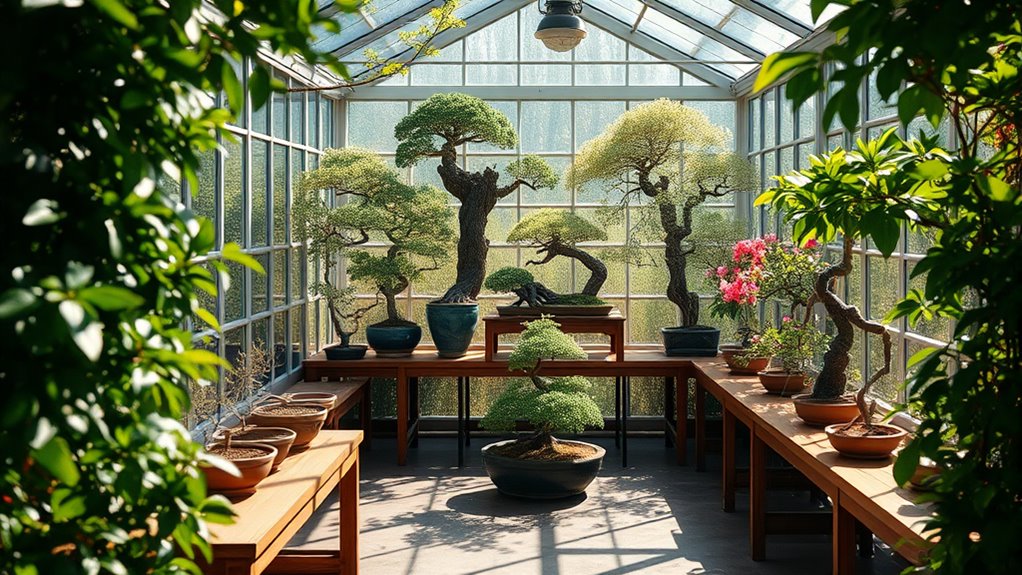

When it comes to showcasing and nurturing bonsai trees, the right greenhouse design can make a significant difference. For 2026, I’ve selected four standout options that cater to different needs, from comprehensive guides to shaping techniques. The Principles of Bonsai Design offers foundational principles suitable for all skill levels, while The Complete Book of Bonsai provides a detailed, practical approach for enthusiasts. The Little Book of Bonsai simplifies care for newcomers, and Bonsai Beyond The Basics emphasizes shaping and confidence. Each comes with its own tradeoffs, so understanding how they differ is key to making the right choice for your bonsai journey.

Get garden gear delivered free — and shop member deals
- Fast, free delivery on millions of items
- Access to Prime Big Deal Days deals on October 6–7
- Prime Video, Amazon Music and more included
Complete the kit


Key Takeaways
- The most comprehensive guide is The Complete Book of Bonsai, ideal for those seeking in-depth techniques.
- Beginners will find The Little Book of Bonsai most approachable due to its simple, clear advice.
- For shaping and artistic refinement, Bonsai Beyond The Basics provides targeted guidance to elevate your bonsai art.
- The Principles of Bonsai Design is versatile, suitable for both novices and seasoned enthusiasts wanting foundational knowledge.
- Tradeoffs include the lack of physical tools and specific product features—these are primarily informational resources.
| Principles of Bonsai Design |  | Best Overall Guide for Foundational Bonsai Design | Author: Unknown | Length: Approx. 200 pages | Format: Paperback | VIEW ON AMAZON | See Our Full Breakdown |
| The Complete Book of Bonsai: A Practical Guide to Its Art and Cultivation | 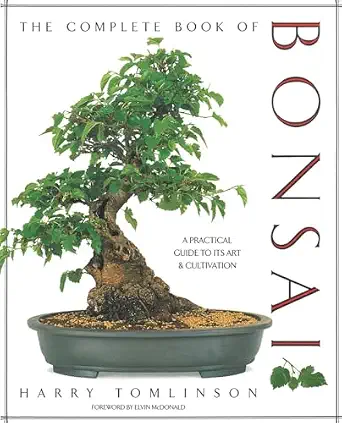 | Most Comprehensive Practical Guide for All Levels | Author: Dan Barton | Length: Approx. 350 pages | Format: Hardcover | VIEW ON AMAZON | See Our Full Breakdown |
| The Little Book of Bonsai: An Easy Guide to Caring for Your Bonsai Tree |  | Best for Beginners in Bonsai Care | Author: Gianfranco Quaglia | Length: Approx. 120 pages | Format: Paperback | VIEW ON AMAZON | See Our Full Breakdown |
| Bonsai Beyond The Basics: Shape with Intention, Grow with Confidence, and Turn Existing Trees into Heirloom Art |  | Best for Artistic Shaping and Confidence Building | Author: Peter Adams | Length: Approx. 180 pages | Format: Paperback | VIEW ON AMAZON | See Our Full Breakdown |
| bonsai greenhouse design | Author | Length | Format | Publication Year |
|---|---|---|---|---|
| Principles of Bonsai Design | Unknown | Approx. 200 pages | Paperback | 2020 |
| The Complete Book of Bonsai: A | Dan Barton | Approx. 350 pages | Hardcover | 2015 |
| The Little Book of Bonsai: An | Gianfranco Quaglia | Approx. 120 pages | Paperback | 2019 |
| Bonsai Beyond The Basics: Shap | Peter Adams | Approx. 180 pages | Paperback | 2023 |
More Details on Our Top Picks
Principles of Bonsai Design
This book stands out for offering a broad overview of bonsai design principles applicable to greenhouse environments. It covers fundamental techniques such as pruning, wiring, and display that are crucial for creating beautiful bonsai showcases. Compared with more specialized guides, it provides a balanced foundation suitable for both beginners and experienced growers seeking to refine their approach. Its advantage lies in its comprehensive coverage, but it doesn’t delve deeply into advanced shaping or specific greenhouse setups, which might leave seasoned enthusiasts wanting more advanced strategies.
Pros:- Clear explanation of basic bonsai principles
- Suitable for all skill levels
- Provides a solid conceptual framework for design
Cons:- Lacks detailed advanced techniques
- No specific information about greenhouse setups
Best for: Beginners and enthusiasts looking for a solid theoretical foundation
Not ideal for: Advanced bonsai artists seeking detailed shaping techniques or greenhouse-specific design tips
- Author:Unknown
- Length:Approx. 200 pages
- Format:Paperback
- Publication Year:2020
- Language:English
- Suitable for:Beginners to intermediate growers
Our verdict“A versatile starting point that offers essential design principles applicable in any bonsai greenhouse environment.”
The Complete Book of Bonsai: A Practical Guide to Its Art and Cultivation
This comprehensive guide excels in covering both the artistic and cultivation aspects of bonsai, making it ideal for enthusiasts who want an all-in-one resource. It offers detailed techniques ranging from soil preparation to wiring, along with care routines that ensure healthy growth. Compared with more focused books, it provides a broader scope, but its lack of greenhouse-specific advice means you’ll need to adapt its principles to your setup. Its practical approach makes it a go-to for those committed to developing their bonsai skills holistically.
Pros:- Extensive coverage of bonsai art and care
- Suitable for all skill levels
- Includes detailed techniques
Cons:- No specific greenhouse design focus
- Very detailed content may be overwhelming for newcomers
Best for: Intermediate to advanced enthusiasts seeking detailed, practical instructions
Not ideal for: Complete beginners who need simpler, step-by-step guidance
- Author:Dan Barton
- Length:Approx. 350 pages
- Format:Hardcover
- Publication Year:2015
- Language:English
- Suitable for:Intermediate and advanced growers
Our verdict“An essential resource for serious bonsai growers who want a detailed, practical, all-encompassing guide.”
The Little Book of Bonsai: An Easy Guide to Caring for Your Bonsai Tree
This book simplifies bonsai care, making it perfect for newcomers who want quick, straightforward advice. It covers essential techniques like watering, pruning, and repotting with clear instructions and illustrations. Compared with more comprehensive guides, it lacks advanced shaping or styling tips, but its focus on easy-to-understand guidance helps beginners build confidence. However, it doesn’t include tools or specific greenhouse-related instructions, so it’s best seen as a care primer rather than a complete greenhouse design resource.
Pros:- Simple, easy-to-follow advice
- Great for complete novices
- Covers essential bonsai care tips
Cons:- Lacks advanced shaping techniques
- No tools or greenhouse-specific guidance
Best for: Absolute beginners or hobbyists starting their bonsai journey
Not ideal for: Experienced growers seeking advanced shaping or greenhouse integration techniques
- Author:Gianfranco Quaglia
- Length:Approx. 120 pages
- Format:Paperback
- Publication Year:2019
- Language:English
- Suitable for:Beginners and hobbyists
Our verdict“A friendly, accessible introduction that helps beginners nurture healthy bonsai in any setting.”
Bonsai Beyond The Basics: Shape with Intention, Grow with Confidence, and Turn Existing Trees into Heirloom Art
This resource emphasizes intentional shaping and growing with confidence, making it ideal for those who already have some bonsai experience and want to refine their art. Compared with more general guides, it offers targeted advice on transforming existing trees into heirloom-quality art, which is perfect for hobbyists ready to elevate their skills. Its focus on shaping techniques means it may be less useful for absolute beginners or those seeking basic care info, but it can significantly enhance an enthusiast’s ability to produce distinctive, artistic bonsai.
Pros:- Clear guidance on shaping and artistic expression
- Helps turn trees into heirloom art
- Builds confidence in cultivation techniques
Cons:- No detailed introductory content
- Requires prior bonsai knowledge
Best for: Intermediate to advanced growers aiming to improve shaping skills
Not ideal for: Beginners or those looking for basic care instructions
- Author:Peter Adams
- Length:Approx. 180 pages
- Format:Paperback
- Publication Year:2023
- Language:English
- Suitable for:Intermediate and advanced growers
Our verdict“A focused guide that greatly benefits those seeking to master shaping and artistic refinement in bonsai cultivation.”
How We Picked
Our selection process focused on the relevance of each book to bonsai greenhouse design, emphasizing practical guidance, clarity, and the ability to serve different experience levels. We prioritized resources that provide actionable advice, clear illustrations, and insights into shaping, care, and display techniques. Since no physical products or greenhouse kits are involved, the emphasis was on the content quality, breadth, and suitability for different types of bonsai growers, ensuring a balanced and useful lineup for enthusiasts at every stage.
| bonsai greenhouse design | Author | Length | Format | Suitable for |
|---|---|---|---|---|
| Principles of Bonsai Design | Unknown | Approx. 200 pages | Paperback | Beginners to intermediate growers |
| The Complete Book of Bonsai: A | Dan Barton | Approx. 350 pages | Hardcover | Intermediate and advanced growers |
| The Little Book of Bonsai: An | Gianfranco Quaglia | Approx. 120 pages | Paperback | Beginners and hobbyists |
| Bonsai Beyond The Basics: Shap | Peter Adams | Approx. 180 pages | Paperback | Intermediate and advanced growers |
Factors to Consider When Choosing Bonsai Greenhouse Designs
Selecting the right bonsai greenhouse design resource depends on your experience level, your goals for shaping and display, and whether you prioritize practical care or artistic refinement. The ideal book should align with your current skills while offering room to grow. Here, I break down key considerations to help you choose the best guide for your bonsai greenhouse setup.
Assess Your Experience Level
If you’re new to bonsai, look for guides that emphasize simple, easy-to-understand advice, such as The Little Book of Bonsai. Intermediate growers should consider resources that cover detailed techniques with room for refinement, like The Complete Book of Bonsai. Seasoned enthusiasts aiming for artistic mastery will benefit most from specialized guides like Bonsai Beyond The Basics.
Focus on Content Scope
Decide whether you want a broad, foundational understanding (principles and basic care), or if you’re seeking advanced shaping and display techniques. Books like Principles of Bonsai Design offer a solid base, while Bonsai Beyond The Basics emphasizes shaping and artistic expression. Combining guides can also be effective for a well-rounded approach.
Consider Practical Application
While these books provide valuable insights, none include physical greenhouse structures or tools. If your goal is to design a specific greenhouse environment, you’ll need to supplement these guides with practical setup advice. Focus on resources that clarify how to adapt their principles to greenhouse conditions, such as lighting, humidity, and space management.
Frequently Asked Questions
Which book is best for beginners interested in bonsai greenhouse design?
The Little Book of Bonsai is the most suitable for beginners because it offers straightforward, easy-to-understand advice on caring for bonsai trees. While it doesn’t focus on greenhouse design per se, its foundational tips help new enthusiasts understand basic maintenance, which is essential before exploring more complex greenhouse arrangements.
Can I use these books to plan my bonsai greenhouse setup?
These books primarily focus on bonsai art, care, and shaping techniques rather than specific greenhouse design. However, their principles can be adapted to a greenhouse setting, especially when combined with additional resources that address environmental controls, space optimization, and greenhouse-specific needs.
Which resource is best for developing advanced bonsai shaping techniques?
Bonsai Beyond The Basics provides detailed guidance on shaping and artistic refinement, making it ideal for growers looking to elevate their bonsai into heirloom-quality art. It’s best suited for those with some prior experience who want to build confidence and master shaping techniques.
Are these books suitable for outdoor greenhouse bonsai cultivation?
While the books are primarily instructional, they do not specifically address outdoor greenhouse environments. Nonetheless, their care and shaping principles are applicable in controlled greenhouse conditions, provided you adapt them to manage temperature, humidity, and light indoors or in outdoor setups.
Do these guides include information on bonsai tools or materials?
Most of these books focus on techniques and principles rather than tools or materials. For comprehensive planning, consider supplementing with specialized guides or product resources that detail the tools needed for shaping, wiring, and maintaining bonsai in a greenhouse setting.
Conclusion
For beginners seeking straightforward advice, The Little Book of Bonsai offers a gentle introduction. Intermediate growers aiming for detailed techniques and care will find The Complete Book of Bonsai invaluable. Enthusiasts focused on shaping and artistic expression should consider Bonsai Beyond The Basics. Finally, those looking for foundational principles can start with Principles of Bonsai Design. Each resource has a unique role, and your choice should align with your current skill level and future goals in creating a thriving bonsai greenhouse display.
Fall yard work Picks
leaf blowers
As an affiliate, we earn on qualifying purchases.