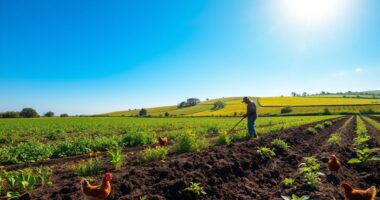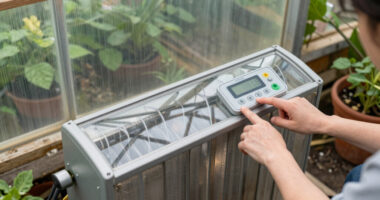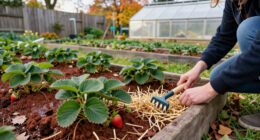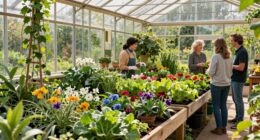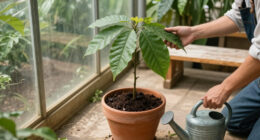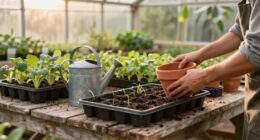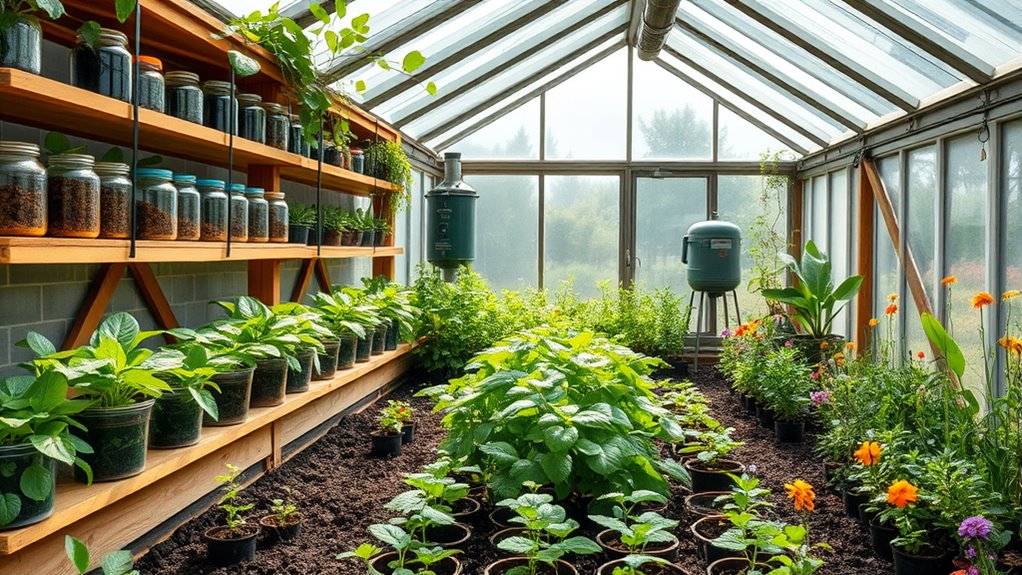
As interest in sustainable gardening grows, embracing zero waste greenhouse practices becomes essential for eco-conscious growers. For those just starting out, Self-Sufficient Greenhouse for Small Spaces offers a budget-friendly, step-by-step approach ideal for limited spaces. Beginners might also find The Absolute Beginners Blueprint to Greenhouse Gardening perfect, thanks to its accessible instructions and comprehensive coverage. For advanced practitioners or professionals, Greenhouse Management: A Guide to Operations and Technology provides in-depth operational insights, while Greenhouse Gardening for Beginners emphasizes cost-effective, essential tips for year-round success. For those seeking sustainability at its core, The Year-Round Solar Greenhouse offers a detailed blueprint for designing energy-efficient, net-zero greenhouses. Each choice involves tradeoffs—balancing ease of use, technical detail, and sustainability goals—so I’ve curated options to suit different needs and experience levels.

Get garden gear delivered free with Prime
- Fast, free delivery on millions of items
- Prime Video, Amazon Music and more included
- Member-only deals all year
Complete the kit


Key Takeaways
- Beginners should prioritize guides that focus on simple construction and low-cost practices.
- Advanced practitioners will benefit from resources emphasizing modern technology and energy efficiency.
- All options aim to reduce waste through sustainable materials, energy use, and resource management.
- Choosing the right approach depends on your experience level and sustainability goals.
- Tradeoffs include technical complexity versus ease of implementation and cost.


| zero waste greenhouse practice | Complexity | Sustainability |
|---|---|---|
| Self-Sufficient Greenhouse for | — | — |
| The Absolute Beginners Bluepri | Low | High |
| Greenhouse Management: A Guide | — | — |
| Greenhouse Gardening for Begin | Low | High |
| The Year-Round Solar Greenhous | High | Very high |
More Details on Our Top Picks
Self-Sufficient Greenhouse for Small Spaces
This guide stands out for its focus on growing organic food year-round in tiny, zero waste greenhouses. It’s ideal for urban gardeners or those with limited outdoor space who want a cost-effective, environmentally friendly setup. Compared with more technical guides, it offers straightforward steps suitable for beginners and emphasizes sustainable practices. However, it lacks specific product details or materials, which might require users to do additional research. This option makes the most sense for those starting small and prioritizing low-cost, zero waste methods over elaborate technical features.
Pros:- Enables year-round organic gardening in small spaces
- Cost-effective and environmentally friendly
- Provides a step-by-step process for beginners
Cons:- No specific product details or materials provided
- Requires effort to set up and maintain
- Limited scalability
Best for: Budget-conscious urban gardeners or newcomers to zero waste practices
Not ideal for: Experienced growers seeking detailed technical specifications or large-scale setups
- Suitable for:Small spaces, beginners
- Cost:Low
- Materials:Basic, DIY
- Maintenance:Moderate
- Energy use:Minimal
- Sustainability focus:High
Our verdict“A practical, beginner-friendly guide for small-scale, zero waste greenhouse gardening on a budget.”
The Absolute Beginners Blueprint to Greenhouse Gardening: Build, Plant and Grow Vegetables, Herbs, Fruits, and Flowers Year-Round
This guide is tailored for those new to greenhouse gardening, offering clear, step-by-step instructions for building and maintaining a thriving, zero waste greenhouse environment. It covers a wide variety of plants, making it versatile for budding gardeners. Compared to more advanced or technical guides, it emphasizes ease of understanding and practical steps without overwhelming the reader. It lacks detailed technical specifications or material lists, which could limit users seeking precise build instructions. Overall, it’s an excellent starting point for absolute beginners who want to embrace zero waste practices without hassle.
Pros:- Suitable for complete beginners
- Step-by-step instructions on building and gardening
- Allows year-round cultivation of diverse plants
Cons:- No detailed technical or material specifications
- Limited content for advanced users
- Basic coverage without in-depth technical guidance
Best for: Absolute beginners seeking a comprehensive, easy-to-follow guide
Not ideal for: Experienced gardeners or those seeking advanced technical details
- Skill level:Beginner
- Coverage:Build, plant, grow
- Plant types:Vegetables, herbs, fruits, flowers
- Complexity:Low
- Sustainability:High
- Materials needed:Basic, DIY
Our verdict“A straightforward, beginner-focused blueprint for zero waste greenhouse gardening, ideal for newbies seeking simplicity.”
Greenhouse Management: A Guide to Operations and Technology, Third Edition
This comprehensive book centers on managing greenhouse operations with an eye toward sustainability and efficiency. It covers modern technology and best practices, making it suitable for horticulturists, students, and experienced growers interested in integrating zero waste principles into large-scale or professional settings. Compared with beginner guides, it offers detailed insights into operational management, but it lacks specific product features or practical DIY instructions. It’s best suited for those who want to optimize existing greenhouse practices with a focus on reducing waste and energy use, rather than building from scratch.
Pros:- In-depth coverage of greenhouse operations
- Incorporates modern technology and efficiency tips
- Suitable for professionals and advanced learners
Cons:- No detailed specifications or DIY instructions
- Content can be technical and dense
- Less focus on beginner-friendly setup
Best for: Professional growers or students seeking in-depth operational management
Not ideal for: Beginners or hobbyists looking for simple, step-by-step construction guides
- Scope:Operations, technology
- Audience:Horticulturists, students
- Focus:Efficiency, sustainability
- Content depth:Advanced
- Practicality:High
- Technical detail:Extensive
Our verdict“An authoritative resource for experienced growers aiming to incorporate zero waste practices into professional greenhouse management.”
Greenhouse Gardening for Beginners: Step-by-Step Tips to Master Plant Selection, Temperature Control, and Pest Management to Enjoy Year-Round Fresh Harvests on a Budget
This book emphasizes practical, beginner-friendly tips for greenhouse gardening with a focus on maintaining low waste and cost-efficiency. It covers essential topics like plant selection, temperature regulation, and pest control, making it ideal for those new to zero waste practices. Compared to more technical guides, it simplifies complex concepts, but it may lack detailed product specifications or advanced techniques. As a budget-conscious guide, it’s perfect for hobby gardeners committed to sustainability, though those seeking highly technical or large-scale solutions might find it limited.
Pros:- Comprehensive beginner tips
- Focus on cost-effective, low-waste practices
- Covers essential aspects like pest management
Cons:- No specific product details or features
- Limited advanced content
- No reviews or ratings available
Best for: Beginners focused on budget and sustainability
Not ideal for: Experienced growers or those seeking in-depth technical details
- Skill level:Beginner
- Cost focus:Budget
- Topics covered:Plant selection, temperature, pests
- Sustainability:High
- Complexity:Low
- Materials:Basic
Our verdict“An accessible, budget-friendly guide for newcomers eager to practice zero waste greenhouse gardening.”
The Year-Round Solar Greenhouse: How to Design and Build a Net-Zero Energy Greenhouse
This resource offers detailed guidance on designing and constructing solar-powered greenhouses that operate without external energy inputs. It’s tailored for DIY enthusiasts, engineers, or professionals interested in sustainable, net-zero energy systems. Compared with basic or beginner guides, it provides comprehensive instructions on energy-efficient design and construction, but it lacks specific product features or ready-made solutions. For those seeking a highly technical, sustainability-driven project, this book is invaluable, though it may be too complex for casual gardeners or those new to greenhouse building.
Pros:- Detailed instructions on solar greenhouse design
- Focus on sustainability and energy efficiency
- Practical techniques for zero waste construction
Cons:- Lacks specific product features or ready-made solutions
- Content can be technical and demanding
- No pricing or customer ratings available
Best for: DIY enthusiasts and sustainability-focused professionals
Not ideal for: Beginners or those seeking quick, simple greenhouse setups
- Focus:Solar, energy efficiency
- Audience:DIYers, professionals
- Design:Net-zero energy
- Complexity:High
- Application:Construction, design
- Sustainability:Very high
Our verdict“A detailed, technical guide for building energy-efficient, zero waste greenhouses for dedicated DIY and professional projects.”

How We Picked
Our selection process focused on practical, zero waste greenhouse practices that accommodate different skill levels and sustainability ambitions. We prioritized resources that emphasize low-impact materials, energy efficiency, and resource management. Each product was evaluated for clarity, comprehensiveness, and applicability to real-world zero waste principles. We also considered whether the guidance is accessible to beginners or suited for advanced users, ensuring a balanced lineup that covers simple DIY methods to high-tech energy solutions.
| zero waste greenhouse practice | Complexity | Sustainability |
|---|---|---|
| Self-Sufficient Greenhouse for | — | — |
| The Absolute Beginners Bluepri | Low | High |
| Greenhouse Management: A Guide | — | — |
| Greenhouse Gardening for Begin | Low | High |
| The Year-Round Solar Greenhous | High | Very high |
Factors to Consider When Choosing Zero Waste Greenhouse Practices
Selecting the right zero waste greenhouse practice depends on your experience, budget, and sustainability goals. Beginners should lean toward simple guides that emphasize low-cost, low-tech solutions, while advanced growers might prioritize energy efficiency and modern management techniques. Understanding your space, technical skills, and long-term environmental ambitions will help you choose the most suitable approach.
Assessing Your Skill Level and Budget
Beginners or those with limited budgets should look for straightforward, step-by-step guides that focus on low-cost, low-impact materials. More experienced growers or professionals interested in maximizing energy efficiency and sustainability may prefer detailed technical resources or books on modern greenhouse management. Matching your skill level with the complexity of the practice ensures a smoother, more satisfying implementation.
Balancing Ease of Use and Technical Detail
If you want quick results with minimal technical fuss, choose guides that simplify design and maintenance. However, if you’re comfortable with technical concepts and seek to minimize waste and energy use at a higher level, resources with detailed technical guidance will serve you better. Consider where you fall on this spectrum for the best long-term results.
Prioritizing Sustainability Features
Look for practices that emphasize renewable materials, energy-efficient design, and resource recycling. For example, solar greenhouse books focus on energy self-sufficiency, while DIY guides help you choose sustainable materials. Your environmental priorities should steer your choice toward methods that align with your zero waste philosophy.
Frequently Asked Questions
What are the key principles of zero waste greenhouse practices?
Zero waste greenhouse practices center on minimizing resource consumption, recycling and reusing materials, and reducing energy use through sustainable design. This includes choosing eco-friendly materials, optimizing plant growth to avoid waste, and incorporating renewable energy sources like solar power. The goal is to create a closed-loop system where waste is significantly reduced or eliminated, making the greenhouse as self-sufficient and environmentally friendly as possible.
Can I retrofit an existing greenhouse to make it zero waste?
Yes, retrofitting a greenhouse involves replacing or upgrading components to improve sustainability. This could include adding solar panels, installing rainwater collection systems, using organic composting, or replacing materials with recycled or biodegradable options. While retrofitting can enhance sustainability, it may require technical skills and investment, so evaluate your current setup’s compatibility with zero waste principles before proceeding.
Are energy-efficient greenhouses always more sustainable?
Energy efficiency is a key aspect of sustainability, especially when combined with renewable energy sources like solar. An energy-efficient greenhouse reduces reliance on external power, lowers emissions, and minimizes waste. However, true sustainability also involves sustainable materials, water conservation, and waste recycling. So, while energy efficiency is crucial, it’s just one part of a comprehensive zero waste approach.
What materials should I prioritize for a zero waste greenhouse?
Prioritize recycled, biodegradable, or sustainably sourced materials such as reclaimed wood, recycled plastics, and natural insulations. Avoid single-use plastics or non-biodegradable products whenever possible. Using locally available, eco-friendly materials not only reduces waste but also supports local economies and minimizes transportation emissions, aligning with zero waste principles.
Is it necessary to have technical expertise to implement zero waste greenhouse practices?
It depends on the approach you choose. Beginner guides focus on simple, low-tech methods that require minimal expertise, making zero waste gardening accessible to most. However, advanced projects like solar greenhouses or energy-efficient designs may demand technical skills, engineering knowledge, and planning. Assess your comfort level and resources before tackling technically complex projects.
Conclusion
For hobbyists or beginners prioritizing low-cost, straightforward solutions, the Self-Sufficient Greenhouse for Small Spaces and The Absolute Beginners Blueprint are excellent starting points. More experienced growers or professionals aiming to optimize efficiency should consider Greenhouse Management and The Year-Round Solar Greenhouse for deeper technical guidance and sustainable design insights. Ultimately, your choice should reflect your experience, budget, and commitment to zero waste principles, ensuring your greenhouse efforts are both productive and environmentally responsible.
Halloween Picks

10 ft Halloween Inflatable Archway with Built-in LEDs

Vexalify 11-Inch Halloween Pumpkin Fog Machine with 12-Color Lights

10.5 ft Lighted Pumpkin and Ghost Halloween Inflatable Archway
As an affiliate, we earn on qualifying purchases.