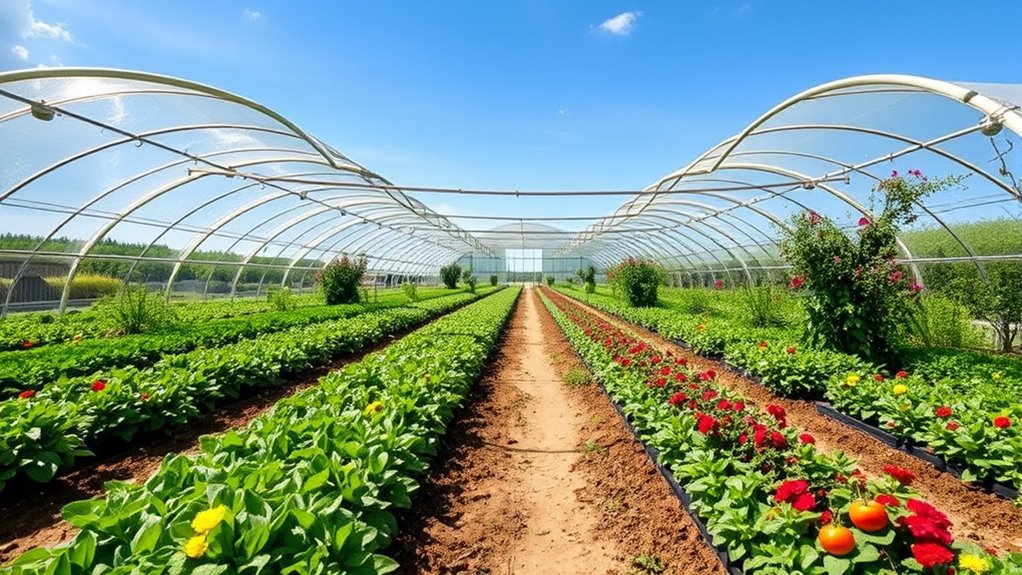

When exploring hoophouse greenhouse designs, the goal is to find a structure that balances affordability, durability, and ease of use. The Year-Round Hoophouse stands out as the best overall option thanks to its versatility across climates. For those on a budget, Greenhouse Plans offers simple, portable DIY designs that are easy to build. Meanwhile, the Greenhouse and Hoophouse Grower’s Handbook appeals to organic growers seeking professional-level guidance. The main tradeoffs involve upfront costs versus long-term performance, as more durable, energy-efficient models tend to require larger investments. Continue reading for a detailed breakdown of each option to help you choose the perfect design for your needs.

Get garden gear delivered free with Prime
- Fast, free delivery on millions of items
- Prime Video, Amazon Music and more included
- Member-only deals all year
Complete the kit


Key Takeaways
- Durability and climate adaptability are the primary factors differentiating top hoophouse designs.
- DIY-friendly plans can save money but often lack long-term insulation or structural strength.
- Advanced models focus on energy efficiency and automation, suitable for serious growers.
- Design complexity varies widely; beginners should prioritize simplicity and ease of assembly.
- Tradeoffs between initial cost and long-term maintenance influence the best choice for each buyer type.
| How to Build Your Own Greenhouse: Designs and Plans to Meet Your Growing Needs |  | Best for DIY Enthusiasts Seeking Customization | Type of Content: Design plans and construction advice | Intended Audience: DIY gardeners and hobbyists | Difficulty Level: Intermediate to advanced | VIEW ON AMAZON | See Our Full Breakdown |
| Building Your Own Greenhouse (Greenhouse Basics) |  | Best for Beginners and Budget-Conscious Gardeners | Type of Content: Building guidance and design tips | Intended Audience: Beginner gardeners and DIY novices | Difficulty Level: Beginner to intermediate | VIEW ON AMAZON | See Our Full Breakdown |
| The Greenhouse Gardener’s Manual |  | Best for Greenhouse Management and Plant Care | Type of Content: Plant care and greenhouse management techniques | Intended Audience: Existing greenhouse owners and gardeners | Difficulty Level: Intermediate to advanced | VIEW ON AMAZON | See Our Full Breakdown |
| The Greenhouse and Hoophouse Grower’s Handbook: Organic Vegetable Production Using Protected Culture |  | Best for Organic Vegetable Growers Seeking Practical Cultivation Tips | Type of Content: Organic cultivation techniques and best practices | Intended Audience: Existing greenhouse growers and organic farmers | Difficulty Level: Beginner to advanced | VIEW ON AMAZON | See Our Full Breakdown |
| The Forest Garden Greenhouse: How to Design and Manage an Indoor Permaculture Oasis |  | Best for Permaculture Enthusiasts and Sustainable Indoor Gardeners | Type of Content: Permaculture design and management strategies | Intended Audience: Permaculture practitioners and eco-conscious indoor gardeners | Difficulty Level: Intermediate | VIEW ON AMAZON | See Our Full Breakdown |
| Dream Greenhouse for Beginners: Build, Operate, and Garden in Your Backyard |  | Best for Novice Gardeners Seeking a Clear Starting Point | Audience: Beginners and hobby gardeners | Type: Guidebook | Usability: Step-by-step instructions | VIEW ON AMAZON | See Our Full Breakdown |
| The Year-Round Solar Greenhouse: How to Design and Build a Net-Zero Energy Greenhouse |  | Best for Sustainable, Energy-Efficient Greenhouse Design | Focus: Energy efficiency and sustainability | Design Approach: Net-zero energy principles | Audience: Professionals and eco-conscious hobbyists | VIEW ON AMAZON | See Our Full Breakdown |
| The Year-Round Hoophouse: Polytunnels for All Seasons and All Climates |  | Best for Versatile, Climate-Adaptive Hoophouse Design | Climate suitability: All climates | Seasonal operation: Year-round | Design focus: Polytunnels and hoophouses | VIEW ON AMAZON | See Our Full Breakdown |
| Greenhouse Types, Designs, and Energy Management |  | Best for Professionals and Advanced Hobbyists Interested in Design and Efficiency | Scope: Design principles and energy management | Audience: Horticultural professionals and advanced hobbyists | Technical detail: Conceptual, not detailed | VIEW ON AMAZON | See Our Full Breakdown |
| Black & Decker The Complete Guide to DIY Greenhouses, 3rd Edition |  | Best for DIY Enthusiasts and Hobbyists Looking for Practical Instructions | Content: Construction instructions and plans | Target audience: DIY gardeners and hobbyists | Materials: Not specified | VIEW ON AMAZON | See Our Full Breakdown |
| Greenhouse Plans: How To Build A Simple, Portable PVC Hoop House with Various Size Configurations | 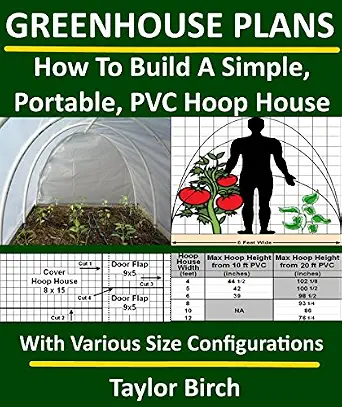 | Best Budget-Friendly DIY Hoophouse | Construction Type: PVC pipe hoop house | Design Focus: Portability and customization | Skill Level: Basic DIY skills needed | VIEW ON AMAZON | See Our Full Breakdown |
| Greenhouse Gardening: The Complete Beginner’s Guide to Building a Greenhouse and Growing Food and Herbs of Your Choice Anytime, Anywhere – DIY Greenhouse, Hoophouse Handbook |  | Best Comprehensive Beginner’s Resource | Audience: Beginners interested in DIY greenhouse gardening | Content Focus: Year-round food and herb cultivation | Construction Guidance: Basic DIY techniques | VIEW ON AMAZON | See Our Full Breakdown |
| hoophouse greenhouse design | Format |
|---|---|
| How to Build Your Own Greenhou | Printed book |
| Building Your Own Greenhouse | Printed book |
| The Greenhouse Gardener’s Manu | Printed book |
| The Greenhouse and Hoophouse G | Printed book |
| The Forest Garden Greenhouse: | Printed book |
| Dream Greenhouse for Beginners | Print or digital guide |
| The Year-Round Solar Greenhous | Book |
| The Year-Round Hoophouse: Poly | Book |
| Greenhouse Types | Book |
| Black & Decker The Complete Gu | Book |
| Greenhouse Plans: How To Build | — |
| Greenhouse Gardening: The Comp | — |
More Details on Our Top Picks
How to Build Your Own Greenhouse: Designs and Plans to Meet Your Growing Needs
This book stands out for its comprehensive collection of detailed greenhouse building plans, making it ideal for DIY gardeners eager to create a personalized growing space. Unlike the more general guidance found in Building Your Own Greenhouse, this resource offers specific design plans that can be adapted to various needs. However, it lacks material specifications and doesn’t include ready-to-assemble plans, which might limit those seeking immediate building instructions. Its strength lies in fostering creative customization, but the absence of technical details can be a hurdle for beginners. Ideal for experienced DIYers ready to craft tailored greenhouses, while less suited for those looking for step-by-step kits or detailed materials lists.
Pros:- Comprehensive greenhouse design plans tailored for DIY projects
- Practical, step-by-step instructions suitable for experienced hobbyists
- Encourages customization to meet specific growing needs
Cons:- No specific materials or product specifications included
- Lacks visual diagrams or detailed construction illustrations
- No customer reviews or ratings to gauge community feedback
Best for: DIY gardeners with basic construction skills wanting fully customizable greenhouse plans
Not ideal for: Beginners seeking simple, ready-made building kits or detailed material lists
- Type of Content:Design plans and construction advice
- Intended Audience:DIY gardeners and hobbyists
- Difficulty Level:Intermediate to advanced
- Format:Printed book
Our verdict“This guide suits DIYers comfortable with planning and customization but less ideal for those seeking ready-to-build kits.”
Building Your Own Greenhouse (Greenhouse Basics)
This book offers straightforward, step-by-step guidance for constructing a greenhouse, making it a good choice for newcomers or gardeners on a budget. Compared to The Greenhouse Gardener’s Manual, which dives deeper into plant management, this resource emphasizes the building process and practical design tips. While it covers various design options and maintenance advice, it doesn’t provide detailed plans or specific material lists, which can leave some builders needing additional resources. Its strength lies in broad accessibility, but the lack of detailed diagrams may challenge those with limited DIY experience. Best suited for beginners and those looking for a clear starting point, but less ideal for experienced builders requiring detailed plans.
Pros:- Clear, step-by-step instructions ideal for novices
- Covers multiple greenhouse designs and maintenance tips
- Practical guide for creating functional greenhouse spaces
Cons:- Lacks detailed specifications and material lists
- No included plans or diagrams for precise construction
- Limited technical detail for advanced builders
Best for: Beginners or budget-conscious gardeners seeking foundational greenhouse building guidance
Not ideal for: Experienced DIYers or those needing detailed construction plans and materials
- Type of Content:Building guidance and design tips
- Intended Audience:Beginner gardeners and DIY novices
- Difficulty Level:Beginner to intermediate
- Format:Printed book
Our verdict“This book provides accessible guidance for beginners but may leave experienced builders wanting more detailed plans.”
The Greenhouse Gardener’s Manual
Unlike the construction-focused Building Your Own Greenhouse, this manual zeroes in on plant care and greenhouse operation, making it a key resource for those who have already built or purchased a greenhouse. It excels in providing detailed techniques for plant health, pest management, and environmental control, which are essential for successful gardening. However, it offers little in the way of actual construction guidance or design specifics, making it less suitable for those starting from scratch. Its practical advice on management makes it an excellent companion for experienced growers, but beginners may find it lacks foundational building information. Ideal for gardeners looking to optimize their greenhouse environment, but less useful for those needing construction guidance.
Pros:- Detailed techniques for plant health and greenhouse management
- Suitable for both beginners and seasoned gardeners
- Focuses on sustainable and effective gardening practices
Cons:- No guidance on greenhouse design or construction
- Limited technical details for building or installing greenhouses
- No pricing or community ratings available
Best for: Experienced greenhouse owners seeking advanced plant care and management techniques
Not ideal for: Novice builders or those needing detailed construction plans
- Type of Content:Plant care and greenhouse management techniques
- Intended Audience:Existing greenhouse owners and gardeners
- Difficulty Level:Intermediate to advanced
- Format:Printed book
Our verdict“This manual is best for users who have a greenhouse but want expert advice on plant care and operation.”
The Greenhouse and Hoophouse Grower’s Handbook: Organic Vegetable Production Using Protected Culture
This guide emphasizes organic vegetable production in greenhouses and hoophouses, making it a strong complement to How to Build Your Own Greenhouse. While it offers detailed cultivation techniques and best practices for protected culture, it doesn’t provide detailed construction plans or specific product recommendations. Its focus on organic methods makes it highly valuable for growers committed to sustainability but less suitable for those seeking technical building guidance. The book’s comprehensive advice on maximizing yields and maintaining eco-friendly practices makes it stand out, though the absence of actual building instructions could be a limitation for new builders. Best suited for growers with a greenhouse already in place or under construction, but less ideal for beginners needing detailed building plans.
Pros:- Detailed techniques for organic vegetable cultivation
- Useful for both beginners and experienced growers
- Focus on sustainable, eco-friendly practices
Cons:- No specific construction or design guidance
- Lacks information on accessories or supplemental tools
- Limited focus on building or technical aspects
Best for: Organic vegetable growers looking for cultivation techniques and sustainable practices
Not ideal for: Those needing detailed greenhouse construction or design instructions
- Type of Content:Organic cultivation techniques and best practices
- Intended Audience:Existing greenhouse growers and organic farmers
- Difficulty Level:Beginner to advanced
- Format:Printed book
Our verdict“This book provides excellent cultivation advice for organic growers but isn’t designed for those constructing new greenhouses from scratch.”
The Forest Garden Greenhouse: How to Design and Manage an Indoor Permaculture Oasis
This book targets those interested in designing sustainable, permaculture-based indoor greenhouses, offering strategies for creating productive ecosystems inside confined spaces. Compared with the more traditional greenhouse guides, it emphasizes ecological principles and long-term sustainability rather than just construction or plant care. While it provides practical management strategies, it doesn’t include detailed construction plans or technical specs, which could limit those wanting a step-by-step building guide. The focus on permaculture design makes it especially appealing for enthusiasts committed to sustainability, but less useful for gardeners simply seeking straightforward greenhouses for annual vegetable production. Perfect for permaculture advocates and eco-conscious indoor gardeners, but less suited for straightforward commercial or hobbyist greenhouse builders.
Pros:- Comprehensive strategies for sustainable greenhouse design
- Focuses on permaculture principles and ecological management
- Practical advice for creating productive indoor ecosystems
Cons:- No specific technical or construction specifications
- Limited guidance on actual building techniques
- Lacks detailed implementation instructions
Best for: Permaculture enthusiasts and sustainable indoor gardeners interested in ecological design
Not ideal for: Beginners or those seeking simple, traditional greenhouse construction guidance
- Type of Content:Permaculture design and management strategies
- Intended Audience:Permaculture practitioners and eco-conscious indoor gardeners
- Difficulty Level:Intermediate
- Format:Printed book
Our verdict“This book appeals to those focused on sustainable, permaculture-oriented indoor greenhouses but offers less for traditional construction projects.”
Dream Greenhouse for Beginners: Build, Operate, and Garden in Your Backyard
This guide stands out for its approachable, step-by-step instructions tailored for new gardeners who want to start with a backyard greenhouse. Unlike more technical books like The Year-Round Hoophouse, it emphasizes ease of building and operating, making it perfect for those unfamiliar with greenhouse mechanics. The lack of detailed technical specs might be a downside if you’re looking for in-depth construction data, but it compensates with practical advice on year-round gardening. Ideal for beginners who prefer straightforward guidance over complex engineering. Tradeoffs include limited technical detail and no specific product specs, which could be a hurdle for those wanting to customize or scale their greenhouse later. This pick makes the most sense for new gardeners focused on simple, reliable backyard setups.
Pros:- Clear, step-by-step guidance suitable for beginners
- Encourages year-round gardening in simple terms
- Flexible options for building or buying a greenhouse
Cons:- Lacks detailed technical specifications for construction
- No pricing or product ratings included
- Limited focus on advanced greenhouse features
Best for: New gardeners or hobbyists building their first greenhouse at home
Not ideal for: Experienced growers seeking advanced construction details or technical performance data
- Audience:Beginners and hobby gardeners
- Type:Guidebook
- Usability:Step-by-step instructions
- Focus:Building and operating a greenhouse
- Seasonality:Year-round gardening
- Format:Print or digital guide
Our verdict“Best suited for newcomers wanting straightforward, practical advice to start backyard gardening with a greenhouse.”
The Year-Round Solar Greenhouse: How to Design and Build a Net-Zero Energy Greenhouse
This book excels at guiding readers through creating energy-efficient, net-zero greenhouses, making it ideal for those interested in sustainable design. Compared with The Year-Round Hoophouse, which emphasizes versatile seasonality across climates, this title zeroes in on renewable energy principles, offering detailed insights into solar design and energy management. The lack of specific technical specs might be a concern for builders seeking precise construction plans, but the focus on sustainability appeals to eco-conscious growers. This option is best for environmentally-minded gardeners or professionals who want to minimize operational costs and carbon footprint. Tradeoffs include limited practical construction details and absence of ready-to-implement plans, focusing more on principles than step-by-step instructions. It’s a great choice for advanced hobbyists or professionals designing greenhouses for maximum energy efficiency.
Pros:- In-depth guidance on designing energy-efficient, solar-powered greenhouses
- Focuses on sustainable construction principles
- Suitable for those aiming to reduce energy costs long-term
Cons:- No detailed technical specifications or step-by-step building instructions
- Lacks specific product features or real-world examples
- More theoretical than practical for immediate construction
Best for: Eco-conscious gardeners and professionals designing energy-efficient greenhouses
Not ideal for: Beginners or DIYers looking for simple, ready-to-build plans without technical jargon
- Focus:Energy efficiency and sustainability
- Design Approach:Net-zero energy principles
- Audience:Professionals and eco-conscious hobbyists
- Construction Details:Conceptual, not detailed
- Climate Adaptability:Universal
- Format:Book
Our verdict“Best for environmentally-minded growers seeking to integrate renewable energy into greenhouse design.”
The Year-Round Hoophouse: Polytunnels for All Seasons and All Climates
This book offers comprehensive guidance on building hoophouses suitable for any climate and season, making it a strong choice for those who need flexible structures. Unlike The Greenhouse Gardener’s Manual which covers general greenhouse care, this title dives deep into the specifics of designing, constructing, and maintaining polytunnels that can withstand diverse environmental conditions. It provides detailed techniques for year-round operation, though it offers limited practical step-by-step instructions for beginners. This is ideal for growers in variable climates who want detailed advice on managing seasonal changes. The main tradeoff is that the information is broad, with less focus on specific materials or construction plans, which might require additional research. Perfect for growers with some experience seeking adaptable, all-season hoophouse solutions.
Pros:- Detailed guidance for building and managing hoophouses year-round
- Suitable for all climates and environmental conditions
- Includes design and maintenance tips for longevity
Cons:- Limited practical, step-by-step construction instructions
- Broad coverage may require supplementary resources
- Less focus on specific material choices
Best for: Seasoned gardeners or small-scale farmers in variable climates
Not ideal for: Complete novices or those seeking simple, quick-building solutions
- Climate suitability:All climates
- Seasonal operation:Year-round
- Design focus:Polytunnels and hoophouses
- Construction guidance:In-depth, broad
- Maintenance tips:Included
- Format:Book
Our verdict“Ideal for growers needing adaptable, climate-resilient hoophouse designs for year-round use.”
Greenhouse Types, Designs, and Energy Management
This book offers a broad overview of various greenhouse types, focusing heavily on design principles and energy strategies. Compared with The Year-Round Hoophouse, which emphasizes practical construction, this title leans toward theoretical insights and performance optimization. Its comprehensive coverage suits horticultural professionals or serious enthusiasts aiming to understand how different designs impact efficiency and sustainability. However, it falls short on practical, step-by-step instructions for building specific structures, which might be a drawback for DIYers. This is best for those with some experience seeking an in-depth understanding of greenhouse performance. The lack of technical specifications and detailed implementation guides limits its utility for immediate construction projects, but it excels in conceptual understanding.
Pros:- Extensive coverage of various greenhouse types and designs
- Focus on energy efficiency and performance optimization
- Useful for understanding sustainability principles
Cons:- No detailed technical specifications or construction plans
- Primarily theoretical, less hands-on guidance
- Requires additional resources for building projects
Best for: Horticultural professionals and serious hobbyists focused on design and energy management
Not ideal for: Beginners or DIY builders needing practical, hands-on instructions
- Scope:Design principles and energy management
- Audience:Horticultural professionals and advanced hobbyists
- Technical detail:Conceptual, not detailed
- Design diversity:Multiple greenhouse types
- Focus:Energy efficiency and sustainability
- Format:Book
Our verdict“Suitable for professionals or experienced enthusiasts aiming to deepen their understanding of greenhouse design and energy use.”
Black & Decker The Complete Guide to DIY Greenhouses, 3rd Edition
This guide offers detailed, step-by-step instructions for building various types of greenhouses, including hoophouses and cold frames, making it highly accessible for DIYers. Unlike the more conceptual books like Greenhouse Types, Designs, and Energy Management, it provides tangible plans and a variety of options suited to different skill levels. However, it doesn’t specify particular materials or technical specs, which could leave some builders needing to do additional research. This book is ideal for hobbyists and DIYers who want practical guidance for hands-on projects. The main tradeoff is that it emphasizes instructions over design innovation, which means less focus on optimizing energy efficiency or climate adaptability. Still, it’s a valuable resource for those wanting to start building right away.
Pros:- Step-by-step construction instructions for various greenhouse types
- Includes plans for hoophouses, cold frames, and accessories
- Ideal for DIYers interested in hands-on projects
Cons:- Lacks detailed technical specifications or materials list
- Primarily instructional, with limited focus on advanced design aspects
- No information on long-term performance or energy efficiency
Best for: DIY enthusiasts and hobby gardeners eager for detailed construction guidance
Not ideal for: Professional growers or those seeking in-depth design or energy strategies
- Content:Construction instructions and plans
- Target audience:DIY gardeners and hobbyists
- Materials:Not specified
- Design focus:Practical building
- Project scope:Greenhouses, cold frames, accessories
- Format:Book
Our verdict“Best suited for DIYers wanting clear, practical guidance to build their own greenhouse projects efficiently.”
Greenhouse Plans: How To Build A Simple, Portable PVC Hoop House with Various Size Configurations
This guide stands out for gardeners seeking an entry-level, customizable greenhouse solution without a hefty price tag. Compared with more comprehensive books like the Greenhouse Gardening handbook, it offers straightforward, easy-to-implement instructions that prioritize affordability and portability. However, the lack of detailed material lists and specific dimensions means builders must do extra research to ensure proper construction. Its flexibility for different sizes makes it ideal for small-scale or temporary setups but less suited for those requiring precise specifications or larger, permanent structures. This guide is perfect for DIY enthusiasts comfortable with basic projects but not ideal for those needing detailed plans or professional-grade designs.
Pros:- Easy to follow step-by-step instructions
- Portable and adaptable to various sizes
- Cost-effective solution for DIY greenhouse building
Cons:- Lacks detailed material lists, requiring extra planning
- Does not specify exact dimensions or weight, limiting precision
- Requires basic DIY skills, not suitable for complete novices
Best for: Beginners or hobbyists seeking a simple, affordable, and portable greenhouse project
Not ideal for: Experienced growers or professionals who need detailed plans and precise specifications for large-scale or permanent structures
- Construction Type:PVC pipe hoop house
- Design Focus:Portability and customization
- Skill Level:Basic DIY skills needed
- Cost:Low-cost
- Size Options:Various, customizable
- Material List:Not specified
Our verdict“This guide is best suited for hobbyists and beginners looking for an affordable, easy-to-assemble hoop house without detailed technical specifications.”
Greenhouse Gardening: The Complete Beginner’s Guide to Building a Greenhouse and Growing Food and Herbs of Your Choice Anytime, Anywhere – DIY Greenhouse, Hoophouse Handbook
This book makes the list for those who want a thorough introduction to greenhouse gardening, covering DIY techniques and year-round food production. Unlike the Greenhouse Plans guide, it offers detailed guidance on building and managing greenhouses, making it ideal for newcomers seeking a holistic understanding. The focus on growing herbs and vegetables throughout the seasons makes it practical for gardeners aiming for sustainability and food security. However, it doesn’t include specific product reviews or technical plans, which might leave some readers wanting more concrete design details. This book is best suited for beginners eager to learn the basics of greenhouse gardening but less useful for experienced builders or those seeking detailed construction blueprints.
Pros:- Comprehensive, beginner-friendly guidance
- Practical instructions for year-round food and herb growing
- Focus on DIY techniques suitable for novices
Cons:- Lacks specific product features or reviews
- No detailed plans or technical blueprints
- No pricing or rating info for particular greenhouse models
Best for: Novice gardeners interested in DIY greenhouse construction and year-round food cultivation
Not ideal for: Experienced horticulturists or builders needing detailed blueprints or technical specifications for specific hoophouse models
- Audience:Beginners interested in DIY greenhouse gardening
- Content Focus:Year-round food and herb cultivation
- Construction Guidance:Basic DIY techniques
- Design Details:Not included
- Material Recommendations:General guidance
- Price Range:Not specified
Our verdict“This handbook is ideal for beginners wanting an all-in-one resource to start building and gardening in greenhouses, prioritizing food production and DIY methods.”

How We Picked
The products in this lineup were evaluated based on several criteria that matter most to hoophouse enthusiasts. Performance factors like durability, insulation, and climate adaptability were prioritized, along with usability and ease of construction. We also considered value for money, long-term maintenance needs, and flexibility for different growing environments. Our goal was to identify options suitable for a range of experience levels and budgets, ranking them to reflect overall versatility and quality. This approach ensures that both beginners and seasoned growers find relevant, practical choices aligned with their specific needs.| hoophouse greenhouse design | Format |
|---|---|
| How to Build Your Own Greenhou | Printed book |
| Building Your Own Greenhouse | Printed book |
| The Greenhouse Gardener’s Manu | Printed book |
| The Greenhouse and Hoophouse G | Printed book |
| The Forest Garden Greenhouse: | Printed book |
| Dream Greenhouse for Beginners | Print or digital guide |
| The Year-Round Solar Greenhous | Book |
| The Year-Round Hoophouse: Poly | Book |
| Greenhouse Types | Book |
| Black & Decker The Complete Gu | Book |
| Greenhouse Plans: How To Build | — |
| Greenhouse Gardening: The Comp | — |
Factors to Consider When Choosing Hoophouse Greenhouse Designs
Choosing the right hoophouse greenhouse design involves more than just picking a structure. Consider your climate, budget, and growing goals to find the best fit. Proper planning can prevent common pitfalls like poor insulation, inadequate ventilation, or structural instability. Additionally, thinking about future expansion, automation, and energy efficiency can influence long-term satisfaction with your greenhouse. Carefully weighing these factors will lead to a more rewarding gardening experience and better crop yields.Climate and Environmental Conditions
Assessing your local climate is crucial when selecting a hoophouse design. Structures in colder regions benefit from better insulation and snow load capacity, while milder climates may prioritize ventilation and airflow. Choosing a design that matches your environment can extend your growing season and reduce heating costs. Ignoring climate considerations often results in underperforming structures that require costly modifications later.
Material Durability and Longevity
The longevity of your hoophouse depends heavily on materials used. Polyethylene coverings are common but may degrade quickly in high UV exposure, requiring frequent replacement. Steel or galvanized frames offer greater durability but increase initial costs. Balancing upfront investment with long-term resilience is key; cheaper materials might save money initially but could lead to higher maintenance or replacement expenses over time.
Ease of Construction and DIY Potential
If you’re building your hoophouse yourself, simplicity and clear instructions are vital. Some designs, like PVC hoop houses, are straightforward and require minimal tools, making them ideal for beginners. More complex structures with metal framing and integrated automation may need professional assembly or advanced DIY skills. Weigh your comfort level and available time against the complexity of the design to avoid frustration and incomplete projects.
Energy Efficiency and Climate Control
Energy-efficient designs can significantly reduce heating and cooling costs, especially in variable climates. Features like double-layer covers, venting systems, and passive solar design help maintain stable temperatures. While these add to initial costs, they often pay off by lowering operational expenses. Ignoring energy considerations can lead to uncomfortable growing conditions or high utility bills, limiting your greenhouse’s productivity.
Expandability and Future Needs
Consider whether your greenhouse design allows for future expansion or upgrades. Modular structures or designs with extra anchoring points can accommodate additional bays or automation systems later. This flexibility is especially valuable for growers planning to scale up or diversify their crops. Overly rigid or small designs might limit your growth ambitions, leading to costly rebuilds or renovations down the line.
Frequently Asked Questions
How do I choose the right size hoophouse for my garden?
Choosing the right size depends on your available space, crop variety, and personal gardening goals. Start by assessing how much area you need for your planned plants, factoring in rotation and future expansion. Keep in mind that larger structures require more materials and can be more challenging to heat and ventilate. For small-scale growers or limited spaces, a compact design may suffice, while dedicated growers should consider larger, more robust structures to maximize productivity.
What materials are best for building a durable hoophouse?
Steel or galvanized frames are generally more durable than lightweight alternatives like PVC or wood, especially in harsher climates. For coverings, polyethylene film is common, but thicker or multi-layer options offer better insulation and longevity. Investing in UV-resistant materials can extend the lifespan of your structure, reducing replacement costs. Balancing upfront costs with long-term durability is key to choosing the right materials for your environment.
Can I build a hoophouse on a slope or uneven ground?
Building on uneven terrain is possible but requires additional planning to ensure stability and proper drainage. You may need to level the site or build a foundation that accommodates slopes, such as retaining walls or raised beds. Proper site prep prevents structural instability and water issues that can damage your greenhouse. Consulting detailed plans or professionals can help avoid common pitfalls when setting up on challenging terrain.
How important is ventilation in a hoophouse design?
Ventilation is essential for maintaining healthy plant growth and controlling humidity levels. Effective designs incorporate side vents, roof vents, or automated systems to promote airflow. Poor ventilation can lead to overheating, mold, or pest problems, drastically reducing crop yields. Even in cold climates, some form of passive or active ventilation helps regulate internal conditions and prolongs the life of your structure.
Are DIY hoophouse plans reliable for long-term use?
DIY plans can be very effective if they are well-designed and suited to your skill level. Simple PVC hoop houses are quick to assemble and cost-effective but may lack the durability needed for harsh conditions. More detailed plans with sturdy framing and high-quality materials tend to produce longer-lasting structures, though they require more time and skill. Always review the plans carefully and consider your climate and usage plans to ensure your DIY project meets your long-term needs.
Conclusion
For those seeking an all-around dependable choice, the Year-Round Hoophouse offers excellent durability and climate adaptability, making it ideal for serious growers or those in variable climates. Beginners or hobbyists on a budget will appreciate the simplicity and affordability of Greenhouse Plans, which are easy to assemble and expand. Growers focused on energy efficiency and automation should look toward premium options that incorporate passive solar and automated venting. Ultimately, your choice depends on your experience level, budget, and specific growing ambitions, but these options cover the full spectrum to help you succeed.Fall yard work Picks
leaf blowers
As an affiliate, we earn on qualifying purchases.