

Intermediate techniques serve as a crucial bridge between beginner skills and advanced mastery across many disciplines. Whether you’re refining your piano, string, or guitar skills, selecting the right method can accelerate progress and deepen your understanding. The best options balance challenge and accessibility, but tradeoffs often include cost, scope, and complexity. For example, a comprehensive book might offer depth but be overwhelming for some, while a more streamlined guide could lack coverage. Continue reading for a detailed breakdown of the top intermediate technique resources in 2026.

Get garden gear delivered free — and shop member deals
- Fast, free delivery on millions of items
- Access to Prime Big Deal Days deals on October 6–7
- Prime Video, Amazon Music and more included
Complete the kit


Key Takeaways
- The most effective intermediate techniques combine foundational skill development with progressive challenges, ensuring steady growth.
- Top picks are distinguished by clarity of instructions, quality of content, and ease of integration into regular practice routines.
- Price and scope vary widely; more comprehensive resources tend to be more expensive but offer greater long-term value.
- Digital access and supplementary materials enhance learning but may add to overall cost and complexity.
- Choosing the right intermediate technique depends heavily on the learner’s discipline, current skill level, and specific goals.
| Technique Through Repertoire, Book 2: Excerpts from Standard Piano Literature that Develop Essential Technical Skills |  | Best Resource for Developing Technical Skills with Repertoire | Target Audience: Intermediate piano students | Content Type: Repertoire excerpts | Focus: Technical skill development | VIEW ON AMAZON | See Our Full Breakdown |
| The Intermediate Piano Technique Book (Piano Technique Series) | 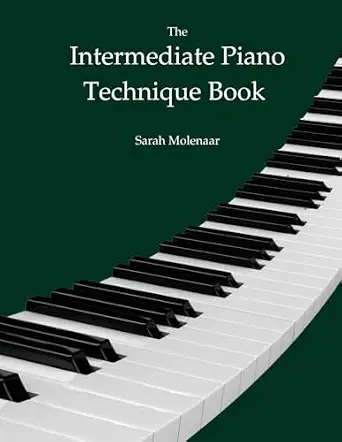 | Best Focused Exercise Book for Finger Agility and Strength | Target Audience: Intermediate pianists | Content Type: Technical exercises | Focus: Finger agility and strength | VIEW ON AMAZON | See Our Full Breakdown |
| Piano Adventures: Lesson Book – Level 3A, 2nd Edition |  | Best for Kids and Teens Building Foundational Skills | Target Audience: Kids and teens at Level 3A | Content Type: Educational sheet music, scales, arpeggios | Focus: Technique development for young learners | VIEW ON AMAZON | See Our Full Breakdown |
| Essential Technique for Strings – Violin Book 3 with EEi Online Access |  | Best for String Players Wanting Online Resources and Focused Technique | Target Audience: Intermediate violin students | Content Type: Sheet music and online access | Focus: Tone, intonation, bowing | VIEW ON AMAZON | See Our Full Breakdown |
| Rubank Intermediate Method: Flute or Piccolo (Rubank Educational Library, No. 75) |  | Best Structured Practice for Intermediate Flute or Piccolo Players | Target Audience: Intermediate flute or piccolo players | Content Type: Exercises and etudes | Focus: Technique and practice routine | VIEW ON AMAZON | See Our Full Breakdown |
| Piano Adventures: Technique and Artistry Book – Level 2B, 2nd Edition |  | Best for Developing Artistic Technique | Edition: 2nd | Level: 2B | Series: Piano Adventures | VIEW ON AMAZON | See Our Full Breakdown |
| Essential Technique for Strings – Double Bass Book 3 with EEi Online Resources |  | Best for Structured Technical Growth with Digital Support | Type: Instruction Book | Instrument: Saxophone | Level: Intermediate | VIEW ON AMAZON | See Our Full Breakdown |
| Piano Sonatinas: Book 2 Intermediate – Developing Artist Original Keyboard Classics |  | Best for Developing Finger Dexterity in Classical Repertoire | VIEW ON AMAZON | See Our Full Breakdown | |||
| Classical Guitar Method Book 2: Intermediate-Level Guide for Developing Fingerstyle and Classical Techniques |  | Best for Step-by-Step Guitar Technique Development | VIEW ON AMAZON | See Our Full Breakdown | |||
| Rubank Intermediate Method Saxophone |  | Best for Comprehensive Saxophone Technique at Intermediate Level | Type: Instruction Book | Instrument: Saxophone | Level: Intermediate | VIEW ON AMAZON | See Our Full Breakdown |
| Intermediate Techniques of Jujitsu: The Gentle Art, Vol. 2 |  | Best for Deepening Technical Mastery | Content Focus: Intermediate Jujitsu techniques and strategies | Format: Printed book | Level: Intermediate | VIEW ON AMAZON | See Our Full Breakdown |
| Essential Elements for String – Cello Book 3 with EEi Online Resources |  | Best for Structured Intermediate Cello Development | Format: Book with online resources | Instrument: Cello | Level: Intermediate | VIEW ON AMAZON | See Our Full Breakdown |
| Intermediate String Techniques |  | Best for Focused Skill Enhancement | Content Focus: Intermediate string techniques and exercises | Format: Printed book | Level: Intermediate | VIEW ON AMAZON | See Our Full Breakdown |
| intermediate technique | Level | Format |
|---|---|---|
| Technique Through Repertoire | — | Book |
| The Intermediate Piano Techniq | — | Book |
| Piano Adventures: Lesson Book | 3A | Lesson book |
| Essential Technique for String | Intermediate | — |
| Rubank Intermediate Method: Fl | Intermediate | — |
| Piano Adventures: Technique an | 2B | Workbook with sheet music and exercises |
| Essential Technique for String | Intermediate | — |
| Piano Sonatinas: Book 2 Interm | — | — |
| Classical Guitar Method Book 2 | — | — |
| Rubank Intermediate Method Sax | Intermediate | — |
| Intermediate Techniques of Juj | Intermediate | Printed book |
| Essential Elements for String | Intermediate | Book with online resources |
| Intermediate String Techniques | Intermediate | Printed book |
More Details on Our Top Picks
Technique Through Repertoire, Book 2: Excerpts from Standard Piano Literature that Develop Essential Technical Skills
This book stands out for integrating classical repertoire into technical development, making it ideal for students who want to build skills through familiar pieces. Compared with the Intermediate Piano Technique Book, it offers a more musical approach but lacks structured exercises or explanations, which might limit its effectiveness for targeted technical training. This choice is best for students who prefer learning through repertoire rather than abstract drills, though it might fall short for those needing explicit technical guidance. The focus on standard literature encourages musicality alongside technique, but its limited scope means it should complement more structured practice routines.
Pros:- Develops technical skills through familiar repertoire
- Enhances musicality while practicing technical skills
- Suitable for intermediate students with some reading proficiency
Cons:- Lacks detailed explanations or practice exercises
- Limited to repertoire excerpts without supplementary technical guidance
Best for: Intermediate piano students who learn best through repertoire and want to connect technique with musical expression
Not ideal for: Beginners or those seeking explicit technical exercises, because it lacks detailed instructions and focused drills
- Target Audience:Intermediate piano students
- Content Type:Repertoire excerpts
- Focus:Technical skill development
- Skill Level:Intermediate
- Difficulty:Moderate
- Format:Book
- Page Count:Not specified
- Series:None
Our verdict“This book is ideal for intermediate students wanting to improve technique through engaging repertoire, but it should be paired with more structured exercises for best results.”
The Intermediate Piano Technique Book (Piano Technique Series)
This pick makes the most sense for pianists who want targeted, structured exercises to refine finger agility and strength, standing out from the repertoire-based Technique Through Repertoire. It offers a clear progression of exercises designed specifically for intermediate players, though its lack of audio or digital resources could make independent practice less engaging. Compared with the Piano Adventures: Lesson Book, which emphasizes musical context and engaging pieces, this book is more about raw technique. It’s ideal for those who prefer a disciplined, drill-based approach to technical development but might feel limiting for students seeking musical variety or expressive playing.
Pros:- Provides targeted exercises for finger agility
- Helps improve technical control and strength
- Clear, progressive structure for intermediate players
Cons:- No online audio or digital content
- Limited to technical exercises without musical elements
Best for: Intermediate pianists focused on building finger strength and agility through structured exercises
Not ideal for: Students looking for musical pieces or engaging learning contexts, as this is purely technical drills without repertoire
- Target Audience:Intermediate pianists
- Content Type:Technical exercises
- Focus:Finger agility and strength
- Skill Level:Intermediate
- Difficulty:Moderate
- Format:Book
- Page Count:Not specified
- Series:Piano Technique Series
Our verdict“This book is best suited for intermediate players who want focused technical drills, but it should be supplemented with musical repertoire for artistic development.”
Piano Adventures: Lesson Book – Level 3A, 2nd Edition
This book makes sense for younger students in the intermediate range, especially those who benefit from engaging, educational material that combines scales, arpeggios, and simple pieces. Compared with the Technique Through Repertoire or Intermediate Technique Book, it emphasizes a structured approach with a focus on educational content, making it suitable for students who need guided progress. However, its focus on kids and teens means it might feel too basic or limited for adult learners seeking more advanced technical challenges. Its connection to the well-established Piano Adventures series makes it ideal for teachers and students already familiar with the series.
Pros:- Includes educational scales and arpeggios
- Part of a reputable, engaging series
- Suitable for developing foundational techniques in young players
Cons:- Limited info on supplementary materials
- May be too basic for adult intermediate players
- Lacks detailed technical exercises beyond scales and simple arpeggios
Best for: Young intermediate students and beginners transitioning to more technical playing within a structured series
Not ideal for: Adult learners or students seeking advanced technical exercises, due to its age-appropriate focus and limited depth
- Target Audience:Kids and teens at Level 3A
- Content Type:Educational sheet music, scales, arpeggios
- Focus:Technique development for young learners
- Series:Piano Adventures
- Edition:2nd
- Level:3A
- Subject:Piano
- Format:Lesson book
Our verdict“This book is perfect for young intermediate students needing a structured, engaging approach to developing foundational skills, but less suitable for adult players seeking advanced techniques.”
Essential Technique for Strings – Violin Book 3 with EEi Online Access
This pick is geared toward intermediate violinists who value online access and targeted technical improvement, especially in tone, intonation, and bowing. Compared to the Rubank Intermediate Method: Flute or Piccolo, which is more instrument-specific but less digitally integrated, this book’s online component adds a layer of convenience and supplemental material. It’s best suited for students and teachers looking for a structured approach rather than beginners, as it doesn’t cover early fundamentals. While effective for intermediate players seeking to refine specific skills, the lack of detailed content overview may leave some unsure about the depth of exercises provided.
Pros:- Includes access to online learning resources
- Focuses on tone, intonation, and bowing
- Suitable for intermediate violin students
Cons:- Limited information on specific exercises
- No price details available
- Less beneficial for complete beginners
Best for: Intermediate violin students and teachers seeking online resources to enhance tone and bowing techniques
Not ideal for: Beginners or those without internet access, since it’s tailored for students with foundational skills ready for technical refinement
- Target Audience:Intermediate violin students
- Content Type:Sheet music and online access
- Focus:Tone, intonation, bowing
- Instrument:Violin
- Level:Intermediate
- Online Access:Yes
- Series:Essential Technique for Strings
- Price:Not specified
Our verdict“This book is well-suited for intermediate violinists who want to incorporate online resources into their technical practice but may be less useful for early beginners.”
Rubank Intermediate Method: Flute or Piccolo (Rubank Educational Library, No. 75)
This method book suits intermediate flute or piccolo players seeking structured, progressive practice routines, similar to the Intermediate Technique Book for piano but tailored to wind instruments. It’s part of a long-standing educational series, making it a reliable choice for teachers and students who prefer systematic etudes and exercises. However, with limited content details and no digital resources, it might feel somewhat dated or less engaging for tech-savvy learners. If your focus is on developing consistent technique within a clear framework, this book offers a straightforward path, though it may lack the variety or modern approach some players desire.
Pros:- Provides structured, progressive exercises
- Part of a reputable educational series
- Suitable for systematic practice routines
Cons:- Limited digital or online resources
- Lacks detailed content description
- May seem outdated compared to modern methods
Best for: Intermediate wind players seeking a structured, methodical approach to technical development
Not ideal for: Beginners or advanced players looking for more challenging, creative exercises, since its scope is intermediate only
- Target Audience:Intermediate flute or piccolo players
- Content Type:Exercises and etudes
- Focus:Technique and practice routine
- Series:Rubank Educational Library
- Level:Intermediate
- Online Resources:No
- Pages:Not specified
- Difficulty:Moderate
Our verdict“This book offers a dependable, structured approach for intermediate flute or piccolo players, but may feel limiting for those seeking more modern or diverse exercises.”
Piano Adventures: Technique and Artistry Book – Level 2B, 2nd Edition
This intermediate piano workbook stands out for its balanced focus on both technical mastery and artistic expression, making it ideal for students who want to elevate their playing beyond basic scales. Compared to the more technical Intermediate Piano Technique Book (Piano Technique Series), this series emphasizes musicality through teacher duets and expressive exercises, though it doesn’t include digital resources which some students might find limiting. Its comprehensive exercises foster a well-rounded skill set, but it’s not suitable for absolute beginners or those seeking online support. This pick makes the most sense for intermediate players aiming to deepen artistry while reinforcing fundamentals.
Pros:- Balances technical exercises with artistic development
- Includes engaging teacher duets for collaborative practice
- Suitable for progressing students aiming for intermediate mastery
Cons:- Limited to intermediate level, not suitable for absolute beginners
- No digital or online support included
Best for: Intermediate piano students seeking to enhance both technique and musical expression
Not ideal for: Beginners or players looking for integrated digital learning tools
- Edition:2nd
- Level:2B
- Series:Piano Adventures
- Format:Workbook with sheet music and exercises
Our verdict“This book is perfect for intermediate students who want to develop both technical skills and musical artistry without digital distractions.”
Essential Technique for Strings – Double Bass Book 3 with EEi Online Resources
This double bass method excels in providing structured technical exercises tailored for intermediate players, with the added benefit of online resources that complement traditional study. Unlike the Rubank Intermediate Method for Saxophone, which offers a broader range of exercises but lacks digital content, this book’s online component enhances practice and learning flexibility. It’s an excellent choice for teachers and students who value integrated digital tools but may feel limited by its focus solely on the double bass and intermediate level. The lack of specific pricing or ratings is a minor hurdle for some buyers.
Pros:- Includes online resources for enhanced learning
- Structured exercises designed for technical progression
- Ideal for teacher-student guided practice
Cons:- Limited to intermediate skill level, not suitable for beginners
- No detailed content description or user ratings available
Best for: Intermediate double bass students and teachers wanting integrated online learning
Not ideal for: Absolute beginners or players seeking a broad, multi-instrument resource
- Type:Instruction Book
- Instrument:Saxophone
- Level:Intermediate
- Includes:Scales, Arpeggios, Technical Studies, Articulation Exercises, Solos, Duets, Fingering Chart
Our verdict“This resource is best for intermediate double bass players who appreciate guided, technology-supported practice routines.”
Piano Sonatinas: Book 2 Intermediate – Developing Artist Original Keyboard Classics
This collection of intermediate sonatinas is tailored for students focused on refining finger agility and classical technique. Compared with Piano Adventures: Technique and Artistry Book, which balances technique with artistry, this book hones in on developing technical precision through classical repertoire. While it offers excellent pieces for mastering finger dexterity, it lacks detailed specifications and may be limited to students at an intermediate level, potentially unsuitable for advanced players seeking more complex works. Its focus on classical pieces makes it especially suitable for those interested in traditional repertoire development.
Pros:- Focuses on developing finger agility with classical pieces
- Suitable for intermediate students aiming for technical precision
- Part of a respected series of classical piano sheet music
Cons:- Limited detailed specifications or range of repertoire
- Content may be too basic for advanced players
Best for: Intermediate pianists working on classical technique and finger dexterity
Not ideal for: Players seeking contemporary or highly technical repertoire beyond intermediate level
Our verdict“Ideal for intermediate students aiming to strengthen classical technique and finger control through well-chosen sonatinas.”
Classical Guitar Method Book 2: Intermediate-Level Guide for Developing Fingerstyle and Classical Techniques
This guitar method provides clear, progressive lessons that guide intermediate players through fingerstyle and classical techniques, making it a strong choice for those looking to build a solid foundation. Compared with the Rubank Intermediate Method Saxophone, which covers a different instrument and set of exercises, this book’s focus on guitar-specific skills and included audio tracks make practice more engaging and effective. However, the lack of detailed content description and the assumption of prior basic technique knowledge mean it might not be ideal for absolute beginners or players who want more comprehensive background. It’s best suited for students who are comfortable with basic guitar skills and ready for focused technique work.
Pros:- Offers detailed, progressive lessons for fingerstyle and classical techniques
- Includes audio tracks to improve practice quality
- Well-suited for intermediate players aiming to refine their skills
Cons:- No detailed content overview provided
- Requires prior basic guitar technique knowledge
Best for: Intermediate guitarists who want structured, step-by-step technique lessons with audio support
Not ideal for: Complete beginners or players seeking a broad, multi-technique approach
Our verdict“This book is best for intermediate guitar players committed to systematic technique development with audio guidance.”
Rubank Intermediate Method Saxophone
This saxophone method offers a broad range of exercises, including scales, arpeggios, technical studies, and duets, making it a solid choice for intermediate players seeking comprehensive technical development. Compared to the Essential Technique for Strings – Double Bass Book 3, which focuses on string techniques, this book’s extensive variety of exercises and inclusion of solos and duets provide a well-rounded approach to saxophone mastery. Its main limitation is the absence of audio or digital content, which can hinder self-guided practice. Despite that, it remains a staple for intermediate saxophonists aiming to improve their technical fluency and musicality.
Pros:- Extensive exercises covering scales, arpeggios, and studies
- Includes solos, duets, and a fingering chart for comprehensive practice
- Suitable for advancing intermediate saxophonists
Cons:- No accompanying audio or digital content for self-practice
- Limited to intermediate level, not ideal for beginners
Best for: Intermediate saxophonists seeking in-depth technical exercises and musical studies
Not ideal for: Beginners or players who rely heavily on digital or audio-supported learning
- Type:Instruction Book
- Instrument:Saxophone
- Level:Intermediate
- Includes:Scales, Arpeggios, Technical Studies, Articulation Exercises, Solos, Duets, Fingering Chart
Our verdict“This method suits intermediate saxophonists aiming for a broad, thorough approach to technical and musical development without digital tools.”
Intermediate Techniques of Jujitsu: The Gentle Art, Vol. 2
This book stands out for its focus on refining advanced Jujitsu skills within the gentle art, making it ideal for practitioners aiming to elevate their understanding beyond basic techniques. Unlike introductory manuals, it emphasizes nuanced movements and strategic applications, though its lack of detailed content descriptions means readers may need prior familiarity to fully benefit. It’s a solid choice for dedicated students seeking to push their technical boundaries, but those new to Jujitsu should look elsewhere. The absence of reviews or comprehensive previews can make assessing its depth challenging. Compared to more general martial arts guides, this volume dives into specialized intermediate techniques, but it also requires a solid foundation in basic skills to be effective.
Pros:- Focuses on advanced, refined techniques within the gentle art
- Helps practitioners deepen their technical understanding
- Specialized content tailored for intermediate skill levels
Cons:- Limited information on content depth and specific techniques
- No detailed reviews or previews available
Best for: Serious intermediate Jujitsu practitioners aiming to refine their skills and deepen their strategic understanding.
Not ideal for: Beginners or casual practitioners who need a more comprehensive introduction to fundamental techniques.
- Content Focus:Intermediate Jujitsu techniques and strategies
- Format:Printed book
- Level:Intermediate
- Author:Unknown
- Pages:Unknown
- Availability:Limited reviews
Our verdict“This book makes the most sense for dedicated students seeking to master intermediate Jujitsu techniques, provided they already understand the basics.”
Essential Elements for String – Cello Book 3 with EEi Online Resources
This textbook excels at providing a comprehensive framework for intermediate cello players, especially with its online resources that facilitate self-paced learning and teacher support. Compared with Intermediate String Techniques, it offers more structured lessons and integrated audio/video, making it a better fit for students who benefit from multimedia content. However, its focus on intermediate-level material means beginners should skip it, and the lack of explicit content details might leave some learners wanting more specificity. While not a replacement for private lessons, it offers a valuable supplement for motivated students and teachers. Its blend of method, repertoire, and digital tools makes it a versatile choice for those seeking a well-rounded approach to intermediate cello studies.
Pros:- Comprehensive method supporting intermediate technique development
- Includes online resources for dynamic learning
- Suitable for both students and teachers
Cons:- Limited to intermediate skill level—unsuitable for beginners
- Content may require prior knowledge of basic techniques
- No explicit pricing or detailed content breakdown available
Best for: Intermediate cello students and teachers looking for a structured, resource-rich learning tool.
Not ideal for: Beginners or advanced players seeking more complex technical challenges.
- Format:Book with online resources
- Instrument:Cello
- Level:Intermediate
- Includes:Online resources
- Pages:Unknown
- Price:Not specified
Our verdict“This book is ideal for intermediate cello students seeking a guided, resource-supported learning experience, but less so for absolute beginners.”
Intermediate String Techniques
This guide offers detailed instructions and exercises aimed at musicians who want to improve their string techniques beyond the basics, making it a valuable resource for intermediate players. Unlike Essential Elements for String – Cello Book 3, it is less structured and lacks multimedia support, which might challenge learners who thrive on visual or auditory cues. Its comprehensive exercises are highly effective for skill progression, but the absence of accompanying audio or video materials means learners need to be more self-reliant. It’s best suited for motivated students with some prior experience who need targeted technical work. Compared to more general method books, this provides a deeper focus on technical exercises but assumes a certain level of prior knowledge.
Pros:- Provides detailed, targeted exercises for skill progression
- Covers a broad range of intermediate string techniques
- Helps improve technical proficiency efficiently
Cons:- Lacks beginner-friendly content
- No audio or video support to reinforce exercises
Best for: Intermediate string players who want detailed exercises to refine specific techniques.
Not ideal for: Beginners or those seeking multimedia-supported learning experiences.
- Content Focus:Intermediate string techniques and exercises
- Format:Printed book
- Level:Intermediate
- Includes:Detailed exercises
- Pages:Unknown
- Audio/Video:None
Our verdict“This book makes sense for intermediate string players eager to hone specific skills through detailed exercises, provided they already have a solid technical foundation.”

How We Picked
We evaluated these products based on their ability to effectively develop intermediate skills, focusing on clarity, comprehensiveness, and practicality. Our criteria included content quality, instructional clarity, versatility across skill levels, and user engagement features such as online resources. Products that strike a balance between challenge and accessibility were rated higher, as they support sustained progress without overwhelming learners. We also considered value for money, durability, and the availability of supplementary materials, ensuring each pick offers meaningful benefits relative to its price and scope. The ranking reflects a combination of these factors, aiming to guide learners toward resources that foster consistent improvement.| intermediate technique | Format |
|---|---|
| Technique Through Repertoire | Book |
| The Intermediate Piano Techniq | Book |
| Piano Adventures: Lesson Book | Lesson book |
| Essential Technique for String | — |
| Rubank Intermediate Method: Fl | — |
| Piano Adventures: Technique an | Workbook with sheet music and exercises |
| Essential Technique for String | — |
| Piano Sonatinas: Book 2 Interm | — |
| Classical Guitar Method Book 2 | — |
| Rubank Intermediate Method Sax | — |
| Intermediate Techniques of Juj | Printed book |
| Essential Elements for String | Book with online resources |
| Intermediate String Techniques | Printed book |
Factors to Consider When Choosing Intermediate Techniques
Selecting the right intermediate technique resource requires careful consideration of several factors. Beyond content quality, learners should think about how well a resource matches their current skill level, learning style, and long-term goals. Avoid common pitfalls like choosing overly advanced materials prematurely or settling for resources that lack clear instructions. By understanding key aspects such as scope, accessibility, and supplementary support, you can find a resource that truly complements your development path.Skill Level Compatibility
Ensure the resource matches your current skill level without being too simplistic or overly challenging. Intermediate techniques should push your boundaries gradually, so look for materials that specify their target skill range and include exercises designed for your stage of development. Choosing an appropriately challenging resource prevents frustration and keeps motivation high.
Content Scope and Depth
Evaluate whether the resource offers comprehensive coverage of techniques relevant to your discipline, including exercises, examples, and practice routines. A well-rounded resource balances technical detail with practical application, helping you integrate new skills into your playing or performance. Beware of overly narrow guides that may limit your growth or overly broad ones that lack focus.
Instructional Clarity and Usability
Clear instructions and well-structured content are vital. Resources that include step-by-step guidance, illustrations, and audio or video examples tend to be more effective. Consider your learning style—if you prefer visual cues, look for materials with plenty of visual aids or online tutorials. Poorly organized resources can hinder progress and create confusion.
Supplementary Materials and Online Access
Many intermediate resources now include online components such as videos, interactive exercises, or additional practice files. These can significantly enhance understanding and retention but may come at an extra cost. Decide whether supplementary online content aligns with your learning preferences and budget, and verify its quality before purchase.
Value for Money and Long-Term Use
While price is a consideration, focus on the overall value. A more expensive resource with extensive content and additional tools might offer better long-term benefits than a cheaper, limited guide. Think about how often you’ll use the material and whether it can support your growth over time, especially as you progress toward advanced skills.
Frequently Asked Questions
How do I know if a technique resource is suitable for my current skill level?
To determine suitability, check the resource’s targeted skill level and description. Most reputable materials specify whether they are designed for beginners, intermediates, or advanced learners. Review the exercises and content focus to see if they align with your current abilities. If you’re unsure, look for sample pages or previews to assess whether the difficulty matches your expectations.
Should I invest in online resources or stick to printed books for intermediate techniques?
Online resources often provide interactive elements like videos, quizzes, and real-time feedback, which can enhance understanding. They also tend to be more up-to-date and easier to access anywhere. However, printed books offer tactile learning and are less dependent on technology. Consider your learning preferences and budget—if you value multimedia support, online options may be more effective, but for focused practice, printed guides are still valuable.
Can I use a beginner resource for intermediate skills if I find it easier?
Using beginner resources at an intermediate level can be limiting, as they may lack the depth and complexity needed for further development. However, revisiting foundational techniques can solidify your base and improve overall proficiency. Ideally, transition gradually by supplementing beginner materials with more advanced resources as your skills grow, rather than relying solely on beginner content at the intermediate stage.
What should I prioritize: comprehensive scope or specialized focus?
Your choice depends on your specific goals. If you want a broad skill set, look for comprehensive resources that cover multiple techniques and exercises. Conversely, if you’re targeting a particular skill or discipline, specialized focus materials might be more efficient. Striking a balance is key; a resource with broad coverage that also delves into specific areas can offer both versatility and depth.
How often should I revisit or upgrade my intermediate technique resources?
Revisiting or upgrading depends on your progress and evolving goals. As you advance, older resources might become less relevant, especially if they lack coverage of newer techniques. Regularly assess your skills and consider updating your materials every 6 to 12 months, particularly when you hit plateaus or aim for more advanced levels. Investing in new resources can keep your practice fresh and aligned with your growth trajectory.
Conclusion
For most learners, the Best Overall pick is the Technique Through Repertoire, Book 2 because it balances technical development with musical context, making it suitable for a wide audience. Those prioritizing affordability and versatility will find the Best Value in the Piano Adventures: Technique and Artistry Book – Level 2B. For dedicated students seeking premium quality, the Best Premium choice is the Essential Technique for Strings – Violin Book 3 with online resources, offering depth and digital support. Beginners or casual learners should consider the Piano Adventures: Lesson Book – Level 3A for its approachable structure. Finally, if you need targeted focus on specific disciplines like guitar or jujitsu, specialized guides like the Classical Guitar Method Book 2 or Intermediate Techniques of Jujitsu will serve you best. Your ideal resource aligns with your discipline, current skill, and commitment level, so choose accordingly.
Fall Picks
fall essentials
As an affiliate, we earn on qualifying purchases.