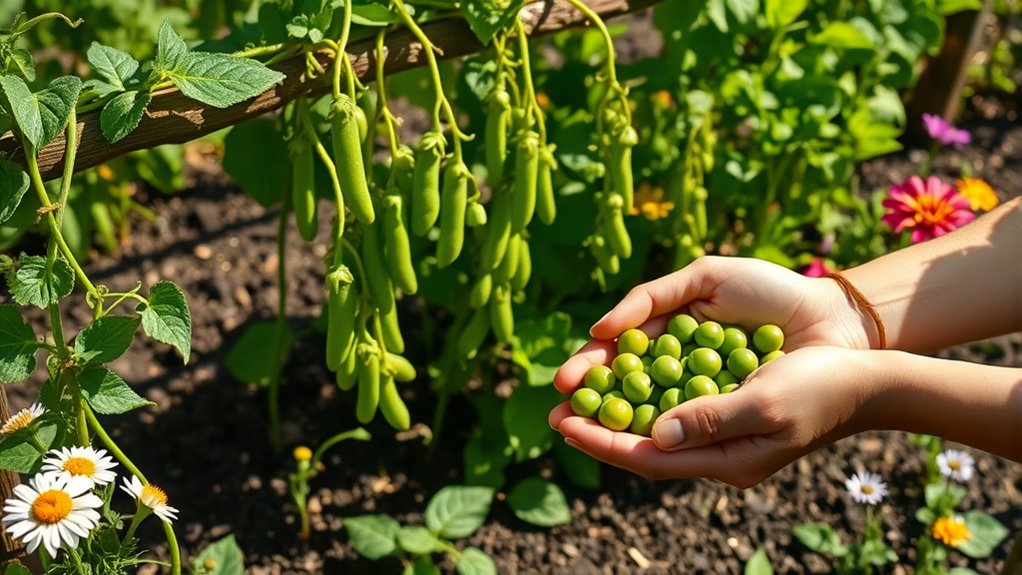

Pea cultivation covers a surprisingly wide family of crops — garden peas, snow peas, chickpeas, and pigeon peas each demand different soil, timing, and harvesting know-how — and the right guide depends entirely on which one you’re growing and why. My top overall pick is the Chickpea Cultivation Manual, because it balances sustainable technique with beginner accessibility better than anything else in this lineup. For kitchen gardeners, How to Grow Snow Peas is the fastest path from seed to harvest, while Growing Pea for Business stands out for anyone treating peas as a commercial crop rather than a hobby. The main tradeoff across the category is depth versus focus: broad manuals cover more ground but can feel thin on your specific crop, while single-crop guides go deep but won’t help if your plans change. Read on for the full breakdown, including who each book suits and who should skip it.

Get garden gear delivered free with Prime
- Fast, free delivery on millions of items
- Prime Video, Amazon Music and more included
- Member-only deals all year
Complete the kit


Key Takeaways
- Single-crop guides outperformed general pea books for practical, actionable advice — the snow pea and chickpea titles both beat the broader manuals on step-by-step clarity.
- Only one title in this lineup (Growing Pea for Business) treats peas as a profit crop, so commercial growers have exactly one strong option here and should choose it without hesitation.
- The Sweet Pea and its Cultivation is an ornamental-flower guide, not a food-crop manual — buyers wanting edible harvests should rule it out immediately despite its attractive title.
- Smallholder farmers in tropical and subtropical regions are best served by the pigeon pea guide, which is the only title addressing perennial, drought-tolerant legume systems.
- Beginner-friendliness varied more than price: the strongest beginner books won on clear language and realistic timelines, not on page count or production value.
| Chickpea Cultivation Manual: Guide for Sustainable Growing & Harvesting Techniques for Beginners |  | Best Overall for Sustainable Chickpea Farming | Target Audience: Beginners and eco-conscious farmers | Focus: Sustainable chickpea cultivation | Coverage: Planting, care, harvesting | VIEW ON AMAZON | See Our Full Breakdown |
| The Sweet Pea and its Cultivation |  | Best for Ornamental Flower Cultivation | Target Audience: Ornamental flower growers | Focus: Sweet pea cultivation | Content Depth: Growing techniques for flowers | VIEW ON AMAZON | See Our Full Breakdown |
| The Cultivation of Peas in a No-crop Economy |  | Most Conceptual or Theoretical Approach | Target Audience: Researchers and policymakers | Focus: Economic aspects of pea cultivation | Content Type: Theoretical discussion | VIEW ON AMAZON | See Our Full Breakdown |
| Cultivating Pigeon Peas: A Comprehensive Guide for Smallholder Farmers |  | Best for Smallholder and Practical Pigeon Pea Cultivators | Target Audience: Smallholder pigeon pea farmers | Focus: Pigeon pea cultivation and pest management | Coverage: Planting, pests, harvesting | VIEW ON AMAZON | See Our Full Breakdown |
| Growing Pea for Business: Complete Beginner’s Guide to Cultivating, Caring, Managing, Harvesting, and Profiting from Pea Farming |  | Best for Aspiring Agricultural Entrepreneurs | Target Audience: Beginner entrepreneurs in pea farming | Focus: Comprehensive pea cultivation and profit strategies | Content Scope: Planting, caring, managing, harvesting, marketing | VIEW ON AMAZON | See Our Full Breakdown |
| How to Grow Snow Peas: A Beginner’s Guide to Snow Pea Cultivation |  | Best for Beginners Interested in Snow Peas | Audience: Beginners and home gardeners | Focus: Snow pea cultivation | Format: Guidebook | VIEW ON AMAZON | See Our Full Breakdown |
| pea cultivation | Focus | Format | Target Audience | Coverage |
|---|---|---|---|---|
| Chickpea Cultivation Manual: G | Sustainable chickpea cultivation | Printed manual | Beginners and eco-conscious farmers | Planting, care, harvesting |
| The Sweet Pea and its Cultivat | Sweet pea cultivation | Book | Ornamental flower growers | — |
| The Cultivation of Peas in a N | Economic aspects of pea cultivation | Book | Researchers and policymakers | — |
| Cultivating Pigeon Peas: A Com | Pigeon pea cultivation and pest management | Book | Smallholder pigeon pea farmers | Planting, pests, harvesting |
| Growing Pea for Business: Comp | Comprehensive pea cultivation and profit strategies | Book | Beginner entrepreneurs in pea farming | — |
| How to Grow Snow Peas: A Begin | Snow pea cultivation | Guidebook | — | Planting, supporting, harvesting |
More Details on Our Top Picks
Chickpea Cultivation Manual: Guide for Sustainable Growing & Harvesting Techniques for Beginners
This manual stands out as the most comprehensive resource for beginners interested in chickpea cultivation, especially for those aiming for eco-friendly practices. Unlike more general guides like Growing Pea for Business, it emphasizes sustainable techniques rather than profit-driven strategies, making it ideal for new farmers prioritizing environmental impact. However, it lacks specific tools or advanced methods, which could limit experienced growers seeking detailed technical guidance. Its clear, step-by-step instructions help reduce common beginner mistakes, but the absence of in-depth technical data means it’s less suited for those wanting to optimize yields through advanced techniques.
Pros:- Comprehensive beginner guide covering all basic steps
- Strong focus on sustainable and eco-friendly practices
- Clear, easy-to-follow cultivation techniques
Cons:- No specific tools or advanced equipment recommendations
- Limited detail on high-tech or intensive farming methods
Best for: Beginners interested in eco-friendly chickpea farming and sustainable practices
Not ideal for: Experienced farmers or those seeking detailed technical or mechanized cultivation methods
- Target Audience:Beginners and eco-conscious farmers
- Focus:Sustainable chickpea cultivation
- Coverage:Planting, care, harvesting
- Format:Printed manual
- Ease of Use:Beginner-friendly
- Additional Resources:None
Our verdict“This manual is perfect for newcomers wanting a solid foundation in sustainable chickpea cultivation, but less suited for advanced growers looking for technical depth.”
The Sweet Pea and its Cultivation
This guide is tailored specifically for those interested in cultivating sweet peas, making it a niche choice compared to broader legume guides like Cultivating Pigeon Peas. Its focus on flower growing techniques makes it ideal for ornamental gardeners or floral growers rather than food crop farmers. The lack of detailed content or reviews limits its appeal to serious cultivators, and it doesn’t cover practical aspects like pest management or harvest specifics. For hobbyists or florists seeking floral excellence, this book offers targeted advice, but it’s not suited for vegetable or legume farmers looking for comprehensive crop management.
Pros:- Specialized focus on sweet pea cultivation
- Useful for florists and ornamental gardeners
- Provides specific growing tips for flower quality
Cons:- Limited or no information on food crop cultivation
- Lacks detailed pest and disease management guidance
Best for: Hobbyist flower growers and ornamental gardeners focusing on sweet peas
Not ideal for: Vegetable farmers or commercial legume growers seeking broad crop cultivation info
- Target Audience:Ornamental flower growers
- Focus:Sweet pea cultivation
- Content Depth:Growing techniques for flowers
- Format:Book
- Practical Tips:Yes
- Market Focus:Floral and ornamental
Our verdict“Ideal for floral enthusiasts and hobbyist growers focused on sweet peas, but unsuitable for broader legume or vegetable cultivation needs.”
The Cultivation of Peas in a No-crop Economy
This book offers a unique perspective by discussing pea cultivation within a no-crop economy, but the lack of detailed content or practical guidance makes it difficult to evaluate its usefulness for actual growers. Compared to more straightforward guides like Growing Pea for Business, it leans heavily into economic theory rather than hands-on cultivation advice. Without additional context or practical steps, it’s more suited for academic or policy discussions rather than direct farm application. Growers seeking actionable techniques will find this resource limited, though it may inspire broader thinking about crop economics.
Pros:- Provides a conceptual perspective on pea cultivation
- Potentially useful for economic or policy discussions
- Stimulates thinking about crop economics
Cons:- No practical cultivation details or techniques
- Limited applicability for actual farming operations
- Lacks actionable guidance for growers
Best for: Researchers, policy makers, and students interested in agricultural economics or crop policy
Not ideal for: Farmers seeking practical cultivation advice or technical guidance
- Target Audience:Researchers and policymakers
- Focus:Economic aspects of pea cultivation
- Content Type:Theoretical discussion
- Practical Guidance:None
- Intended Use:Educational and policy analysis
- Format:Book
Our verdict“This book is most suitable for academic or policy audiences interested in crop economics rather than practical pea farming.”
Cultivating Pigeon Peas: A Comprehensive Guide for Smallholder Farmers
This guide offers detailed, practical advice tailored specifically to smallholder farmers growing pigeon peas, setting it apart from more general pea guides like Growing Pea for Business. Its focus on pest management, yield improvement, and harvesting techniques makes it highly actionable for farmers with limited resources. The absence of pricing or market analysis limits its scope for those seeking profit strategies, but the comprehensive coverage of cultivation details makes it a reliable resource for improving yields and managing pests effectively. If your goal is to optimize pigeon pea production on a small scale, this book provides valuable insights.
Pros:- Detailed guidance tailored for pigeon pea cultivation
- Includes pest management and harvesting tips
- Practical advice suited for smallholder contexts
Cons:- Limited to pigeon peas, no info on other legumes
- No pricing or market strategy content
- No customer ratings available
Best for: Smallholder farmers aiming to improve pigeon pea yields and manage pests effectively
Not ideal for: Large-scale commercial growers or those seeking broad crop diversification strategies
- Target Audience:Smallholder pigeon pea farmers
- Focus:Pigeon pea cultivation and pest management
- Coverage:Planting, pests, harvesting
- Format:Book
- Practicality:High
- Scope:Specific to pigeon peas
Our verdict“This guide is ideal for small-scale pigeon pea farmers seeking practical, actionable cultivation advice to boost yields and manage pests.”
Growing Pea for Business: Complete Beginner’s Guide to Cultivating, Caring, Managing, Harvesting, and Profiting from Pea Farming
This guide makes a thorough starting point for beginners aiming to grow peas commercially, covering everything from planting to profits. Unlike the more specialized Chickpea Cultivation Manual, it offers a broader overview geared toward those interested in turning pea farming into a business. Its step-by-step approach helps novices avoid common pitfalls, but it lacks in-depth technical details or advanced techniques, which might frustrate experienced growers. Market analysis and pricing insights are missing, so those seeking detailed economic strategies might need supplementary resources. Overall, it’s a solid foundation for new farmers with a focus on profitability.
Pros:- Detailed, step-by-step guidance for beginners
- Covers all aspects of pea farming from planting to profit
- Great for those interested in commercial pea production
Cons:- Lacks detailed technical or mechanization guidance
- No specific market or pricing information
- Content may be too basic for seasoned farmers
Best for: Aspiring farmers and entrepreneurs new to pea cultivation seeking a comprehensive business guide
Not ideal for: Experienced growers or those seeking advanced technical or market analysis details
- Target Audience:Beginner entrepreneurs in pea farming
- Focus:Comprehensive pea cultivation and profit strategies
- Content Scope:Planting, caring, managing, harvesting, marketing
- Format:Book
- Level:Beginner-friendly
- Economic Focus:Basic profit strategies
Our verdict“This guide is best suited for newcomers looking to start a profitable pea farm, but it may leave experienced growers wanting more technical depth.”
How to Grow Snow Peas: A Beginner’s Guide to Snow Pea Cultivation
This book stands out for its detailed, step-by-step instructions tailored specifically to snow pea cultivation, making it highly accessible for newcomers. Compared with the more technical Growing Pea for Business, which targets commercial growers, this guide simplifies the process and emphasizes planting and harvesting in small spaces like planters and garden beds. The focus on both seed starting and plant support offers a comprehensive approach for home gardeners, though its specificity to snow peas means it lacks guidance on other pea varieties. While it provides excellent practical advice, it doesn’t address pricing or ratings, which might be a drawback for those seeking quick cost comparisons. This pick makes the most sense for hobbyists or beginner gardeners eager to grow snow peas with confidence.
Pros:- Provides clear, step-by-step instructions suitable for beginners
- Covers both planting and harvesting techniques thoroughly
- Ideal for container gardening and small garden beds
Cons:- Limited to snow pea cultivation, lacking guidance on other pea types
- No information on costs or user ratings to help with purchasing decisions
Best for: Beginners and home gardeners focusing on snow peas in small-scale settings
Not ideal for: Experienced growers or those interested in large-scale or multi-variety pea cultivation
- Audience:Beginners and home gardeners
- Focus:Snow pea cultivation
- Format:Guidebook
- Coverage:Planting, supporting, harvesting
- Suitable for:Container and garden bed gardening
- Complexity:Beginner-friendly
Our verdict“This guide is perfect for novice gardeners looking to successfully grow snow peas in limited spaces, but less useful for those seeking broad pea cultivation advice.”

How We Picked
I evaluated each title against four criteria that matter most to a buyer choosing a cultivation guide: crop specificity (does it match the pea type the reader actually wants to grow), actionable depth (planting dates, spacing, soil prep, pest response — not vague principles), audience fit (beginner, hobbyist, smallholder, or commercial grower), and practical usability (can a first-season grower follow it from seed to harvest without outside resources). Books that mixed multiple audiences tended to dilute all of them, which shaped the ranking heavily.
The ordering logic is straightforward: guides that solved a specific grower’s problem completely ranked above broader titles that solved several problems partially. The chickpea manual took the top spot for pairing sustainability with true beginner accessibility, while niche picks — snow peas, pigeon peas, business-scale growing — were ranked within their lanes rather than against the whole field. Guides that failed to match their implied audience, or that turned out to cover a different crop than the title suggested, ranked last regardless of internal quality.
| pea cultivation | Target Audience | Focus | Coverage | Format |
|---|---|---|---|---|
| Chickpea Cultivation Manual: G | Beginners and eco-conscious farmers | Sustainable chickpea cultivation | Planting, care, harvesting | Printed manual |
| The Sweet Pea and its Cultivat | Ornamental flower growers | Sweet pea cultivation | — | Book |
| The Cultivation of Peas in a N | Researchers and policymakers | Economic aspects of pea cultivation | — | Book |
| Cultivating Pigeon Peas: A Com | Smallholder pigeon pea farmers | Pigeon pea cultivation and pest management | Planting, pests, harvesting | Book |
| Growing Pea for Business: Comp | Beginner entrepreneurs in pea farming | Comprehensive pea cultivation and profit strategies | — | Book |
| How to Grow Snow Peas: A Begin | — | Snow pea cultivation | Planting, supporting, harvesting | Guidebook |
Factors to Consider When Choosing Pea Cultivation
Before choosing a pea cultivation guide, it helps to understand what actually separates a useful manual from a shelf-sitter. These are the factors I weighed — and the mistakes I saw buyers make repeatedly.Match the Book to Your Pea Type
The single biggest mistake in this category is assuming “pea” means one crop. Garden peas, snow peas, chickpeas, and pigeon peas have almost nothing in common agronomically — chickpeas need dry, warm conditions and detest waterlogged soil, while snow peas are cool-season crops that bolt in heat. Pigeon peas are perennials grown on multi-year cycles in the tropics. A general pea book will spend most of its pages on crops you don’t grow, which is why single-crop guides dominated my rankings. Check the subtitle carefully before buying: at least one popular title in this space covers sweet peas, an ornamental flower, rather than any edible crop. That mismatch is the most common and least refundable error buyers make.
Know Your Scale Before You Spend
A backyard grower with a four-meter bed and a smallholder farming two hectares need completely different guidance, and most books serve one or the other. Hobby-scale books over-index on containers, trellising, and succession planting; farm-scale guides focus on soil testing at scale, labor planning, and market channels. Buying the wrong one wastes money twice — once on the book, and again on the mistakes it didn’t warn you about. If you’re unsure of your scale, the commercial guides still teach better record-keeping and cost tracking, which improves hobby growing too. But a beginner buying a business-focused book may feel overwhelmed by chapters on pricing and distribution before they’ve grown a single pod.
Sustainability Claims vs. Real Techniques
Many modern cultivation books market themselves as “sustainable,” but the term is unregulated and means little without specifics. Look for concrete practices: crop rotation schedules, nitrogen-fixing inoculation, water-efficient irrigation methods, and non-chemical pest management. The chickpea manual in this lineup earns its sustainability framing by explaining soil biology and low-input fertility in practical terms. Guides that mention sustainability only in the introduction, then default to chemical-dependent schedules, are not delivering what the cover promised. A useful test: does the book explain why a sustainable practice works, or just list it as a bullet point?
Climate and Region Fit
Pea cultivation advice is deeply climate-dependent, yet many guides quietly assume temperate, four-season conditions. If you grow in a tropical, subtropical, or arid region, most mainstream pea books will give you planting dates that are simply wrong for your calendar. The pigeon pea guide exists precisely because that crop — and the regions where it thrives — are ignored by temperate-focused manuals. Before buying, check whether a book discusses your hardiness zone, monsoon patterns, or dry-season irrigation. Books that don’t name a climate at all are usually written for North American or European conditions by default, even when they never say so.
Beginner Support: Timelines and Troubleshooting
Weak beginner books tell you what to do; strong ones tell you when and what to do when it goes wrong. The guides that ranked highest for newcomers included realistic germination timelines, expected days-to-harvest, and a pest-and-disease troubleshooting section with photos or clear symptom descriptions. First-season growers underestimate how much of pea cultivation is diagnosis — yellowing leaves, powdery mildew, poor pod set — and a book without a troubleshooting chapter leaves you guessing. Also check the index: beginner books with weak indexes force you to reread whole chapters mid-crisis. This difference in reference usability separated good beginner guides from merely short ones.
Profit Content: Only Worth It If You Mean It
Business-oriented growing guides cost the same as hobby books but include chapters on yield forecasting, input costing, and market positioning that are worthless if you never sell a pod. Don’t buy a business guide for the cultivation chapters alone — those are usually thinner than the hobby equivalents because page count went to economics instead. Conversely, if you genuinely intend to sell, a hobby book will not prepare you for the failure mode that kills most small pea operations: growing a beautiful crop with no buyer lined up. Decide your intent honestly before purchase. The hybrid reader — half hobbyist, half dreamer — is the one who most often buys the wrong book in this category.
Frequently Asked Questions
Can one book cover all the pea types I might grow?
Not well, and this comparison made that clear. The broad pea titles in this roundup had to split their pages among garden peas, snow peas, and related crops, which left each section shallower than a dedicated single-crop guide. Chickpeas and pigeon peas in particular are agronomically so different from cool-season garden peas that shared chapters mostly create confusion rather than savings. My advice is to pick the guide for the crop you’ll actually grow this season, then add a second title later if you expand. Two focused books will outperform one general one at roughly the same total cost.
Is the sweet pea book actually about growing peas to eat?
No, and this is the most important trap in the category. Sweet peas are flowering ornamentals — Lathyrus odoratus — grown for fragrance and cut blooms, and they are toxic if eaten in quantity. The Sweet Pea and its Cultivation is a worthwhile book for flower gardeners, with genuinely strong coverage of training and bloom quality, but it contains nothing about edible harvests. If your goal is pods for the kitchen, skip it entirely. The title overlap with edible pea cultivation causes real buyer confusion, which is why it ranked last in a food-growing comparison despite being a competent book on its own terms.
I’m a complete beginner with a small garden — which guide should I start with?
The snow pea guide is the gentlest entry point if you want to grow something edible this season, because snow peas are fast, forgiving, and productive in small spaces with a simple trellis. The chickpea manual is the better choice if your interest leans toward sustainable soil practices or you’re in a warmer, drier region, since chickpeas handle heat and low water far better than snow peas. Both were written for first-time growers, but they assume different gardens. Avoid starting with the business or smallholder titles — their farm-scale framing can make a four-meter bed feel like a failure before you begin. Pick based on your climate first, then your kitchen preferences.
Do I need a business-focused book even if I only sell a small surplus?
If you sell anything at a farmers’ market or through a CSA, probably yes — even casual selling changes your calculus around consistent yield, harvest scheduling, and pricing, which hobby guides never address. The business title in this roundup covers cost tracking and profit planning that will tell you quickly whether your surplus is actually earning money or just subsidizing itself. That said, if selling remains hypothetical, buy the crop-specific hobby guide first and add the business book the season you commit. The mistake to avoid is growing a market crop from hobby advice and discovering mid-season that your varieties, spacing, or timing were never chosen for selling.
Which of these guides work for tropical or subtropical growers?
Only two, realistically. The pigeon pea guide is purpose-built for smallholders in warm regions, covering perennial growth cycles, dry-season management, and intercropping systems that temperate books ignore. The chickpea manual is the second option, since chickpeas thrive in warm, dry conditions and the book’s sustainability framing translates well to water-limited growing. The snow pea and general garden pea advice assumes cool seasons and will mislead you on planting dates in most tropical climates, where these crops only succeed at altitude or in defined cool windows. If you’re in a hot, humid lowland region, pigeon peas are the agronomically sound choice, and the book matches that reality.
Conclusion
The right pick here depends less on price than on what you’re growing and why. For best overall, the Chickpea Cultivation Manual wins for pairing sustainable technique with true beginner accessibility across the widest range of situations. For best value and best for beginners, How to Grow Snow Peas is the fastest, clearest route to an edible harvest in a small space. Growing Pea for Business is the best premium choice for commercial-minded growers — not because it costs more, but because it’s the only title that treats peas as a livelihood rather than a hobby. For specific needs: Cultivating Pigeon Peas is unmatched for smallholders and tropical growers, and The Cultivation of Peas in a No-crop Economy suits readers interested in resilient, low-input growing systems. The Sweet Pea and its Cultivation belongs only on the flower gardener’s shelf. Whatever your plot size, the decisive question is the one I kept returning to throughout: choose the guide that matches your crop, your climate, and your intent — in that order.
Halloween Picks
halloween
As an affiliate, we earn on qualifying purchases.