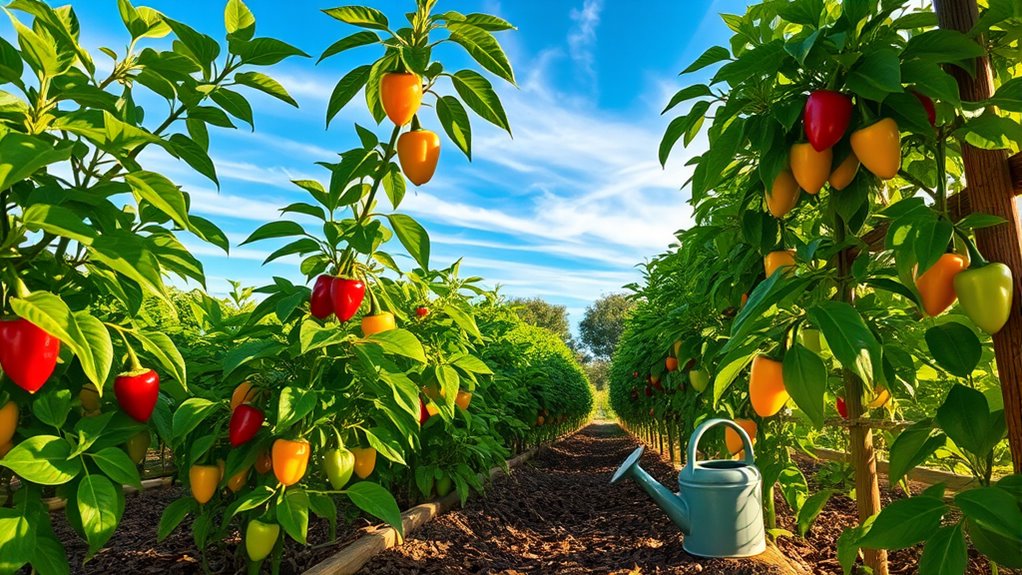

When it comes to pepper cultivation, choosing the right resource can make all the difference in your success. The Encyclopedia of Spicy Peppers stands out as the best overall for its comprehensive coverage on varieties and recipes. For those focused on practical growing techniques, Heirloom Chili Pepper Seeds offers excellent value with high germination rates. Meanwhile, Pepper Masterclass is ideal for growers looking to master harvesting and cultivation techniques. The main tradeoffs often involve balancing detailed information against ease of use and price. Keep reading for a full breakdown of these top picks and what makes each suitable for different growers.

Get garden gear delivered free — and shop member deals
- Fast, free delivery on millions of items
- Access to Prime Big Deal Days deals on October 6–7
- Prime Video, Amazon Music and more included
Complete the kit


Key Takeaways
- The top resources vary between comprehensive encyclopedic guides and practical seed packs, reflecting different grower priorities.
- High germination and seed quality are critical factors for successful cultivation, as seen with Heirloom Chili Pepper Seeds.
- Complete guides like the Pepper Masterclass provide in-depth technical knowledge but may be overwhelming for beginners.
- Visual recognition tools, such as the photo-rich ‘189 Varieties of Chili Peppers,’ are invaluable for identifying and understanding different varieties.
- Price versus depth of information is a recurring consideration—more detailed resources often cost more but offer better long-term value.


More Details on Our Top Picks
Encyclopedia of Spicy Peppers: Pepper Index and Recipes
This book stands out for its extensive index of spicy peppers and diverse recipes, making it an invaluable resource for those deeply interested in pepper varieties and culinary applications. Compared to practical growing guides like ‘The Complete Chile Pepper Book’, it offers richer cultural context and recipe ideas, but it lacks technical details or cultivation advice. This makes it ideal for spice lovers and home cooks eager to explore different peppers, though less suitable for gardeners seeking detailed growing instructions. The comprehensive index helps users identify peppers for specific flavor profiles, while the recipe section sparks culinary experimentation. However, the absence of cultivation details limits its usefulness for growers. Overall, this book is best suited for enthusiasts more interested in cooking than cultivation.Pros:- Extensive and detailed pepper index for identification and exploration
- Includes a variety of recipes to inspire culinary creativity
- Great resource for spice lovers interested in diverse chili profiles
Cons:- Lacks cultivation advice or growing instructions
- No technical specifications or grower-focused content
Best for: Home cooks and spice aficionados wanting to deepen their knowledge and experiment with peppers in the kitchen
Not ideal for: Gardeners seeking detailed growing techniques or technical cultivation guidance
Our verdict“Best suited for those passionate about the culinary uses of peppers rather than cultivation techniques.”
The Complete Chile Pepper Book: A Gardener’s Guide to Choosing, Growing, Preserving, and Cooking
This guide offers practical advice on selecting, growing, and preserving chile peppers, making it a strong choice for gardeners who want a comprehensive resource. Unlike ‘Encyclopedia of Spicy Peppers’, which focuses on recipes and spice profiles, this book emphasizes cultivation and preservation techniques, providing step-by-step guidance for successful harvests. It’s ideal for those who want to grow their own peppers and then preserve or cook with them. However, it doesn’t include detailed product specifications or reviews, limiting its usefulness for advanced growers seeking technical data. For gardeners embarking on pepper cultivation, this book bridges the gap between planting and table, but those seeking inspiration for culinary experimentation alone should look elsewhere.Pros:- Comprehensive advice on growing and preserving peppers
- Suitable for both beginners and experienced gardeners
- Includes practical tips for year-round use and storage
Cons:- No detailed product features or specifications
- Lacks reviews or user ratings for validation
Best for: Gardening enthusiasts interested in growing and preserving their own peppers
Not ideal for: Cooks or spice lovers seeking detailed recipes without cultivation guidance
Our verdict“Ideal for gardeners who want a full cycle guide from planting to preservation, less so for culinary-focused users.”
Jalapeño Pepper Seedlings – Ready-to-Plant, Live Plants, 6 seedlings
These ready-to-plant jalapeño seedlings excel for gardeners seeking quick, high-yield peppers, especially compared to seed-starting for those new to cultivation. With a 65–70 day maturity period, they provide a faster harvest than starting from seed, making them ideal for impatient growers or those with limited space. However, their need for warm conditions and limited cold hardiness zones restrict their use in cooler climates, unlike heirloom seeds that can be started indoors and transplanted outside later. This pick makes the most sense for warm-season gardeners wanting reliable, early peppers for fresh eating or cooking. The high-yielding plants and early maturity offset the requirement for warm climates, but beginners in cooler zones should consider starting seeds indoors first.Pros:- High-yielding and early-maturing, ensuring quick harvests
- Suitable for both traditional soil and hydroponic systems
- Produces medium-hot peppers versatile for multiple culinary uses
Cons:- Requires warm-season conditions, limiting geographic range
- Limited cold hardiness zones restrict outdoor success in cooler climates
Best for: Beginners and gardeners in warm zones looking for quick, reliable pepper production
Not ideal for: Cold-climate gardeners who cannot provide consistent warmth or season extension
- Type:Jalapeño Pepper Seedlings
- Number of seedlings:6
- Days to maturity:65–70 days
- Harvest size:2–3 inches
- Cold hardiness zones:5–10
- Plant characteristics:Compact, high-yielding, early-maturing
Our verdict“Perfect for gardeners in warm zones seeking fast-growing, reliable jalapeños for culinary use.”
Pepper Masterclass: The Ultimate Guide to Growing, Harvesting, and Mastering Peppers
This masterclass offers detailed insights into cultivating and culinary uses of peppers, filling a niche between technical growing guides and recipe collections. Compared to ‘The Complete Chile Pepper Book’, it emphasizes both growing and harvesting techniques along with cooking tips, making it suitable for those who want a holistic approach. Its lack of specific product features or ratings limits its ability to serve as a technical manual, but it excels at providing practical advice for mastering pepper cultivation and preparation. It’s ideal for food lovers who want to understand the entire process from seed to plate, though less so for those seeking detailed specifications or technical data. For anyone looking to deepen their pepper knowledge beyond just growing or cooking, this guide offers a balanced perspective.Pros:- Provides detailed guidance on growing and harvesting
- Includes culinary tips for various pepper uses
- Suitable for hobbyists and home chefs seeking mastery
Cons:- No specific product features or specifications provided
- Lacks user reviews or validation data
Best for: Gardeners and food enthusiasts wanting a comprehensive, integrated approach to pepper cultivation and use
Not ideal for: Growers seeking purely technical or scientific cultivation data
Our verdict“Ideal for those seeking a well-rounded, practical guide to both growing and cooking with peppers.”
Heirloom Chili Pepper Seeds – Non-GMO, High Germination, 100 Pack
These heirloom seeds provide a reliable option for growers wanting a high germination rate and a large quantity of seeds, making them perfect for extensive planting or seed saving. Compared to seedlings like the jalapeño plants, they require an initial start indoors, but offer more control over the growing process and are suited for various planting environments, including greenhouses and small beds. Their non-GMO status appeals to organic and heirloom advocates, and the high germination rate boosts confidence in successful crop production. The main tradeoff is the need for a longer lead time—8 to 10 weeks before the last frost—and the requirement for full sun and warm soil. This makes them less ideal for growers seeking immediate results or those in cooler climates without season extension.Pros:- High germination rate ensures reliable seedling emergence
- Non-GMO and heirloom quality appeals to organic growers
- Versatile for planting in garden beds, pots, or greenhouses
Cons:- Requires starting indoors 8-10 weeks before last frost
- Needs full sun and warm soil for optimal growth
Best for: Budget-conscious gardeners and heirloom enthusiasts willing to start seeds indoors for maximum control
Not ideal for: Growers looking for instant crops or in cooler regions without season extension options
- Seeds per Pack:100
- GMO:Non-GMO
- Germination Rate:High
- Planting Options:Garden beds, patio pots, greenhouse
- Sunlight:Full sun
- Suitable Seasons:Spring and summer
Our verdict“Great for dedicated growers willing to start from seed and seeking heirloom, non-GMO varieties for long-term cultivation.”
189 Varieties of Chili Peppers: 378 Photos to Learn Recognition, History, Botany, and Cultivation
This book stands out as a comprehensive visual encyclopedia, ideal for growers who want to deepen their understanding of chili pepper diversity. Unlike the Encyclopedia of Spicy Peppers, which emphasizes recipes and culinary uses, this guide focuses on botanical details and cultivation history, making it invaluable for serious growers and enthusiasts. Its extensive collection of 189 varieties, paired with 378 high-quality photos, helps with accurate identification and understanding of each pepper’s unique traits. While it offers rich background info, it lacks price info and specific edition details, which could be a drawback for those seeking current purchasing guidance. This resource is best for dedicated collectors and hobbyist growers aiming to expand their chili knowledge base. However, those seeking practical planting instructions or seed sourcing may need supplementary guides.
Pros:- Extensive coverage of 189 chili varieties
- Rich photographic content for easy identification
- Provides detailed history and botanical insights
Cons:- No pricing or edition details available
- Lacks practical cultivation or planting instructions
- No customer ratings or user feedback included
Best for: Chili enthusiasts and botanists seeking detailed identification and cultivation background
Not ideal for: Beginners looking for step-by-step growing instructions or seed suppliers
- Number of varieties:189
- Number of photos:378
- Focus areas:Recognition, history, botany, cultivation
- Format:Printed book
- Target audience:Enthusiasts, collectors, botanists
Our verdict“This book is perfect for dedicated chili collectors and serious growers wanting a deep dive into variety recognition and history.”

How We Picked
These products were selected based on their relevance to pepper cultivation, diversity of content, and practicality for growers. We evaluated each for comprehensiveness, ease of understanding, seed quality, and additional resources like recipes or recognition tools. The ranking reflects a balance between in-depth knowledge and user-friendliness, aiming to serve both beginners and seasoned growers. Price and reputation also played roles, ensuring recommended options provide good value for different budgets and needs.Factors to Consider When Choosing Pepper Cultivation
Choosing the right pepper cultivation resource involves understanding several key factors beyond just content quality. Growth success depends heavily on seed quality, seedling options, and practical guidance. Considering your experience level and specific goals can help you select resources that match your needs. Here are some essential factors to keep in mind when evaluating pepper cultivation tools and guides.Quality of Seeds and Seedlings
The foundation of successful pepper cultivation lies in high-quality seeds or seedlings. Look for non-GMO, high germination rates, and trusted sources. Seed packs offering a variety of heirlooms or rare cultivars can add uniqueness to your garden, but ensure they are from reputable suppliers. For beginners, ready-to-plant seedlings can reduce setup time and minimize germination failures. However, they tend to be more expensive than seeds, so weigh your budget accordingly.
Comprehensiveness of Information
Some resources focus solely on recipes or variety identification, while others cover everything from soil preparation to harvesting. Decide whether you need a detailed technical guide or a broad overview. Complete books or guides like the Pepper Masterclass provide step-by-step instructions, ideal for those who want to master cultivation. Conversely, encyclopedias and visual recognition books excel at helping you identify and appreciate different varieties but may lack in-depth growing advice.
Ease of Use and Accessibility
Resources should match your experience level. Beginners benefit from clear, straightforward instructions and visual aids, while experienced growers might prefer detailed technical data. Beware of overly complex guides that can overwhelm new gardeners, and avoid simplified resources that lack actionable details. The availability of online support, community forums, or supplementary videos can also enhance learning and troubleshooting.
Price and Long-Term Value
Investing in quality resources often pays off in better yields and healthier plants. High-priced guides or seed packs may offer increased germination rates, extensive variety selections, or in-depth technical insights. Conversely, budget options can still be effective if they focus on core principles and practical advice. Consider what matters most to your cultivation goals and budget constraints—sometimes, a mid-range resource offers the best balance of cost and quality.
Additional Features and Resources
Extras like recipe sections, recognition photos, or online communities can enhance your pepper-growing experience. Visual aids are especially helpful for identifying varieties and avoiding mix-ups. Resources that include recipes or preservation tips add value for those interested in culinary uses. Think about whether you prefer physical books, digital guides, or seed packages, as each offers distinct advantages depending on your learning style and needs.
Frequently Asked Questions
What is the best resource for a beginner interested in growing peppers?
A beginner should look for a resource that combines clear, step-by-step instructions with visual aids and easy-to-understand language. The Heirloom Chili Pepper Seeds pack, paired with simple guides like the Pepper Masterclass, offers an ideal entry point by providing practical seeds and foundational knowledge without overwhelming detail. Additionally, beginner-friendly books often include troubleshooting tips and basic cultivation techniques to help new growers succeed from the start.
Should I prioritize seed quality over the complexity of the guide?
Yes, seed quality directly impacts your cultivation success and should be a top priority. Even the most comprehensive guide won’t help if your seeds have low germination rates or are from unreliable sources. Once you secure high-quality seeds or seedlings, choosing a guide that matches your experience level becomes easier. For those new to gardening, simple, straightforward guides are often more effective, while experienced growers can benefit from detailed technical resources.
Are visual recognition books worth investing in for pepper cultivation?
Visual recognition books like ‘189 Varieties of Chili Peppers’ provide immense value for identifying different peppers and understanding their characteristics. They are especially useful for home growers who want to expand their variety collection or for those interested in culinary and botanical distinctions. While they don’t replace technical cultivation guides, these books help prevent mix-ups and deepen appreciation for plant diversity, making them a worthwhile addition to your resources.
How important is it to choose a guide with recipes and culinary tips?
If your primary goal is to grow peppers for cooking, selecting a resource that includes recipes and preservation methods can add extra motivation and practical value. These guides help connect cultivation with culinary use, making the gardening process more engaging. However, if your focus is solely on growing healthy plants, technical guides on propagation, soil prep, and pest management should take precedence. Balancing cultivation knowledge with culinary tips depends on your specific interests.
Can I rely solely on online resources for pepper cultivation?
Online resources are convenient and often up-to-date, but they should complement physical guides or seed sources. Many reputable websites, forums, and videos provide valuable tips, but they may lack the depth or structured learning that physical books or seed packs offer. Combining digital advice with vetted physical resources ensures you have reliable, comprehensive information. For beginners, structured guides with clear instructions tend to be more effective than scattered online advice alone.
Conclusion
For those just starting out or seeking a comprehensive reference, The Complete Chile Pepper Book or Encyclopedia of Spicy Peppers are excellent choices, offering in-depth knowledge and recipes. Growers focused on affordability and seed quality will find Heirloom Chili Pepper Seeds to be a smart pick. Advanced gardeners aiming to master cultivation techniques might prefer Pepper Masterclass for its detailed guidance. Overall, your choice should align with your experience level, budget, and specific cultivation goals, ensuring the best fit for your pepper-growing journey in 2026.
As an affiliate, we earn on qualifying purchases.Halloween Picks
halloween