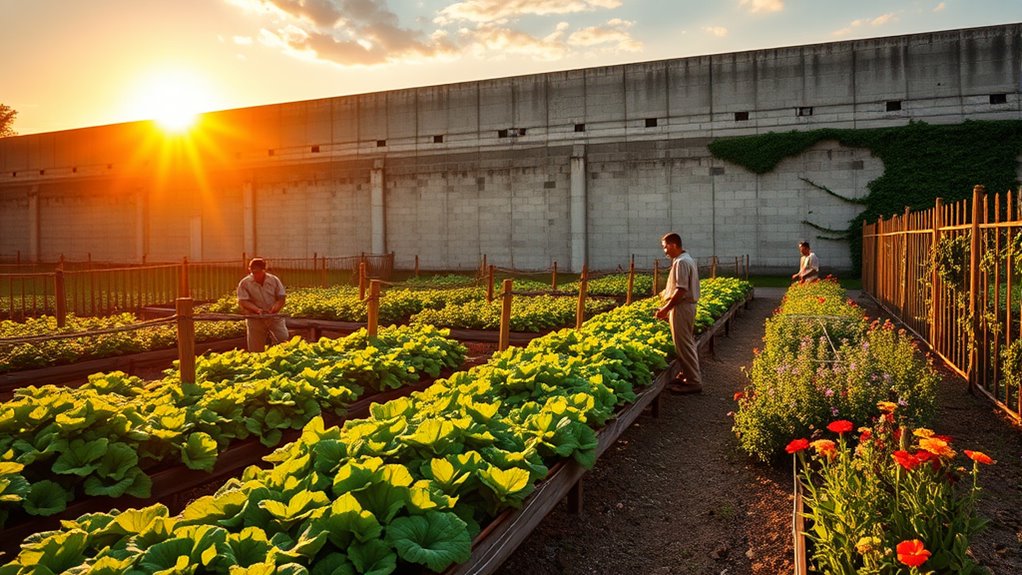

Prison gardens have become a powerful tool for rehabilitation, community building, and social justice. Among the most influential resources are books that explore these themes from various angles. For those interested in practical programs, The Community Garden Book offers actionable strategies for community-led urban agriculture. Meanwhile, Doing Time in the Garden highlights personal growth stories through horticulture, appealing to readers seeking inspiration. For a focus on social impact and justice, What Grows There – Community & Justice From a Prison Garden provides compelling narratives. Each of these options presents unique tradeoffs between practical guidance, inspirational storytelling, and social justice insights, shaping different decision paths.
Complete the kit


Key Takeaways
- Prison gardens serve multiple roles, from community development to personal rehabilitation.
- Books vary in focus: practical gardening strategies, social justice, or personal stories.
- Choosing the right resource depends on whether a reader seeks technical guidance, social impact insights, or inspirational narratives.
- Limited technical content is common among social justice-focused books, which may not suit practical gardeners.
- All options highlight the transformative power of gardening in correctional settings, but vary in depth and applicability.
| The Community Garden Book: New Directions for Creating and Managing Neighborhood Food Gardens in Your Town | 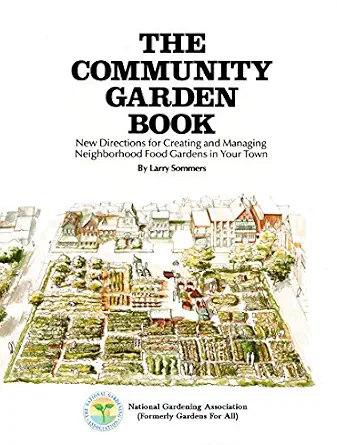 | Best for Practical Community Gardening Strategies | Audience: Community groups, local governments | Content Focus: Urban agriculture, program management | Application: Community food gardens in prisons | VIEW ON AMAZON | See Our Full Breakdown |
| Gardening Behind Bars: Clinical Sociology and Food Justice in Incarcerated Settings |  | Best for Social Justice and Rehabilitation Focus | Audience: Academics, policymakers, social justice advocates | Content Focus: Food justice, sociology, reform | Application: Theoretical insights into prison gardens | VIEW ON AMAZON | See Our Full Breakdown |
| Doing Time in the Garden: Life Lessons through Prison Horticulture |  | Best for Inspirational Personal Growth Stories | Audience: Students, social workers, motivational readers | Content Focus: Personal growth, rehabilitation | Application: Inspirational stories | VIEW ON AMAZON | See Our Full Breakdown |
| What Grows There – Community & Justice From a Prison Garden |  | Best for Social Impact and Community Building | Audience: Community organizers, social justice advocates | Content Focus: Social impact, justice, community | Application: Storytelling and advocacy | VIEW ON AMAZON | See Our Full Breakdown |
| A Prisoner in the Garden |  | Best for Narrative and Literary Engagement | Audience: Literature enthusiasts, symbolic story lovers | Content Focus: Themes of captivity, freedom, symbolism | Application: Literary and emotional reflection | VIEW ON AMAZON | See Our Full Breakdown |
| prison garden | Audience | Content Focus | Application | Approach |
|---|---|---|---|---|
| The Community Garden Book: New | Community groups, local governments | Urban agriculture, program management | Community food gardens in prisons | Practical strategies |
| Gardening Behind Bars: Clinica | Academics, policymakers, social justice advocates | Food justice, sociology, reform | Theoretical insights into prison gardens | Analytical and advocacy-based |
| Doing Time in the Garden: Life | Students, social workers, motivational readers | Personal growth, rehabilitation | Inspirational stories | Narrative-driven |
| What Grows There | Community organizers, social justice advocates | Social impact, justice, community | Storytelling and advocacy | Narrative and impact-focused |
| A Prisoner in the Garden | Literature enthusiasts, symbolic story lovers | Themes of captivity, freedom, symbolism | Literary and emotional reflection | Narrative fiction |
More Details on Our Top Picks
The Community Garden Book: New Directions for Creating and Managing Neighborhood Food Gardens in Your Town
This book stands out for its focus on establishing and managing community food gardens, emphasizing sustainable urban agriculture. Compared with others, it offers actionable guidance tailored to neighborhood groups and local governments, making it ideal for those looking to implement or improve prison garden programs in urban settings. Its main tradeoff is the lack of detailed technical gardening content or reviews, which might limit practical gardeners seeking step-by-step instructions. Still, for organizations seeking a strategic framework, this resource provides valuable insights and innovative approaches.
Pros:- Provides practical strategies for community gardening
- Suitable for neighborhood groups and local governments
- Promotes sustainable urban agriculture
- Focuses on program management and community impact
Cons:- No detailed gardening techniques or content
- Lacks customer reviews or ratings
- Limited focus on individual or rehabilitative stories
Best for: Community organizers and local government officials implementing prison garden projects
Not ideal for: Incarcerated individuals seeking direct horticultural techniques or personal growth stories
- Audience:Community groups, local governments
- Content Focus:Urban agriculture, program management
- Application:Community food gardens in prisons
- Approach:Practical strategies
- Technical Detail:Limited
- Rating:No reviews available
Our verdict“A solid choice for those planning large-scale or community-oriented prison garden initiatives requiring strategic guidance.”
Gardening Behind Bars: Clinical Sociology and Food Justice in Incarcerated Settings
This book offers a deep dive into how gardening can support social justice and rehabilitation within prisons, blending clinical sociology with activism. Compared to more practical guides, it emphasizes the social impact of prison gardens and their role in fostering justice reform. Its main drawback is its academic tone and narrow audience—primarily suited for students, professionals, or activists rather than hands-on practitioners. If your interest is in understanding the societal benefits of prison gardens, this book provides valuable context, but it lacks technical gardening advice or step-by-step guidance.
Pros:- Provides insights into food justice and social impact
- Combines sociology with practical applications
- Suitable for academic or professional audiences
- Highlights the role of gardens in justice reform
Cons:- Limited practical gardening content
- Narrow focus on social issues
- No customer reviews or detailed content overview
Best for: Social justice advocates, educators, and policymakers interested in prison reform
Not ideal for: Prisoners or practitioners seeking technical horticulture instructions
- Audience:Academics, policymakers, social justice advocates
- Content Focus:Food justice, sociology, reform
- Application:Theoretical insights into prison gardens
- Approach:Analytical and advocacy-based
- Technical Detail:Limited
- Rating:No reviews available
Our verdict“Ideal for those exploring the societal and justice aspects of prison gardening programs, but less so for hands-on horticulturists.”
Doing Time in the Garden: Life Lessons through Prison Horticulture
This book shares compelling stories of personal transformation through prison horticulture programs. Compared with technical guides, it emphasizes the human stories and rehabilitative power of gardening, making it ideal for readers seeking motivation or understanding how gardening impacts inmate lives. The main drawback is its limited focus on practical techniques; it offers little technical guidance, which could be a drawback for those wanting hands-on instructions. Still, its inspiring narratives make it a meaningful choice for motivational or educational purposes.
Pros:- Provides inspiring stories of personal growth
- Highlights the rehabilitative potential of gardening
- Offers unique insights into prison life
- Suitable for motivational reading and social work
Cons:- Lacks detailed horticultural techniques
- Limited technical or practical content
- Not aimed at practitioners or program planners
Best for: Individuals interested in personal stories and rehabilitation through gardening
Not ideal for: Practical gardeners or program managers seeking technical details
- Audience:Students, social workers, motivational readers
- Content Focus:Personal growth, rehabilitation
- Application:Inspirational stories
- Approach:Narrative-driven
- Technical Detail:Limited
- Rating:No reviews available
Our verdict“Excellent for those looking for motivational stories and insights into personal transformation through prison gardening.”
What Grows There – Community & Justice From a Prison Garden
This book explores how prison gardens foster community cohesion and promote justice, sharing inspiring stories of transformation and social impact. It emphasizes the role of gardening programs in creating positive change, making it a good pick for advocates and practitioners focused on social outcomes. Its main limitation is the lack of detailed practical gardening advice, which means it’s less suitable for those wanting technical guidance or horticultural techniques. Instead, this resource excels at illustrating the social and justice benefits of prison gardens.
Pros:- Highlights social impact and community building
- Provides inspiring stories of transformation
- Focuses on justice and social change
- Suitable for advocacy and program development
Cons:- Limited technical gardening information
- Less focus on practical gardening techniques
- Narrow content scope for technical gardeners
Best for: Community leaders, social justice advocates, and program developers
Not ideal for: Incarcerated individuals seeking technical gardening skills
- Audience:Community organizers, social justice advocates
- Content Focus:Social impact, justice, community
- Application:Storytelling and advocacy
- Approach:Narrative and impact-focused
- Technical Detail:Limited
- Rating:No reviews available
Our verdict“Perfect for those interested in the social and justice dimensions of prison gardens, rather than hands-on horticulture.”
A Prisoner in the Garden
This novel offers a gripping story centered on themes of captivity and freedom, using garden metaphors and characters’ experiences to explore deeper emotional and philosophical issues. It provides a compelling narrative but does not include practical or technical gardening content. Compared to the other titles, it’s more suited for literary readers or those interested in emotional and symbolic storytelling about prison life. Its main tradeoff is that it doesn’t serve as a resource for program development or technical understanding of prison horticulture.
Pros:- Engaging, thought-provoking story
- Well-developed characters and themes
- Uses garden metaphors effectively
- Suitable for literary and emotional engagement
Cons:- Lacks technical or practical gardening details
- Limited content on real-world prison gardening
- More of a novel than an informational resource
Best for: Literature lovers and readers interested in symbolic storytelling about prison life
Not ideal for: Practical gardeners, program managers, or social justice advocates seeking technical or social insights
- Audience:Literature enthusiasts, symbolic story lovers
- Content Focus:Themes of captivity, freedom, symbolism
- Application:Literary and emotional reflection
- Approach:Narrative fiction
- Technical Detail:None
- Rating:No reviews available
Our verdict“A captivating choice for readers seeking a literary exploration of prison themes through garden symbolism.”

How We Picked
Our selection process centered on evaluating each resource’s relevance to prison gardens’ multifaceted roles—rehabilitation, community, and justice. We prioritized books that offer clear insights or stories aligned with these themes, considering their potential to inspire or inform. Practicality was a key factor, but we also valued works that shed light on social impact and personal transformation. Since no single resource covers all aspects comprehensively, each was chosen to represent a distinct perspective, ensuring a well-rounded lineup for different buyer needs.
| prison garden | Audience | Content Focus | Application | Approach |
|---|---|---|---|---|
| The Community Garden Book: New | Community groups, local governments | Urban agriculture, program management | Community food gardens in prisons | Practical strategies |
| Gardening Behind Bars: Clinica | Academics, policymakers, social justice advocates | Food justice, sociology, reform | Theoretical insights into prison gardens | Analytical and advocacy-based |
| Doing Time in the Garden: Life | Students, social workers, motivational readers | Personal growth, rehabilitation | Inspirational stories | Narrative-driven |
| What Grows There | Community organizers, social justice advocates | Social impact, justice, community | Storytelling and advocacy | Narrative and impact-focused |
| A Prisoner in the Garden | Literature enthusiasts, symbolic story lovers | Themes of captivity, freedom, symbolism | Literary and emotional reflection | Narrative fiction |
Factors to Consider When Choosing Prison Gardens
Choosing the right resource on prison gardens depends on your specific goals—whether it’s implementing practical programs, understanding social impacts, or finding inspiring stories. Each book in this lineup offers a distinct perspective, so aligning your priorities with their focus will help you make the best choice for your needs.Practical Guidance versus Inspirational Stories
If your goal is to develop or improve a prison garden program, focus on resources like The Community Garden Book, which offers actionable strategies for community-led initiatives. Conversely, if you seek motivation or insights into personal transformation, Doing Time in the Garden provides compelling narratives. Understanding these distinctions helps narrow down the best fit for your purpose.
Social Justice and Community Impact
For those interested in the societal and justice-related aspects of prison gardens, Gardening Behind Bars and What Grows There emphasize social impact stories and reform-oriented themes. These are less about technical gardening and more about the broader purpose of such programs.
Technical Content and Practicality
If technical details and gardening techniques are your priority, these books are limited. Instead, look for resources specifically focused on horticulture. The books here primarily serve as narratives or social analyses, which may require supplementary technical guides if hands-on implementation is your goal.
Frequently Asked Questions
What is the main purpose of prison gardens?
Prison gardens serve multiple roles, including promoting rehabilitation, fostering community, and supporting social justice initiatives. They can help inmates develop skills, improve mental health, and contribute to societal reform efforts through gardening programs that build responsibility, teamwork, and purpose.
Are these books suitable for practical prison gardening programs?
Only some titles, like The Community Garden Book, focus on practical strategies and management, making them suitable for program implementation. Many others, such as Gardening Behind Bars or What Grows There, are more oriented towards social impact, stories, or academic analysis, and may require additional technical resources for hands-on gardening.
Can I find detailed horticultural techniques in these books?
Most of these titles do not provide step-by-step gardening techniques. They focus more on social, personal, or community themes. If detailed horticultural instructions are needed, supplementary technical guides will be necessary, as these books primarily offer context, stories, or strategic insights.
Which book is best for understanding the social impact of prison gardens?
What Grows There stands out for its focus on how prison gardens influence community and justice reform. It shares inspiring stories of transformation and emphasizes social outcomes, making it ideal for advocates and program developers interested in social impact rather than technical gardening details.
Are these resources appropriate for inmates to read directly?
Most of these books are better suited for professionals, advocates, or students rather than incarcerated individuals, as many lack practical horticultural advice or are written from an academic or narrative perspective. For inmate-focused reading, more accessible or instructional materials may be preferable.
Conclusion
If you are a community organizer or local government official aiming to develop or manage prison gardens, The Community Garden Book offers the practical guidance needed. For those interested in the social justice or transformational stories behind prison horticulture, Gardening Behind Bars and What Grows There provide inspiring narratives and social insights. Readers seeking motivational accounts or literary stories might prefer Doing Time in the Garden or A Prisoner in the Garden. Overall, selecting a resource hinges on your primary focus—whether practical, social, or literary—each provides a valuable perspective on the multifaceted world of prison gardens.