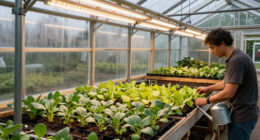
This checklist is for greenhouse gardeners preparing plants and growing spaces for winter. It covers insulation, plant covers, supplemental heat, temperature monitoring, ventilation, and pipe protection, with guidance on choosing products that fit your setup. Start with your greenhouse: its size, construction, plants, and existing equipment shape what you need.

Get garden gear delivered free with Prime
- Fast, free delivery on millions of items
- Prime Video, Amazon Music and more included
- Member-only deals all year
The sections follow practical winter-protection jobs, from reducing heat loss to keeping an eye on temperature and protecting water lines. Product picks appear where provided; the thermometer and pipe-cable sections offer selection advice without a specific pick. Use each section to match a solution to your greenhouse rather than assuming one item covers every risk.
Before buying, measure the spaces and surfaces you want to protect, check product dimensions and installation requirements, and consider how you will use the greenhouse through cold spells. Pair equipment thoughtfully, and follow its instructions for placement and operation. Fit and compatibility matter as much as the product category.
Greenhouse Bubble Insulation
Insulation can help reduce heat loss through greenhouse surfaces, making it a useful part of a winter plan. The EcoFoil Single Bubble Insulation Roll is listed as 48 inches by 125 feet, covering 500 square feet. Those dimensions give you a starting point for estimating how much surface it may cover, but the greenhouse’s shape, glazing, framing, doors, and vents affect the actual amount needed. Measure before ordering, and account for overlaps, edges, and areas you may want to leave uncovered.
A common mistake is treating the roll’s stated coverage as an exact fit. Sketch the greenhouse and measure each intended panel; check how the material is meant to be installed and whether the fixing method suits your structure. Avoid blocking vents or access points that you still need to use. Consider whether insulation will interfere with opening doors, maintaining equipment, or reaching plants. If you are insulating only part of the greenhouse, prioritize areas according to your setup and how you use the space. Plan around openings and routine access, then compare the measured area with the roll dimensions.
What to look for:
- Measure the glazing and surfaces you plan to cover
- Compare the roll dimensions with your layout
- Allow for overlaps, edges, and trimming
- Check that installation works with your greenhouse framing
- Keep vents, doors, and access points usable
EcoFoil Single Bubble Insulation Roll 48" x 125′ (500 sq. ft.), 3.175mm Thick, W

This reflective bubble insulation roll provides effective thermal barrier by reflecting 96% of radiant heat, helping to reduce energy costs. It is lightweight, easy to install, and suitable for various applications including home, garage, and pole barns.
Pros:
- Reflects 96% of radiant heat, improving energy efficiency
- Easy to handle and cut for DIY installation
- Versatile use for various building types and climates
- Acts as a vapor barrier to prevent moisture buildup
Cons:
- Best suited for warmer regions; less effective in cold climates
- Requires proper sealing with tape for vapor barrier effectiveness
- Potential difficulty in installation on uneven surfaces
Best for: Greenhouse owners measuring surfaces before insulating
Not ideal for: Setups that need a different roll size or installation method
Bottom line: Measure your greenhouse panels and openings to judge whether this roll’s dimensions suit the job.
Frost Protection Blankets
Plant covers provide a way to shield plants during cold conditions, but the right choice depends on what you are covering and how you will use the greenhouse. The listed pick, Plant Freeze Protection Covers for Winter Plants Gardens Frost, Sun, P, is identified as a frost-protection cover; the product name does not specify its dimensions or material. Check the listing for those details before deciding whether it suits your plants, benches, or growing area. Check the actual size against the plants you intend to cover.
One frequent buying mistake is assuming a cover will fit a group of plants or stay in place without checking its form and fastening approach. Compare the product dimensions with plant height and spread, and consider whether you need to uncover plants regularly for watering, airflow, or inspection. Make sure the cover will not press against delicate growth or obstruct nearby doors and vents. Think through how you will secure it and remove it when conditions change. Plan for access so routine care remains practical. Follow the product’s own instructions, and treat a cover as one component of winter protection rather than a substitute for checking greenhouse temperatures.
What to look for:
- Confirm the cover’s dimensions and material in the listing
- Match its size to plant height and spread
- Check how it is secured and removed
- Leave room for routine watering and inspection
- Make sure it will not block doors or vents
Plant Freeze Protection Covers for Winter Plants Gardens Frost, Sun, Pests

This set includes two large 96×96 inch frost covers made from heavy-duty breathable non-woven fabric. They feature side zippers, drawstrings, and metal stakes for secure installation.
Pros:
- Breathable material allows air, sunlight, and moisture to reach plants
- Easy installation with drawstring and side zipper
- Includes metal stakes and tie straps for secure fastening
- Versatile for frost, wind, snow, and pest protection
Cons:
- Large size may be cumbersome for small plants
- No specific cons mentioned in the description
Best for: Gardeners seeking a cover for selected winter plants
Not ideal for: Buyers who need confirmed dimensions before comparing options
Bottom line: Verify the cover’s size and use instructions against the plants you want to protect.
Greenhouse Heaters
A greenhouse heater can add supplemental warmth, while a fan can move air within the space. The listed BioGreen Electric Greenhouse Heater & Fan with Digital Thermostat PALM combines those functions in its product name. Before choosing it, compare the greenhouse’s dimensions and layout with the heater’s stated suitability, and check its electrical and installation requirements. The product name does not establish how much space it can heat, so consult the listing and instructions for those specifics. Match capacity to your space using the manufacturer’s guidance.
A common mistake is buying a heater without considering placement, power access, and the conditions plants need. Check where the unit can sit safely, how its airflow may reach plants, and whether its controls are suitable for your routine. Keep the heater clear of materials and follow all safety instructions. Consider how doors, vents, and insulation affect the environment you are trying to maintain. The built-in digital thermostat may be useful for temperature control, but check the control details and operating instructions rather than assuming a particular range or feature. Review installation needs before purchase and plan to monitor greenhouse conditions after setup.
What to look for:
- Check manufacturer guidance for greenhouse suitability
- Confirm electrical and installation requirements
- Plan a safe location with suitable clearance
- Review thermostat controls and operating instructions
- Consider airflow, doors, vents, and insulation together
BioGreen Electric Greenhouse Heater & Fan with Digital Thermostat PALMA

The BioGreen PALMA is a compact, stainless‑steel greenhouse heater that offers two adjustable heating levels (750 W or 1500 W) and a digital thermostat for precise temperature control. It also functions as a fan, circulating up to 5800 ft³ of air per hour, and features IPX4 splash protection for damp environments.
Pros:
- Dual adjustable heating elements for flexible output
- Digital thermostat provides precise temperature control
- High‑capacity fan mode circulates air evenly and can cool in summer
- IPX4 splash‑proof design suitable for humid greenhouse conditions
Cons:
- Effective coverage limited to about 120 sq ft, not ideal for larger structures
- Maximum temperature of 185°F may be insufficient for some high‑heat needs
Best for: Greenhouse owners looking for a heater with a fan
Not ideal for: Setups that cannot meet the unit’s electrical or placement needs
Bottom line: Check the manufacturer’s suitability and safety guidance against your greenhouse before choosing this unit.
Digital Thermometers
A digital thermometer helps you check greenhouse conditions and make informed adjustments to heating, ventilation, and plant protection. With no specific product pick listed here, compare options based on how and where you want to take readings. Decide whether you need a single location reading or want to monitor more than one area, and check what the product’s display and installation require. Choose for your monitoring routine, not just the display style.
A common mistake is placing a thermometer where it measures a condition that does not reflect the plants’ environment, such as in direct sun or next to a heater. Follow the device instructions for placement, and consider checking readings at different points in the greenhouse. Confirm whether the thermometer needs batteries or another power source, how readings are displayed, and whether any included sensor suits your layout. Keep it accessible enough to read and maintain. Placement affects usefulness, so plan the location before purchasing and use readings alongside regular observation of your plants and greenhouse.
What to look for:
- Decide which greenhouse areas you need to monitor
- Check display readability from your usual access point
- Review power requirements and sensor placement
- Follow instructions for locating the thermometer
- Choose a setup you can check and maintain regularly
Automatic Vent Openers
An automatic vent opener can help operate a greenhouse vent without relying on a manual adjustment each time conditions change. The listed Amylove 4-Piece Dual-Spring Automatic Greenhouse Vent Opener is described by its name as a four-piece set with a dual-spring design. Before buying, check the listing for compatibility with your vent style, dimensions, and installation requirements. The product name alone does not establish which vents it fits. Confirm compatibility first to avoid choosing a mechanism that cannot attach to your setup.
A common mistake is assuming a vent opener will fit every greenhouse vent or will provide a particular opening range. Review the manufacturer’s specifications, mounting instructions, and any stated operating conditions. Measure the vent and surrounding frame, and check whether the opener’s movement will be unobstructed by insulation, shelving, or nearby structures. Consider whether you can reach the mechanism for adjustment and maintenance. Automatic opening can be part of ventilation management, but it does not replace checking the greenhouse or understanding your plants’ needs. Check travel and clearance in the product details and compare them with the vent’s movement before installation.
What to look for:
- Confirm the opener matches your vent style and dimensions
- Review mounting and adjustment instructions
- Check stated movement and operating conditions
- Measure clearance around the vent’s travel
- Consider access for inspection and maintenance
Amylove 4-Piece Dual-Spring Automatic Greenhouse Vent Opener
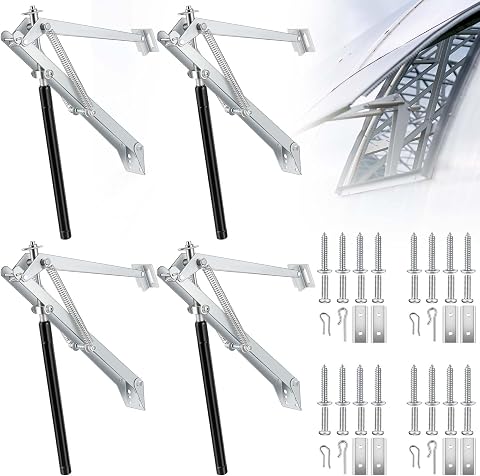
This set includes four aluminum alloy greenhouse vent openers with accessories for installation. Solar heat-sensitive operation opens vents above 25°C and closes them as temperatures fall to 15–18°C, without batteries or electrical power.
Pros:
- Operates without batteries or electrical power
- Dual springs provide stronger thrust
- Designed for windy areas
- Set includes four openers and installation accessories
Cons:
- The listed product dimensions of 1 x 1 x 1 inches may be incomplete or inaccurate
Best for: Greenhouse owners whose vents match the listed specifications
Not ideal for: Vents with unconfirmed fit or obstructed movement
Bottom line: Compare the opener’s mounting and movement details with your vent before purchase.
Pipe Freeze Protection Cables
Pipe freeze-protection cables are an option to consider when greenhouse water lines need winter protection. No specific product is listed, so begin by identifying the pipe material, length, routing, and the areas most exposed to cold. Compare cable options with the pipe manufacturer’s guidance and the cable instructions, including whether the product is suitable for your pipe and installation. Start with the pipe details before selecting a cable.
A common mistake is choosing a cable based only on total length or assuming any cable can be wrapped around any pipe. Check whether the product is designed for the intended installation method, whether insulation can be used with it, and what power source and controls it requires. Follow manufacturer instructions for spacing, attachment, and use; do not cover or install it in a way the instructions prohibit. Plan the cable route so it reaches the vulnerable sections without creating a trip or snag hazard. Follow installation guidance closely, and consider other practical measures such as locating shutoffs and draining lines where appropriate for your setup.
What to look for:
- Measure the pipe sections that need protection
- Confirm suitability for your pipe material and installation
- Check power, controls, and cable length requirements
- Review instructions for spacing and insulation use
- Plan safe routing and access to shutoffs
If you are prioritizing purchases, start with the issues that could most affect your particular greenhouse: measure the space, identify vulnerable plants and water lines, and determine whether you need insulation, covers, or supplemental heat. Then consider a thermometer to monitor conditions and a vent opener if the vent and mounting details match. Buy to fit your setup, checking dimensions, compatibility, and instructions as you compare options.
Winter preparation does not have to happen all at once. Work through the checklist, address the needs you can identify, and keep observing your plants and greenhouse as conditions change. Adjust your approach based on what your space requires and what the product instructions allow. Thoughtful preparation can make winter care feel more manageable, one practical step at a time.
Fall yard work Picks

Greenworks 40V Cordless Leaf Blower/Vacuum, 505 CFM, with 5.0Ah Battery and Charger
As an affiliate, we earn on qualifying purchases.