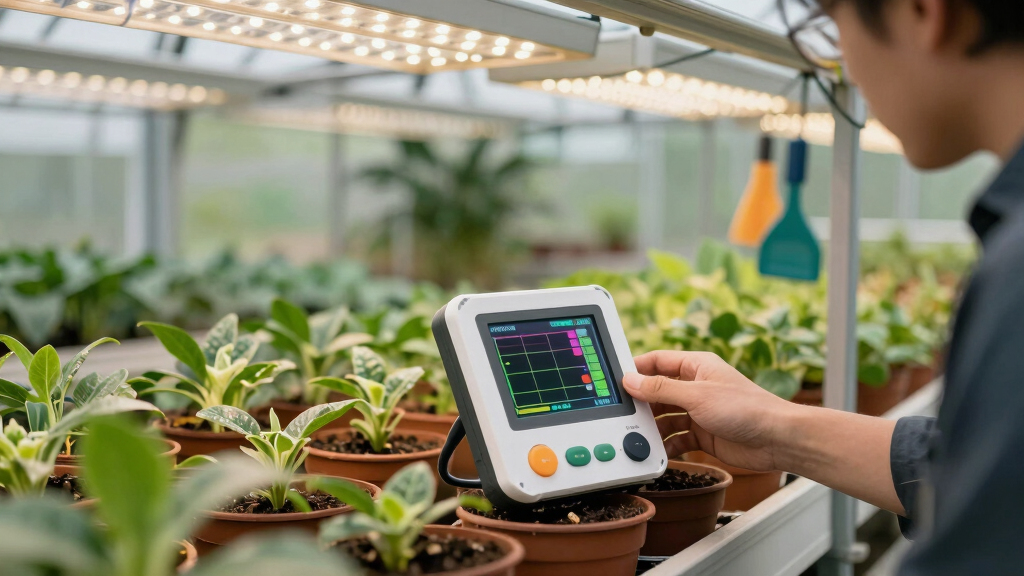

Finding the best greenhouse data tools for hobby growers involves balancing ease of use, features, and affordability. The Greenhouse Planner and Log Book stands out for its simplicity and tracking capabilities, making it ideal for hobbyists just starting out. For those seeking more advanced data analysis, the Greenhouse Gardener’s Manual offers comprehensive insights but requires a steeper learning curve. Buyers often face tradeoffs between affordability and features, as more powerful tools tend to come with higher complexity or cost. Continue reading to see how these options compare and which best fit your gardening style.

Get garden gear delivered free with Prime
- Fast, free delivery on millions of items
- Prime Video, Amazon Music and more included
- Member-only deals all year
Key Takeaways
- The best tools balance ease of use with meaningful data tracking features, especially for hobbyists without technical backgrounds.
- Affordable options like the Greenhouse Planner excel at basic planning but may lack advanced analytics found in premium tools.
- Integration capabilities with sensors or weather data significantly enhance the usefulness of more sophisticated tools.
- User interface and learning curve are critical; overly complex tools can discourage consistent use, reducing their value.
- Choosing a tool depends on your specific goals—whether it’s simple record-keeping or detailed environmental analysis.


More Details on Our Top Picks
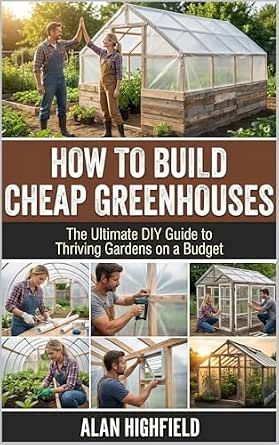
How to Build Cheap Greenhouses: The Ultimate DIY Guide to Thriving Gardens on a Budget | Step-by-step Guide To Build a PVC Greenhouse Under $200 | Best Cheap Materials For DIY Greenhouses
This guide stands out for hobbyists who want to construct their own greenhouse without breaking the bank. Compared to more comprehensive books like The Greenhouse Gardener’s Manual, it emphasizes cost-saving materials and simple construction steps, making it ideal for budget-conscious growers. However, it sacrifices some durability and climate control features found in premium models. This makes it perfect for small-scale, seasonal gardening projects, but less suitable for year-round or high-yield setups. The focus on DIY and affordability means you’ll need some basic tools and a willingness to tinker, but it delivers a straightforward pathway to a functional greenhouse under $200.
Pros:- Extremely affordable with materials under $200
- Step-by-step instructions suitable for DIY beginners
- Flexible design allows customization
Cons:- Limited durability and insulation for harsh weather
- Requires basic carpentry skills and tools
- Minimal automation or climate control features
Best for: Hobby growers on a tight budget who want to build a simple, functional greenhouse themselves
Not ideal for: Growers seeking a durable, climate-controlled structure or professional-grade setup
- Material Cost:Under $200
- Construction Time:Varies by skill, typically 1-2 days
- Design Type:PVC frame, plastic cover
- Ideal for:Small-scale, seasonal gardening
- DIY Level:Beginner
- Weather Suitability:Limited, best for mild climates
Bottom line: This guide is best suited for hobbyists eager to build a low-cost, simple greenhouse with minimal technical complexity.
Greenhouse Gardening for Beginners: Your Ultimate Guide to Growing Healthy, Organic Vegetables, Fruits, and Herbs All Year Long
This book makes a compelling case for beginners interested in organic, year-round greenhouse cultivation. It differs from The Complete Beginner’s Guide to Greenhouse Gardening by focusing more on organic practices and crop selection rather than construction tips. While it offers valuable insights into soil health, pest management, and plant care, it lacks detailed guidance on greenhouse setup or automation, which can be limiting for those wanting to start from scratch. It’s a perfect choice for hobbyists who already have a basic greenhouse or plan to buy one and want to maximize organic yields, but less suited for total novices looking for step-by-step building instructions.
Pros:- Focuses on organic methods and sustainable practices
- Clear, accessible language suitable for beginners
- Includes crop planning and year-round harvest tips
Cons:- Does not cover greenhouse construction or setup
- Limited technical details on climate management systems
- Assumes some prior basic gardening knowledge
Best for: Beginners with some greenhouse experience who want to improve organic gardening practices
Not ideal for: Complete novices seeking construction guidance or detailed greenhouse design plans
- Focus Area:Organic gardening
- Applicable Climate:Year-round
- Skill Level:Beginner to intermediate
- Crop Types:Vegetables, herbs, fruits
- Additional Topics:Pest management, soil health
Bottom line: This book is ideal for hobbyists ready to deepen their organic growing skills within an existing greenhouse setup.
The Year-Round Solar Greenhouse: How to Design and Build a Net-Zero Energy Greenhouse
This book excels at guiding hobbyists interested in sustainable, energy-efficient greenhouse design. Compared with The Complete Beginner’s Guide, it emphasizes solar heating, passive cooling, and net-zero energy principles, making it more suitable for environmentally-minded growers who want to minimize power bills. Its detailed scenarios and design options provide a solid foundation for creating a more self-sufficient structure, though it involves more complex engineering and higher initial costs. This makes it less practical for those seeking quick or inexpensive setups but invaluable for those committed to long-term sustainability and energy savings.
Pros:- In-depth coverage of solar and passive energy systems
- Multiple design scenarios for customization
- Encourages sustainable building practices
Cons:- Requires understanding of basic engineering principles
- Higher upfront costs and complexity
- Less focus on beginner construction details
Best for: Eco-conscious growers interested in designing energy-efficient, self-sustaining greenhouses
Not ideal for: Hobbyists looking for simple, low-cost structures without advanced energy considerations
- Design Focus:Net-zero energy
- Construction Complexity:Moderate to advanced
- Ideal Climate:All climates, especially temperate
- Energy Systems:Solar, passive heating
- Target Audience:Sustainable, eco-minded growers
Bottom line: This book is best for growers who want a greenhouse that pays back energy savings over time and are willing to invest in advanced design.
The Complete Beginner’s Guide to Greenhouse Gardening: A Step-by-Step Guide to Build Your First Greenhouse and Grow Fresh Vegetables, Herbs, and Flowers All Year Round on a Budget You Can Afford
This guide makes a strong case for newcomers who want clear, simple directions to build their first greenhouse without overspending. It shares similarities with the DIY-focused How to Build Cheap Greenhouses but offers more structured step-by-step instructions and broader coverage of plant care. While it provides a comprehensive overview of affordable construction options, it doesn’t delve deeply into automation, climate control, or advanced design features, which might limit long-term productivity. It’s an excellent starting point for hobbyists eager to get started fast and learn the basics, but those seeking high-tech or high-performance setups might find it lacking.
Pros:- Clear, easy-to-follow building instructions
- Affordable, suitable for small budgets
- Covers plant care basics for year-round growing
Cons:- Limited focus on automation or climate systems
- Less durable materials and construction options
- Not ideal for high-yield or professional setups
Best for: Absolute beginners who want a straightforward, budget-friendly greenhouse project
Not ideal for: Growers wanting detailed automation, climate control, or advanced design features
- Construction Cost:Budget-friendly
- Skill Level:Beginner
- Coverage:Building and growing basics
- Automation Features:Minimal
- Ideal for:Small-scale, hobbyist gardening
Bottom line: This guide is perfect for eager beginners seeking a simple, cost-effective way to start greenhouse gardening.
The Greenhouse Gardener’s Manual
This manual stands out for its broad coverage, offering detailed advice on everything from construction to crop management. Compared with The Year-Round Solar Greenhouse, it focuses less on energy efficiency and more on practical gardening tips and diverse growing techniques. It’s a go-to resource for hobbyists who want a one-stop guide, but it’s less specialized in sustainable or energy-efficient design. Its extensive information makes it invaluable for those willing to invest time in learning, though some may find it overwhelming without prior gardening experience. Still, it’s a solid reference for hobbyists aiming for a comprehensive, adaptable approach.
Pros:- Extensive coverage of gardening techniques and crops
- Practical advice on construction, pest control, and crop rotation
- Suitable for various greenhouse types
Cons:- Less focus on energy-efficient or DIY construction specifics
- Can be overwhelming for absolute beginners
- Heavy and less portable as a physical resource
Best for: Dedicated hobbyists seeking an all-in-one reference to support various aspects of greenhouse gardening
Not ideal for: Quick-start builders or those only interested in simple, low-maintenance structures
- Coverage:Construction, crop management, pest control
- Type:Printed manual
- Ideal for:Long-term, versatile gardening
- Focus:Practical techniques and crop success
- Difficulty:Intermediate to advanced
Bottom line: This manual is best suited for committed hobbyists wanting a detailed, comprehensive reference guide.
The Greenhouse Gardener’s Bible: The Most Complete Guide to Start Growing your Own Vegetables, Fruits, and Herbs All-Year-Round | Raised Bed Gardening, Hydroponics & Companion Planting
This book stands out for transforming the gardening experience from casual hobby to productive food system, with clear, no-nonsense instructions that emphasize efficiency. Unlike many gardening manuals that focus solely on planting tips, this guide integrates techniques like hydroponics and companion planting to maximize space and yield, making it ideal for hobbyists who want a practical, results-oriented approach. Its full-color pages and straightforward layout make complex concepts accessible, though it might lack the detailed planning features some growers need for tracking progress. Still, for those seeking a comprehensive, easy-to-follow resource that encourages a shift in mindset, this book offers valuable insights.
Pros:- Provides a holistic approach to year-round food production
- Clear, no-nonsense instructions that promote quick action
- Includes practical techniques like hydroponics and companion planting
- Full-color pages enhance understanding
Cons:- Lacks detailed planning or tracking features
- Focused more on concepts than step-by-step schedules
Best for: Hobby growers eager to deepen their understanding and produce food year-round with practical, results-driven methods
Not ideal for: Growers looking for detailed planning tools or journal templates, as this book focuses more on concepts than recordkeeping
- Format:Print hardcover and ebook
- Pages:320
- Language:English
- Focus:Year-round vegetable, fruit, and herb gardening
- Sections:Raised beds, hydroponics, companion planting
- Visuals:Full-color illustrations
Bottom line: This guide is ideal for hobby growers who want a comprehensive, actionable overview to boost their food-growing ambitions.
Greenhouse Gardening for Beginners: Build Your Own Greenhouse and Grow Amazing Organic Vegetables, Fruits, Herbs, And Flowers All-Year-Round. | BONUS: Plans & Ideas for Extending the Growing Season
This book makes a strong case for DIY enthusiasts wanting to start greenhouse gardening without a hefty investment. Compared with ‘The Greenhouse Gardener’s Bible,’ which emphasizes broad concepts, this guide offers concrete plans and ideas for constructing your own greenhouse, making it perfect for beginners who prefer hands-on projects. It also provides seasonal extension tips that complement the more conceptual advice in the other book. However, it doesn’t delve deeply into advanced growing techniques or detailed recordkeeping, which might limit its usefulness for more experienced growers seeking a comprehensive management system. Overall, it’s a practical choice for those eager to build and start growing quickly.
Pros:- Provides clear plans and ideas for building greenhouses
- Focuses on extending the growing season effectively
- Suitable for beginners with no prior construction experience
- Includes bonus tips for organic growing
Cons:- Limited coverage on advanced growing techniques
- Does not include detailed tracking or data management tools
Best for: Beginner DIYers interested in building their own greenhouse and extending their growing season
Not ideal for: Experienced growers seeking detailed crop management tools or high-tech data tracking
- Format:Print paperback
- Pages:150
- Language:English
- Focus:DIY greenhouse construction and season extension
- Plans Included:Multiple greenhouse designs
- Bonus Content:Season extension ideas
Bottom line: This guide is perfect for beginners eager to construct their own greenhouse and start growing immediately.
Greenhouse Planner and Log Book: Year-Round Greenhouse Journal for Planning, Tracking Progress, and Growing Success — Gardening Blank Monthly Calendar … & Perfect Greenhouse Gifts for Women, Men
This journal excels in helping hobby growers stay organized and monitor their progress through detailed planning and tracking. Unlike ‘The Greenhouse Gardener’s Bible,’ which offers conceptual guidance, this log book provides dedicated space for monthly planning, weather notes, and crop records, making it ideal for growers committed to data-driven management. While it doesn’t teach you how to grow, its strength lies in maintaining consistent records to improve yields over time. Compared to the DIY focus of the greenhouse plans, this tool is better suited for those who already have their structure and need help managing ongoing activities. For serious hobbyists wanting to refine their process, it’s a valuable companion.
Pros:- Includes monthly calendars and detailed logs
- Helps track weather, plant growth, and harvests over time
- Compact, easy to use, and suitable for gifting
- Encourages consistent recordkeeping for better results
Cons:- Does not provide growing instructions or techniques
- Limited to planning and tracking, not educational content
Best for: Hobby growers who want to improve results through detailed planning and recordkeeping
Not ideal for: Beginners or those looking solely for instructional content without a focus on data tracking
- Format:Spiral-bound journal
- Size:6 x 9 inches
- Pages:200
- Language:English
- Features:Monthly planning, weather logs, harvest records
- Use case:Ongoing management and recordkeeping
Bottom line: This log book is perfect for hobbyists committed to data-driven improvements and recordkeeping for long-term success.

How We Picked
Products were evaluated based on their usability for hobby growers, affordability, feature set, integration options, and overall build quality. We prioritized tools that offer straightforward interfaces suitable for non-professional users, while still providing enough depth to improve greenhouse management. The ranking reflects the best balance between value and functionality, with emphasis on how well each tool supports hobbyists in tracking, planning, and optimizing their greenhouse environments. Cost-effectiveness was also a key factor, ensuring that solutions remain accessible for casual growers without sacrificing core capabilities.Factors to Consider When Choosing Best Greenhouse Data Tools For Hobby Growers
Choosing the right greenhouse data tool hinges on understanding what features will genuinely support your gardening goals. For hobby growers, simplicity and affordability often outweigh complex analytics. However, consider whether you want a basic logbook, environmental monitoring, or integration with sensors. The right choice depends on your experience level, budget, and the complexity of your greenhouse setup. Here are key factors to help you decide.Ease of Use and Interface
For hobby growers, a user-friendly interface can make or break regular engagement with your data tool. Overly complicated systems may discourage consistent use, diminishing their benefits. Look for tools that are intuitive, with clear navigation and straightforward data entry. A simple interface encourages habit formation and ensures you get value without a steep learning curve.
Features and Data Tracking Capabilities
Basic tools might focus on manual record-keeping of temperature, humidity, and watering schedules. More advanced options can include sensor integration, weather forecasts, and automatic alerts. Consider what data points are most relevant to your greenhouse—if you’re just starting out, simple logs might suffice, but hobbyists wanting to optimize growth may benefit from sensors and analytics.
Budget and Cost-Effectiveness
Pricing varies widely in this category, from free applications to premium systems costing hundreds of dollars. While it’s tempting to choose the most advanced tool, ensure it offers real value for your level of gardening. Free or low-cost options are great for beginners, but investing in a more feature-rich tool can pay off if it helps improve yields and plant health.
Compatibility and Integration
Some tools work standalone, while others can sync with environmental sensors, weather APIs, or garden management apps. Integration enhances data accuracy and provides a comprehensive view of your greenhouse conditions. Hobby growers with limited technical setup may prefer simpler, standalone tools, whereas those with sensor systems should seek compatible software.
Support and Community
Reliable customer support and an active user community can greatly enhance your experience, especially when troubleshooting or learning new features. Look for tools with accessible support channels, tutorials, or forums. A vibrant user community can also provide practical tips tailored to hobby greenhouse setups.
Frequently Asked Questions
Do I need sensors or advanced technology to use these data tools effectively?
Not necessarily. Many hobby growers succeed with simple manual logs and basic data collection, which these tools can support without additional sensors. However, integrating sensors can provide real-time data and automate some tracking, offering more precise insights. The decision depends on your budget, technical comfort, and how much you want to optimize your greenhouse conditions. Starting with manual data entry is perfectly fine, and you can upgrade later if desired.
Are free or low-cost tools sufficient for managing my greenhouse data?
For many hobby growers, free or inexpensive tools provide enough functionality to track essential parameters like temperature, humidity, and watering schedules. These options are especially suitable if your setup is simple and your goal is basic record-keeping. However, they may lack automation, detailed analytics, or integration features found in paid systems. If you plan to scale your hobby or seek more precise control, investing in a more robust tool could be beneficial.
How important is data analysis capability in these tools for a hobby grower?
Data analysis can help hobby growers identify patterns, optimize watering schedules, and improve plant health over time. While basic logging may suffice initially, more advanced tools with analytics can offer valuable insights, especially as your greenhouse becomes more complex. For beginners, focusing on ease of use is key, but as your skills grow, upgrading to tools with analysis features can significantly enhance your results.
Can these tools help me extend my growing season?
Yes, certain data tools can assist in planning and managing conditions to extend your growing season, especially when combined with environmental controls or supplemental heating. They help you track temperature and humidity trends, enabling proactive adjustments. However, for true season extension, you may need additional equipment, but a good data tool can provide the insights needed to make those investments more effective.
Is it better to choose a dedicated greenhouse data tool or a general gardening app?
Dedicated greenhouse data tools are typically tailored for specific environmental parameters relevant to greenhouse management, making them more precise and effective for this purpose. General gardening apps may lack the detailed tracking and environmental data features needed for greenhouse optimization. For hobby growers serious about monitoring and improving their greenhouse conditions, dedicated tools generally provide better value and more targeted insights.
Conclusion
For hobby growers just starting out or seeking simple management, the Greenhouse Planner and Log Book offers straightforward tracking at an affordable price. Those wanting a step up in data analysis and environmental insights should consider the Greenhouse Gardener’s Manual as a more comprehensive, albeit more complex, option. The best overall pick for most users remains the Greenhouse Planner and Log Book — balancing ease, affordability, and usefulness. If you’re aiming for a premium setup with sensor integration and detailed analytics, investing in higher-end tools makes sense, especially for enthusiasts willing to learn complex systems. Beginners should prioritize simplicity; experienced hobbyists may prefer advanced features, but always consider your comfort with technology before choosing.
Fall yard work Picks
leaf blowers
As an affiliate, we earn on qualifying purchases.