
TL;DR
Bare spots in lawns can be caused by various issues like poor soil, pests, or over-mowing. This guide confirms effective steps for diagnosing and fixing these patches to restore a healthy lawn.
Homeowners seeking to repair unsightly bare patches in their lawns can now follow proven, step-by-step methods to diagnose and fix the problem effectively, according to landscape experts.
Bare spots in lawns often result from issues such as poor soil conditions, buried debris, improper mowing, fungal disease, insect infestations, drought, or animal activity. Experts recommend first identifying the underlying cause through inspection and testing, then addressing the issue before reseeding. Proper soil preparation, selecting the right grass seed, and maintaining consistent watering are crucial for successful repair. These methods are supported by landscaping professionals and proven in practice.
For example, testing soil pH and nutrient levels can reveal deficiencies; removing debris and fixing irrigation issues can promote healthy growth. In cases of pests or disease, targeted treatments are advised. Once the problem is resolved, reseeding with suitable grass types and proper aftercare will help restore the lawn’s appearance and health.
Why Proper Repair Methods Matter for Lawn Health
Effective repair of bare spots is essential for maintaining a healthy, attractive lawn that enhances property value and curb appeal. Addressing underlying issues prevents recurring patches and reduces long-term maintenance costs. Proper techniques ensure the lawn’s resilience against pests, disease, and environmental stressors, making it more sustainable over time.
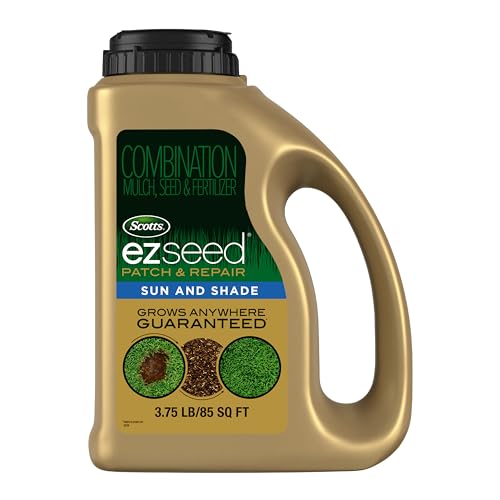
Scotts EZ Seed Patch & Repair for Sun and Shade – Combination Mulch, Sun and Shade Grass Seed & Fertilizer for Bare Spots & Lawn Patch Repair, Covers up to 85 sq. ft., 3.75 lb.
- Optimal Germination Temperature: 60°F to 80°F, no frost
- Easy Patch & Repair: Fills bare spots and repairs lawns
- Wide Coverage: Covers up to 85 sq. ft.
As an affiliate, we earn on qualifying purchases.
As an affiliate, we earn on qualifying purchases.
Common Causes of Bare Patches in Lawns
Bare patches are a common problem for homeowners, often caused by a combination of factors such as soil deficiencies, buried debris, improper mowing, fungal infections, pests like grubs or chinch bugs, drought stress, or animal activity. Experts note that identifying the root cause is the first step toward effective repair. Past incidents of overuse of chemicals or improper seed selection can also contribute to patchiness. Lawn maintenance routines and environmental conditions play a significant role in the health of grass.
“Identifying the cause of bare patches is crucial before starting repairs. Testing soil and inspecting for pests or debris helps determine the best course of action.”
— Bob Vila expert
Unconfirmed Causes and Ongoing Challenges
While many causes of bare patches are well-understood, some cases may involve multiple factors, making diagnosis complex. The effectiveness of certain treatments can vary depending on local conditions, and some pests or diseases might be difficult to identify without professional testing. Additionally, the long-term impact of chemical treatments on soil health remains a subject of ongoing research.
Next Steps for Homeowners and Lawn Care Professionals
Homeowners should conduct soil tests and inspect their lawns regularly to catch issues early. After diagnosing the cause, applying targeted treatments and proper reseeding techniques will improve results. Ongoing maintenance, such as aeration, proper mowing height, and irrigation management, will help prevent future bare spots. Experts recommend consulting lawn care professionals for persistent or complex problems.
Key Questions
How do I know what caused the bare spots in my lawn?
Inspect the patches for signs like fungal growth, insect activity, or animal damage. Conduct a soil test to check for nutrient deficiencies or pH imbalance. Consider recent lawn care practices and environmental factors.
Can I fix bare patches myself, or should I hire a professional?
Many homeowners can repair small patches by following step-by-step guides, including soil preparation, reseeding, and watering. For larger or persistent issues, consulting a lawn care professional is recommended.
What type of grass seed should I use for repair?
Select a grass seed suited to your climate, sunlight exposure, and soil conditions. Consulting local lawn care experts or garden centers can help determine the best seed type for your yard.
How long does it take for reseeded patches to fill in?
Typically, new grass will start to establish within 2-3 weeks, but full coverage may take 6-8 weeks depending on grass type, weather, and care practices.
What maintenance practices prevent bare patches from recurring?
Regular aeration, proper mowing height, adequate watering, and soil testing help maintain healthy grass and prevent bare spots. Avoid over-application of chemicals and manage foot traffic.
Source: Bob Vila