
TL;DR

Get garden gear delivered free with Prime
- Fast, free delivery on millions of items
- Prime Video, Amazon Music and more included
- Member-only deals all year
Greenhouse shelving organizers help you optimize space, improve airflow, and support healthy plants. Modern options include adjustable, modular, and smart systems, making setup flexible and long-lasting.
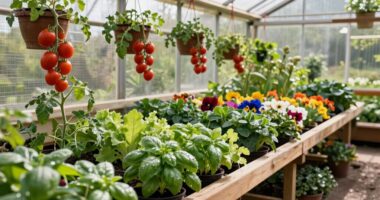
Imagine walking into your greenhouse—light pouring through glass, the scent of fresh soil thick in the air. Now picture the chaos if your shelving collapses or plants are crammed together, blocking sunlight and air. Greenhouse shelving organizers aren’t just storage—they’re the backbone of a healthy, productive space. Whether you’re a hobbyist or running a small operation, the right setup makes all the difference.
This guide will show you how to choose the best shelves, explore the latest innovations, and give practical tips to keep your plants thriving. Ready to turn your greenhouse into a well-oiled plant-growing machine? Let’s dive in.
Choose rust-resistant, adjustable shelves made from aluminum or plastic for long-lasting durability.
Recent innovations include modular, smart, and space-efficient designs that adapt to your needs.
Regular cleaning, drainage checks, and occasional treatment extend shelf life and plant health.
Match your shelving to your space, plant size, and future growth plans for best results.
Adding wheels or sensors can make your greenhouse more flexible and efficient—consider these upgrades as your setup evolves.
What Makes a Greenhouse Shelf Stand Out?
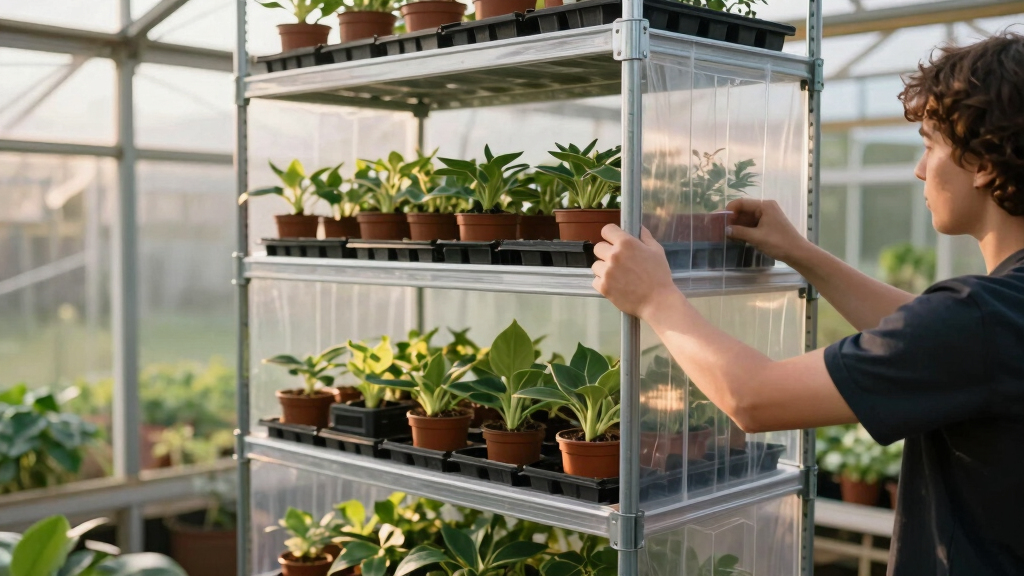
Not all shelves are created equal. The best greenhouse organizers are made from materials that withstand moisture and temperature swings—think rust-resistant metals like aluminum or galvanized steel, sturdy plastics, or treated wood. Durability is key—your shelves will face humidity, watering splashes, and daily cleaning.
Adjustability is another big plus. Imagine having a shelf that can grow with your plants—from tiny seedlings to mature, sprawling greens. Ventilated designs with slats or perforations promote airflow, reducing the risk of mold or mildew. And don’t forget about weight capacity—your shelves need to support heavy pots without bending or breaking.
Take Sarah’s greenhouse, for example. She swapped out her wooden shelves for aluminum ones with adjustable heights and perforated surfaces. Not only did her plants get better light and air, but her shelves lasted three times longer without rusting. This highlights why choosing materials and features that match your specific needs can be a game-changer—poor choices can lead to early failure, mold buildup, or safety hazards, which ultimately hinder your plant health and increase costs.
Beyond material choice, understanding how these features impact your greenhouse environment is crucial. For instance, adjustable shelves allow for flexible spacing, which can be vital during different growth stages. Ventilated surfaces improve airflow, which reduces humidity levels that foster mold and pests—common threats in humid greenhouses. But, remember, these features often involve tradeoffs: perforated surfaces might be less sturdy under very heavy loads, and adjustable systems can be more complex to set up. Weighing these factors helps you customize a system that balances durability, flexibility, and safety, ensuring your plants thrive without risking structural failure.
adjustable greenhouse shelving units
As an affiliate, we earn on qualifying purchases.
As an affiliate, we earn on qualifying purchases.
Latest Innovations That Will Change How You Organize
Greenhouse shelving isn’t static. Recent advancements make organizing easier and smarter. For example, lightweight plastics with antimicrobial coatings help prevent disease spread—crucial in maintaining plant health, especially in densely packed setups. Modular systems let you expand or reconfigure your setup as your plant collection grows, saving money and space. This flexibility can adapt to seasonal changes or new plant varieties, reducing the need for costly replacements.
Some advanced shelves now integrate with sensors—monitoring humidity, temperature, and watering needs. Imagine shelves that tell you when to water or alert you to overwatering. These smart features can significantly boost plant health by preventing issues before they develop, saving time and reducing waste. However, they also require an understanding of technology and maintenance, so weigh the investment against your scale and expertise.
Design-wise, sleek, space-saving units blend into modern greenhouses. Take a look at urban growers who’ve adopted compact, aesthetic shelving to maximize limited space while maintaining a professional look. These innovations are not just about convenience—they can directly impact crop yields, reduce disease, and optimize resource use, which is why staying current with tech trends can be a strategic advantage.
Furthermore, these innovations often involve tradeoffs. Smart systems may require regular calibration and can be costly upfront, which might not be feasible for small-scale growers. Modular designs, while flexible, might have limitations in weight capacity or stability if not properly assembled. Recognizing these tradeoffs helps you select innovations that genuinely enhance your operation without introducing new challenges. Embracing these technological and design trends requires balancing cost, ease of use, and long-term benefits, but the potential for increased efficiency and healthier plants makes them worth considering.
Compare Your Best Shelf Options in One Easy Table
| Feature | Metal Shelves | Plastic Shelves | Wood Shelves |
|---|---|---|---|
| Durability | Excellent in humid environments, rust-resistant | Moderate; needs UV-resistant plastics for longevity | Less resistant; prone to rot without treatment |
| Adjustability | Often adjustable, some with modular options | Usually fixed, but some with adjustable levels | Typically fixed, unless custom-built |
| Ease of Cleaning | Easy, non-porous surface | Easy, lightweight and smooth | More difficult, porous surfaces trap dirt |
| Cost | Moderate to high | Affordable | Variable, often higher for treated options |
Choosing the right shelf type involves understanding these tradeoffs. Metal shelves excel in longevity and strength but can be more expensive upfront. Plastic options offer ease of cleaning and resistance to moisture but might lack the same durability under heavy loads. Wooden shelves, while aesthetically pleasing and customizable, require treatment and maintenance to prevent rot and pests. Consider your specific needs—such as weight capacity, ease of cleaning, and budget—along with the environmental conditions of your greenhouse, to select the best option that balances these factors effectively.
How to Pick the Perfect Greenhouse Shelving System in 3 Steps
- Assess your space: Measure your greenhouse’s dimensions and note any shape quirks or obstacles. Understanding your space helps you select shelves that fit well without overcrowding, which is essential for proper airflow and access. Poorly chosen shelving can block light or restrict movement, leading to uneven plant growth or safety issues.
- Identify your plant needs: Are you growing seedlings, mature plants, or a mix? How much weight will your shelves hold? Recognizing these needs ensures your shelves can support your plants at different stages without collapsing or causing damage. For example, heavy mature pots require sturdier, reinforced shelves, while seedlings benefit from lighter, adjustable setups.
- Match features to your needs: Choose adjustable, ventilated, and rust-resistant shelves that fit your budget and future plans. Balancing cost with functionality is key—over-investing in features you won’t use wastes money, but skimping on quality can lead to early failure, costing more long-term. Consider future expansion or crop rotation when selecting your system.
For instance, if you’re starting seedlings in a small urban greenhouse, a compact, lightweight plastic system with adjustable height might be perfect. If you’re running a commercial operation, heavy-duty metal shelving with automation options could be a game-changer, providing stability, longevity, and efficiency. Remember, investing time in assessing your needs now will save you money and frustration later by preventing mismatched setups that can hinder plant growth or become safety hazards.
Maintenance Tips to Keep Your Shelves in Top Shape
Keeping your greenhouse shelves clean and rust-free prolongs their life and keeps plants healthy. Regularly wipe down surfaces with a mild disinfectant—especially after watering or handling soil. Check for signs of rust or damage, and replace or repair as needed. Neglecting maintenance can lead to structural weakening, which might cause shelves to collapse or harbor mold, directly affecting plant health and safety.
Drainage is critical—make sure slats or perforations aren’t clogged. This prevents water pooling, which can cause root rot, mold, or structural damage over time. For wooden shelves, treat the wood annually with a waterproof sealant to stave off decay and pests. These preventive measures extend shelf lifespan and ensure a safe environment for your plants. Proper maintenance not only preserves the physical integrity of your shelves but also minimizes disease risks by preventing mold buildup and pest infestations, which thrive in neglected, damp conditions. Regular inspections allow you to catch issues early, avoiding costly replacements and ensuring your plants always have a stable, healthy environment to grow in.
Think of your shelves as the backbone of your greenhouse. Regular TLC—cleaning, inspecting, repairing—ensures they support your plants effectively, avoiding costly replacements and minimizing disease risks. Investing time in maintenance pays off by maintaining an optimal growing environment and safeguarding your investment.
Can You Add Smart Tech or Mobility? Here’s What’s Possible
Yes, some greenhouse shelves now come with wheels or are designed for easy mobility. This allows you to rearrange your space quickly, which is especially useful during seasonal changes, cleaning, or expanding your setup. Shelves with locking casters ensure stability when needed, preventing accidental movement that could damage plants or cause safety hazards.
Smart tech is also making its way into shelving systems. Sensors can monitor humidity, temperature, and watering needs in real time. Some advanced systems sync with your smartphone, providing alerts when plants require watering or when environmental conditions fluctuate outside optimal ranges. This integration can drastically improve plant health by enabling proactive management, reducing over or under-watering, and optimizing resource use.
Imagine moving a fully loaded shelf with plants from one corner to another effortlessly, or receiving instant notifications about watering needs—these innovations save time and reduce manual labor. For serious growers, these upgrades can translate into higher yields and healthier plants, though they come with higher upfront costs and a steeper learning curve. Recognizing the value of these features is key: while they might seem like luxury additions, their ability to enhance efficiency, reduce labor, and improve plant health can justify the investment, especially for larger or commercial operations.
While smart systems and mobility features can seem like luxuries, they often provide significant benefits in terms of plant health, operational flexibility, and labor savings, making them worthwhile investments for those aiming for precision and efficiency in their greenhouse management.
Frequently Asked Questions
What materials are best for greenhouse shelving organizers?
Rust-resistant metals like aluminum or galvanized steel, high-quality plastics, or treated wood are ideal choices. They withstand moisture and temperature swings, ensuring your shelves last longer and stay safe for plants.
How do I choose the right shelving system for my greenhouse?
Consider your space, plant types, weight needs, and whether you prefer mobility or adjustability. Matching these factors to your budget helps you find the perfect fit for your setup.
Are eco-friendly options available?
Yes, recycled plastics and sustainably sourced wood are increasingly popular. They reduce environmental impact while providing durable, safe options for your plants.
How often should I clean and maintain my greenhouse shelves?
Wipe down surfaces weekly with a mild disinfectant, check for rust or damage monthly, and ensure drainage holes are clear. Regular maintenance keeps your shelves in top shape and your plants healthy.
Can I add smart features or mobility to my existing shelves?
Many shelves now come with wheels or are designed for easy movement. Smart sensor integration is also possible with compatible systems, helping you monitor environmental conditions and water levels effortlessly.
Conclusion
Effective greenhouse shelving isn’t just about storage—it’s about creating a thriving environment where plants can flourish. Pick the right materials, stay on top of maintenance, and explore new tech options to keep your space productive and inspiring. Your plants will thank you with lush growth and vibrant colors.
Remember, the best shelves are the ones that grow with you—so invest in quality, stay flexible, and enjoy the lush bounty of a well-organized greenhouse.
Fall yard work Picks
leaf blowers
As an affiliate, we earn on qualifying purchases.