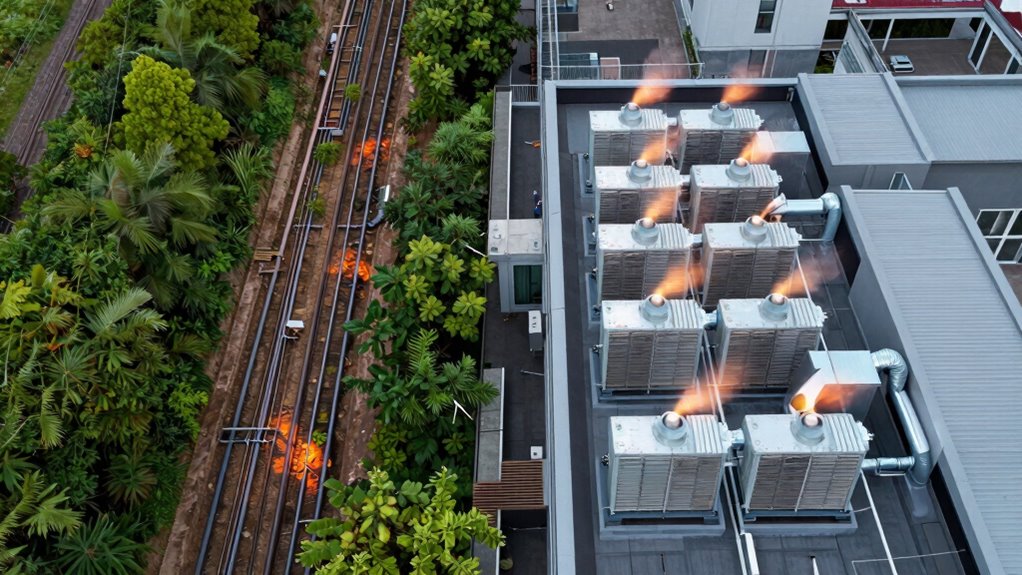

The main difference between heating air and heating soil is how they transfer and hold heat. Heating air quickly raises temperature but loses heat easily through leaks and gaps, making it less efficient long-term. In contrast, heating soil allows for stable, long-lasting warmth because soil retains heat better and acts as a thermal reservoir. Understanding these differences helps you choose the best method for your needs—stay with us to learn even more about these methods.

Get garden gear delivered free with Prime
- Fast, free delivery on millions of items
- Prime Video, Amazon Music and more included
- Member-only deals all year
Key Takeaways
- Heating air provides quick temperature increases but has higher energy loss, while soil retains heat longer with less ongoing energy input.
- Soil has higher thermal conductivity than air, allowing more efficient heat absorption and transfer in ground heating.
- Air heating is suitable for rapid temperature changes, whereas soil heating stabilizes temperatures for extended periods.
- Insulation enhances air heating efficiency, but soil acts as a natural thermal reservoir, reducing long-term energy costs.
- Choosing between air and soil heating depends on whether immediate warmth or sustained ground temperature is the priority.
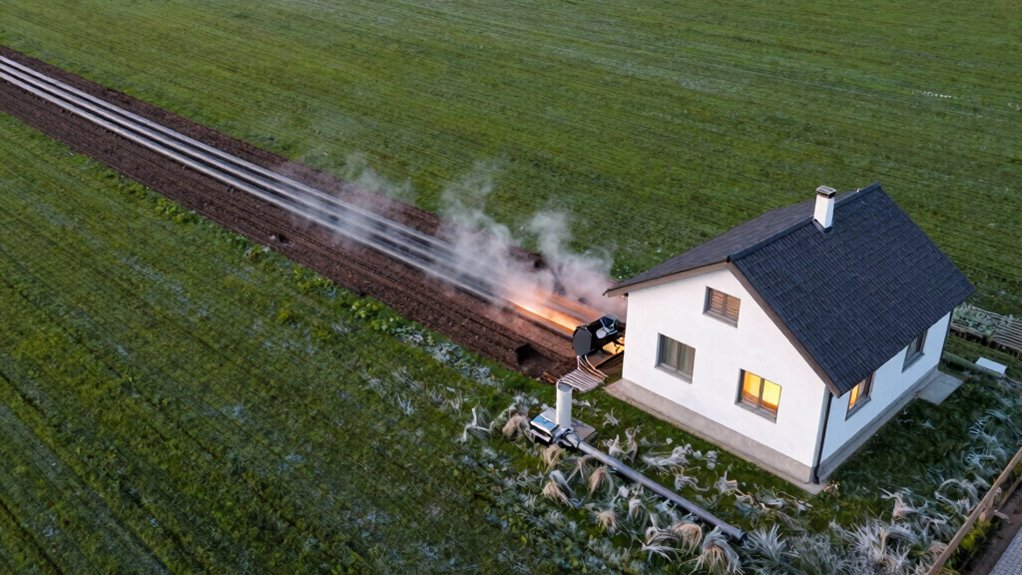
When it comes to warming a space or preparing land, understanding the differences between heating the air and heating the soil is essential. These two methods serve distinct purposes and involve different physical properties, notably thermal conductivity, which influences how heat moves through materials. Your choice impacts energy efficiency, cost, and the overall effectiveness of your heating strategy.
Heating the air mainly involves using devices like space heaters, furnaces, or heat pumps designed to raise the temperature of the surrounding atmosphere. Air has relatively low thermal conductivity, meaning it doesn’t transfer heat as quickly as some materials. This makes heating air effective for quickly raising indoor temperatures, but it can also result in higher energy consumption because the heat tends to escape easily through leaks, windows, or poorly insulated walls. As a result, maintaining consistent warmth becomes less energy efficient over time, especially in larger or poorly insulated spaces. To optimize energy efficiency, you need to ensure your heating system is properly sized, well-maintained, and paired with insulation measures that reduce heat loss. Additionally, understanding the thermal properties of different materials can help in designing more effective heating solutions.
On the other hand, heating soil involves a different approach, often used in agriculture or landscaping. Soil has a higher thermal conductivity than air, meaning it can absorb and transfer heat more efficiently. When you heat soil—whether through ground warming systems, geothermal heat, or solar methods—the heat penetrates deeper, providing a stable and consistent temperature. This method requires less energy to maintain because the soil retains heat longer, leading to better energy efficiency. You’ll find that heating soil is particularly effective when you want to extend growing seasons or prepare land for planting. Since soil acts as a thermal reservoir, it reduces the need for continuous energy input, saving you money and reducing your environmental footprint. Additionally, understanding how thermal conductivity varies between materials helps optimize heating methods for specific applications. Recognizing the physical properties involved allows for more precise control of heat transfer and energy use.
Another key factor is understanding how heat retention differs in various mediums, which influences the long-term efficiency of your heating methods. Proper insulation and ground cover can further enhance soil heating efficiency by reducing heat loss. Moreover, advancements in ground heating technology have made it easier and more cost-effective to implement these systems for agricultural and landscaping purposes. Ultimately, understanding these differences helps you decide which method suits your needs best. If you need rapid, short-term warmth in an indoor setting, heating the air is suitable, but be mindful of its energy costs. Conversely, heating soil is more energy-efficient for long-term applications where stable ground temperatures are crucial. Both rely on the principles of thermal conductivity but harness it differently. Improving energy efficiency in either method hinges on understanding how heat moves through air versus soil, allowing you to optimize your setup and reduce waste. Whether you’re heating a room or preparing land for planting, knowing the physical properties involved ensures you choose the right approach for your goals and conserve your energy resources.
ground heating system for landscaping
As an affiliate, we earn on qualifying purchases.
As an affiliate, we earn on qualifying purchases.
Frequently Asked Questions
Which Method Is More Environmentally Friendly?
Heating soil is more environmentally friendly because it often uses renewable sources like geothermal energy, which has a lower carbon footprint compared to heating air with fossil fuels. By choosing soil heating, you reduce greenhouse gas emissions and rely on sustainable energy. This method minimizes your environmental impact, making it a smarter choice for eco-conscious homes. Overall, soil heating supports renewable energy use and helps protect the planet.
How Do Initial Installation Costs Compare?
You’ll find that the cost comparison between heating air and soil varies, with air-based systems often having lower initial installation costs. Air heating systems are generally easier to set up, facing fewer installation challenges, which can save you money upfront. Soil-based systems require more extensive groundwork and excavation, making the initial costs higher. However, soil systems might offer better long-term efficiency, balancing out the higher initial investment.
What Maintenance Is Required for Each System?
You need to perform regular maintenance to keep both systems efficient. For air heating, change filters frequently, inspect ductwork, and schedule annual check-ups to guarantee system durability. Soil heating requires less frequent maintenance—mainly inspecting and flushing the system periodically. Overall, soil systems tend to have lower maintenance frequency, but both systems benefit from professional servicing to maximize efficiency and lifespan.
Can Both Systems Be Combined Effectively?
Think of combining passive heating with radiant systems as blending a warm hug with a cozy fire—both work together seamlessly. Yes, you can effectively merge these systems for enhanced comfort and efficiency. Passive heating captures sunlight naturally, while radiant systems distribute that warmth evenly through floors or walls. When integrated, they act like a symphony, harmonizing to create a consistent, energy-efficient indoor climate that feels just right.
Which Option Offers Better Long-Term Energy Savings?
Heating soil generally offers better long-term energy savings because it provides higher cost efficiency and system durability. Soil-based systems maintain consistent temperatures, reducing energy consumption over time. While air-based systems might be cheaper initially, they tend to wear out faster and may need more frequent repairs. Consequently, investing in soil heating can save you more money in the long run by lowering energy bills and increasing system longevity.
Conclusion
Remember, “A stitch in time saves nine.” When choosing between heating air or soil, consider your specific needs. Heating soil offers consistent warmth and energy efficiency, ideal for gardening or landscaping. Heating air provides quick, targeted heat, perfect for indoor comfort. By understanding the difference, you can make smarter decisions and prevent unnecessary costs. Ultimately, selecting the right method guarantees your space stays comfortable and your efforts don’t go to waste.
Fall Picks
fall essentials
As an affiliate, we earn on qualifying purchases.