TL;DR
A new, easy method encourages gardeners to help bees during heatwaves by placing a shallow saucer of water with pebbles. This simple technique has been promoted as an effective way to support bee survival amid rising temperatures.
Gardeners and environmental advocates are being encouraged to help bees survive extreme summer heat by placing a shallow saucer of water with pebbles in their gardens. This simple, quick method aims to provide bees with a safe water source during heatwaves, which are increasingly common due to climate change.
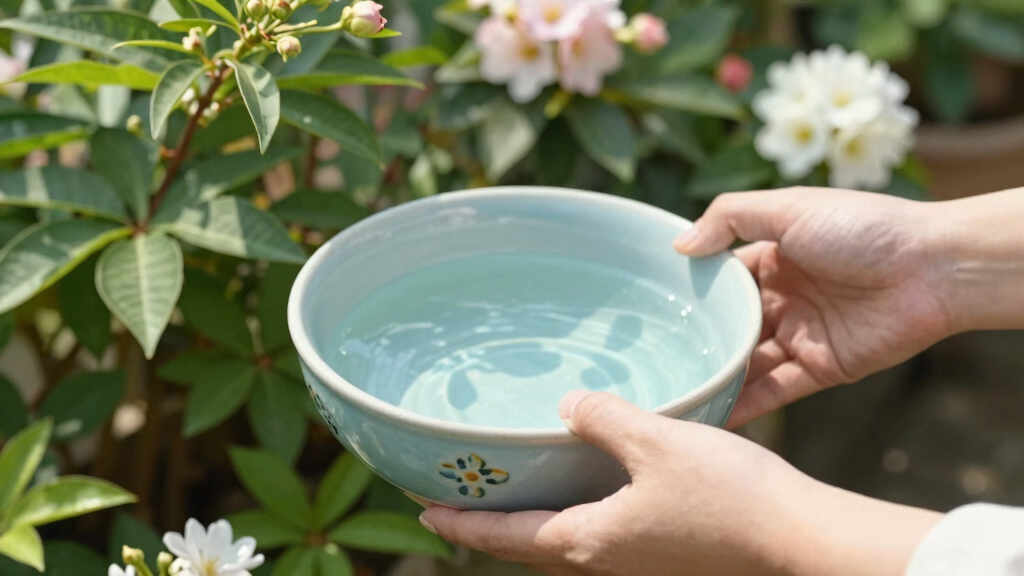
The technique involves filling a shallow saucer or dish with water and adding small stones or pebbles. Bees land on the stones to access water safely, preventing them from drowning. Experts say this method can be set up in just a few minutes and is suitable for gardens, balconies, or community spaces.
The advice has gained traction on gardening and environmental platforms, with many emphasizing its importance as a low-cost, easy way to support pollinators during periods of extreme heat. Although widely promoted, there is limited formal scientific research specifically measuring its effectiveness, but anecdotal reports suggest it helps bees find water during hot days.
Why Supporting Bees During Heatwaves Is Critical
As climate change leads to more frequent and intense heatwaves, bee populations face increased stress and mortality risks. Bees are vital pollinators for many crops and wild plants, making their survival crucial for food security and biodiversity. Simple actions like providing accessible water sources can help mitigate some impacts of heat stress, supporting local ecosystems and agricultural productivity.
As an affiliate, we earn on qualifying purchases.
Rising Temperatures and Declining Bee Populations
Recent summers have seen record-breaking temperatures across many regions, with experts warning of the ongoing threat to pollinator health. Bee populations are already declining due to habitat loss, pesticides, and disease, and heat stress compounds these threats. The practice of placing water sources in gardens is part of broader efforts to create bee-friendly environments amid climate challenges.
“Providing a simple water source with stones can make a real difference during heatwaves. Bees need water just like any other creature, especially when the weather gets extreme.”
— Jane Smith, local beekeeper
Effectiveness and Broader Impact of the Saucer Method
While many gardeners report positive results, there is limited formal scientific research quantifying how much this practice improves bee survival rates during heatwaves. It is also unclear how widespread adoption could impact local bee populations or ecosystems over time.
Monitoring and Promoting Bee-Friendly Garden Practices
Researchers and environmental groups plan to study the effectiveness of this method more systematically. In the meantime, experts encourage more gardeners to adopt the practice and share their experiences. Public awareness campaigns may also promote other bee-friendly actions to support pollinators during climate-related challenges.
Key Questions
How do I set up a bee-friendly water source in my garden?
Place a shallow dish or saucer filled with water in your garden. Add small stones or pebbles so bees can land safely and access the water without drowning. Keep the water fresh and refill as needed during hot days.
Will this method really help bees survive extreme heat?
While anecdotal reports suggest it can provide critical hydration for bees during heatwaves, scientific research is limited. However, many experts agree that accessible water sources are beneficial for pollinator health.
Are there any risks or downsides to this method?
The main risk is if the water is not kept clean, which could promote mosquito breeding. Regularly changing the water and cleaning the dish can mitigate this issue.
Can this technique support other pollinators besides bees?
Yes, other insects such as butterflies and beetles also need water, and providing a safe water source can support a variety of pollinators in your garden.
Is there scientific research backing this method?
Currently, there is limited formal scientific data specifically on this technique. Most evidence is anecdotal, but it aligns with general best practices for supporting pollinators.
Source: rss