TL;DR

Get garden gear delivered free with Prime
- Fast, free delivery on millions of items
- Prime Video, Amazon Music and more included
- Member-only deals all year
A new method encourages gardeners to help bees during heatwaves by transforming a shallow saucer into a water station in minutes. This simple action can support pollinator survival amid rising temperatures.
Environmental advocates are urging gardeners to help local bees survive extreme summer heat by turning a simple saucer into a water station in just minutes. This quick, low-cost action aims to provide vital hydration for pollinators during heatwaves, which are increasingly frequent due to climate change.
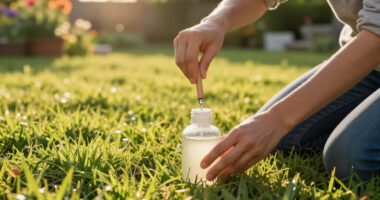
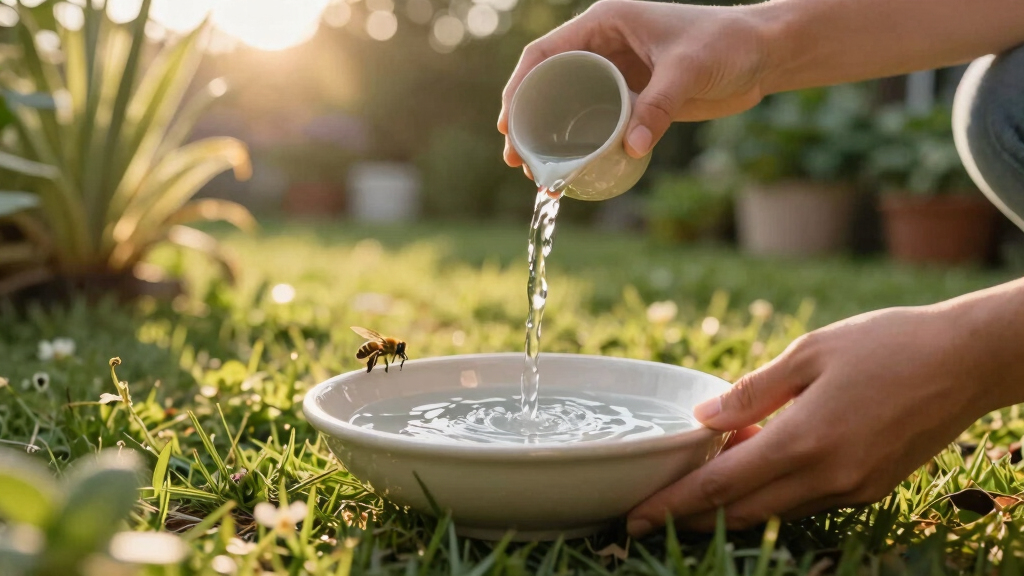
According to conservation groups, placing a shallow saucer filled with water and adding pebbles or small stones creates a safe drinking spot for bees. The stones give bees a perch to land on while drinking, reducing the risk of drowning. Experts emphasize that this method is easy to implement, affordable, and can be done with items already found in most households.
Local environmental organizations have started promoting this practice as part of broader efforts to support pollinators. The initiative is especially relevant during heatwaves, when natural water sources may dry up or become less accessible. Authorities suggest placing these water stations in shaded, quiet areas away from predators to maximize safety for bees.
Why Providing Water During Heatwaves Is Critical for Bees
Supporting pollinators like bees during extreme temperatures is vital for maintaining healthy ecosystems and ensuring crop pollination. With climate change causing more frequent and intense heatwaves, simple interventions like turning a saucer into a water source can make a significant difference in bee survival rates. This effort also raises awareness about the importance of protecting pollinators, which face threats from habitat loss, pesticides, and climate stress.
As an affiliate, we earn on qualifying purchases.
Increasing Heatwaves and Declining Bee Populations Highlight Urgent Need
Scientists have documented a rise in heatwave events across many regions, correlating with declines in bee populations worldwide. Bees are essential pollinators for approximately 75% of flowering plants and 35% of global food crops, making their survival crucial for biodiversity and food security. Previous conservation efforts have focused on habitat preservation and pesticide regulation, but simple water sources are increasingly recognized as a practical measure to support bees during summer months.
This advice builds on existing awareness campaigns about pollinator health and climate adaptation strategies, emphasizing immediate, easy-to-implement actions for gardeners and communities.
“Providing a shallow water source with landing stones can significantly reduce bee mortality during heatwaves. It’s a simple, effective way for everyone to contribute to pollinator health.”
— Dr. Emily Carter, Entomologist
Unclear Impact of Wide-Scale Adoption on Bee Survival
While experts agree that providing water can help bees during heatwaves, there is limited quantitative data on how much this practice improves overall survival rates across different regions. The long-term effectiveness of widespread adoption remains to be studied, and factors such as location, water quality, and predator presence may influence outcomes.
Additionally, some environmentalists caution that this measure should complement broader habitat and pesticide management efforts rather than replace them.
Monitoring and Promoting Community Engagement in Bee Support
Organizations plan to track the impact of this initiative through community reports and field observations. Public education campaigns will continue to promote the practice during upcoming heatwaves. Researchers are also exploring additional simple interventions to support pollinators, including providing native plants and reducing pesticide use.
Expect further guidance on best practices for creating bee-friendly environments and updates on the effectiveness of these measures in different regions.
Key Questions
How do I make a bee-friendly water station using a saucer?
Fill a shallow saucer with water, then add small stones or pebbles to create a landing platform for bees. Place the saucer in a shaded, quiet area accessible to pollinators.
Is this method safe for all bees and pollinators?
Yes, when the water is shallow and stones are provided for landing, it is safe for most bee species and other pollinators. Regularly change the water to prevent mosquito breeding and keep the station clean.
Can I use any container for this purpose?
Any shallow, stable container like a plate, dish, or small tray can work as long as it holds water and has a landing area. Avoid deep containers that pose drowning risks.
Will providing water alone significantly help bee populations?
While providing water can support bee survival during heatwaves, it should be part of broader conservation efforts, including habitat preservation and pesticide reduction, to have a meaningful impact.
When is the best time to set up these water stations?
Set up water stations before and during heatwaves, especially during peak summer months when natural water sources are scarce.
Source: rss
Fall yard work Picks
leaf blowers
As an affiliate, we earn on qualifying purchases.