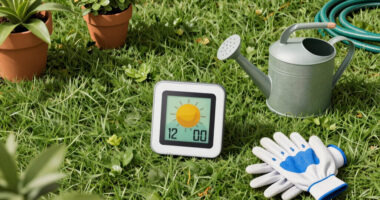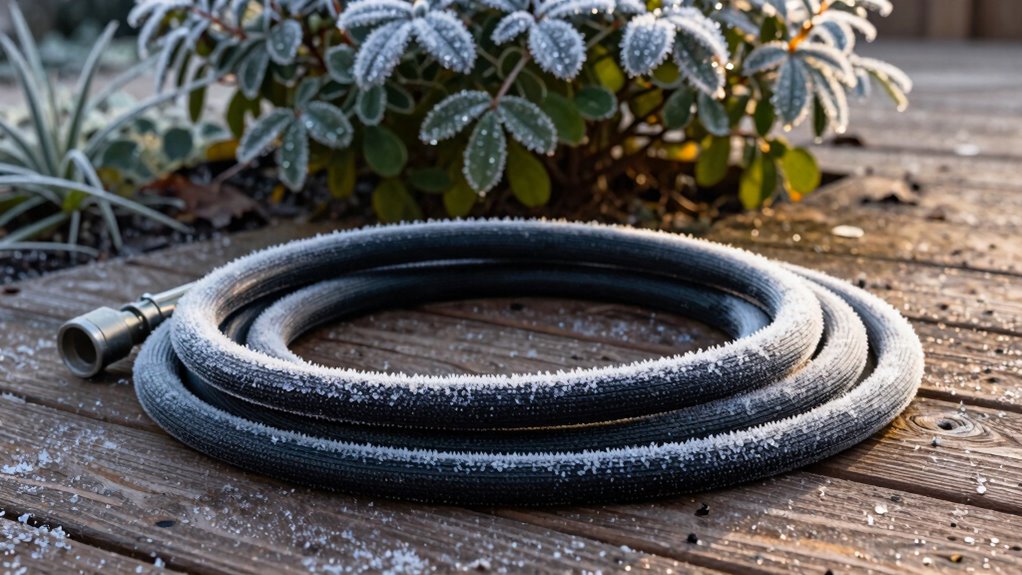

To think about freeze protection before you need it, start by identifying vulnerable areas like pipes, walls, and attics, and insulate them with foam or fiberglass. Seal gaps to prevent drafts and use outdoor covers on faucets and sprinkler systems. Keep emergency supplies and backup power ready, and stay informed on weather forecasts. Planning ahead helps you avoid costly damage and guarantees you’re prepared for sudden cold snaps—there’s more to take into account for total peace of mind.

Get garden gear delivered free with Prime
- Fast, free delivery on millions of items
- Prime Video, Amazon Music and more included
- Member-only deals all year
Key Takeaways
- Assess vulnerable areas like pipes, walls, and attics, then tailor insulation and sealing strategies accordingly.
- Prepare emergency kits and backup power sources in anticipation of sudden cold weather.
- Insulate outdoor fixtures, drain hoses, and shut off external water supplies proactively.
- Communicate with neighbors and utilize community resources for coordinated freeze protection efforts.
- Incorporate proactive climate resilience measures, combining insulation and emergency plans to prevent winter damage.
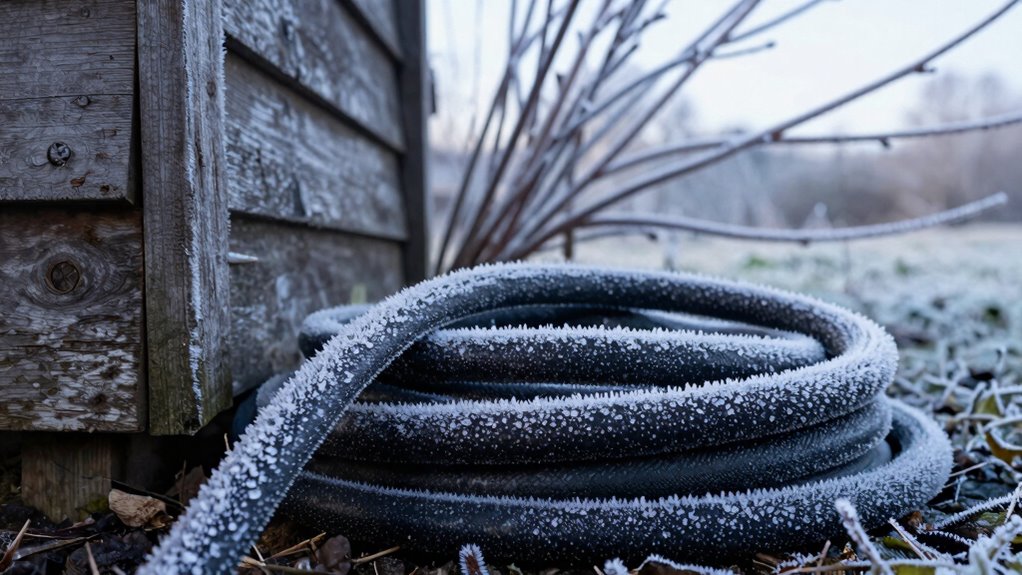
Have you ever wondered how to effectively protect your property from freezing temperatures? If so, it’s essential to think ahead and plan your insulation strategies carefully. Proper insulation isn’t just about keeping your home warm; it’s also about preventing costly damage from the cold. When temperatures drop unexpectedly, knowing you’ve taken steps in advance can save you time, money, and stress. Start by evaluating your property’s vulnerable areas, such as pipes, walls, and attics. Insulation strategies should be tailored to these zones, ensuring they’re well-sealed and insulated to prevent heat loss. Foam or fiberglass insulation, for example, can considerably reduce drafts and heat escape, making your space more resilient when the weather turns harsh. Additionally, understanding industry insights can help you make informed decisions about the most effective freeze protection measures. Emergency preparedness plays a critical role in freeze protection. You want to make sure you’re ready for those sudden cold snaps that can catch you off guard. Keep an emergency kit on hand that includes essentials like warm clothing, blankets, and a portable heater if possible. It’s also wise to have backup power sources, such as a generator, in case of power outages during a winter storm. This way, you can maintain some comfort and safety even if the grid fails. Think about installing automatic thermostats that can be remotely controlled or programmed to keep your home at a safe temperature during extreme cold. Such devices provide peace of mind, especially if you’re away or unable to attend to your property immediately. Beyond the technical measures, it’s important to communicate with neighbors or community resources that may offer assistance during a cold snap. Knowing your local emergency preparedness plans can help you respond quickly if conditions worsen. Also, consider insulating outdoor faucets and sprinkler systems to prevent freezing and bursting pipes. Covering exposed pipes with foam or heat tape adds an extra layer of protection. Regular maintenance, like draining garden hoses and shutting off external water supplies, reduces the risk of damage. Planning ahead allows you to identify weak points and implement solutions well before winter’s worst weather arrives. Recognizing the importance of climate resilience can motivate you to adopt comprehensive freeze protection strategies. Incorporating proper ventilation can also help reduce indoor humidity levels that might contribute to pipe freezing and mold growth. In addition, utilizing smart home technology can enhance your ability to monitor and control home temperatures remotely, providing another layer of security against freezing conditions. Staying informed about weather forecasts and upcoming cold spells can enable you to take timely action and further safeguard your property. Ultimately, thinking about freeze protection before you need it means combining smart insulation strategies with robust emergency preparedness. It’s about taking proactive steps to safeguard your property and loved ones from the hazards of freezing temperatures. When you prepare in advance, you’re not just reacting to cold weather—you’re preventing damage and ensuring peace of mind throughout the winter months.
As an affiliate, we earn on qualifying purchases.
Frequently Asked Questions
What Are the Most Common Signs of Impending Freeze Damage?
You’ll notice the most common signs of impending freeze damage include sudden temperature fluctuations causing pipes to feel cold or stiff, especially in unheated areas. Watch for cracks or leaks in pipes and water meters that aren’t functioning normally. If you see these signs, it’s a good idea to check your pipe insulation and consider extra protection. Acting early helps prevent costly repairs and keeps your plumbing safe during cold weather.
How Often Should Freeze Protection Systems Be Inspected?
You should inspect your freeze protection systems at least once a year, especially before winter hits. During inspections, check insulation techniques and guarantee all components are in good condition, functioning properly, and properly sealed. Incorporate these checks into your emergency preparedness plan so you’re ready for unexpected cold snaps. Regular inspections help prevent costly damage and ensure your system provides reliable freeze protection when you need it most.
Can Natural Remedies Prevent Freeze Damage?
Like a modern-day alchemist, you might wonder if natural remedies can prevent freeze damage. While they won’t replace traditional freeze prevention methods, some remedies, like wrapping plants with straw or using garlic sprays, can offer minor protection. These natural remedies help insulate and deter pests, reducing stress on your plants during cold snaps. However, for serious freeze protection, rely on proven methods alongside natural strategies for the best results.
What Is the Average Cost of Freeze Protection?
The average cost of freeze protection varies depending on your home’s size and the method you choose. You might spend $50 to $200 on seasonal maintenance like insulating pipes or sealing leaks. For emergency preparedness, investing in backup heating sources can range from $100 to $500. Planning ahead for freeze protection helps you avoid costly repairs and guarantees you’re ready when temperatures drop unexpectedly.
Are There Different Freeze Protection Methods for Urban and Rural Areas?
Yes, there are different freeze protection methods for urban and rural areas. In urban infrastructure, you might rely on insulation, heated pipes, or heated enclosures to prevent freezing. Rural irrigation often requires solutions like wellhead heaters, antifreeze in pipes, or backup generators. You tailor your approach based on the environment, ensuring your systems stay functional during cold snaps. Proper planning helps you avoid costly damage, no matter where you are.
Conclusion
Thinking ahead about freeze protection isn’t just smart—it’s essential. Picture your pipes as delicate glassware; without insulation or precautions, a sudden freeze could shatter your peace of mind. By proactively insulating and maintaining your systems, you prevent costly damage and keep things running smoothly. Just like checking the weather forecast before a storm, planning ahead guarantees you’re prepared. So, take those simple steps now, and you’ll stay warm and worry-free when the cold arrives.
Columbus Day / Indigenous Peoples' Day Picks
long weekend sales
As an affiliate, we earn on qualifying purchases.