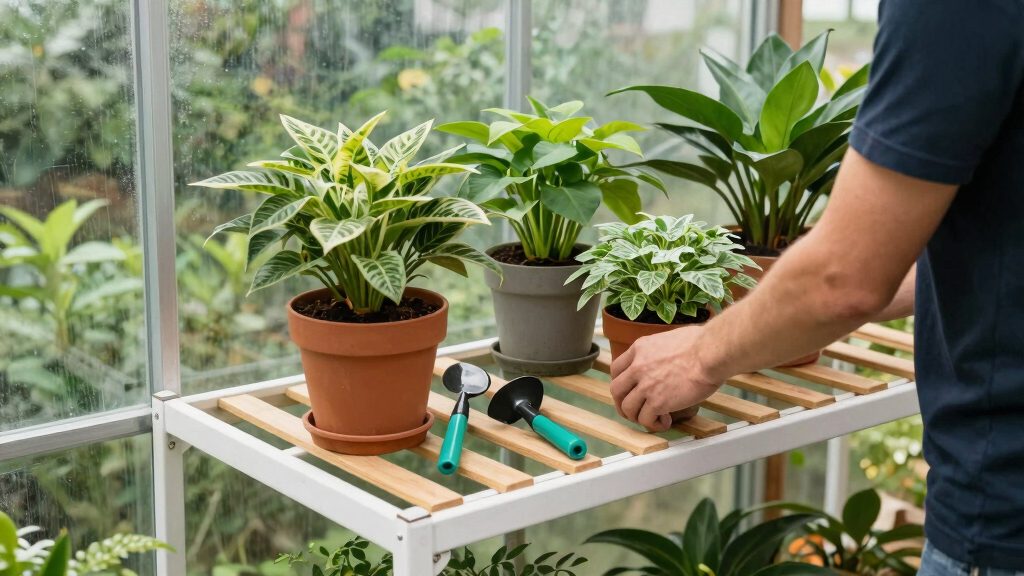

Greenhouse shelving organizers are essential for maximizing space and keeping plants organized, but selecting the right material can significantly impact longevity and usability. Metal shelves are known for strength and durability, making them suitable for heavy tools and equipment. Plastic shelves, on the other hand, are lighter, easier to move, and often more resistant to corrosion. This comparison helps gardeners decide which type best suits their needs—whether prioritizing robustness or convenience—by analyzing key features, capacity, and overall value.
At a Glance
| Criteria | Metal Greenhouse Shelving Units | Plastic Greenhouse Shelving Units | Winner |
|---|---|---|---|
| Durability | High durability, resistant to wear and tear | Moderate durability, can crack or warp over time | A |
| Weight Capacity | Typically supports 100-300 lbs per shelf | Supports around 50-150 lbs per shelf | B |
| Ease of Assembly | Requires tools, moderate effort | Snap-together design, easy to assemble | Depends |
| Corrosion Resistance | Highly resistant to rust and corrosion | Resistant to water damage, less prone to rust | B |
| Price | Higher initial cost | Lower cost | B |
| Aesthetic Appeal | Industrial look, may be less visually appealing | Variety of colors, more modern appearance | B |
| Flexibility in Placement | Fixed placement, sturdy | Flexible in placement, lightweight | B |
| Maintenance | Requires occasional cleaning to prevent rust | Easy to clean, resistant to stains | B |
As an affiliate, we earn on qualifying purchases.
Key Differences
Metal shelving units excel in long-term durability and higher weight capacity, making them suitable for heavier gardening tools, pots, and equipment. However, they tend to be heavier and may require tools for assembly, which can be less convenient. Plastic shelves are lighter, easier to set up without tools, and come in a variety of colors to match gardening aesthetics. While they are more affordable upfront, their durability can decline over time, especially in humid or wet conditions. The choice hinges on whether gardeners prioritize robustness or ease of use and cost-effectiveness in the short term.
Detailed Comparison
Durability (Metal Greenhouse Shelving Units wins — major)
Metal shelves offer significantly higher durability, resisting dents, warping, and damage from heavy use. Plastic shelves are more vulnerable to cracking or warping under weight or in extreme temperatures, making them less suitable for heavy-duty storage. The gap is major, meaning metal shelves will last longer and withstand harsher conditions, ideal for intensive gardening environments.
Weight Capacity (Metal Greenhouse Shelving Units wins — major)
Metal shelves generally support twice or more the weight of plastic shelves, enabling storage of heavier pots, tools, and equipment. Plastic shelves support lighter loads, which limits their use to lighter items. This difference is major for gardeners needing to store bulky or heavy items regularly.
Ease of Assembly (Plastic Greenhouse Shelving Units wins — moderate)
Plastic shelves are designed for quick, tool-free setup, making them accessible for most users. Metal shelves often require tools and more effort to assemble, which can be a drawback for those seeking quick setup. The difference is moderate—important for users who move or reconfigure shelves frequently.
Corrosion Resistance (Plastic Greenhouse Shelving Units wins — moderate)
Plastic shelves are naturally resistant to water, humidity, and rust, which are common in greenhouse environments. Metal shelves may require coating or treatment to prevent rust, especially in humid conditions, but generally last longer if properly maintained. The gap is moderate, depending on environment and maintenance.
Price (Plastic Greenhouse Shelving Units wins — major)
Plastic shelves typically cost less upfront, making them attractive for budget-conscious gardeners. Metal shelves are more expensive, reflecting their durability and strength. The difference is significant—considering budget constraints and expected lifespan.
Aesthetic Appeal (Plastic Greenhouse Shelving Units wins — minor)
Plastic shelves come in various colors and styles, offering a modern look that can be more visually appealing in a garden setting. Metal shelves tend to have a more industrial appearance, which some may find less attractive. The gap is moderate—depends on personal preference.
Flexibility in Placement (Plastic Greenhouse Shelving Units wins — moderate)
Plastic shelves are lightweight, portable, and easy to move, offering greater flexibility in arranging greenhouse space. Metal shelves are heavier and more fixed, limiting repositioning options. The difference is moderate but meaningful for dynamic setups.
Maintenance (Plastic Greenhouse Shelving Units wins — minor)
Plastic shelves require minimal maintenance and are easy to clean, often just wiping down. Metal shelves may need rust prevention treatments and careful cleaning to maintain appearance over time. The gap is minor but relevant for maintenance ease.
Metal Greenhouse Shelving Units: Pros and Cons
Pros:
- Exceptional durability and longevity
- Supports heavy loads, suitable for large tools and equipment
- Resistant to rust and corrosion in prolonged use
Cons:
- Heavier and less portable
- Requires tools and effort to assemble
- Higher initial investment
Plastic Greenhouse Shelving Units: Pros and Cons
Pros:
- Lightweight and easy to move
- Simple to assemble without tools
- Lower initial cost and more color options
Cons:
- Less durable, prone to cracking or warping
- Supports lower weight, less suited for heavy items
- May require replacement sooner in humid environments
Who Should Choose What
Choose Metal Greenhouse Shelving Units if:
- You need shelves for heavy, bulky tools and equipment
- Durability and long-term use are priorities
- You don’t mind a heavier, more permanent setup
Choose Plastic Greenhouse Shelving Units if:
- You want quick, easy setup and relocation
- Budget is a key concern
- Your storage needs are for lighter items or you prefer a modern look
Value for Money
Metal shelves offer greater durability and support, making them a better long-term investment for intensive use despite higher initial costs. Plastic shelves are more affordable upfront, suitable for casual or temporary setups, and easier to handle. For gardeners seeking longevity and heavy-duty storage, paying more for metal is justified. Budget-conscious users or those with lighter needs may find plastic shelves more cost-effective and sufficient.
Final Verdict
Choose metal shelving if durability, heavy load capacity, and long-term use are essential. Opt for plastic if you prioritize ease of assembly, portability, and lower upfront costs. The biggest deciding factor is whether you need robust, heavy-duty storage or lightweight, flexible options. Gardeners with intensive storage needs should invest in metal; casual or hobby gardeners will benefit from plastic shelves.
Frequently Asked Questions
Are metal greenhouse shelves prone to rust?
Metal shelves can rust if not properly coated or maintained, especially in humid environments. Look for powder-coated or galvanized options to minimize rust risk.
Can plastic shelves support heavy gardening pots?
Most plastic shelves support up to 150 lbs per shelf, so they are suitable for lighter pots and tools but may not hold very heavy items safely.
Which type of shelf is easier to clean?
Plastic shelves are generally easier to clean, requiring only a wipe-down, while metal may need rust prevention treatments and more careful maintenance.
How long do plastic shelves typically last?
Plastic shelves tend to last 3-5 years in humid environments before warping or cracking, whereas metal shelves can last much longer with proper care.
Is investing in metal shelves worth the extra cost?
If you need durable, heavy-duty storage that withstands frequent use and weight, then yes, the higher initial investment pays off over time.