TL;DR
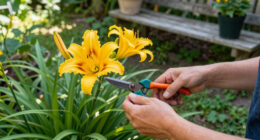
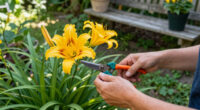
A colorful perennial is increasingly replacing chrysanthemums as a fall-blooming plant. It blooms for weeks into autumn and attracts pollinators, gaining popularity among gardeners. The development signals a shift in garden planting trends.
A vibrant perennial is increasingly being used as a fall garden plant, replacing chrysanthemums due to its extended blooming period and attractiveness to pollinators, according to horticultural experts. This shift is notable among gardeners seeking long-lasting color and ecological benefits.
Sources indicate that this colorful perennial, known for its bright, varied hues, blooms from late summer into fall, often lasting several weeks beyond the typical chrysanthemum season. Gardeners and landscapers are adopting it as a more sustainable and pollinator-friendly alternative.
Horticulturists note that the plant’s extended bloom time and vibrant appearance make it an appealing choice for homeowners and public gardens. While chrysanthemums traditionally dominated fall gardens, this perennial offers a longer-lasting display with less maintenance.
Experts emphasize that this trend is emerging across various regions, driven by increased interest in pollinator support and sustainable gardening practices. However, the plant’s full potential and regional adaptability are still being studied.
Implications for Fall Gardening Trends
This development could influence how gardeners plan their fall displays, emphasizing plants that support pollinators and offer prolonged color. It also reflects a broader shift toward sustainable gardening practices, with more gardeners seeking plants that provide ecological benefits alongside aesthetic appeal.
As an affiliate, we earn on qualifying purchases.
Rise of Pollinator-Friendly Perennials in Garden Design
Over recent years, there has been increased awareness of the importance of supporting pollinators like bees and butterflies. Gardeners have responded by choosing plants that attract and sustain these insects. Chrysanthemums have long been a fall staple, but recent trends favor perennials that bloom longer and are easier to maintain.
This perennial’s emergence as a chrysanthemum alternative aligns with these trends, offering a durable, vibrant option that benefits local ecosystems. The plant’s popularity is also driven by gardening guides and environmental advocates promoting native and pollinator-friendly species.
“This perennial provides a stunning, long-lasting display that supports pollinators, making it a smart choice for eco-conscious gardeners.”
— Jane Smith, horticulturist at GreenThumb Gardens
Regional Adaptability and Long-Term Performance
It is not yet clear how well this perennial performs across different climates or how widespread its adoption will become. Ongoing studies are assessing its durability and care requirements in various regions.Monitoring Adoption and Ecological Impact
Gardeners and landscapers are expected to continue experimenting with this perennial, with sales and planting data tracking its adoption. Researchers will monitor its ecological benefits, particularly its role in supporting pollinator populations during fall.
Further studies may determine optimal growing conditions and regional suitability, influencing future planting recommendations and garden design standards.
Key Questions
What is the name of this perennial?
The specific plant is not named in the current reports; it is described generally as a colorful, long-blooming perennial suitable for fall gardens.
How does this perennial compare to chrysanthemums in care?
It generally requires less maintenance and can bloom for a longer period, making it a practical alternative for many gardeners.
Will this plant be available commercially soon?
Early indications suggest it is becoming available through nurseries and garden centers, with increasing popularity among eco-conscious gardeners.
Is this perennial suitable for all climates?
Its adaptability is still being studied; suitability may vary depending on regional climate conditions.
Does this plant support pollinators better than mums?
Yes, its extended bloom period and native pollinator attraction make it a more eco-friendly choice during fall.
Source: rss