
TL;DR

Get garden gear delivered free — and shop member deals
- Fast, free delivery on millions of items
- Access to Prime Big Deal Days deals on October 6–7
- Prime Video, Amazon Music and more included
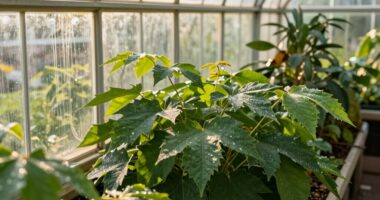
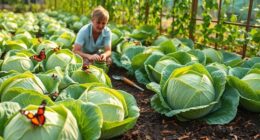
A natural tonic is being promoted as a solution to revive tired gardens in August. Experts suggest it could help plants recover, but details about its composition are scarce. The development has potential implications for gardeners seeking eco-friendly remedies.
A natural tonic is being widely promoted as a remedy to revive tired gardens this August. Despite its popularity among gardeners, the specific ingredients and how it works are largely unknown, fueling curiosity and skepticism.
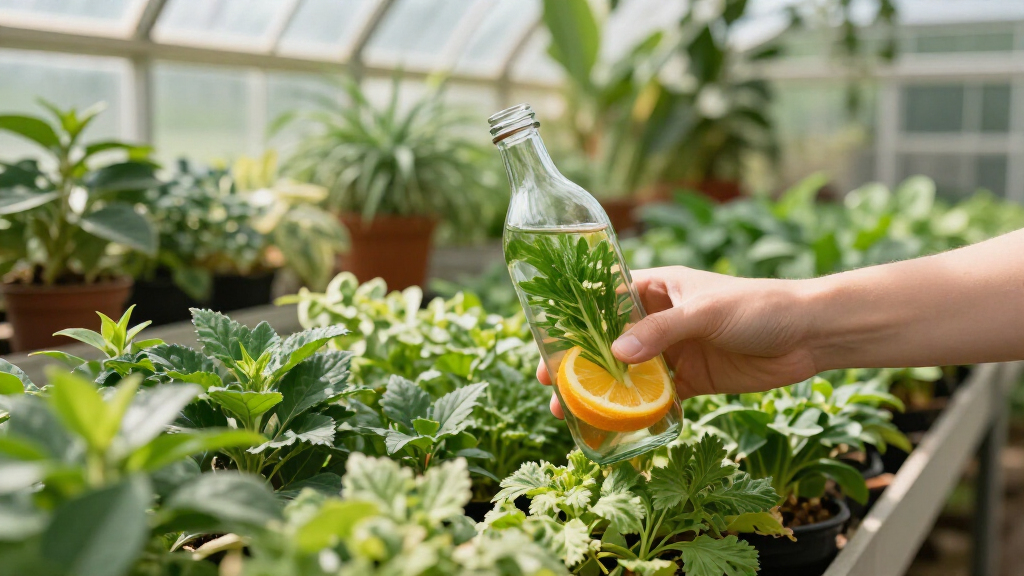
The tonic has been described as a plant-based solution capable of restoring vitality to plants suffering from drought, overuse, or nutrient depletion. Gardeners and some experts report visible improvements after applying the tonic, but no official formulation or scientific studies have been publicly released to verify these claims.
Sources suggest the tonic is made from natural ingredients, possibly herbs or organic compounds, but details are not confirmed. The product has gained popularity on gardening forums and social media, with many users sharing before-and-after photos.
While some horticulturists are cautious, others see potential in natural remedies that avoid chemical fertilizers or pesticides. The product’s marketing emphasizes its eco-friendly nature, appealing to environmentally conscious gardeners.
Potential Impact on Eco-Friendly Gardening Practices
If proven effective, this natural tonic could offer gardeners a sustainable alternative to chemical fertilizers and pesticides. Its promotion during August, a peak growing season, could help improve crop yields and plant health without environmental harm. However, the lack of scientific validation raises questions about its true efficacy and safety.
As an affiliate, we earn on qualifying purchases.
Growing Interest in Organic and Natural Garden Remedies
Over recent years, there has been a surge in demand for organic gardening solutions. Consumers increasingly seek products that are both effective and environmentally friendly. This tonic’s emergence aligns with broader trends toward sustainable agriculture and natural plant care, although it remains largely untested in scientific settings.
Historically, many plant revival remedies have relied on herbal infusions or organic composts, but few have achieved widespread recognition without rigorous testing. The current buzz around this tonic reflects a desire for accessible, natural solutions among home gardeners.
Unverified Claims and Lack of Scientific Evidence
It is not yet clear what ingredients compose the tonic or how it chemically interacts with plants. No independent studies or official testing results have been made available, leaving its efficacy and safety unconfirmed. Some experts caution against relying solely on anecdotal reports.
Awaiting Scientific Validation and Broader Adoption
Researchers and independent horticulturists are expected to investigate the tonic’s composition and effects in the coming weeks. Meanwhile, gardeners are advised to use caution and consider traditional methods for plant care. The product’s popularity may increase if further evidence supports its claims, but regulatory or scientific scrutiny could also emerge.
Key Questions
What are the ingredients of this natural tonic?
The specific ingredients are not publicly disclosed. It is described as a plant-based, organic mixture, but its exact composition remains unknown.
Is there scientific evidence supporting its effectiveness?
No independent scientific studies have been published to verify the tonic’s efficacy. Most evidence is anecdotal from gardeners.
Can I safely use this tonic on edible plants?
Because its ingredients are undisclosed and unverified, caution is advised. Consult local gardening guidelines before applying to edible crops.
Where can I buy this tonic?
The tonic is primarily available through online gardening forums, social media, and some organic stores. Availability may vary depending on location.
Source: rss
Halloween Picks
halloween
As an affiliate, we earn on qualifying purchases.