
TL;DR
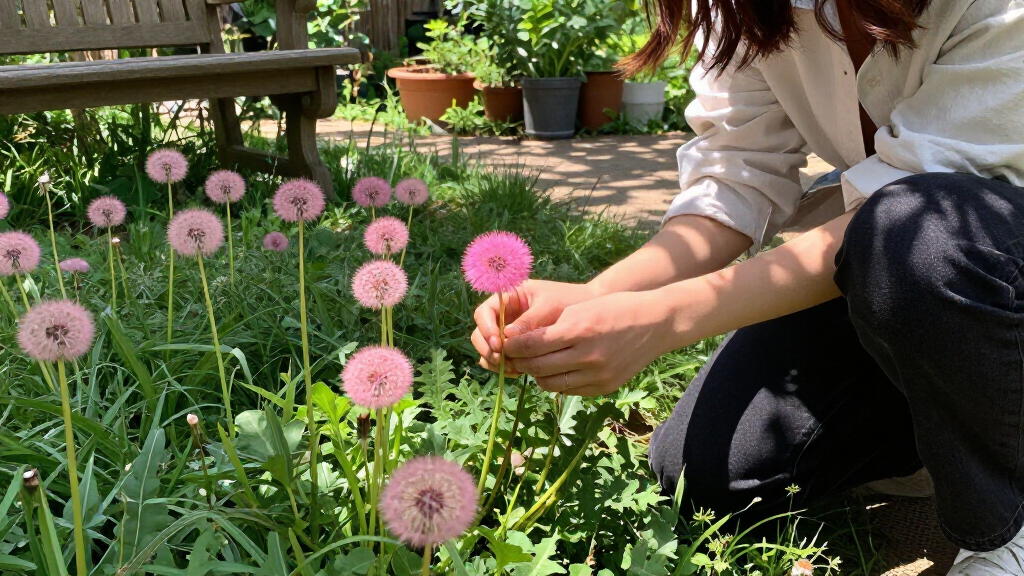
A pink variety of dandelions has been discovered and is gaining popularity among garden designers. This development challenges traditional views of dandelions as weeds and highlights new aesthetic options.
Pink dandelions are emerging as a popular choice among garden designers, transforming the perception of a common weed and sparking interest in their aesthetic appeal. This shift highlights a growing trend in landscape design toward embracing unconventional plant varieties.
According to recent reports from garden sources, a pink variety of dandelions has been identified and is being increasingly used in professional landscaping. While traditional dandelions are often considered weeds, this new pink variant is praised for its attractive, delicate color and adaptability.
Designers and horticulturists note that the pink dandelion offers a fresh, whimsical element to gardens, especially in modern and eco-friendly landscapes. The plant’s popularity appears to be driven by its visual appeal and its ability to thrive in various conditions, making it an attractive alternative to more conventional ornamental plants.
It is important to clarify that these pink dandelions are a cultivated variety, not a naturally occurring mutation, and are being propagated intentionally for ornamental use. The trend is still emerging, and widespread adoption is yet to be seen outside niche design circles.
Why Pink Dandelions Are Changing Garden Design Perspectives
This development matters because it reflects a broader shift in landscape aesthetics, where plants traditionally viewed as weeds are now celebrated for their beauty. The pink dandelion challenges perceptions, encouraging gardeners and designers to reconsider plant choices and embrace diversity in plant forms and colors. It also highlights a move toward sustainable and unconventional landscaping options, which can have positive environmental impacts by promoting native and resilient species.
As an affiliate, we earn on qualifying purchases.
Evolution of Dandelion Perceptions in Garden Design
Historically, dandelions have been regarded as weeds, often removed from lawns and gardens. However, recent years have seen a growing appreciation for their ecological benefits and aesthetic potential. The emergence of ornamental varieties, including the pink dandelion, signals a trend toward reimagining these plants beyond their traditional role.
This trend aligns with broader movements in gardening that favor native, resilient, and visually interesting plants. The pink dandelion’s rise in popularity is part of this shift, supported by social media and design communities that celebrate unconventional beauty in plants.
“The pink dandelion offers a charming, unexpected splash of color that can brighten up any landscape. It’s a perfect example of how our perceptions of weeds are changing.”
— Jane Smith, horticulturist
Uncertainties About Cultivation and Widespread Adoption
It is not yet clear how widely the pink dandelion will be adopted outside niche markets or whether it will become a mainstream garden plant. Details on cultivation methods and potential ecological impacts are still emerging, and some experts caution about the need for responsible propagation to avoid invasive tendencies.Future Trends and Potential for Broader Adoption
The next steps include further research into the cultivation of pink dandelions, potential commercial availability, and their integration into mainstream landscaping. Observers will watch for increased adoption by garden centers and landscape projects, as well as ongoing discussions about ecological implications.
Additionally, social media and design communities are likely to continue promoting the plant, influencing consumer preferences and industry standards.
Key Questions
Are pink dandelions genetically modified?
No, the pink dandelions are a cultivated variety developed through selective breeding, not genetic modification.
Can pink dandelions be grown in my garden?
Yes, if they are commercially available in your region, they can be grown similarly to regular dandelions, but it’s best to check local cultivation guidelines.
Do pink dandelions pose ecological risks?
Currently, there is limited information. Responsible cultivation and monitoring are recommended to prevent invasive spread, as with any non-native ornamental plant.
Where can I see pink dandelions used in landscaping?
Some boutique gardens and landscape designers have begun experimenting with pink dandelions in their projects, often showcased on social media platforms.
Source: rss