
TL;DR
Landscape designers have shared nine innovative strategies to help homeowners create drought-tolerant gardens that conserve water. These tricks aim to maintain aesthetic appeal while significantly reducing watering needs, addressing drought concerns and water scarcity.
Landscape designers are adopting nine innovative techniques to develop drought-tolerant gardens that significantly reduce water consumption without compromising visual appeal. These methods are gaining traction amid increasing concerns over water scarcity and drought conditions, offering homeowners sustainable landscape options.
According to industry experts, these nine tricks include strategic plant selection, soil improvement, efficient watering methods, and creative use of materials. For example, designers emphasize choosing native and drought-tolerant plants that require less water and are adapted to local climates. They also recommend improving soil with organic matter to enhance water retention, reducing the need for frequent watering.
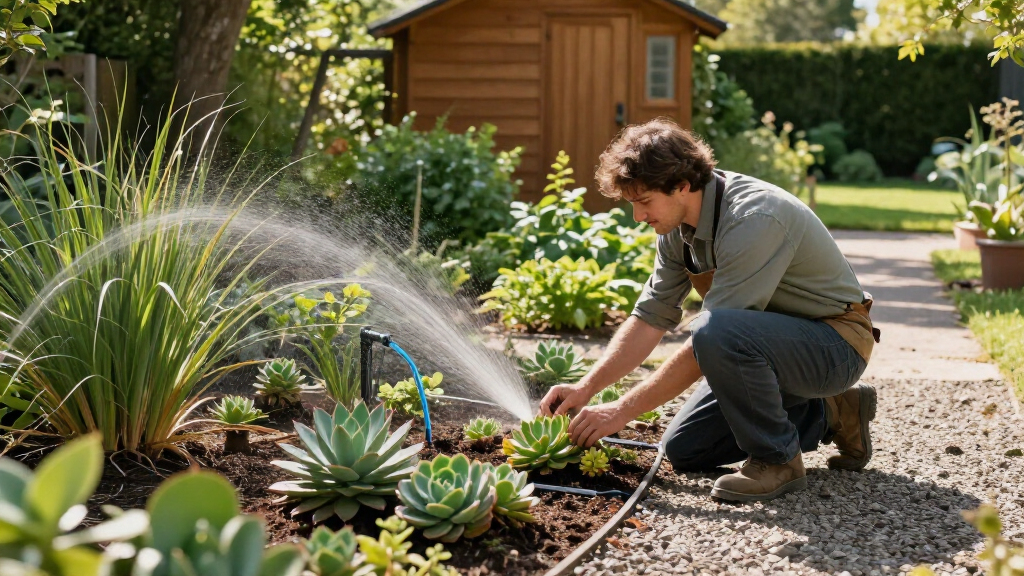
Another key strategy involves designing gardens with mulching and shading elements to minimize evaporation. Drip irrigation systems are promoted as efficient watering tools that deliver water directly to plant roots, avoiding waste. Additionally, incorporating hardscaping features like rocks, pathways, and drought-resistant ground covers helps create visually appealing landscapes that need minimal watering.
These techniques are supported by recent case studies showing that homeowners adopting such practices can cut water use by up to 50%, while maintaining vibrant, attractive gardens. Landscape professionals stress that these tricks do not sacrifice style but rather enhance sustainability and resilience in garden design.
Why Water-Saving Garden Tricks Matter Now
These nine landscape tricks are significant because they address the urgent need for water conservation amid ongoing drought conditions and climate change. By adopting these strategies, homeowners can reduce their water bills, lessen their environmental impact, and create sustainable outdoor spaces. As water resources become scarcer, such practices are increasingly vital for urban and suburban landscapes alike.
Moreover, these techniques demonstrate that aesthetic appeal and water efficiency are not mutually exclusive. They promote a shift toward more responsible gardening practices, encouraging a broader adoption of drought-tolerant landscapes that can withstand changing climate patterns.
drought-tolerant native plants for garden
As an affiliate, we earn on qualifying purchases.
As an affiliate, we earn on qualifying purchases.
Background on Drought-Resistant Garden Design
Over the past decade, drought conditions have intensified across many regions, prompting landscape professionals and homeowners to seek water-efficient solutions. Traditional lawns and lush gardens often demand high water input, which is unsustainable in arid and semi-arid climates. In response, landscape designers have increasingly turned to drought-tolerant plants and innovative design techniques to create sustainable gardens.
Recent industry reports highlight a growing trend toward xeriscaping and native plant use, which require less supplemental watering. This shift is supported by research indicating that well-designed drought-resistant gardens can be both beautiful and functional, reducing water use by significant margins. The adoption of these strategies is also driven by local water restrictions and rising water costs, making water conservation a practical priority for many homeowners.
While these methods are not entirely new, recent emphasis on combining aesthetic appeal with sustainability has led to the development of specific tricks and design principles that maximize water savings without sacrificing style.
Unanswered Questions About Widespread Adoption
While these nine tricks are gaining popularity among professionals and some homeowners, it is not yet clear how widely they will be adopted on a broad scale. The cost of implementing certain features, like advanced irrigation systems or extensive soil amendments, may pose barriers for some. Additionally, long-term data on the durability and aesthetic longevity of these drought-tolerant designs are still emerging. Further research is needed to quantify water savings across diverse climates and garden styles.
Future Trends in Sustainable Garden Design
Experts anticipate increased adoption of these techniques as awareness of water scarcity grows. Future developments may include more innovative plant varieties, smarter irrigation technologies, and integrated landscape planning that combines aesthetics with environmental resilience. Industry groups are also expected to promote educational initiatives to encourage wider use of drought-tolerant practices among homeowners and landscape professionals.
Monitoring and reporting on the effectiveness of these strategies over time will help refine best practices and expand their application, contributing to more sustainable urban and suburban landscapes.
Key Questions
Are these drought-tolerant tricks suitable for all climates?
Most techniques are adaptable to various climates, especially when tailored to local plant selections and soil conditions. However, some strategies may need modification depending on regional weather patterns and water availability.
How much can I realistically reduce my garden’s water use?
According to case studies, homeowners using these strategies can cut water use by up to 50%, while maintaining attractive landscapes. Actual savings depend on initial garden conditions and implementation quality.
Do these techniques require significant upfront investment?
Some strategies, like soil amendments and drought-tolerant plants, are low-cost, but others, such as drip irrigation systems, may involve higher initial costs. Long-term water savings can offset these expenses over time.
Will these strategies affect garden maintenance requirements?
Generally, drought-tolerant gardens require less watering and mowing, reducing overall maintenance. However, periodic pruning and mulching remain necessary to keep the landscape healthy and attractive.
Are there any risks or downsides to these drought-tolerant techniques?
If not properly designed, some drought-tolerant gardens may suffer from overuse of certain plants or improper irrigation. Consulting with a landscape professional can help optimize results and avoid potential issues.
Source: rss