TL;DR

Get garden gear delivered free with Prime
- Fast, free delivery on millions of items
- Prime Video, Amazon Music and more included
- Member-only deals all year
Kate Hudson recently shared her method for transforming garden cuttings into elegant floral displays. This trend is gaining attention as a sustainable and stylish gardening practice, though details remain unconfirmed. Readers can learn how to recreate her look with simple steps.
Actress Kate Hudson has shared a new gardening technique that involves transforming garden cuttings into stylish floral displays, inspiring DIY gardeners and plant enthusiasts. This method emphasizes sustainability and aesthetic appeal, and it has quickly gained attention on social media and gardening forums.
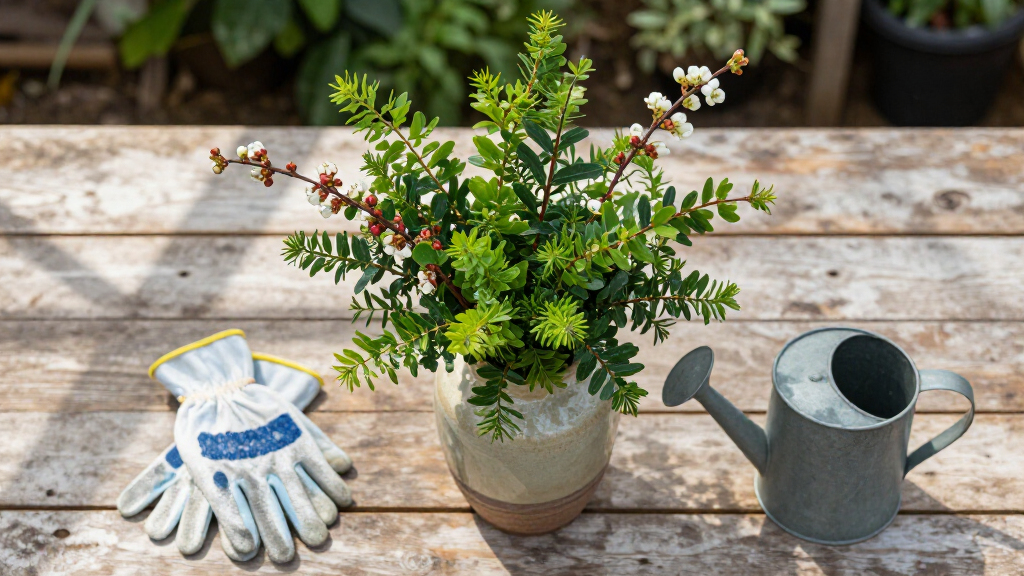
Hudson posted images and a brief tutorial on her social media channels, demonstrating how she repurposes garden cuttings—such as branches, leaves, and small flowers—into decorative floral arrangements. She emphasizes that this approach is both eco-friendly and visually appealing, offering an alternative to traditional floral arrangements that often rely on fresh-cut flowers.
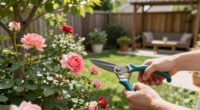
The process involves gathering various garden debris, trimming them to suitable lengths, and arranging them in a way that highlights their natural beauty. She suggests using simple tools like scissors or pruning shears, and recommends selecting cuttings with interesting textures and colors to create eye-catching displays. Hudson also hints at using containers like vintage vases or repurposed jars to enhance the aesthetic.
While Hudson’s technique is straightforward, her emphasis on sustainability and creativity has resonated with many gardening enthusiasts. The trend appears to be part of a broader movement toward eco-conscious gardening and home decor, although the specific origins of this particular method remain unconfirmed.
Why This Gardening Trend Matters for Eco-Conscious Decor
This trend demonstrates how gardeners and homeowners can repurpose garden waste into stylish decor, reducing waste and promoting sustainability. It also offers an accessible way for people to add natural, textured elements to their indoor or outdoor spaces without purchasing new floral arrangements. As interest in eco-friendly practices grows, such DIY methods could influence broader gardening and interior design habits, encouraging more sustainable lifestyles.
As an affiliate, we earn on qualifying purchases.
The Rise of Sustainable Garden Decor Practices
Interest in repurposing garden waste for decorative purposes has been increasing over recent years, driven by broader environmental concerns and a desire for personalized, natural aesthetics. While the specific technique shared by Hudson is not new, its recent popularity is linked to a surge in social media content promoting eco-friendly gardening and DIY projects. The trend aligns with a growing movement toward reducing waste and finding creative uses for garden byproducts, although it is not yet clear how widespread or long-lasting this particular method will be.
Unconfirmed Details About the Technique’s Origins and Popularity
It is not yet clear whether Hudson’s method is a new innovation or part of an existing gardening trend. The extent of its adoption among the wider gardening community remains unknown, as does its long-term popularity. Additionally, the precise techniques or specific types of cuttings recommended by Hudson have not been formally detailed or validated by gardening experts.
Expected Next Steps for the Trend’s Development and Adoption
As more gardeners and influencers share their own versions of this technique, it is likely to gain further traction. Experts may begin to publish detailed guides or tutorials, and garden centers could start offering specialized tools or containers suited for this purpose. Monitoring social media and gardening forums will reveal how widespread and enduring this trend becomes, and whether it evolves into a broader movement toward sustainable garden decor.
Key Questions
Can I use any garden cuttings for this technique?
Most types of garden cuttings can be used, but it’s best to choose those with interesting textures and colors. Avoid cuttings that are too fragile or diseased to ensure a lasting display.
Do I need special tools or containers?
Basic tools like scissors or pruning shears are sufficient, and any container that complements your decor—such as vintage jars, repurposed vases, or baskets—can work well.
Is this method suitable for outdoor or indoor displays?
Yes, it can be used for both. Outdoor arrangements may need more durable containers and protection from weather, while indoor displays can be more delicate and decorative.
Will this technique harm my garden plants?
As long as you select healthy cuttings and avoid over-harvesting, this method should not harm your garden. Always prune responsibly to maintain plant health.
Are there any safety considerations?
Use gloves if handling thorny or toxic plants, and ensure tools are used safely to prevent injury during trimming and arrangement.
Source: rss
Halloween Picks
halloween
As an affiliate, we earn on qualifying purchases.