Before buying a hydroponic tower, ask yourself if it has essential features like consistent nutrient delivery, easy maintenance, and adjustable lighting. Check if it fits your space and supports the crops you want to grow, whether herbs or leafy greens. Consider its durability, cost, and if it offers support or warranty options. Ensuring the system is user-friendly and flexible helps maximize your gardening success—they’ll help you make the right choice, step by step.

Get garden gear delivered free with Prime
- Fast, free delivery on millions of items
- Prime Video, Amazon Music and more included
- Member-only deals all year
Key Takeaways
- Does the system support the specific crops you want to grow and accommodate their space and nutrient needs?
- Is the tower designed for easy maintenance, cleaning, and pest control?
- Are the materials durable, weather-resistant, and suitable for long-term use?
- Can the system be customized or expanded to fit your space and future gardening goals?
- How user-friendly are the controls and support resources for beginners and experienced growers?
hydroponic tower with adjustable lighting
As an affiliate, we earn on qualifying purchases.
As an affiliate, we earn on qualifying purchases.
What Are the Essential Features of a Hydroponic Tower?
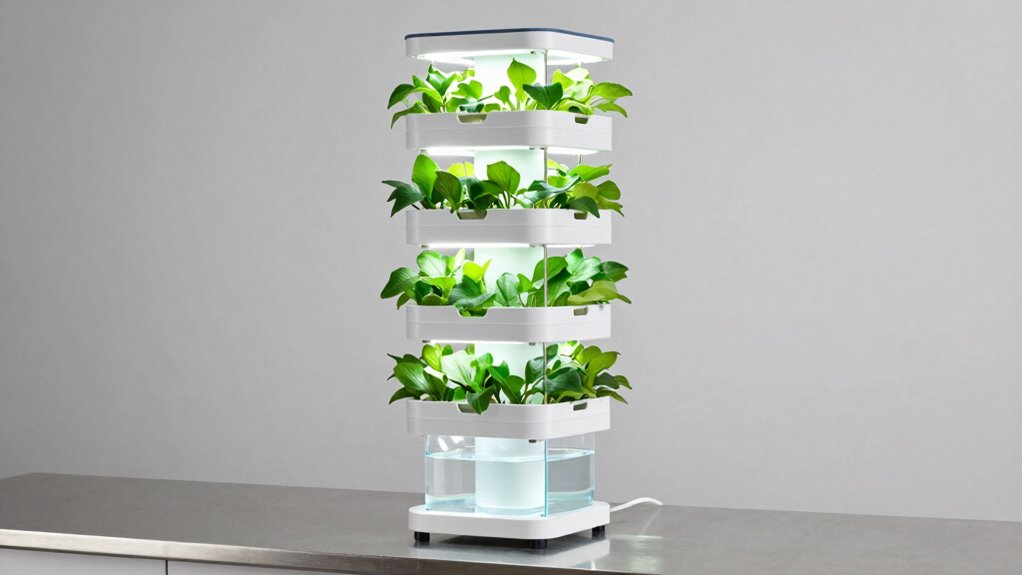
A hydroponic tower needs to have several essential features to guarantee healthy plant growth and efficient operation. First, it must deliver consistent nutrient solutions that provide plants with crucial minerals and nutrients, promoting robust growth. The system should also be designed for easy nutrient delivery and recycling to minimize waste. Proper nutrient management can significantly influence plant health and yield. Additionally, implementing an effective water circulation system is vital to maintain uniform nutrient distribution and prevent stagnation, which can lead to root diseases. Lighting requirements are equally critical; the tower should incorporate sufficient, adjustable lighting to mimic sunlight, ensuring plants receive enough light for photosynthesis. Proper light distribution prevents uneven growth and encourages healthy development. Moreover, the tower should have a reliable water circulation system, easy access for maintenance, and a sturdy structure. These features combine to create a prime environment that supports healthy plants while maximizing efficiency and yield. Moreover, urban environment compatibility is essential, as many hydroponic towers are designed for limited spaces and need to adapt to city living conditions. Ensuring the tower is space-efficient can make a significant difference in small urban settings. A compact design can also facilitate easier transportation and installation.
How Much Space Do You Need for Your Hydroponic System?

Determining how much space you need for your hydroponic system depends on the size and scale of your gardening goals. Proper space planning is essential to guarantee your system fits comfortably within your available area and allows for easy access and maintenance. Consider the layout of your interior design to optimize airflow, light, and accessibility. Measure the dimensions of potential spots carefully, accounting for room to walk around and tend to your plants. If you’re working with limited space, compact or vertical hydroponic towers can maximize growth in smaller areas. Larger systems require more room, so plan accordingly to avoid overcrowding or interference with daily activities. Clear space planning helps you create a functional, efficient hydroponic setup tailored to your environment.
Will the System Grow the Plants You Want?

You need to check if your hydroponic tower supports the plants you want to grow, since some might not be compatible. Consider the system’s customization options to guarantee it can accommodate different plant sizes and types. If you choose a flexible setup, you’ll have a better chance of growing a variety of healthy plants successfully. Additionally, understanding the system’s growth environment requirements can help ensure optimal plant development and yield. Exploring natural filtration systems can also contribute to maintaining a healthy and sustainable growing environment.
Plant Compatibility and Variety
Will your chosen plants thrive in a hydroponic tower? Not all plants grow equally well in this system, so consider their specific needs. Some plants require more space for root development, while others need precise nutrient balance for ideal plant growth.
To visualize, think about:
- Leafy greens like lettuce and spinach flourishing easily
- Herbs such as basil or mint adapting well to vertical growth
- Tomatoes needing extra support and space
- Root vegetables like carrots struggling in confined spaces
- Fruiting plants requiring tailored nutrient mixes
Matching your plant selection with the tower’s design ensures healthy growth and a good yield. Be mindful of each plant’s growth habits and nutrient requirements to maximize success in your hydroponic setup.
System Customization Options
Customizing your hydroponic tower is essential to guaranteeing it meets the specific needs of the plants you want to grow. Many systems offer adjustable features, allowing you to select nutrient delivery methods and lighting options that suit different plant types. This flexibility enhances the aesthetic appeal of your setup, making it a visually pleasing addition to your home or garden. Additionally, customization can reduce environmental impact by optimizing water and energy use, preventing waste. Some towers include modular components, so you can expand or reconfigure your system as your gardening skills grow. By choosing a system with versatile customization options, you’ll ensure it supports your plant choices while maintaining an eco-friendly, attractive setup. Understanding crafting visuals and how it applies to your design choices can also help create a more engaging and functional display.
What Maintenance Does a Hydroponic Tower Require?

Maintaining a hydroponic tower is straightforward, but it requires regular attention to keep your plants healthy. You’ll need to monitor and adjust the nutrient balance to guarantee your plants get what they need for maximum growth. Consistent cleaning prevents clogs and disease buildup. Keep an eye out for pests and practice pest prevention to protect your crops. Regularly check water levels and pH to maintain proper conditions. Additionally, inspect the system for leaks or damage and replace any faulty components promptly. For optimal performance, understanding emerging trends in sports tech and fan engagement can help you stay informed about innovative solutions that might improve your hydroponic setup. Staying aware of regional cultural activities can also inspire new ways to enhance your gardening space or incorporate local themes into your setup. Leveraging label literacy can help ensure you verify the quality claims and approvals of your supplies, maintaining a high standard for your system. Knowing about best garbage disposal units can be useful if you need to dispose of plant waste efficiently. Being knowledgeable about electric power generation with bike generators can also be beneficial if you consider sustainable energy sources to power your hydroponic system.
Is the System Easy to Use for Beginners?

Is the system user-friendly enough for beginners to handle? Most hydroponic towers are designed with simplicity in mind, making them accessible even if you’re new to hydroponic setups. Look for models that come with clear instructions and beginner guidance, which will help you understand how to assemble and operate the system easily. Many towers feature straightforward components and minimal maintenance steps, so you won’t feel overwhelmed. If you choose a setup with intuitive controls and easy-to-follow instructions, you’ll be able to start growing quickly. Incorporating wealth protection strategies can also help ensure your investment in your hydroponic system remains secure over time. Remember, a good hydroponic tower should empower beginners to enjoy successful gardening without needing prior experience. Additionally, exploring innovative composting and creative uses can offer innovative solutions for optimizing your hydroponic gardening experience. This guarantees your first hydroponic experience is smooth, enjoyable, and productive.
How Durable and Reliable Are Hydroponic Towers Over Time?

Hydroponic towers are built to last, but their durability depends on the materials used and how well they’re maintained over time. Durability concerns often revolve around weather resistance, material quality, and structural integrity. Resistance to rust, consistency in water delivery, and ease of cleaning are key factors influencing reliability. You should consider: Vetted – Floating on Water how weatherproof the materials are, whether the design minimizes wear and tear, the quality of plastics or metals used, ease of replacing parts when needed, and resistance to algae and mold buildup. A well-made tower from durable materials will serve you longer and require fewer repairs. Regular maintenance and proper cleaning also boost reliability, ensuring your hydroponic system remains functional season after season. Material durability plays a crucial role in the long-term performance of your tower, so choosing high-quality, weather-resistant components is highly recommended. Additionally, understanding the material composition can help you select options that resist degradation over time. Considering the environmental factors in your area can further help you choose the most suitable materials. Moreover, selecting materials with good weather resistance can significantly extend the lifespan of your hydroponic tower by protecting it from environmental damage.
Are Hydroponic Towers Worth the Cost?

You might wonder if the upfront expense of a hydroponic tower is justified. Considering long-term savings, such as reduced water and fertilizer use, can make a difference. Ultimately, weighing the initial cost against ongoing benefits helps determine if it’s a smart investment for you.
Cost Effectiveness Analysis
Evaluating the cost-effectiveness of hydroponic towers involves weighing their initial investment against long-term savings and benefits. While upfront costs can seem high, consider factors like reduced water usage and less need for pesticides. You’ll also need to budget for nutrient solutions and guarantee your lighting requirements are met efficiently. Proper maintenance and understanding of firewood safety principles can further enhance your overall efficiency and safety when managing your setup. Here’s what you should keep in mind:
- Lower water bills due to recirculating systems
- Fewer chemical inputs and pesticides
- Reduced soil and space needs
- Ongoing costs for nutrient solutions
- Power consumption for lighting and pumps
Long-Term Savings Potential
While the initial investment in hydroponic towers can seem significant, their long-term savings often justify the expense. Over time, you’ll see reduced grocery bills since you grow fresh produce at home, cutting down on store trips and packaging waste. These towers also have a positive environmental impact by using less water and eliminating the need for soil and chemical pesticides. Additionally, they promote community benefits by encouraging local food production and shared resources, fostering stronger neighborhood ties. The energy costs are typically manageable, especially with energy-efficient LED lights. Ultimately, the savings on food, combined with the environmental and community advantages, make hydroponic towers a worthwhile investment that pays off in the long run.
Can the System Support Your Favorite Crops?

Wondering if a hydroponic tower can accommodate your favorite crops? The answer depends on the system’s flexibility and design. Some towers are better suited for leafy greens, herbs, and small vegetables, while others can support larger plants. Consider if your preferred crops require specific conditions or frequent crop rotation to prevent pests and diseases.
In your setup, think about:
- The plant size and root space
- The system’s adaptability for different crops
- Ease of changing crops for crop rotation
- Pest control options integrated into the system
- Compatibility with seasonal or diverse plant choices
Ensuring the tower supports your favorite crops means planning for plant variety, crop rotation, and pest management to keep your garden healthy and productive.
What Support and Warranty Options Are Available?

Knowing what support and warranty options are available can give you peace of mind and protect your investment in a hydroponic tower. Good customer support is essential if you encounter issues or need guidance, so check if the seller offers prompt and helpful assistance. Review the warranty policies to understand what’s covered, such as parts replacement or repairs, and how long the coverage lasts. Some brands provide all-encompassing warranties, while others may have limited or no coverage. It’s also worth asking about the process for claims and any additional support services, like troubleshooting guides or tutorials. Being informed about these options helps you choose a product with reliable backing, ensuring your hydroponic tower remains productive and hassle-free over time.
Frequently Asked Questions
How Energy-Efficient Is the Hydroponic Tower System?
Your hydroponic tower system is quite energy-efficient, thanks to its high lighting efficiency, which minimizes electricity use while maximizing plant growth. It also conserves water by recycling it through the system, reducing overall water consumption. This combination means you’ll enjoy healthy plants without a significant increase in energy or water bills. Overall, it’s a sustainable choice that balances productivity with energy savings, making it ideal for eco-conscious growers.
Does the System Come With Scalable Options?
Think of a hydroponic tower as a seed that grows into a mighty tree—you want it to expand. Yes, many systems are designed with scalability in mind, allowing you to add modules for more plant variety and better nutrient management. This flexibility helps you tailor your setup to your space and goals, making sure your garden keeps growing without hitting a wall. Always check if the system supports your future expansion plans.
Are Replacement Parts Readily Available?
Yes, replacement parts are usually easy to find, making maintenance simpler. To guarantee longevity, check if the system offers warranty coverage, which can save you money on repairs. Regular maintenance tips, like cleaning filters and inspecting pumps, help prevent issues. Before buying, verify the availability of replacement parts and warranty details. This way, you protect your investment and keep your hydroponic tower functioning smoothly for years.
Can It Be Used Outdoors in Various Climates?
You can definitely use a hydroponic tower outdoors in various climates, but climate adaptability and weather resistance are key. For example, in a case where someone placed their tower in a subtropical climate, choosing a model with UV-resistant materials prevented damage from sun exposure. Look for towers designed for outdoor use, with weather-resistant features, so your plants thrive regardless of rain, wind, or sun.
What Are the Safety Features Included?
You’ll find safety features like secure nutrient caps to prevent spills and accidental ingestion, ensuring nutrient safety. The tower’s pest control design minimizes pest entry and infestation risks, protecting your plants and health. Additionally, sturdy construction and non-toxic materials offer extra safety, making it easier to maintain a safe, healthy environment for your hydroponic garden. These features help you enjoy fresh produce with peace of mind.
Conclusion
Before you commit, ask yourself if the hydroponic tower checks all your boxes—space, plant variety, maintenance, and durability. Just like stumbling upon a hidden garden in your backyard, finding the right system can transform your growing experience. Don’t overlook warranty options or support; they’re like the secret soil that helps your plants thrive. With the right questions answered, you’ll be well on your way to a lush, effortless harvest—almost as if it was meant to be.
Fall yard work Picks
leaf blowers
As an affiliate, we earn on qualifying purchases.