TL;DR

Get garden gear delivered free with Prime
- Fast, free delivery on millions of items
- Prime Video, Amazon Music and more included
- Member-only deals all year
Country Living’s gardening guidance says to bring most houseplants indoors when nighttime temperatures begin falling into the 40s, or earlier if frost is forecast. Inspect and rinse plants, treat visible pests according to product labels, quarantine returning pots for at least three to four weeks, and reduce watering as indoor growth slows.
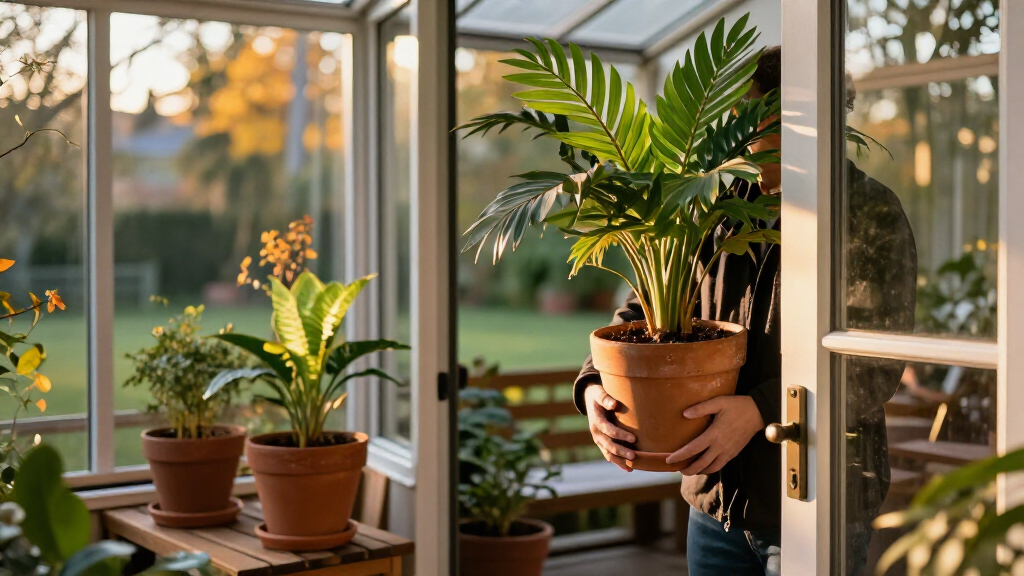
Outdoor houseplants should generally come indoors when nighttime temperatures begin dropping into the 40s, according to a Country Living gardening report, with some plants needing shelter when temperatures reach the 50s. Bringing them inside before a frost or freeze can protect cold-sensitive tropical plants, but gardeners should inspect for pests and plan for lower light indoors.
Before moving pots, the report recommends deciding which plants are healthy enough to keep and where they can receive suitable light. Plants that are already struggling may not improve indoors; an attached or oversized plant could instead be trimmed for a cutting. Most plants do best near an east-, west- or south-facing window. Even a bright indoor window provides less intense light than an outdoor location, the report says, so some plants may drop yellowing leaves as they adjust. An LED grow light is an option for prized plants that need extra light.
Check both sides of leaves and the places where stems meet for signs such as webbing, sticky honeydew, white fuzzy patches or hard bumps. The report advises spraying foliage with a garden hose to dislodge pests and flushing the pot’s soil with water if needed. Plants with visible infestations should be treated and treated again after seven to 10 days, depending on the pest. If using insecticidal soap or neem oil, follow the product label; some plants may be damaged by these products.
Keep returning plants separate from other houseplants for at least three to four weeks, checking them weekly or every 10 days for pests that may emerge later. Once indoors, check soil before watering and give plants time to adapt rather than keeping to an outdoor watering routine. The report says most plants grow more slowly in winter and typically do not need fertilizer, while plants under grow lights may continue putting on new growth.
Cold, Light and Pest Risks
The timing matters because many common houseplants are tropical and sensitive to cold. Waiting until frost threatens can put them at risk, while moving them inside without inspection may introduce pests to the rest of a household’s plants. A gradual, observant approach also helps gardeners respond to the lower light and slower growth typical of indoor winter conditions, rather than assuming a plant needs the same water and care it received outdoors.
indoor LED grow lights for houseplants
As an affiliate, we earn on qualifying purchases.
As an affiliate, we earn on qualifying purchases.
From Summer Outdoors to Indoors
Some plant owners move houseplants outside during warmer months to give them more light and warmth. The seasonal return indoors changes their environment: light is typically less intense, and heated indoor air and pots can dry differently from outdoor conditions. The report’s temperature guidance is a practical trigger, not a single calendar date; local nighttime forecasts determine when plants need protection.
The advice also distinguishes plants that can be pruned or propagated from those that should be discarded if they are already in poor condition. Tropical plants such as mandevilla and tropical hibiscus may benefit from being cut back by roughly one-quarter to one-third before moving indoors, according to the report. Root-bound plants may need a pot about two inches wider, filled with fresh potting medium.
“When nighttime temperatures begin to drop into the 40s … it’s time to bring them back indoors.”
— Country Living report
Plant Needs Vary by Home
The report gives general temperature ranges, but it does not set a precise cutoff for every plant species or climate. Some plants are sensitive to temperatures in the 50s, while others may tolerate cooler conditions; gardeners should check the needs of their particular plants and local forecast. The speed of adjustment also varies with window direction, indoor light and plant health. The report does not specify exact product amounts or treatment intervals for every pest, so label directions and plant tolerance remain important.
Watch Plants After Moving
After moving pots indoors, keep them apart from established houseplants for three to four weeks and inspect foliage and stems at least weekly. Watch for new pest signs, yellowing leaves or leaf drop, and check soil before watering. If a plant continues to struggle, reassess its light and consider a grow light; hold fertilizer for most plants during slower winter growth. Before any pest treatment, read the label and use the product only as directed.
Key Questions
When should I bring outdoor houseplants inside?
Country Living recommends bringing most houseplants in when nighttime temperatures begin falling into the 40s. Some plants are sensitive to the 50s, and any forecast frost or freeze is a reason to move cold-sensitive plants to shelter.
How long should new arrivals stay separate from other houseplants?
Keep them in quarantine for at least three to four weeks. Check leaves and stems weekly or every 10 days for signs of pests.
Should I water houseplants the same way indoors?
No. Check the soil before watering and allow the plant to adjust to its new conditions. The report advises avoiding persistently soggy soil as indoor growth slows.
Do houseplants need fertilizer during winter?
Most plants slow their growth in winter and typically do not need fertilizer, according to the report. Plants growing under LED grow lights may continue producing new growth and could be an exception.
Source: rss
Fall yard work Picks
leaf blowers
As an affiliate, we earn on qualifying purchases.