TL;DR

Get garden gear delivered free with Prime
- Fast, free delivery on millions of items
- Prime Video, Amazon Music and more included
- Member-only deals all year
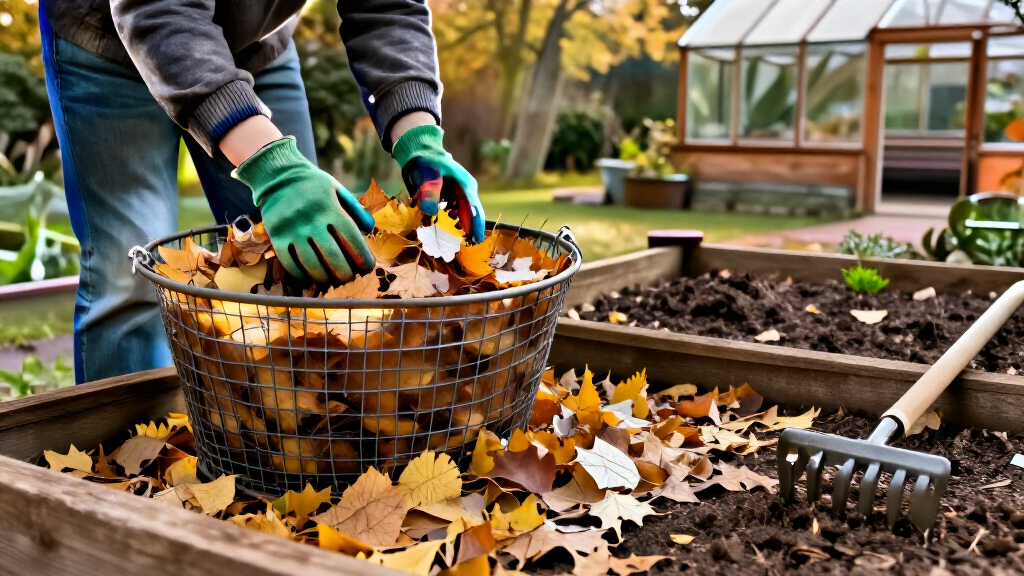
Gardening Know How recommends clearing thick leaf mats from lawns while reusing the leaves elsewhere in the yard. Its seven suggested uses include mowing light coverings into the lawn, making mulch and leaf mold, composting, insulating tender plants, enriching vegetable beds and creating wildlife habitat. Results depend on leaf type, preparation and local conditions.
Gardening Know How has outlined seven ways to reuse fallen leaves, advising homeowners to remove thick layers from grass but put suitable leaves to work elsewhere in the garden. The suggestions include making mulch, leaf mold and compost, protecting some plants over winter and adding leaves to vegetable beds—practices the report says can reduce the need to buy some garden materials.
The report draws a distinction between a light scattering of leaves and a thick, wet layer on a lawn. It says a mulching mower can chop up a light covering, allowing the pieces to settle between grass blades and break down. Thick layers, by contrast, can block light and air, stay damp and weaken turf over winter; the report also links leaf cover with conditions favorable to snow mold and shelter for voles and mice.
For other garden areas, the report recommends shredding leaves before spreading them as mulch. It suggests a 2–4 inch layer around trees, shrubs and perennials, while warning that whole leaves may mat together and shed water. Leaves can also be left to decompose into leaf mold, which the report describes as a soil conditioner that improves soil structure and water retention rather than a nutrient-rich fertilizer.
The remaining uses are adding leaves to a compost pile, applying them to vegetable beds after harvest, and using them to insulate tender plants or provide habitat. The report says leaves are a carbon-rich compost “brown” and need nitrogen-rich “greens,” such as grass clippings or kitchen scraps. It also advises checking which trees the leaves came from: oak and magnolia leaves decompose slowly, while black walnut leaves contain juglone, which can harm tomatoes and other sensitive plants.
Keeping Leaves Off Lawns, Not Out of Gardens
The guidance offers a practical alternative to bagging every fallen leaf: manage where leaves accumulate and reuse them where they can serve a purpose. That may help gardeners reduce purchases of mulch or soil amendments, although the report does not quantify potential savings or compare them with the time and equipment needed to prepare leaves.
It also addresses a seasonal lawn concern. A thick mat can leave grass shaded and damp through winter, while shredded leaves in beds or a properly managed compost pile break down more readily. The distinction matters because simply leaving all leaves in place is not the same as using them deliberately across a yard.
As an affiliate, we earn on qualifying purchases.
Why Leaf Type and Preparation Matter
The report’s seven uses are: mulch a light lawn covering; shred leaves for garden mulch; let them decompose into leaf mold; mix them into compost; use them to insulate tender plants; add them to vegetable beds after harvest; and leave some in suitable areas as habitat. The source material provided describes the first five uses and begins its vegetable-bed section, but does not include the full instructions for the final two.
Preparation affects how leaves behave. Shredding helps prevent matting and speeds decomposition, while leaves left whole can take longer to break down. The report estimates shredded leaves may become leaf mold in about six months, compared with closer to a year for whole leaves; an undisturbed pile may take around two years. These are estimates, not guaranteed timelines, and conditions can vary.
“Scattered leaves won’t hurt the grass – it’s the thick layer that causes trouble.”
— Gardening Know How report
Limits of the Leaf-Reuse Advice
The source material does not provide measured cost savings, trial results or a comparison of outcomes across climates and soil types. Its recommendations are general gardening advice, and the timing for leaf mold is presented as an estimate. The report also cautions that tree species matter, but it does not provide a full identification guide for leaves or detailed instructions for handling every potentially sensitive plant.
The supplied text cuts off partway through the vegetable-bed recommendation and does not include the complete details for that use or the seventh suggestion. It is therefore not possible to verify the report’s full instructions for those two items from the material provided.
Sort, Shred and Use Leaves
Gardeners following the advice should first clear thick leaf mats from grass, then sort and prepare the leaves for their intended use. Dry leaves can be stored for later composting, while leaves destined for mulch or leaf mold can be shredded and kept damp as they break down. Before using leaves around edible or sensitive plants, identify their source where possible and take the report’s warning about black walnut seriously.
The source does not announce a follow-up study, deadline or policy change. The next practical step is seasonal yard work: assess the lawn, move excess leaves to beds or a compost area, and check local conditions and plant needs before applying them.
Key Questions
Should I remove every leaf from my lawn?
No. The report says a light covering can be mulched with a mower. Remove thick layers that the mower cannot chop adequately, because they can block light and air and remain wet on the grass.
How deep should shredded leaves be as garden mulch?
Gardening Know How suggests a layer of 2–4 inches around trees, shrubs and perennials. Shredding helps keep the leaves loose so water can pass through and the material can break down.
Are all leaves suitable for vegetable beds or compost?
No. The report says black walnut leaves contain juglone, which can harm tomatoes and other sensitive plants. Oak and magnolia leaves also break down slowly, so shredding them or allowing extra time may help.
How long does leaf mold take to make?
The report estimates about six months for shredded leaves and closer to a year for whole leaves. An untouched pile may take around two years, and actual timing depends on conditions.
Source: rss
Halloween Picks
halloween
As an affiliate, we earn on qualifying purchases.