
TL;DR

Get garden gear delivered free with Prime
- Fast, free delivery on millions of items
- Prime Video, Amazon Music and more included
- Member-only deals all year
Gardening Know How recommends drying cleaned, freshly harvested seeds on plain basket coffee filters rather than paper towels. The report says the filters’ smoother surface can make seeds easier to remove after drying, but it provides no comparative trial data or evidence that the method increases future yields.
Gardening Know How has recommended drying cleaned, freshly harvested seeds on plain basket coffee filters instead of paper towels, saying the smoother paper can make seeds easier to remove after drying. The tip could help home gardeners save seeds from crops such as tomatoes, peppers and squash, but the report does not provide test results showing that it improves germination or produces bigger yields.
The report describes a familiar problem with saving seeds on paper towels: wet seed coatings and plant pulp can dry onto the towel, making seeds difficult to separate. Pulling them free may damage their outer coats or leave paper fibers attached. The article says these issues are especially relevant for gel-coated tomato and cucumber seeds, as well as seeds mixed with squash pulp or berry flesh.
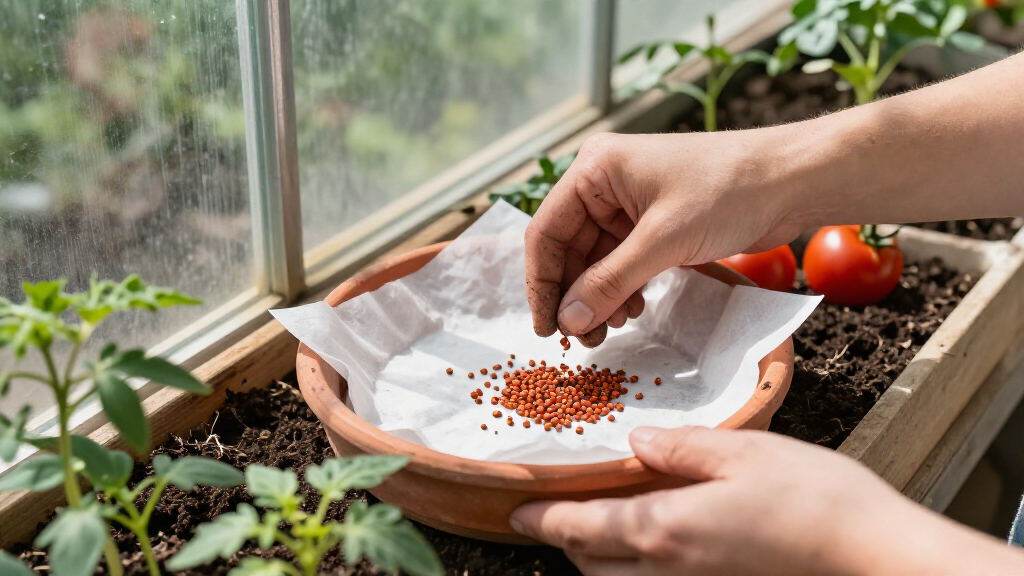
Its proposed alternative is a plain white or unbleached basket coffee filter. Gardening Know How says the paper’s tight, smooth surface gives wet coatings less space to sink into than a fluffy paper towel. Once the seeds are dry, the report says they will often come away with a gentle flex or light tap. It notes that seeds with pulp still attached may be harder to remove.
The filter is for drying, not cleaning. The report advises washing or otherwise preparing seeds first, then briefly draining rinsed seeds before spreading them on the filter so excess water does not pool on the paper. It describes fermentation for tomato and cucumber seeds and simpler rinsing or pulp removal for peppers, squash and melons. No controlled comparison, germination-rate data or yield measurements are included.
A Low-Cost Change to Seed Saving
For gardeners who save seed, easier separation could reduce the risk of damaging seeds while removing them from a drying surface. That may make the process less wasteful and less frustrating, particularly during fall harvests when several seed-bearing crops are ready at once. The practical appeal is that basket filters are inexpensive and readily available, and can be stored flat between seasons.
The report’s benefit is limited to the handling and drying stage. It does not establish that coffee filters make seeds more viable, prevent disease, or lead to larger harvests the following year. Those outcomes also depend on seed maturity, cleaning, drying, storage and growing conditions. The article’s headline promises the possibility of bigger yields, but the supplied reporting supports a more modest claim: seeds may be easier to remove from the filter than from a paper towel.
Products Worth Considering

Greenworks 60V Cordless Leaf Blower with 2.5 Ah Battery and Charger

EGO POWER+ LB7654 Cordless Leaf Blower with 5.0Ah Battery

Husqvarna 130L Gas String Trimmer, 18-Inch
As an affiliate, we earn on qualifying purchases.
Why Wet Seeds Stick to Towels
Some seeds are harvested with slippery coatings or pulp that can become adhesive as it dries. The report says tomato seeds have a gelatinous covering, while cucumber seeds can also be slippery and squash seeds may remain tangled in stringy material. If these wet materials dry against textured paper, seeds can become caught in its fibers.
Gardening Know How says coffee-filter paper is designed to handle wet coffee grounds and water, and describes it as denser and smoother than typical paper towels. It recommends basic basket filters rather than stiff cone filters, and advises against textured or quilted towels. Other possible drying surfaces named in the report include paper plates, glass pie plates and window screens.
For tomato and cucumber seeds, the article describes placing seeds, juice and gel in a jar with a little water and leaving it covered with cloth in a warm location for two to three days, stirring daily. It says a white film may form, then recommends pouring off the liquid and floating seeds and rinsing the seeds that settle. This is guidance from the report, not evidence from a published trial included in the supplied material.
““That tight, smooth paper surface” gives the seed coating “nowhere to sink into.””
— Gardening Know How report
No Yield Tests Are Provided
The supplied report does not identify a controlled test comparing coffee filters with paper towels, nor does it give germination rates, seed-viability measurements or harvest yields. It is not clear how the method performs across different seed varieties, filter brands or drying conditions. The claim that seeds may be easier to remove is presented as practical gardening advice, not as a quantified finding.
The article also does not provide a publication date in the supplied material. Its seed-cleaning instructions are summarized, but the report does not establish that one preparation method suits every crop or seed-saving circumstance. Gardeners should not interpret the headline’s reference to bigger yields as a demonstrated effect of using coffee filters.
Dry, Label and Store Seeds
The next steps for a gardener trying the tip are to clean seeds according to the crop, drain them, spread them on a labeled basket filter and let them dry before storage. The supplied report does not set out a specific drying duration or storage protocol, so those details cannot be confirmed from this material. Gardeners should keep varieties separated and record the crop and date to avoid mixing saved seeds.
Whether the filter method affects seed viability or later harvest size would require comparative germination and growing tests. No such testing or follow-up is described in the report. For now, the recommendation is best understood as a low-cost way to make dried seeds easier to handle, not as a proven method for increasing next year’s yield.
Key Questions
What is the coffee-filter seed-drying method?
After cleaning and draining freshly harvested seeds, spread them on a plain basket coffee filter and let them dry. The filter is intended as a surface for drying, not a substitute for removing gel or pulp.
Why use a coffee filter instead of a paper towel?
The report says coffee-filter paper is smoother and less absorbent at its surface, so sticky coatings are less likely to embed in fibers. It says dried seeds often come free with a light tap or gentle flex.
Does this method increase seed germination or crop yields?
The supplied report provides no germination tests or yield measurements. It presents the filter as a way to make seeds easier to remove, not as a proven way to improve viability or increase harvests.
Do all seeds need to be fermented before drying?
No. The report describes brief fermentation for gel-coated tomato and cucumber seeds, while peppers and some squash or melon seeds can be cleaned by removing pulp and rinsing. Preparation varies by crop.
Which filters does the report recommend?
It recommends plain white or unbleached basket filters, rather than stiff cone filters. It also advises avoiding textured or quilted paper towels as a drying surface.
Source: rss