TL;DR

Get garden gear delivered free with Prime
- Fast, free delivery on millions of items
- Prime Video, Amazon Music and more included
- Member-only deals all year
A Homes and Gardens gardening report recommends removing perennial weeds in October, before frost, to reduce the work they may cause in spring. The advice depends on digging out the full root system: fragments of roots or rhizomes left in the soil can regrow. Weather and soil conditions matter, and the report advises avoiding frozen or waterlogged ground.
Homes and Gardens recommends removing perennial weeds in October to reduce the chance of dealing with their regrowth during spring gardening. The advice is conditional: gardeners need to dig out the entire root or rhizome network, since remaining fragments can produce new shoots.
The report identifies dandelions, bindweed, couch grass and dock as examples of persistent weeds that can survive winter through underground roots, rhizomes or tubers. It says these structures store nutrients that help the plants return in spring, when weeds may compete with seedlings, bulbs and other plants for water, nutrients and light.
October can make the task easier because many garden plants are dying back, which may make weeds easier to spot before spring growth complicates identification. The report also says moist, loose soil can make it easier to remove deep roots. It cautions that conditions should not be frozen or waterlogged and recommends doing the work before frost arrives.
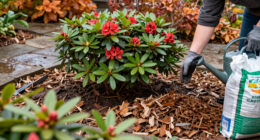
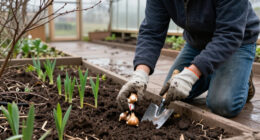
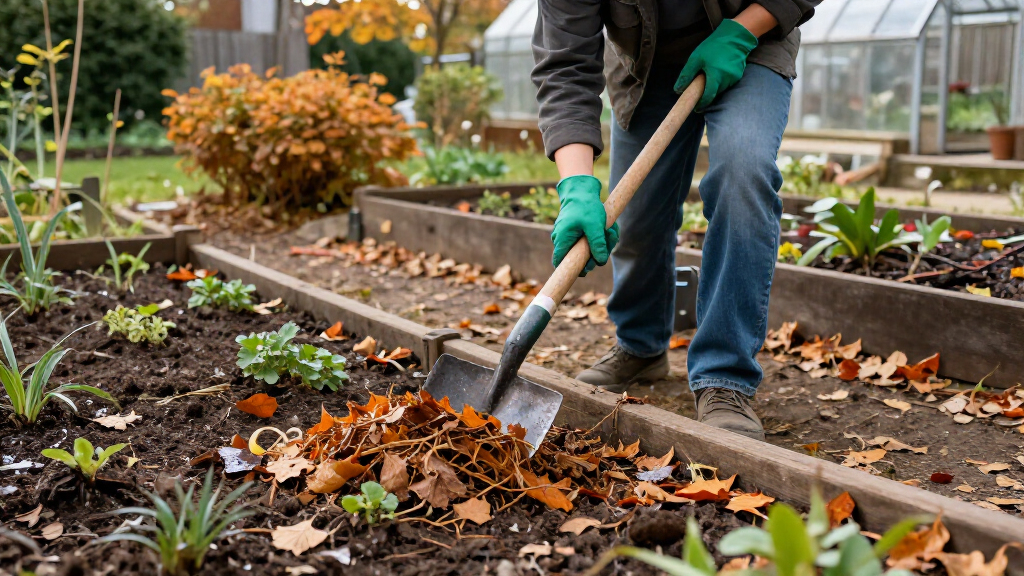
For removal, the report suggests a trowel, standing weeder, dandelion weeder or hori-hori knife. A hoe that only cuts the visible growth is not enough for perennial weeds, according to the article: the underground root may remain, and fragments can regrow. After weeding, it recommends covering the area with a two- to three-inch layer of mulch, such as compost, leaves or wood mulch.
Why October Root Removal Matters
The practical benefit is shifting some weeding work from spring to fall, when beds may be easier to inspect and soil may be workable. If the roots are removed successfully, gardeners may have fewer returning perennial weeds to manage as they plant and sow seeds. That can also reduce competition for young plants and bulbs at the start of the growing season.
The result is not guaranteed by timing alone. The report’s central qualification is that incomplete removal can leave viable roots or rhizomes behind. A quick cut at soil level may remove the visible weed without dealing with the part that allows it to return. The advice is most relevant to established perennial weeds, rather than a claim that October weeding eliminates all spring weeds.
Products Worth Considering

Husqvarna Automower 550 Commercial Robotic Lawn Mower

EGO POWER+ Cordless Electric Leaf Blower, 530 CFM, with 2.5Ah Battery (LB5302)

Sylviera 8 x 10 ft Polycarbonate Greenhouse with Hygrometer
As an affiliate, we earn on qualifying purchases.
How Perennial Weeds Return
Unlike annual weeds, which complete their life cycle in one year, the perennial weeds discussed in the report can persist across seasons. Their underground roots and rhizomes help them survive winter and produce growth again. The report says even small fragments left behind can regrow, which is why careful excavation matters for weeds such as bindweed and dandelions.
Spring can bring a separate identification problem: new shoots from desirable plants may appear alongside weeds, making it harder to tell them apart. In October, plant growth is often receding, and the report says that can make weeds more visible. It recommends mulching after removal, but does not say mulch alone will kill established perennial roots.
“The crucial point to remember with perennial weeds is that they must be completely removed to stop them from coming back.”
— Homes and Gardens
Limits of the October Advice
The source is gardening advice, not a controlled trial, and it gives no measured estimate of how much spring weeding gardeners can expect to avoid. Results will depend on the weed species, how much of its root system is removed, and the condition of the soil. It also does not provide a specific calendar date for each region, where frost and soil conditions vary.
The report advises against working in frozen or waterlogged ground, but it does not give detailed removal instructions for every weed or describe how to dispose of every type of root or rhizome. Gardeners should identify plants carefully before digging, particularly where desirable perennials or self-seeding flowers are present.
Before Frost, Check Soil Conditions
Gardeners following the advice can inspect beds for persistent weeds and choose a dry-enough, unfrozen period before frost. Use a suitable hand tool to loosen and lift the full root network, checking the excavated soil for fragments rather than simply cutting the plant at ground level. Avoid digging where soil is waterlogged or frozen.
Once the weeds are removed, the report recommends adding two to three inches of mulch. Spring will show how well the roots were cleared: any returning growth may indicate that pieces remained and need further attention. The source does not identify a follow-up schedule or claim that the task will prevent every weed from appearing.
Key Questions
Why remove perennial weeds in October?
Homes and Gardens says fall removal may reduce spring work, when weeds can compete with seedlings, bulbs and other plants. Weeds may also be easier to spot as other plants die back.
Is cutting a perennial weed at soil level enough?
No. The report says roots or rhizomes left underground can regrow, so gardeners should use a suitable tool to remove the whole root system.
Which tools does the report recommend?
It lists a trowel, standing weeder, dandelion weeder or hori-hori knife. The right choice depends on the weed and its root system.
When should I avoid October weeding?
The report advises not working when the ground is frozen or waterlogged. It recommends removing weeds before frost arrives, when conditions allow.
Should I mulch after removing weeds?
The report recommends a two- to three-inch layer of compost, leaves or wood mulch after weeding. It does not claim that mulch by itself will remove established perennial roots.
Source: rss