
TL;DR
A guide from P.L. Light Systems urges growers to measure supplemental lighting rather than rely on fixture specifications alone. It recommends calibrated instruments and consistent readings to track photosynthetic light, distribution and spectrum, though it does not provide a full measurement protocol or quantify expected yield effects.
P.L. Light Systems is urging greenhouse growers to measure the intensity, uniformity and spectral output of supplemental lighting instead of assuming installed fixtures still perform as specified. The guidance says calibrated measurements can help identify uneven coverage and changes in fixture performance, information that can affect crop management and decisions about service or replacement.

Get garden gear delivered free with Prime
- Fast, free delivery on millions of items
- Prime Video, Amazon Music and more included
- Member-only deals all year
The guide distinguishes plant-usable light from measurements designed around human vision. It says growers assessing light for photosynthesis should use photosynthetic photon flux density, expressed in micromoles per square meter per second, rather than relying on lux or lumens. Actual intensity can differ from the output expected in a lighting plan because of fixture aging, environmental conditions or installation inconsistencies.
Measurements across the growing area can also reveal dark patches and uneven distribution, even when a facility’s overall light level seems adequate. Fixture placement and height, as well as obstructions in the structure, can contribute to variation. The guide says mapping uniformity can help growers find areas that may need lighting adjustments.
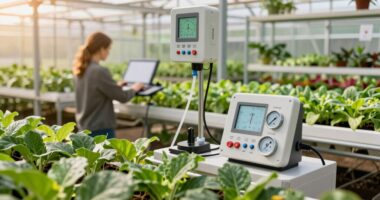
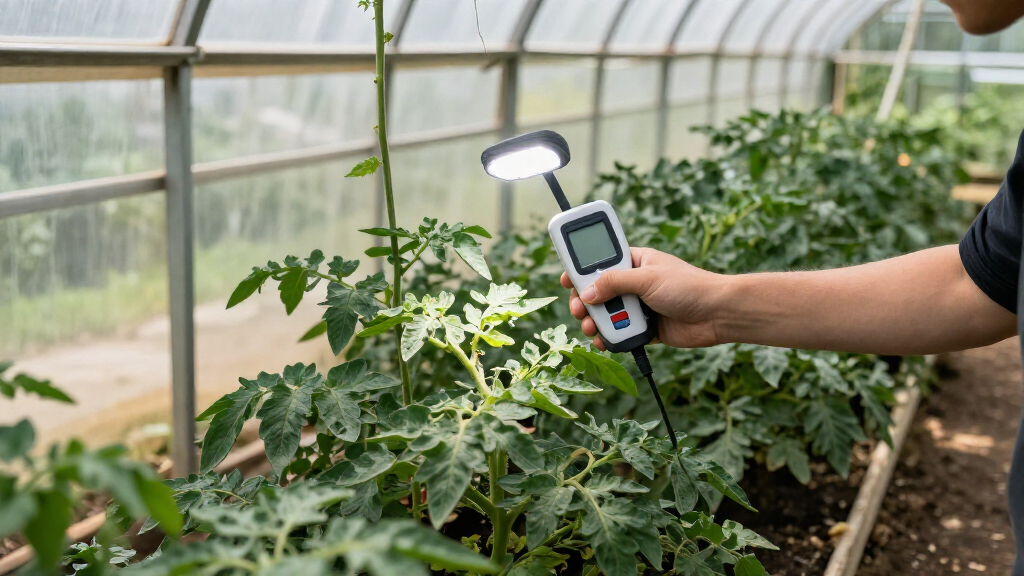
To check intensity and spectrum, the company recommends a professional-grade, calibrated light meter or spectrometer and a repeatable measurement method. It names the LI-COR LI-180 Spectrometer as an example of an instrument that measures both intensity and spectral quality. The article does not set out a complete sampling schedule or step-by-step protocol in the material provided.
Measure the light plants receive not just fixture output
P.L. Light Systems urges growers to measure intensity, coverage and spectrum with calibrated instruments. Readings can reveal lighting changes and gaps, but the guidance gives no complete protocol or verified yield effects.
Measure plant-usable light
For photosynthesis, the guide recommends PPFD rather than units based on human vision.
Use PPFD
Measure photosynthetic photon flux density in micromoles per square meter per second, not lux or lumens.
Check light quality
Spectral readings show which wavelengths make up the light reaching plants.
Find gaps across the growing area
A facility average can hide local differences that may affect crop management.
- Fixture aging and environmental conditions
- Mounting height, placement and obstructions
- Uneven coverage and dark patches
- Changes from planned or earlier performance
Build consistent records
Repeatable readings make changes easier to investigate.
Use a calibrated professional-grade meter or spectrometer.
Take readings at consistent points under comparable operating conditions.
Record date, location, intensity, spectrum and relevant fixture or environmental changes.
Use findings with care
Measurements may inform crop management, service discussions and lighting adjustments.
Measurements Can Reveal Lighting Gaps
Lighting measurements give growers a way to compare what a system is delivering with what a crop area needs. A facility-wide average can conceal localized low-light zones; those differences may matter when plants develop unevenly or yield varies across a greenhouse. Measurements can help distinguish a distribution problem from a general shortage of light.
Spectral readings can add another layer to crop management. The guide says understanding light quality may help growers develop cultivar-specific lighting recipes intended to influence traits such as color, flavor and flowering response. These are presented as potential uses of measurement, not as guaranteed outcomes. The guidance does not report independent trial results establishing particular yield or quality gains.
Keeping readings over time can also give growers evidence of performance changes and fixture depreciation. If a system is under warranty, measurement records may help support a service or replacement inquiry. The company’s article says that without measurements, growers may not recognize when a fixture could qualify for warranty refurbishment or replacement; specific warranty terms depend on the product and its coverage.
Products Worth Considering

EGO POWER+ LB5302 Cordless Leaf Blower, 530 CFM, with 2.5 Ah Battery

Husqvarna Power Axe 350i 18-Inch Cordless Chainsaw Kit

Greenworks 48V Cordless Lawn Mower, String Trimmer, and Blower Combo Kit
As an affiliate, we earn on qualifying purchases.
From Fixture Plans to Crop Readings
Lighting layouts are designed to specify expected output, but a plan is not itself a measurement of conditions after installation. The guidance points to differences between planned and actual performance that can arise from mounting, environmental conditions and aging. Checking light in the growing space lets operators assess the system as it is currently installed and used.
The article also separates two questions: how much photosynthetically useful light reaches plants and what wavelengths make up that light. Intensity readings address the first; spectral measurements address the second. The guide frames both as useful for monitoring supplemental lighting, particularly as fixtures change over time and growers seek to maintain consistent conditions.
P.L. Light Systems is a horticultural lighting manufacturer. Its guidance is relevant to growers evaluating lighting performance, but readers should distinguish the company’s recommendations from independent research. The supplied article material does not include comparative product testing, crop-specific thresholds or a detailed schedule for routine measurements.
Protocols and Yield Effects Unspecified
The material does not specify how often growers should take readings, how many points to measure, or which measurement grid and sensor placement to use. It says consistent methodology matters but directs readers to the company’s full article for protocols and common measurement challenges; those details are not included here.
The article states that a 1% loss of light equals roughly a 1% loss in yield. That is a claim made in the company’s guidance, not a result supported by trial data or a stated crop, growing system or time period in the material provided. The relationship between light and yield can depend on growing conditions, so the figure should not be treated as a universal guarantee.
It is also unclear what measurement tolerances, calibration intervals or warranty standards apply to specific instruments and fixtures. Growers would need to consult equipment documentation and their lighting supplier for those details. The named spectrometer is an example, not a requirement established by the article.
Build a Repeatable Measurement Routine
Growers considering the guidance can begin by checking instrument calibration and recording readings at consistent locations and under comparable operating conditions. A practical log could include date, location, intensity and spectral readings, along with relevant fixture or environmental changes. Those records can make later comparisons more useful than isolated measurements.
When readings show unexpected variation or decline, operators can compare results with the original lighting plan and equipment specifications, then discuss possible causes with their supplier or service provider. Any warranty request should be checked against the fixture’s actual warranty terms. The article does not announce a new product, regulatory change or scheduled industry milestone; its next step for readers is to consult the company’s full guidance for measurement protocols and challenges.
Key Questions
What units should growers use to measure light for plants?
The guide says to assess photosynthetically useful light using micromoles per square meter per second, rather than lux or lumens, which reflect human vision.
Why measure light at multiple points in a greenhouse?
Multiple readings can reveal uneven coverage, shadowed areas or dark zones that a single reading or facility-wide average could miss.
Do growers need a spectrometer?
The article recommends a calibrated professional-grade meter or spectrometer. A spectrometer can measure intensity and spectral quality; the named LI-COR LI-180 is provided as an example, not a required device.
How often should supplemental lighting be measured?
The guidance does not specify a measurement frequency. It recommends consistent methods and repeat readings over time, but growers should determine a schedule suited to their facility and equipment.
Does a 1% drop in light always mean a 1% drop in yield?
The company’s guidance makes that approximate claim, but the material provides no supporting trial details or conditions. It should not be treated as a universal yield prediction.
Source: greenhousegrower.com