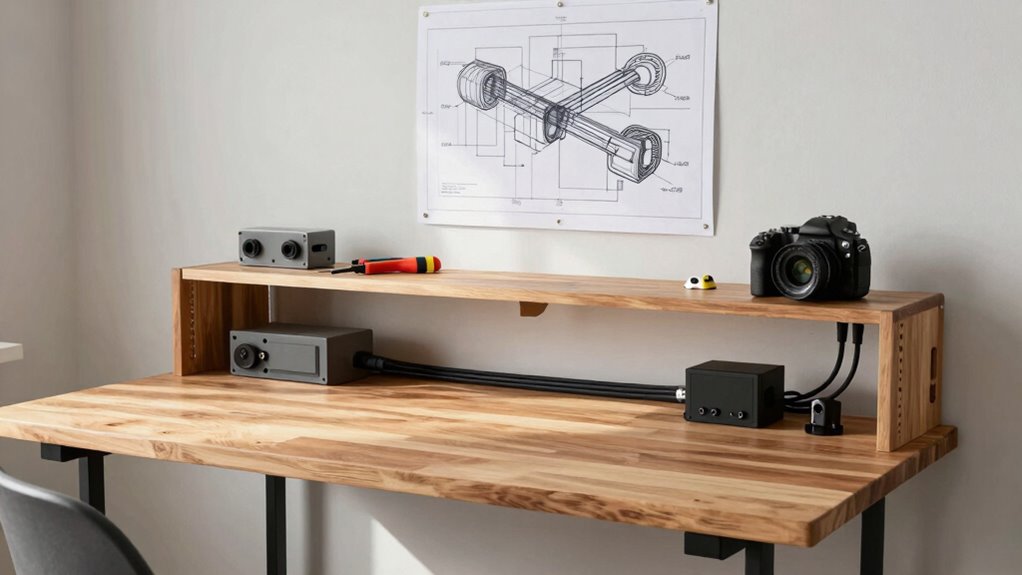

To build around future upgrades, plan with flexibility in mind. Incorporate modular designs, scalable electrical systems, and advanced insulation for future tech integration. Focus on thermal management for efficiency and sustainability. Prioritize strategic layout to accommodate new equipment without major disruptions. Early planning helps you avoid costly overhaul later. By considering these factors, your building remains adaptable and efficient over time. Keep exploring to discover how these strategies can guarantee your building’s long-term viability.
Key Takeaways
- Incorporate modular design elements to allow easy replacement and upgrading of individual components.
- Plan electrical and mechanical systems with scalability to support future technology additions.
- Prioritize flexible infrastructure that can adapt to evolving energy, data, and utility needs.
- Embed future-proof features like smart controls and advanced insulation from the outset.
- Maintain sufficient space and access points for seamless integration of new systems over time.
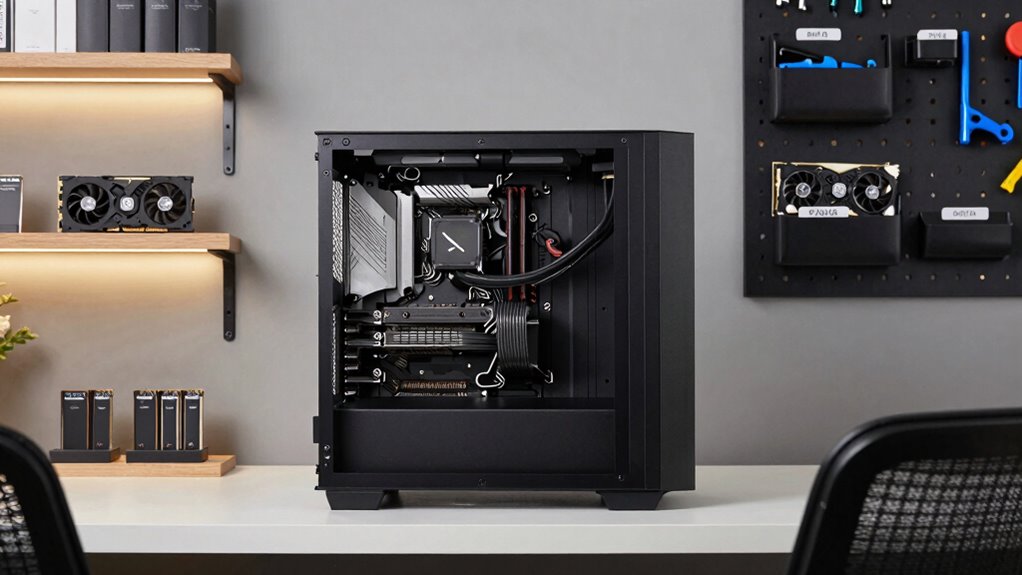
Planning for future upgrades is crucial when designing any building, as it guarantees your investment remains functional and adaptable over time. When you focus on long-term flexibility, you avoid costly renovations or complete rebuilds down the line. One of the most critical factors to consider is thermal management. Proper thermal management ensures your building stays energy-efficient and comfortable, regardless of evolving needs or technological advances. By incorporating advanced insulation, strategic ventilation, and temperature control systems, you create a foundation that can easily support future upgrades without compromising energy performance. This proactive approach also helps identify potential bottlenecks early, making upgrades more straightforward and cost-effective. This not only reduces operational costs but also minimizes the environmental impact, making your building more sustainable over its lifespan. Additionally, considering thermal management early in the design process helps optimize energy use and enhances occupant comfort. Integrating smart control systems can further optimize thermal performance and energy efficiency over time. Planning for future technological needs during initial design is essential to ensure seamless integration of new systems as they become available.
Prioritizing thermal management ensures energy efficiency and adaptability for future building upgrades and sustainability.
Power efficiency is another essential aspect you should prioritize from the start. Building with energy-efficient systems in mind allows you to adapt more seamlessly to future upgrades. For example, installing scalable electrical infrastructure and smart systems now means you can add or upgrade equipment without major rewiring or extensive modifications. This foresight helps you maximize the lifespan of your electrical components and reduces downtime when upgrades are needed. To further enhance power efficiency, consider integrating renewable energy sources like solar panels or wind turbines, which can be expanded or upgraded as technology advances. These investments not only lower your energy costs but also position your building as environmentally responsible. Incorporating renewable energy sources early in the design process ensures they can be expanded or upgraded efficiently as new technologies become available.
Designing with modularity in mind plays a pivotal role in future-proofing your building. Modular construction allows individual components or sections to be upgraded or replaced without disturbing the entire structure. This flexibility simplifies maintenance and adapts easily to changing technological requirements. For instance, modular electrical rooms, adaptable HVAC systems, or plug-and-play technology infrastructure can all be implemented to facilitate future upgrades. You should also plan for sufficient space and access points to accommodate new equipment or systems that might be added later. Such planning reduces disruption and ensures your building remains current with technological innovations. Incorporating modular design principles also facilitates easier maintenance and upgrades over time. Proper planning for future space requirements can help accommodate evolving technological advancements more efficiently.
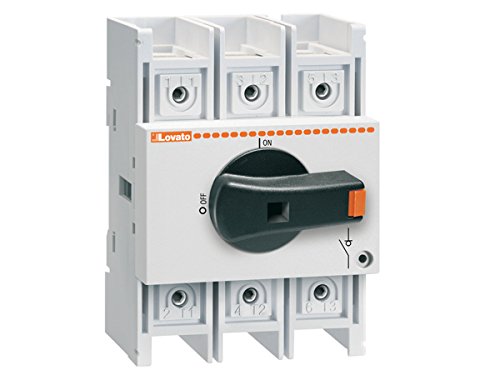
Lovato Electric GA063A Three-Pole Switch Disconnector, Direct Operating Version, 63A
Switch disconnectors
As an affiliate, we earn on qualifying purchases.
As an affiliate, we earn on qualifying purchases.
Frequently Asked Questions
How Do I Prioritize Upgrade Compatibility During Initial Setup?
You should prioritize compatibility considerations during your initial setup by choosing components that align with your expansion strategies. Research hardware specifications, check for future upgrade options, and select a motherboard with enough slots and support for upcoming technologies. This way, you guarantee your system remains adaptable, reducing the need for complete rebuilds later. Planning ahead helps you seamlessly upgrade, saving time and money while keeping your system current.
What Are the Best Tools for Planning Future Upgrades?
You should use planning tools that emphasize hardware flexibility and software compatibility, such as PCPartPicker or TechPowerUp’s Upgrade Planner. These tools help you visualize future upgrade paths, ensuring your components and software stay compatible over time. They allow you to compare parts, check compatibility, and plan upgrades, saving you from costly mistakes and future-proofing your build for easy upgrades down the line.
How Can I Budget for Long-Term Upgrade Costs?
You should prioritize budget planning and set aside funds for future upgrade costs, even if it feels like a gamble. Create an upgrade timeline that aligns with your financial situation, breaking down costs over months or years. This way, you avoid surprises and guarantee your system evolves smoothly. Keep track of expenses and adjust your budget as needed, so your upgrades stay manageable without sacrificing your financial stability.
What Are Common Mistakes to Avoid When Building for Upgrades?
You should avoid neglecting upgrade flexibility and component compatibility when building your system. Don’t choose components that limit future upgrades or don’t work well together, as this can force costly replacements later. Always research whether parts are compatible and leave room for expansion. By prioritizing upgrade flexibility and verifying component compatibility, you guarantee your build remains adaptable, saving you time and money on future upgrades.
How Often Should I Revisit My Upgrade Plans?
Think of your upgrade plans as a garden that needs tending. You should revisit them every 6 to 12 months, like seasons changing, to guarantee your components stay healthy and flexible for future upgrades. Regular check-ins help you spot potential issues before they become costly. Keeping your plans fresh enhances component longevity and upgrade flexibility, allowing your system to grow smoothly without starting from scratch.
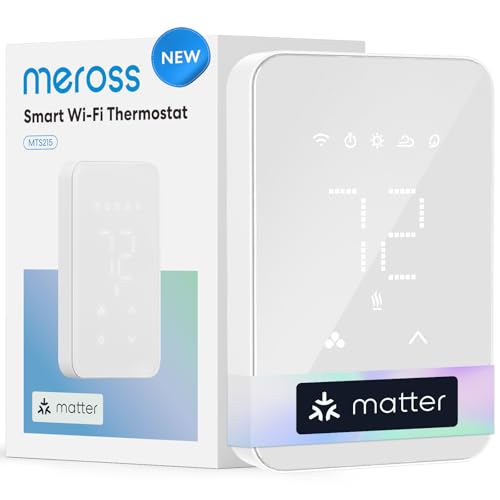
meross Matter Smart Thermostat for Electric Baseboard Heater, Works with Alexa, HomeKit, Google, SmartThings, Programmable WiFi Thermostat for House, Energy Saving, App & Voice Control for Smart Home
🔔Compatibility Notice: Designed for high-line voltage (120 – 240 VAC) electric heating systems, such as baseboard, Convector, and…
As an affiliate, we earn on qualifying purchases.
As an affiliate, we earn on qualifying purchases.
Conclusion
Think of your build as planting a tree. When you choose the right seeds and sturdy roots today, it grows strong enough to support future branches and blossoms. If you rush and neglect the foundation, you’ll struggle to support new growth later. By building with patience and foresight, you create a sturdy, flourishing tree that adapts and thrives through seasons of upgrades. Your future self will thank you for nurturing a structure built to last.

PermaSafe HVAC Solutions, System & Air Duct Hygiene Maintenance Kit, Preserves IAQ, Keeps Systems Free from Microbial Growth, other Contamination, Odors and More
STEP-1 Quickly cuts through soils, grime, rust, allergens, mold, and other microbial growth, contamination, and debris.
As an affiliate, we earn on qualifying purchases.
As an affiliate, we earn on qualifying purchases.
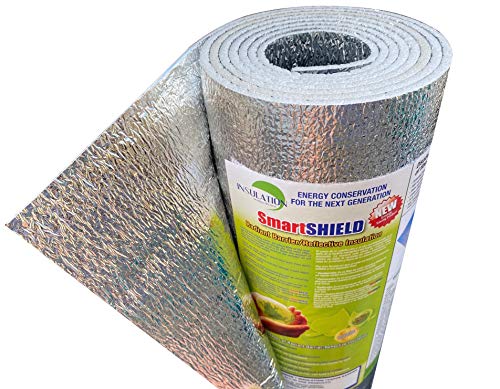
INSULATION MARKETPLACE SmartSHIELD -3mm 16inx10Ft ReflectiveINSULATION roll, Foam Core Radiant Barrier, ThermalINSULATION Shield – Engineered Foil
EXTREMELY EFFECTIVE – reflect 95% of radiant energy, perfect RADIANT BARRIER.
As an affiliate, we earn on qualifying purchases.
As an affiliate, we earn on qualifying purchases.