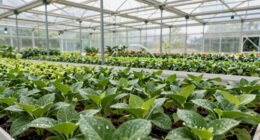
To quickly spot wear on a greenhouse covering, do a visual inspection during bright sunlight or use a flashlight to catch hidden damage. Look for signs like brittleness, cracks, or discoloration, especially around edges and seams. Check for small holes, tears, or bubbling spots, and watch for areas that seem faded or cloudy. Using simple tools like UV lights or magnifiers can help uncover subtle deterioration, and the more you inspect, the better you’ll understand what to watch for.
Key Takeaways
- Conduct quick visual scans for discoloration, cracks, or bubbling spots during routine inspections.
- Use a UV light to identify subtle material deterioration not visible to the naked eye.
- Check for small holes, tears, or webbing indicating pest activity.
- Look for faded or cloudy areas that suggest reduced light transmission.
- Keep detailed records to track recurring damage signs over time.
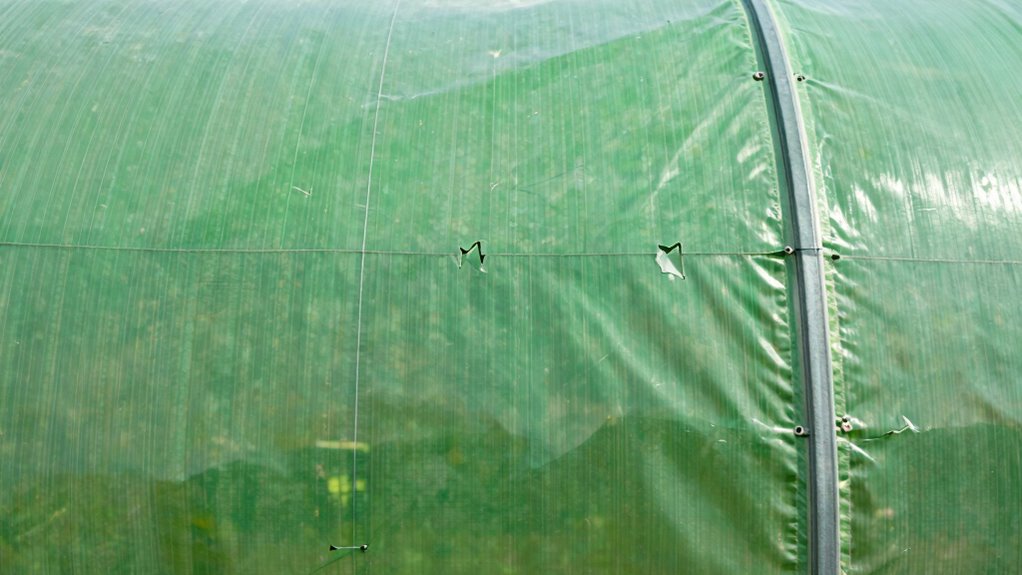
Regularly inspecting your greenhouse covering is crucial to prevent small damages from turning into costly repairs. The sooner you spot issues, the easier it is to address them before they compromise your plants’ health or the structure’s integrity. One of the most common signs of wear is UV damage, which can cause the covering to become brittle, discolored, or develop small cracks. Over time, prolonged exposure to sunlight breaks down the material, reducing its effectiveness at transmitting light and protecting your plants from harsh rays. When you check your greenhouse, look for areas that appear faded or cloudy, as these are clues that UV damage has set in. You might also notice peeling or bubbling spots, indicating the material is deteriorating. Catching UV damage early allows you to repair or replace sections before larger tears form, saving you money and effort down the line.
Regular inspections prevent small damages from becoming costly repairs.
Pest infestation is another critical issue that can accelerate wear on your greenhouse cover. Small holes or tears can serve as entry points for pests, which can further weaken the material or cause contamination inside. When inspecting, keep an eye out for signs of pests—such as webbing, frass, or visible insects—around the edges or damaged areas. Pests not only damage the cover but can also transmit diseases to your plants, making early detection essential. If you notice any pest activity, examine the surrounding areas closely for additional damage or infestations. Addressing pest problems promptly can prevent them from spreading and causing more extensive damage to your covering. Additionally, understanding material deterioration can help you better identify early signs of wear that might otherwise go unnoticed. Regularly checking for early signs of damage can significantly extend the lifespan of your greenhouse cover. It’s also helpful to keep records of inspections to track recurring issues over time. Incorporating proper maintenance into your routine can further prolong the durability of the covering and prevent minor issues from escalating. Furthermore, using inspection tools like UV lights or magnifiers can enhance your ability to detect subtle damage early on. Regular, thorough inspections—at least monthly—help you stay ahead of wear and extend the lifespan of your greenhouse covering. By staying vigilant against UV damage, pest infestations, and physical deterioration, you safeguard your investment and ensure your plants thrive under ideal conditions.

UV Black Light Flashlight for Vegetable Inspection, 365nm UV LED Flashlight, Compact & Portable Used to Detect Stains on Vegetables, Household, Counterfeit Currency, and Pet (Aluminum Alloy Housing)
POWERFUL UV DETECTION: Uncover hidden 𝐜𝐨𝐧𝐭𝐚𝐦𝐢𝐧𝐚𝐧𝐭𝐬 with precision. Our 365nm UV LED flashlight reveals 𝐟𝐥𝐮𝐨𝐫𝐞𝐬𝐜𝐞𝐧𝐭 𝐚𝐠𝐞𝐧𝐭𝐬, 𝐩𝐞𝐬𝐭𝐢𝐜𝐢𝐝𝐞𝐬, and…
As an affiliate, we earn on qualifying purchases.
As an affiliate, we earn on qualifying purchases.
Frequently Asked Questions
What Tools Are Best for Inspecting Greenhouse Coverings?
You should use a flashlight and binoculars for inspecting greenhouse coverings. A flashlight highlights tiny tears or punctures in the cover material, especially in low light, while binoculars help you scan large areas quickly for visible damage. Incorporate inspection techniques like gently pressing on the cover to check for weak spots and carefully examining seams and edges. These tools and methods guarantee you catch wear early and maintain a healthy, efficient greenhouse.
How Often Should I Check for Wear and Tear?
You should check for wear and tear regularly—think of it as a maintenance schedule that keeps your greenhouse thriving. Ideally, perform inspections monthly, using an inspection checklist to catch tiny tears or holes early. Don’t wait for catastrophic failure; proactive checks save time and money. Remember, neglecting this task might turn your lush sanctuary into a leaky disaster zone. Stay vigilant, and your plants will thank you!
Can Weather Conditions Accelerate Covering Damage?
Yes, weather conditions can accelerate covering damage due to climate impact and seasonal effects. Harsh sun, heavy rain, hail, and snow stress the material, causing wear faster. Strong winds can create tears or loosen fittings. Seasonal changes, like freezing temperatures or intense heat, weaken the covering over time. You should regularly inspect your greenhouse especially after severe weather events to catch and address damage early.
Are There Specific Signs of UV Damage?
Imagine a greenhouse owner noticing faded, brittle areas on their cover after a hot summer. UV signs of damage often include discoloration, cracking, and a loss of flexibility, which indicate cover degradation. These signs appear as the material’s fibers break down from prolonged UV exposure. Spotting these early signs helps you address damage before it worsens, maintaining the cover’s integrity and prolonging its lifespan.
How Can I Prevent Future Wear and Tear?
To prevent future wear and tear, choose durable cover material suited for your climate and guarantee proper installation. Opt for high-quality materials with UV-resistant properties, and consider applying protective coatings that shield against UV rays and physical damage. Regular maintenance, like cleaning and inspecting for damage, helps extend the lifespan. These strategies keep your greenhouse cover in good shape longer, maintaining ideal conditions for your plants.
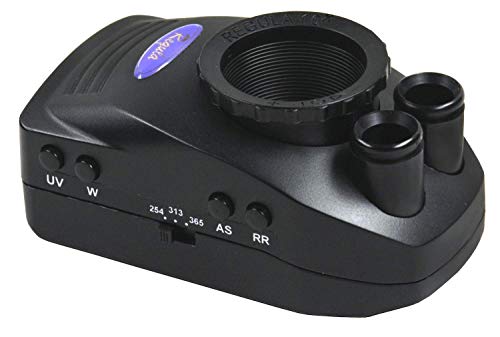
Regula 1019 Magnifier with 10x Magnification, UV Light, and IR Detection
High Magnification Power: Features 10x magnification for detailed examination of documents and security features
As an affiliate, we earn on qualifying purchases.
As an affiliate, we earn on qualifying purchases.
Conclusion
By regularly inspecting your greenhouse cover, you’re like a vigilant lighthouse keeper, shining a light on any signs of wear before they turn into stormy problems. Catching small tears or holes early keeps your plants safe and your greenhouse thriving. Don’t wait for the damage to spread like wildfire—spotting the signs quickly is your best defense. Stay attentive, and your greenhouse will continue to be a sturdy, shining beacon of growth.
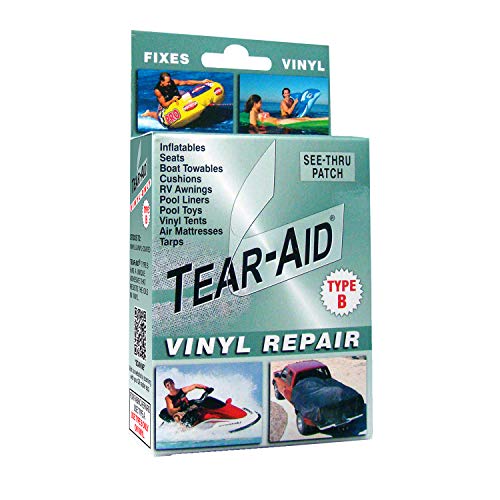
TEAR-AID Vinyl Repair Kit, Type B Clear Patch for Vinyl-Coated Materials, Works on Tents, Awnings, Air Matresses, Pool Liners and More, Green Box, Single Pack
PEEL and STICK PATCHES – Airhead Tear-Aid fabric and Vinyl repair patch it provides and airtight, watertight repair…
As an affiliate, we earn on qualifying purchases.
As an affiliate, we earn on qualifying purchases.

PATIOHZ Automatic Window Opener for Greenhouse Solar Sensitive Auto Greenhouse Vent Opener Gardening Tools Automatic Greenhouses Supplies (Single Spring Opener Up to 15lbs)
SOLAR POWERED OPERATION: Our greenhouse vent automatic opener responds to temperature changes, efficiently regulating your greenhouse's internal climate….
As an affiliate, we earn on qualifying purchases.
As an affiliate, we earn on qualifying purchases.