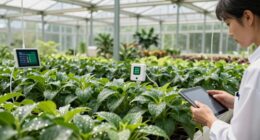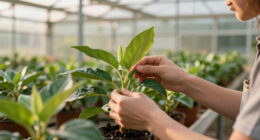
The key mistake is neglecting proper soil preparation and ventilation during the seedling stage. If you ignore loosening soil, adding organic compost, and testing pH, your seedlings can develop weak roots and become prone to diseases. Poor ventilation traps humidity, raising fungal risks and hindering healthy growth. These issues set off a chain of problems that weaken the entire greenhouse environment. Continue exploring to discover how to prevent these common mistakes and guarantee healthy seedlings.
Key Takeaways
- Overwatering seedlings can cause waterlogged soil, leading to root rot and poor nutrient uptake.
- Neglecting proper soil preparation results in compacted, unhealthy root environments.
- Insufficient ventilation increases humidity, promoting fungal diseases and weakening seedlings.
- Ignoring soil pH testing can create nutrient imbalances that hinder seedling growth.
- Poor watering techniques combined with inadequate soil and airflow exacerbate disease risks and growth issues.
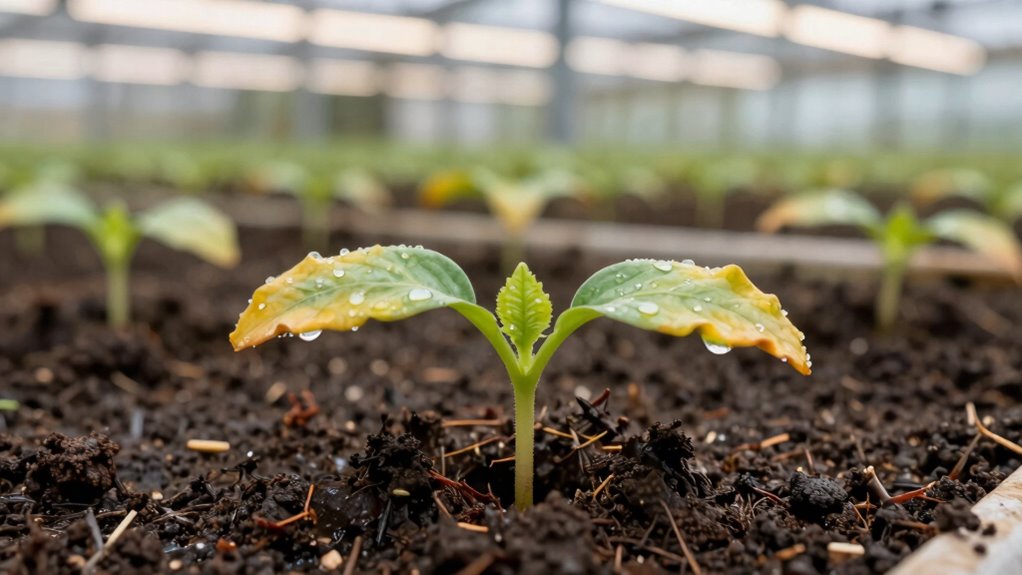
Have you ever planted a seedling only to watch it struggle or fail? It’s frustrating, and it often comes down to a few key mistakes made early on. One of the most critical is how you prepare the soil and how you water your seedlings. These small details can set the foundation for healthy growth or lead to a chain of problems that compromise your entire greenhouse.
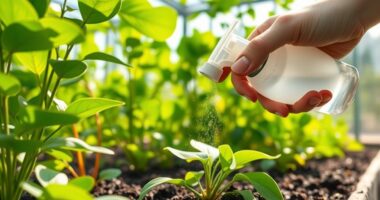
First, soil preparation is essential. If you skip this step or rush through it, your seedlings won’t have the right environment to thrive. You need to guarantee the soil is well-draining yet retains enough moisture for roots to access. Poorly prepared soil can lead to waterlogging, which drowns roots, or it can be too compacted, making it hard for roots to expand and absorb nutrients. Before planting, loosen the soil, mix in organic compost, and test the pH to match the needs of your specific plants. When soil is properly prepared, it offers a firm yet airy foundation, giving seedlings the stability they need to grow strong and healthy. Proper soil preparation can significantly impact the overall health of your seedlings and prevent many common issues. Additionally, understanding how ventilation affects soil moisture levels can help maintain optimal conditions for seedling development. Proper air circulation is equally important in preventing fungal diseases that can stem from overly humid environments. Ensuring adequate airflow around your seedlings helps promote healthy growth and reduces the risk of disease. Implementing proper watering techniques also plays a crucial role in maintaining these ideal conditions.

Garden Haven Seedling Starter Kit Germination Grow Cups and Soil (10 Pack) Biodegradable Peat Pots, Coco Coir Soil Discs, Plant Markers – Organic Grow Kit for Seed Germination, Indoor/Outdoor (1)
- Complete Seedling Starter Kit: Includes pots, soil discs, and markers
- Transplant Without Shock: Plant seedlings directly into soil
- Eco-Friendly Materials: Biodegradable, compostable, plastic-free
As an affiliate, we earn on qualifying purchases.
As an affiliate, we earn on qualifying purchases.
Frequently Asked Questions
How Can I Identify if My Seedlings Are Starting to Wilt?
You can identify if your seedlings are starting to wilt by checking if their leaves are drooping or curling, which signals stress. Look for signs of seedling diseases like discolored or rotting stems, and inspect for pest infestations such as tiny insects or webs. If you notice these symptoms along with wilting, act quickly to adjust watering, improve airflow, and treat pests to prevent further damage.
What Are Common Signs of Overwatering Seedlings?
You’ll notice overwatering seedlings when the soil stays soggy, leaves turn yellow or look droopy, and stems become weak or mushy. To prevent this, stick to a proper watering schedule, ensuring you don’t water too often. Also, check soil drainage—if it’s poor, excess water can accumulate, leading to root rot. Adjust your watering habits and improve drainage to keep your seedlings healthy and thriving.
Which Soil Types Are Best for Healthy Seedling Growth?
You should use well-draining soils like loamy or sandy mixes for healthy seedling growth. Guarantee the soil has a balanced pH, ideally around 6.0 to 7.0, for maximum nutrient uptake. Incorporate organic amendments such as compost or peat moss to boost fertility and improve moisture retention. Avoid heavy or overly compacted soils, as they can hinder root development. Regularly check soil conditions to keep seedlings thriving.
How Often Should I Fertilize Young Seedlings?
Think of your seedlings like a delicate dance—they need just the right rhythm of fertilizer timing. You should fertilize every 1-2 weeks with a diluted, balanced solution, especially as they grow. Too little, and they’ll face nutrient deficiencies; too much, and roots can suffer. Observe their leaves for signs of stress, adjusting your fertilizing schedule to keep the dance flowing smoothly and guarantee healthy, vigorous growth.
Can Seedling Mistakes Affect Plant Yield Later?
Yes, seedling mistakes can affect your plant yield later. If you ignore seedling disease or mishandle transplant shock, your plants may struggle to develop strong roots and healthy growth. These early issues weaken the plants, making them more vulnerable to pests and diseases, ultimately reducing your harvest. Properly caring for seedlings from the start helps prevent these problems, ensuring better yields and healthier plants in the long run.
Conclusion
Remember, a chain is only as strong as its weakest link. If you neglect that tiny seedling mistake, it can lead to bigger greenhouse problems down the line. Pay close attention from the start—proper care and vigilance today prevent costly issues tomorrow. Don’t let small errors grow into major setbacks. Stay mindful, and always nurture your seedlings with patience and precision. After all, the early bird catches the worm, and early care catches future success.