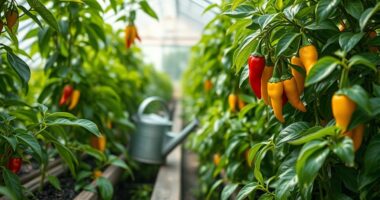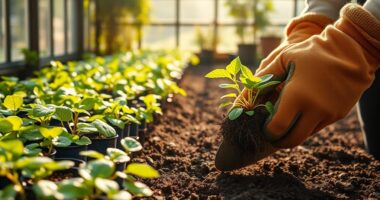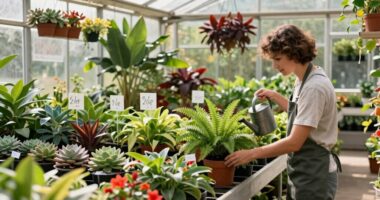

To keep greenhouse growth balanced, focus on maintaining healthy soil by testing and regularly amending it with organic matter. Manage watering carefully to avoid over- or under-watering, and guarantee proper airflow to prevent pests and mold. Use supports to reduce physical stress on plants and monitor growth patterns for needed adjustments. Avoid rushing growth; instead, foster steady development through targeted fertilization and pest control. If you uphold these techniques in mind, you’ll support stronger, more productive plants over time.
Key Takeaways
- Maintain proper soil nutrition and avoid over-fertilizing to promote steady, balanced growth.
- Regulate watering to prevent stress from over- or underwatering, ensuring optimal moisture levels.
- Use physical supports and proper airflow to reduce physical stress and prevent mold or pest issues.
- Regularly monitor plant development to adjust environmental conditions promptly.
- Practice patience and consistent care to foster healthy, sustainable growth over time.

Maintaining balanced growth in your greenhouse is essential for healthy plants and ideal yields. When plants grow too quickly, they often become weak, prone to disease, and less productive. To prevent this, you need to focus on more than just speed; instead, aim for steady, sustainable development. One of the fundamental aspects of achieving this balance is guaranteeing proper soil nutrition. Healthy soil provides plants with the nutrients they need at the right levels, avoiding deficiencies or excesses that can disrupt growth. Regularly test your soil’s pH and nutrient content, and amend it accordingly. Incorporate organic matter like compost or aged manure to improve soil structure and nutrient availability. Over-fertilizing may seem like a quick fix for growth, but it can lead to nutrient imbalances that weaken plants over time. Aim for a balanced fertilization schedule that supplies nitrogen, phosphorus, and potassium in appropriate ratios based on your plants’ specific needs.
In addition to soil nutrition, pest management plays a critical role in maintaining balanced growth. Pests can quickly undermine your efforts by damaging plant tissues, transmitting diseases, and stunting growth. Vigilance is key—regularly inspect your plants for signs of pests or disease. Use integrated pest management (IPM) strategies that combine biological controls, such as beneficial insects, with physical barriers and organic pesticides when necessary. Avoid heavy chemical use, as it can harm beneficial insects and disrupt your pest control balance. By keeping pest populations in check, you allow your plants to allocate more energy toward healthy growth rather than fighting off infestations. Proper sanitation, like removing dead or diseased plant material, also reduces pest habitats and disease sources.
Balancing growth isn’t just about controlling pests and maintaining soil health; it’s about creating a stable environment where plants can develop at a healthy rate. Manage watering carefully—overwatering can lead to root rot, while underwatering stresses plants and slows growth. Guarantee adequate airflow to reduce humidity, which can foster mold and pests. Use supporting structures when necessary to prevent physical stress on plants, allowing them to grow upright without strain. Remember, rapid growth often signals a need to adjust your care routine—if plants are growing wildly but look weak or show signs of stress, it’s time to reassess your approach. A balanced, steady growth rate yields stronger plants, better fruit, and more consistent harvests. Patience, combined with attentive soil nutrition and effective pest management, is your best strategy for thriving greenhouse cultivation. Additionally, paying attention to plant nutrition and understanding how to optimize it can significantly influence growth stability.
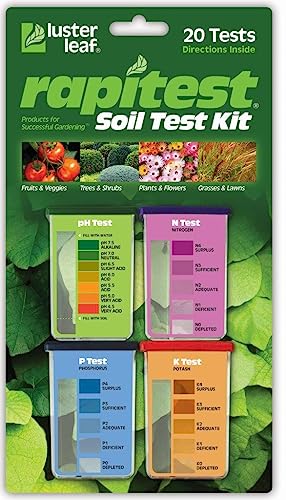
Rapitest Soil Test Kit for Gardens, Vegetables, Flowers and Lawns. USA designed and assembled soil tester completely, quickly and accurately measures/analyzes soil pH acidity and garden nutrients.
- Quick at-home soil test results: Measures pH, Nitrogen, Phosphorous, Potash
- Easy-to-use capsule system: Innovative and inexpensive testing method
- Includes 20 tests: 5 tests each for pH, N, P, K
As an affiliate, we earn on qualifying purchases.
As an affiliate, we earn on qualifying purchases.
Frequently Asked Questions
How Can I Prevent Overgrowth in My Greenhouse?
To prevent overgrowth, you should regularly monitor your plants and adjust watering and lighting accordingly. Keep soil nutrition balanced by fertilizing appropriately to avoid excessive growth. Implement pest management strategies to prevent pests from stressing or damaging plants, which can lead to uneven growth. Prune plants when necessary to control size and shape, ensuring a healthy, balanced ecosystem. Consistent care helps maintain steady growth without overwhelming your greenhouse environment.
What Are Signs of Imbalanced Plant Health?
Signs of imbalanced plant health include dull, yellowing leaves and irregular growth patterns, hinting at underlying issues like nutrient deficiencies. You might also notice pests or unusual spots on your plants, indicating pest infestations. These signs suggest your plants aren’t thriving harmoniously. Addressing these early can restore balance, ensuring your greenhouse remains a sanctuary of healthy, vigorous growth instead of a space overwhelmed by imbalance.
How Does Lighting Affect Growth Quality?
Lighting directly impacts growth quality by influencing photosynthesis efficiency and overall plant health. When you optimize the light spectrum, you enhance photosynthesis, leading to healthier, more balanced growth. Proper lighting guarantees plants receive the right wavelengths, preventing stretch and weak stems. By adjusting light intensity and spectrum, you support robust development, higher yields, and better quality, rather than just rapid growth. This careful management keeps your greenhouse’s plants thriving and balanced.
Which Plants Require More Moderate Growth Control?
You should focus on plants like orchids, ferns, and certain herbs that need moderate growth control. For these, proper plant nutrient management is essential to prevent overgrowth and guarantee healthy development. Implement pest control strategies that target specific vulnerabilities without stressing the plants. By balancing nutrient levels and pest management, you keep growth steady and healthy, avoiding the problems associated with overly rapid or uncontrolled growth.
How Often Should I Monitor Growth Balance?
You should monitor growth balance weekly to stay ahead of any issues. Think of it as keeping your finger on the pulse—regular checks help you tweak nutrient management and prevent pest problems before they escalate. Observe plant size, leaf color, and overall health during each visit. Consistent monitoring guarantees you’re maintaining steady growth, avoiding overgrowth or stunted plants, and keeping your greenhouse thriving without unnecessary setbacks.
Conclusion
By keeping your greenhouse growth balanced, you’re nurturing a delicate dance rather than rushing a storm. Remember, patience plants the strongest roots, and steady care guarantees your plants thrive like a well-tended garden of dreams. Instead of chasing rapid gains, focus on harmony and health, allowing your plants to flourish naturally. When you nurture with intention, you’ll find your greenhouse blooms into a vibrant symphony—beautiful, resilient, and alive with promise.