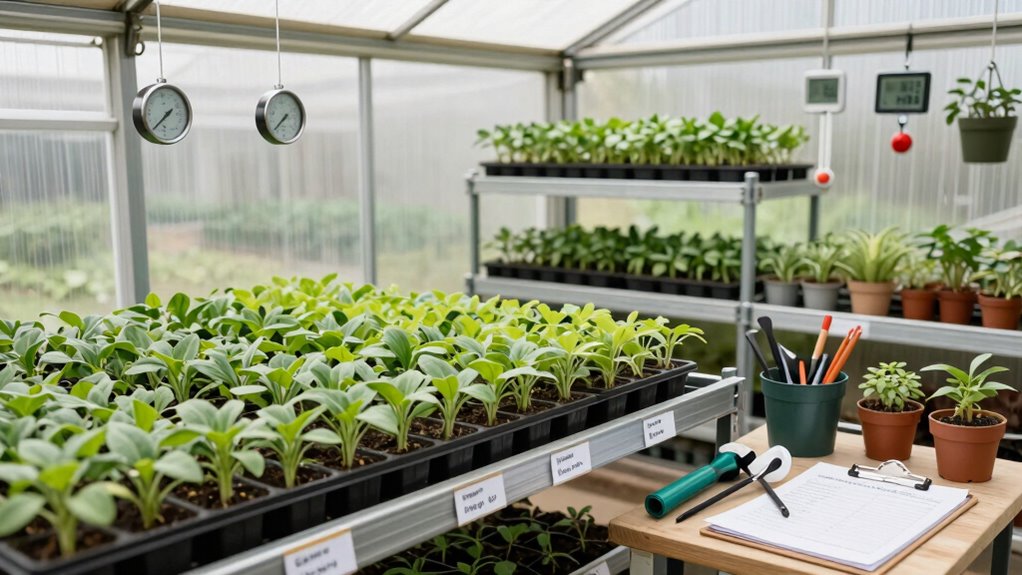
To avoid buying the wrong gear for your greenhouse, start with a clear plan that covers ventilation, climate control, lighting, and organization. Choose equipment based on your greenhouse size, local climate, and plant needs, preventing oversized or undersized units. Opt for energy-efficient options and consider automation to save time and money. Proper layout and airflow are essential, and careful research helps you pick reliable products. Keep learning more to guarantee your setup supports healthy, productive growth.

Get garden gear delivered free — and shop member deals
- Fast, free delivery on millions of items
- Access to Prime Big Deal Days deals on October 6–7
- Prime Video, Amazon Music and more included
Key Takeaways
- Assess your greenhouse size and climate needs to select appropriately sized and efficient heating, cooling, and ventilation equipment.
- Prioritize energy-efficient gear with good reviews to ensure reliability and reduce operational costs.
- Plan ventilation and airflow layout to prevent dead spots and promote even temperature and humidity distribution.
- Choose adjustable shading and lighting solutions to optimize plant health and prevent overheating or light stress.
- Organize tools and supplies with sturdy storage to maintain safety, efficiency, and avoid unnecessary purchases.
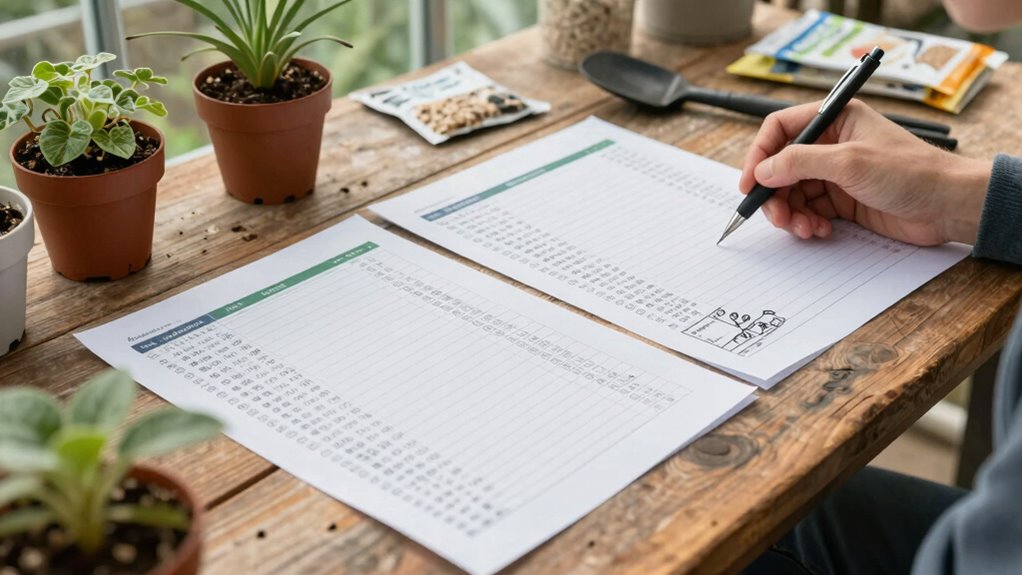
Are you ready to guarantee your greenhouse is fully prepared for a successful growing season? Before you rush out to buy gear, it’s imperative to have a clear plan. A simple greenhouse checklist can save you from making costly mistakes and make sure you get the right equipment. First, focus on plant ventilation and climate control. Proper plant ventilation isn’t just about airflow; it’s about maintaining healthy plants by reducing humidity, preventing mold, and providing fresh air. Without adequate ventilation, your plants can become stressed, which hampers growth and increases disease risk. Think about installing adjustable vents or exhaust fans to regulate airflow efficiently. Climate control is equally indispensable—your greenhouse needs to maintain consistent temperature and humidity levels. This means choosing the right heaters, coolers, and humidifiers or dehumidifiers that suit your specific climate. Monitoring tools like sensors and digital security measures can help protect your equipment and data from cyber threats, especially if your greenhouse relies on smart technology. Additionally, incorporating energy-efficient systems can help reduce operational costs while maintaining optimal conditions. To maximize efficiency, consider integrating automation technology, which can streamline climate and watering management. Next, consider shading options. During hot days, shading helps prevent overheating and protects plants from sun scorch. Look for shade cloths or retractable shading systems that can be easily adjusted. When selecting heating or cooling equipment, don’t just buy based on size; consider your greenhouse’s volume and local climate conditions. Oversized equipment wastes energy, while undersized units won’t keep temperatures stable. It’s also wise to invest in thermostats and hygrometers to monitor conditions continuously—these sensors help you fine-tune your climate control systems and prevent surprises. Proper air circulation is essential for maintaining even temperatures and avoiding stagnant air that can lead to pests and disease. An important consideration is ventilation planning, which involves designing your greenhouse layout to optimize airflow and prevent dead spots. In addition, think about your watering system. Automated irrigation systems with adjustable timers ensure consistent watering, which is indispensable for plant health. Avoid overwatering or underwatering by choosing equipment that matches your plant types and soil conditions. When it comes to lighting, determine if supplemental grow lights are necessary, especially during shorter days or cloudy seasons. Select energy-efficient LED grow lights with appropriate spectrum settings to maximize plant growth without running up your electricity bill. Finally, don’t forget to plan for storage and workspace. Having organized storage for tools, fertilizers, and plant supplies helps keep your greenhouse efficient and safe. Choose sturdy shelving and consider waterproof storage options for chemicals and equipment. Before making any purchases, review your checklist, prioritize your needs, and research reviews on gear performance. Avoid impulse buys that won’t serve your specific setup. By focusing on essential elements like plant ventilation, climate control, and proper organization, you’ll buy only what you need, saving money and setting yourself up for a healthy, productive growing season. This simple, well-thought-out approach guarantees your greenhouse functions at its best—so you’re ready to nurture thriving plants all season long.
greenhouse ventilation exhaust fan
As an affiliate, we earn on qualifying purchases.
As an affiliate, we earn on qualifying purchases.
Frequently Asked Questions
How Do I Determine the Right Greenhouse Size for My Space?
To determine the right greenhouse size, consider your available space and how many plants you want to grow. Plan plant placement to maximize airflow and sunlight, which helps with pest control. Think about the mature size of your plants and leave room for growth. Make certain the greenhouse isn’t too cramped, as overcrowding can increase pests. Measure your space carefully to ensure your greenhouse fits comfortably and meets your gardening goals.
What Are the Best Materials for a Durable Greenhouse Frame?
Think like a medieval builder in a tech age—your greenhouse frame needs to withstand the test of time. Steel with a powder-coated finish offers excellent material longevity and resists frame corrosion, making it durable and low-maintenance. Aluminum is lightweight, corrosion-resistant, and also a solid choice. Both options provide strength and longevity, ensuring your greenhouse stays sturdy and protected from the elements for years to come.
How Can I Ensure Proper Ventilation in My Greenhouse?
To guarantee proper ventilation, you should install ventilation fans that promote airflow circulation throughout your greenhouse. Position fans strategically near vents or windows to maximize efficiency. Regularly open roof vents or side windows to allow fresh air in and stale air out, especially during hot days. Proper ventilation prevents humidity buildup and maintains healthy plant growth, so prioritize good airflow circulation and consider automated fans for consistent, reliable airflow control.
What Heating Options Are Most Energy-Efficient for Greenhouses?
You should consider solar heating and heat insulation as your most energy-efficient options. Solar heaters capture sunlight to warm your greenhouse naturally, reducing energy costs. Pair this with good heat insulation—like double-glazed panels or thermal curtains—to retain warmth overnight and during cold days. This combo minimizes energy use, keeps your plants consistently warm, and lowers your carbon footprint, making your greenhouse more sustainable and cost-effective.
How Do I Choose the Correct Soil and Watering Systems?
Imagine your plants thriving in rich, well-draining soil that’s just right—you’ll want to start with soil testing to know its nutrient levels and pH. Choose a watering system with timers that gently mimic natural rain, ensuring consistent moisture without overwatering. Opt for soil and watering systems that suit your crops’ needs, and you’ll create a healthy environment where your plants flourish effortlessly.
Conclusion
By following this simple greenhouse checklist, you’ll confidently select the right gear for your needs. Think of it like testing a theory: each step confirms you’re making the best choice. Visualize your greenhouse thriving with healthy plants, thanks to smart gear decisions. When you double-check your list, you prevent costly mistakes and create a perfect environment for growth. Stick to these tips, and your greenhouse journey will be smoother and more successful.
Fall Picks
fall essentials
As an affiliate, we earn on qualifying purchases.