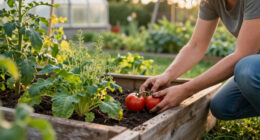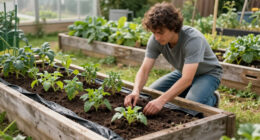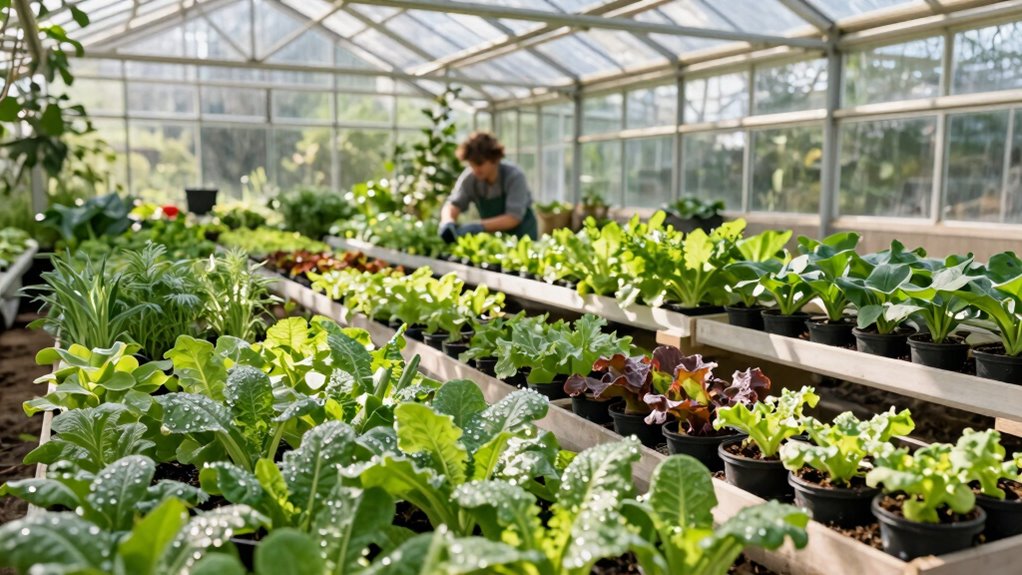
Growing your own seasonal produce in a greenhouse makes grocery planning much easier. You’ll have fresh, local ingredients on hand that align with what’s in season, simplifying meal prep and reducing impulse buys. This habit encourages mindful shopping, cutting down waste and saving money. It also boosts confidence in managing your food sources and supports sustainable choices. Keep exploring to discover how this simple habit can transform your entire grocery routine and boost your confidence in meal planning.

Get garden gear delivered free — and shop member deals
- Fast, free delivery on millions of items
- Access to Prime Big Deal Days deals on October 6–7
- Prime Video, Amazon Music and more included
Key Takeaways
- Growing and harvesting your own produce provides a clear, seasonal focus for meal planning and grocery shopping.
- Regular greenhouse routines encourage awareness of seasonal crops, simplifying ingredient selection.
- Fresh greenhouse produce reduces reliance on store-bought items, streamlining shopping lists and reducing impulse buys.
- Incorporating homegrown ingredients fosters mindful shopping and promotes sustainable, locally sourced choices.
- The habit of tending a greenhouse enhances understanding of seasonal availability, making grocery planning more efficient.
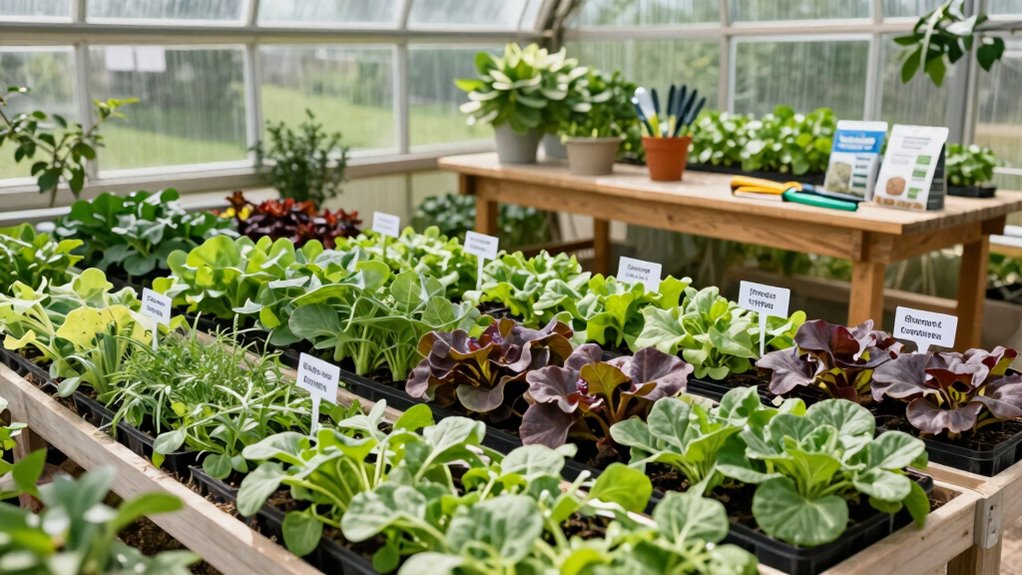
Planning your groceries doesn’t have to be a stressful or time-consuming task. When you develop a regular habit of visiting the greenhouse or local farmer’s market, you create a fresh approach to grocery planning that simplifies your entire process. Not only does this habit encourage you to buy seasonal, locally sourced produce, but it also integrates seamlessly with your meal prep routines and budget tracking efforts. By shopping at a greenhouse, you gain access to high-quality, often more affordable ingredients, which makes sticking to your grocery budget easier and more enjoyable.
Regular greenhouse visits simplify grocery planning, promote seasonal eating, and support budget-friendly, fresh, and sustainable meal prep.
When you incorporate a greenhouse visit into your weekly routine, you’re more likely to plan your meals around what’s in season. This practice reduces waste and keeps your meal prep both exciting and cost-effective. As you select vegetables, herbs, and fruits directly from growers, you’re able to choose the freshest options, which elevate your cooking and make your meal prep more satisfying. Plus, buying in bulk or choosing versatile ingredients can help you stretch your grocery dollars further, aligning with your budget tracking goals. This way, you’re not just shopping for the week—you’re building a sustainable system that supports your financial and nutritional needs.
The habit of frequent greenhouse visits also encourages a mindful approach to grocery planning. Instead of impulsively grabbing items from store shelves, you begin to think about what you truly need based on your meal prep plans. This intentional shopping reduces the temptation to overspend or buy unnecessary items. When you plan your meals around the produce available, you naturally create a shopping list that’s focused and efficient. This minimizes the time spent wandering aisles and helps you stick to your budget, all while ensuring you have the ingredients necessary for healthy, balanced meals. Additionally, connecting with local growers enhances your understanding of seasonal produce, making your choices more informed and sustainable. Developing a deeper knowledge of food sources can inspire you to incorporate more diverse and wholesome ingredients into your diet. Recognizing the importance of sustainable practices can further motivate you to support environmentally conscious farming. Engaging with local food systems can also strengthen your commitment to reducing your ecological footprint while enjoying fresher, more nutritious foods. Learning about local agriculture can help you make more environmentally conscious decisions when shopping.
Furthermore, this green habit fosters a connection to your food sources, which can motivate you to stick with your meal prep routines. Knowing exactly where your ingredients come from makes cooking more rewarding and encourages you to experiment with new recipes. Over time, this practice becomes second nature, and planning your grocery trips turns into a streamlined process rather than a chore. You’ll find yourself more confident in managing your grocery budget because you’re making smarter choices and reducing waste, thanks to the freshness and quality of greenhouse produce.
In the end, making greenhouse visits a regular part of your grocery planning not only simplifies your shopping trips but also enhances your meal prep and budget tracking. It’s a habit that keeps your kitchen stocked with fresh ingredients while making your overall grocery routine more efficient, affordable, and enjoyable.
greenhouse vegetable starter kit
As an affiliate, we earn on qualifying purchases.
As an affiliate, we earn on qualifying purchases.
Frequently Asked Questions
How Often Should I Update My Greenhouse Habit?
You should update your greenhouse habit seasonally, at least every few months, to keep pace with changing weather and crop needs. This allows you to incorporate seasonal adjustments and optimize storage techniques, ensuring your plants thrive and your grocery planning stays efficient. Regular updates help you identify what’s working and what needs tweaking, making it easier to maintain healthy plants and reduce waste. Stay flexible and attentive to seasonal shifts.
Can This Method Reduce Food Waste Effectively?
This method can cut food waste markedly, transforming your kitchen into a waste-free zone! By adopting sustainable practices like proper storage and mindful purchasing, you actively contribute to food waste mitigation. The greenhouse habit encourages fresh, seasonal shopping and careful planning, making it easier to use what you buy. Over time, you’ll see your food waste shrink, saving money and helping the environment—it’s a game-changer for sustainable living!
Is This Habit Suitable for Small Households?
Yes, this habit suits small households well. By practicing meal portioning, you prevent leftovers from becoming waste, and storage optimization guarantees your food stays fresh longer. You can easily manage quantities, avoiding excess purchasing. This approach makes grocery planning straightforward, saving money and reducing waste. Small households benefit most because they often have limited storage space, so efficient meal portioning and storage help you make the most of what you buy.
What Tools or Apps Support This Greenhouse Planning?
Think of apps like GrowIt! or Gardena, which support your greenhouse planning by helping you track seeds and monitor plant growth. These tools act like your personal gardening compass, keeping everything organized from seedling stages to harvest. With features like reminders and progress updates, you stay ahead, making grocery planning smoother. They turn your greenhouse into an efficient, thriving ecosystem, ensuring you always know what’s growing and when to harvest.
How Does This Habit Impact Grocery Shopping Costs?
This habit markedly boosts your grocery shopping cost savings and enhances budgeting efficiency. By planning your meals and shopping list based on your greenhouse’s produce, you avoid impulse buys and reduce food waste. You become more mindful of what you need, preventing unnecessary expenses. Over time, this consistent approach helps you stick to your budget, saves money, and ensures you enjoy fresh, healthy ingredients without overspending.
Conclusion
Think of your greenhouse habit as tending a delicate garden. When you nurture it regularly, it becomes a well-tended oasis that makes grocery planning effortless. Like watering plants daily, small, consistent habits prevent chaos and keep everything thriving. Over time, your grocery list becomes less of a chore and more of a natural flow, much like a garden in full bloom. Embrace this habit, and watch your meal planning flourish with ease and grace.
Halloween Picks
halloween
As an affiliate, we earn on qualifying purchases.