Thinking of solar power as greenhouse insurance means viewing it as a tool to protect your operation from rising energy costs, regulatory changes, and grid disruptions. It offers environmental benefits by reducing emissions and boosting sustainability, while also providing long-term financial savings through lower bills and incentives. Solar’s low maintenance and warranties add peace of mind, helping you build resilience against future uncertainties. Keep exploring to uncover how this smart investment can secure your greenhouses’ future stability.

Get garden gear delivered free with Prime
- Fast, free delivery on millions of items
- Prime Video, Amazon Music and more included
- Member-only deals all year
Key Takeaways
- View solar power as a proactive safeguard against rising energy costs and regulatory changes impacting greenhouse operations.
- Consider solar installations as a resilient, long-term asset that ensures operational stability during grid disruptions.
- Recognize solar energy’s environmental benefits, supporting sustainability goals and enhancing your greenhouse’s eco-conscious reputation.
- Evaluate financial incentives, tax benefits, and rebates to maximize return on investment and reduce upfront costs.
- Think of solar as a future-proof solution that minimizes environmental impact and maintains energy independence over time.
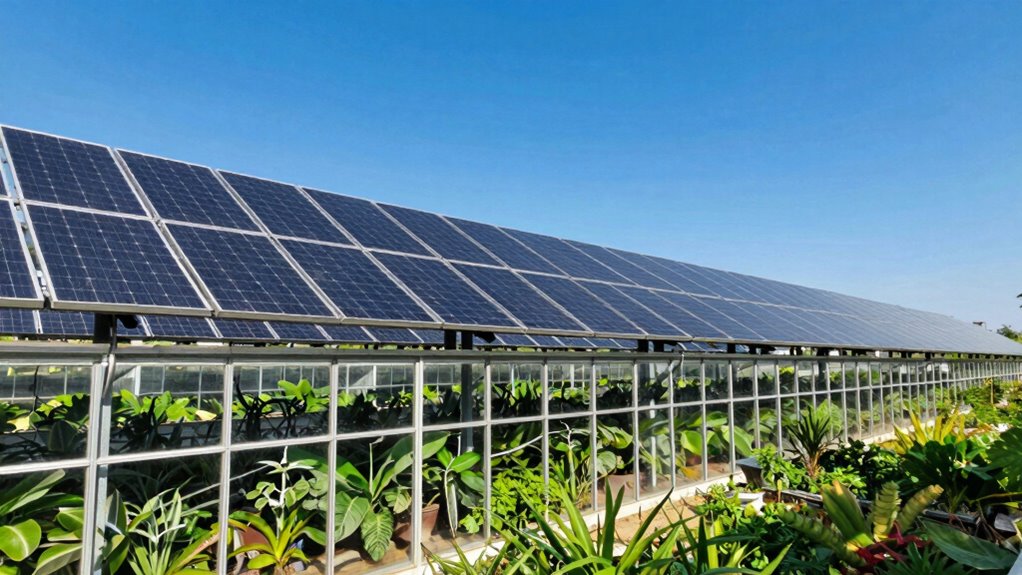
When considering the future of your greenhouse, it’s essential to think beyond traditional insurance and explore innovative options like solar power. Solar energy isn’t just about reducing your reliance on the grid; it’s also a strategic move that can significantly influence your environmental impact and operational costs. By harnessing the sun’s power, you’re taking proactive steps toward sustainability, which can make your greenhouse more resilient and appealing to eco-conscious customers or partners. It’s a form of insurance in itself—protecting your business from rising energy prices and regulatory pressures related to carbon emissions.
Investing in solar power can dramatically decrease your environmental footprint. Solar panels produce clean energy, reducing greenhouse gas emissions associated with conventional energy sources. This shift aligns your greenhouse with global efforts to combat climate change and positions your operation as environmentally responsible. Over time, this sustainable approach can enhance your reputation and attract customers who prioritize eco-friendly practices. Moreover, the environmental impact of solar energy is minimal once the system is installed, and you avoid the pollution and resource depletion tied to fossil fuels. Incorporating renewable energy sources like solar power can further boost your sustainability credentials and future-proof your operation.
Solar panels reduce emissions, support climate efforts, and boost your reputation with eco-conscious customers.
From a financial perspective, solar power offers substantial cost savings. While the initial setup requires an upfront investment, the long-term benefits are compelling. You can significantly lower your electricity bills, which often constitute a large portion of greenhouse operating costs. With solar panels generating free energy, you’re less vulnerable to fluctuations in energy prices. Additionally, many regions offer tax incentives, rebates, or grants for solar installations, further reducing your initial costs and accelerating your return on investment. These incentives can turn a sizable capital expenditure into a manageable expense, making solar power more accessible. Implementing solar energy systems can also enhance your energy independence and resilience against grid disruptions.
Think of solar power as a form of insurance against future uncertainties. Energy costs tend to rise, and climate regulations are becoming more stringent. By installing solar, you’re hedging against these risks. This proactive approach ensures your greenhouse can continue operating smoothly without unexpected financial burdens. Plus, solar systems often come with warranties and low maintenance requirements, meaning you won’t need to worry about frequent repairs or replacements—another form of peace of mind. Incorporating solar power as a sustainable investment can also enhance your overall business resilience and appeal to environmentally conscious stakeholders. Understanding the long-term benefits of solar energy can help you make more informed decisions about your greenhouse’s future.
Products Worth Considering

EGO POWER+ 21 Cordless Electric Lawn Mower Kit, Self-Propelled

Jocoevol 6 x 8 ft Walk-In Greenhouse with Polycarbonate Panels

Husqvarna Power Axe 350i 18-Inch Cordless Chainsaw Kit
As an affiliate, we earn on qualifying purchases.
Frequently Asked Questions
What Are the Initial Costs of Installing Solar Power Systems?
The initial costs of installing solar power systems vary depending on your home’s size and the system’s capacity. You should do a cost comparison to understand expenses and savings. The installation process involves site assessment, designing, and mounting panels, which can take a few days to weeks. While upfront costs can seem high, incentives and rebates often offset expenses, making solar a worthwhile investment for long-term energy savings.
How Long Does It Take to See a Return on Investment?
Most people see a return on their solar investment within 5 to 10 years. Did you know solar technology has improved considerably, making systems more efficient and cost-effective? Your investment timeline depends on factors like energy use and local incentives, but with rising electricity rates, you’ll start saving money sooner. By choosing solar, you’re not just reducing your carbon footprint—you’re also building long-term financial resilience.
Are There Any Government Incentives for Solar Energy?
Yes, there are government incentives for solar energy. You can take advantage of government grants and federal tax credits, which considerably reduce your upfront costs. Many states also offer additional rebates or incentives. By applying for these programs, you’ll make your solar investment more affordable and accelerate your return on investment. Be sure to check local and federal programs available in your area to maximize your benefits.
How Does Solar Power Impact Property Value?
Solar power boosts your property value, contrasting a rising property market with traditional valuation factors. When you install solar panels, you increase your home’s appeal to eco-conscious buyers, often leading to higher offers. Although initial costs matter, the long-term savings and energy independence can considerably enhance your home’s marketability. Overall, solar installations serve as valuable assets, making your property more desirable and resilient in fluctuating real estate conditions.
What Are the Maintenance Requirements for Solar Panels?
You’ll need to perform regular panel cleaning to keep your solar system operating effectively, especially if dirt or debris accumulate. Check your inverter’s lifespan, as it typically lasts 10-15 years, and plan for replacements accordingly. Monitoring your system helps identify issues early, guaranteeing peak energy production. By maintaining your panels and inverter, you extend their longevity, maximize savings, and ensure your solar power system continues to serve as a dependable greenhouse insurance.
Conclusion
Think of solar power as your greenhouse’s insurance policy—shielding you from unpredictable storms and rising costs. Just as a sturdy glass roof protects your plants from harsh weather, solar panels safeguard your energy bills and carbon footprint. Embracing solar isn’t just a smart choice; it’s planting a resilient seed for your greenhouse’s future. With solar, you’re not just prepared for the unexpected—you’re thriving despite it.