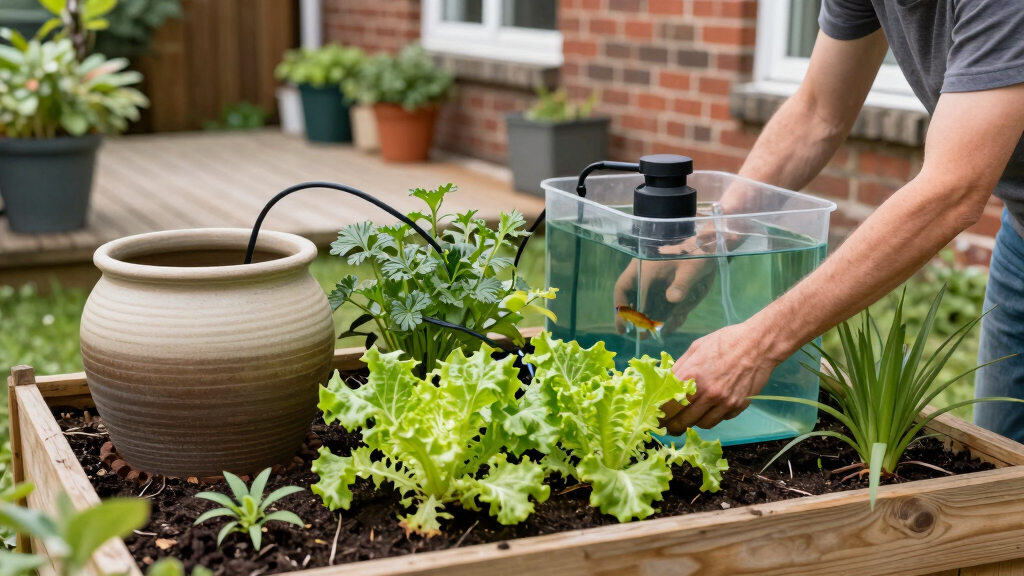
Finding the best backyard aquaponics system involves balancing ease of use, cost, and scale. The Best Overall pick offers a reliable, all-in-one setup suitable for most home growers. For those on a budget, the Best Value options deliver solid performance at lower prices, while the Best Premium choices focus on high-quality materials and advanced features. Common tradeoffs include complexity versus simplicity, initial investment versus ongoing costs, and size versus scalability. Keep reading to see how these top options compare and find the perfect fit for your backyard.
Key Takeaways
- The top-ranked systems balance ease of assembly with reliable performance for home use.
- Durability and build quality are key differentiators, especially for long-term setups.
- Budget options often sacrifice some automation or scalability but remain functional for small-scale gardening.
- Advanced features like climate control or automation tend to be reserved for premium models.
- Size and space requirements vary widely, impacting suitability for different backyard sizes.


More Details on Our Top Picks
The IBCs of Aquaponics Workshop Manual: A visual self-guided workshop for building and maintaining systems to grow your own produce and fish using Intermediate Bulk Containers (IBCs)
This manual stands out for its hands-on, visual approach to building aquaponics systems using IBC containers, making it ideal for those who prefer step-by-step instructions. Compared to the more comprehensive Aquaponic Gardening, this guide is more accessible for DIY enthusiasts but offers less in-depth information about fish management. The focus on IBCs simplifies construction and reduces costs, yet it may limit scalability for larger setups. The detailed visuals help beginners grasp complex concepts quickly, but it lacks detailed troubleshooting that advanced users might need.
bestFor: DIY hobbyists eager to build a system from scratch without prior experience.
notIdealFor: Those seeking a professionally designed, turnkey system or larger commercial setups.
- Pros: Clear visual instructions, cost-effective materials, easy to follow for beginners, flexible system design.
- Cons: Limited scalability, minimal troubleshooting guidance, less focus on fish health management.
Verdict: This guide is perfect for hands-on learners wanting a straightforward, budget-friendly project.
Pros:- Clear visual instructions
- Cost-effective for DIY projects
- Flexible and adaptable design
- Good for beginners
Cons:- Limited guidance on troubleshooting
- Less suitable for large-scale systems
- Minimal focus on fish health specifics
- Format:Printed manual
- Skill Level:Beginner to Intermediate
- Materials Covered:IBC tanks, plumbing, filtration
- System Type:Nutrient film technique, media beds
- Fish Types:Freshwater fish mostly
- Size:Small to medium setups
Bottom line: Ideal for DIYers who want to learn and build their own small-scale aquaponics system using IBCs.
Aquaponic Design Plans and Everything You Need to Know: From Backyard to Profitable Business
This comprehensive resource makes it easier for entrepreneurs and serious hobbyists to transition from backyard setups to profitable aquaponic farms. Unlike Aquaponic Gardening, which focuses mainly on home gardening, this book emphasizes scalable design plans and business considerations. It offers detailed blueprints and economic insights, but at the cost of simplicity; beginners may find it overwhelming. The emphasis on profit-making and system design makes it ideal for those aiming for a commercial or semi-commercial operation, though it may be too complex for absolute novices.
bestFor: Experienced hobbyists and small-scale farmers planning to expand or commercialize their aquaponics systems.
notIdealFor: Complete beginners who need a simplified, starter guide or small-scale hobbyists not interested in a business model.
- Pros: In-depth design plans, focus on profitability, detailed system schematics, practical business advice.
- Cons: Heavy technical detail may be intimidating, not beginner-friendly, requires prior knowledge.
Verdict: This is best suited for motivated growers ready to scale up and explore the business potential of aquaponics.
Pros:- Detailed design plans
- Focus on profitability
- Business and system integration
- Practical schematics
Cons:- Complex for beginners
- Requires prior aquaponics knowledge
- Less suited for small or hobby setups
- Format:Printed book
- Skill Level:Intermediate to Advanced
- Focus:Design plans, profitability, system setup
- Intended Audience:Serious hobbyists, small farmers
- System Type:Commercial scale
- Fish & Plant Focus:Multiple fish species, vegetables
Bottom line: Best for experienced growers aiming to develop a profitable, scalable aquaponics system.
Aquaponic Gardening: A Step-by-Step Guide to Raising Vegetables and Fish Together
This book makes a compelling case for aquaponics as a sustainable, space-efficient method for growing food at home. Compared with The DIY Aquaponics Advantage, it offers more in-depth explanations of ecological principles and plant-fish interactions, making it ideal for dedicated beginners. Its clear, step-by-step instructions and focus on common vegetables and fish types help new growers avoid costly mistakes. However, the broad scope means it may lack some of the detailed technical specifications needed for larger or more complex systems. It’s perfect for those starting small and wanting a comprehensive introduction.
bestFor: Beginners who want a thorough, educational introduction to aquaponics for home use.
notIdealFor: Readers seeking detailed technical schematics or plans for commercial-scale systems.
- Pros: Easy-to-follow steps, covers ecological balance, encourages sustainable practices, suitable for small setups.
- Cons: Fewer advanced technical details, less focus on system expansion, limited troubleshooting guidance.
Verdict: An excellent starting point for hobbyists eager to learn and grow vegetables and fish together at home.
Pros:- Comprehensive beginner guide
- Clear instructions and illustrations
- Focus on sustainability
- Suitable for small backyard systems
Cons:- Limited technical depth
- Not ideal for large-scale or commercial systems
- Less focus on troubleshooting advanced issues
- Format:Printed book
- Skill Level:Beginner
- Content Focus:Plant-fish symbiosis, ecological balance
- System Size:Small-scale
- Fish & Plants:Common vegetables and freshwater fish
- Educational Focus:Step-by-step instructions
Bottom line: Perfect for new gardeners who want a detailed, approachable introduction to growing food with fish at home.
Beginner’s Guide to Aquaponics: Step-by-Step Systems for Plants and Fish
This guide emphasizes straightforward, easy-to-implement aquaponics systems, with helpful pictures and clear lists of materials and costs. It appeals to those new to the concept, especially compared with more technical guides like The DIY Aquaponics Advantage. Its simplicity is both an advantage and a limitation; it covers the basics well but may lack detailed troubleshooting or expansion options. The focus on affordability and ease makes it ideal for hobbyists just starting out, but experienced growers seeking advanced features should look elsewhere.
bestFor: Complete beginners who want a simple, low-cost way to start growing fish and vegetables at home.
notIdealFor: Experienced aquaponics enthusiasts or those aiming for larger or more complex systems.
- Pros: Very straightforward, helpful pictures, cost and material lists, beginner-friendly language.
- Cons: Limited scope for system expansion, minimal technical troubleshooting, basic fish and plant options.
Verdict: An excellent starter guide for newcomers looking for a simple, manageable entry into aquaponics.
Pros:- Very accessible for complete beginners
- Helpful pictures and lists
- Focus on affordability
- Encourages sustainable practices
Cons:- Limited technical depth
- Not suited for large or complex systems
- Basic fish and plant choices
- Format:Printed book
- Skill Level:Beginner
- Content Focus:Simple systems, material lists
- System Type:Basic backyard setups
- Fish & Plants:Low-maintenance options
- Approach:Step-by-step with visuals
Bottom line: Ideal for absolute beginners wanting an easy, affordable way to start aquaponics at home.
The DIY Aquaponics Advantage: How to Build a Sustainable Home System for Growing Fresh Fish and Vegetables (The Resilient Systems Series Book 2)
This book emphasizes building resilient, sustainable aquaponics systems that prioritize environmental health and resource efficiency. Compared with Aquaponic Gardening, which offers broad beginner guidance, this pick dives deeper into eco-friendly design and long-term system stability, making it ideal for those committed to sustainable practices. However, its technical depth can be intimidating for novices, and it assumes a basic familiarity with aquaponics concepts. This resource is best suited for environmentally conscious users who want to develop a system that minimizes water and energy use while producing fresh food.
bestFor: Eco-minded hobbyists or small-scale farmers focused on sustainability and resilience.
notIdealFor: Absolute beginners or those seeking quick, simple setups without a focus on environmental impact.
- Pros: Focus on eco-friendly design, promotes system resilience, detailed construction guidance, encourages resource efficiency.
- Cons: Technical complexity, not beginner-friendly, requires prior knowledge for full benefit.
Verdict: Best for environmentally conscious growers aiming to develop durable, sustainable aquaponics systems.
Pros:- Eco-conscious design focus
- Promotes system resilience
- In-depth construction details
- Encourages resource efficiency
Cons:- Steep learning curve for beginners
- Assumes some prior knowledge
- Less emphasis on beginner-friendly guides
- Format:Printed book
- Skill Level:Intermediate
- Focus:Sustainability, resilience, eco-design
- System Type:Resilient, eco-friendly
- Fish & Plants:Diverse species
- Ideal Use:Home, small farm
Bottom line: Perfect for aquaponics enthusiasts dedicated to creating environmentally sustainable and durable systems.
Aquaponic Gardening: Discover the Dual Benefits of Raising Fish and Plants Together (Idiot’s Guides)
This book stands out for its clear, step-by-step approach tailored specifically for those new to aquaponics, making it an ideal starting point compared with more technical guides like the DIY manual. Meg Stout’s detailed explanations of lighting, water management, and plant choices help beginners understand the core principles without feeling overwhelmed. While it covers a wide range of topics, it emphasizes long-term maintenance and pest control, which are often overlooked by simpler guides. However, its broad scope means it lacks detailed DIY system plans, unlike The DIY Aquaponics Advantage. Tradeoffs involve less technical detail in favor of accessibility, which might frustrate experienced hobbyists. Overall, this book makes the most sense for those just starting out and wanting a solid foundation before diving into building systems themselves.
Pros:- Clear, step-by-step instructions tailored for beginners
- Covers a wide variety of setup options and plant choices
- Focus on long-term maintenance and pest control
Cons:- Lacks detailed DIY system plans or technical schematics
- Some information may be too basic for seasoned hobbyists
Best for: Complete beginners who need a thorough, accessible introduction to aquaponics concepts and practices
Not ideal for: Experienced growers or those ready to build their own systems without basic guidance
- Author:Meg Stout
- Language:English
- Page Count:336
- Format:Paperback
- Publication Year:2014
- Topics Covered:System setup, fish and plant care, pest control
Bottom line: This guide makes the most sense for newcomers seeking a comprehensive, easy-to-understand introduction to aquaponics.
Aquaponics 101: The Easy Beginner’s Guide to Aquaponic Gardening: How To Build Your Own Backyard Aquaponics System and Grow Organic Vegetables With Hydroponics And Fish
This book makes a strong case for DIY enthusiasts eager to construct their own aquaponics system, especially compared with the more theory-focused Aquaponic Gardening. It offers practical, straightforward instructions on building systems with readily available materials, making it ideal for those who prefer hands-on learning. The guide simplifies complex concepts, focusing on easy-to-follow steps to grow vegetables and raise fish simultaneously. Its tradeoff is that it provides less in-depth science or troubleshooting advice, which could be limiting for those encountering issues. Compared to the detailed chapters on system automation in Backyard Aquaponics, this is more about the initial setup and immediate harvesting. If you want a quick start to building your own system, this guide is a solid choice.
Pros:- Clear, step-by-step DIY instructions
- Focus on practical, affordable system building
- Suitable for small-scale, home-based setups
Cons:- Limited coverage of troubleshooting and advanced techniques
- Less emphasis on long-term maintenance or automation
Best for: Amateur DIYers interested in constructing a functional backyard aquaponics setup
Not ideal for: Hobbyists seeking in-depth technical knowledge or advanced system automation
- Author:Unknown
- Language:English
- Page Count:120
- Format:Kindle & Paperback
- Publication Year:2020
- Topics Covered:Building systems, plant and fish care basics
Bottom line: This guide is best for DIY beginners eager to build and start growing quickly with simple instructions.
Backyard Aquaponics: A Practical Beginner’s Guide for Growing Fish & Vegetables Together at Home
This manual offers practical guidance with clear step-by-step instructions, making it ideal for those who prefer a straightforward approach to starting aquaponics at home. Unlike the more comprehensive Aquaponic Gardening, it emphasizes the daily routines and simple setup tips that make managing a backyard system manageable. The book’s focus on growing both fish and vegetables at home makes it accessible for small spaces. On the downside, it lacks detailed schematics or advanced automation tips, which might limit growth for more ambitious hobbyists. Compared to Aquaponics for Beginners, this guide’s practical focus makes it more approachable for casual gardeners. If you want a no-frills, easy-to-follow manual, this is a good pick.
Pros:- Simple, actionable instructions
- Focus on small-scale, manageable systems
- Includes tips for maintaining fish and plants at home
Cons:- Limited technical details or schematics
- Less suitable for large or complex systems
Best for: Homeowners with limited space seeking practical, easy-to-implement guidance
Not ideal for: Experienced aquaponics enthusiasts looking for advanced system design or automation strategies
- Author:Unknown
- Language:English
- Page Count:150
- Format:Paperback
- Publication Year:2022
- Topics Covered:Basic system setup, fish and plant care, maintenance tips
Bottom line: This book is ideal for home growers wanting practical, step-by-step guidance with manageable projects.
Aquaponics for Beginners: How to Build your own Aquaponic Garden that will Grow Organic Vegetables
This book proves especially helpful for those interested in growing herbs like basil and other quick-yield vegetables, making it a great companion for small-scale home systems. Compared with Aquaponic Gardening, it is less comprehensive but more focused on immediate results for beginner growers. Its step-by-step instructions are accessible, but it offers less detail on fish management or system automation. The emphasis on organic vegetable growth aligns well with hobbyists who want fresh herbs and greens, yet it doesn’t delve deeply into troubleshooting or expanding a system. If your goal is rapid success growing herbs and veggies, this book is a practical choice; however, those seeking detailed aquaculture techniques might find it lacking.
Pros:- Easy-to-follow instructions for beginner growers
- Focus on growing herbs and quick vegetables
- Helpful tips for maximizing small systems
Cons:- Limited coverage of fish care and system expansion
- Less technical detail on automation or troubleshooting
Best for: Beginners primarily interested in growing herbs and vegetables with minimal fuss
Not ideal for: Advanced hobbyists or those seeking detailed fish husbandry advice
- Author:Unknown
- Language:English
- Page Count:98
- Format:Paperback
- Publication Year:2021
- Topics Covered:Herb and vegetable growth, basic system setup
Bottom line: This guide makes the most sense for new growers aiming to quickly harvest herbs and vegetables in small setups.
Aquaponics System: a Beginners Guide To Discovering The Fundamentals Of Building A Backyard Aquaponics System
This guide offers a straightforward introduction to building a basic backyard aquaponics system, focusing on fundamental principles suitable for tight budgets. Compared with Aquaponic Gardening, it emphasizes affordability and simplicity, making it ideal for hobbyists who want to start small without extensive investment. Its clear instructions are perfect for those new to DIY, but it does not cover advanced automation or system expansion. The main tradeoff is that it offers limited insights into long-term maintenance or troubleshooting, which could pose challenges for sustained success. For those seeking a foundational understanding and a low-cost start, this guide provides a practical entry point.
Pros:- Affordable, easy-to-follow instructions
- Focus on basic system setup and operation
- Ideal for small backyard projects
Cons:- Limited advice on troubleshooting or system upgrades
- Less detailed on fish and plant management
Best for: Budget-conscious beginners wanting to build a simple, functional system at home
Not ideal for: Experienced growers or those planning large-scale or high-tech setups
- Author:Unknown
- Language:English
- Page Count:85
- Format:Kindle & Paperback
- Publication Year:2015
- Topics Covered:Basic system design, setup, and maintenance
Bottom line: This beginner’s guide is perfect for those wanting to learn the basics without high upfront costs.
How We Picked
Our evaluation focused on performance, usability, build quality, and value. We considered how easy each system is to assemble and maintain, the durability of materials used, and the overall cost relative to features offered. Systems that are scalable or adaptable earned higher marks, as they provide flexibility for growth or changing needs. We also prioritized systems with clear instructions and customer support, making them accessible for beginners while still appealing to experienced growers. The ranking reflects a combination of these factors, aiming to recommend options suitable for different levels of experience and budget.
Factors to Consider When Choosing Best Backyard Aquaponics Systems
Choosing the best backyard aquaponics system requires more than just comparing features. It’s important to consider how your space, budget, and goals align with the system’s design and capabilities. A well-chosen system can provide fresh vegetables and fish with minimal hassle, but a poor fit can turn into ongoing frustration. Here are some key factors to keep in mind when selecting your setup.
Size and Space Requirements
Before selecting a system, assess your available backyard space. Larger systems can produce more food but require more room and may be harder to manage. Smaller, compact setups are ideal for limited spaces or balcony gardens, but they might not yield as much. Consider whether you need a system that can grow over time or one that fits neatly into a tight corner.
Ease of Assembly and Maintenance
Some systems come as DIY kits, requiring assembly, while others are pre-assembled. If you’re a beginner, look for options with clear instructions and minimal setup complexity. Maintenance involves checking water quality, feeding fish, and cleaning filters—so systems with automated features or simple designs tend to save time and reduce errors. Avoid overly complex setups if you prefer a low-maintenance experience.
Material Durability and Quality
Durability impacts long-term performance and safety, especially when dealing with water and food production. Systems made from high-quality plastics, stainless steel, or UV-resistant materials tend to last longer and resist weathering. Cheaper materials may degrade or leach chemicals over time, posing risks to plants and fish. Investing in sturdy construction often pays off by reducing replacement costs and ensuring stable operation.
Automation and Control Features
Advanced systems offer automation for water flow, temperature, and lighting, making management easier and more consistent. However, these features come at a higher price and may require technical knowledge. Consider whether automation aligns with your comfort level and goals—if you want a hands-off experience, prioritize models with built-in controls or app integration. For DIY enthusiasts, manual systems can be more customizable but may demand more regular attention.
Cost and Value
Pricing varies widely, from budget-friendly kits to high-end setups. Cheaper systems might lack durability or advanced features but can be suitable for small-scale or experimental projects. Higher-cost options generally offer better materials, automation, and scalability, making them worthwhile for serious growers or long-term investment. Balance your budget with your expectations for productivity and ease of use to find the best value.
Frequently Asked Questions
Can I set up a backyard aquaponics system in a small space?
Absolutely. Many compact systems are designed specifically for limited spaces, such as balcony or patio gardens. These smaller setups can be highly productive if managed properly, but they often have less capacity for fish and plants. Be sure to measure your available area carefully and choose a system that fits your space without overcrowding. Proper placement and vertical options can maximize yields in tight spots.
What is the typical maintenance involved in a backyard aquaponics system?
Maintenance usually includes checking water quality, monitoring fish health, feeding fish, and cleaning filters or grow beds. Automated systems reduce daily chores but still require regular inspections to prevent issues like algae buildup or water imbalance. The frequency depends on the system size and design, but routine upkeep is essential for a healthy environment and consistent harvests. Investing in systems with easy access points can simplify ongoing care.
How much initial setup time and cost should I expect?
Setup times vary from a few hours for simple DIY kits to several days for more elaborate systems. Costs can range from under $200 for basic setups to over $1,000 for premium, ready-to-use models. Consider your budget carefully and whether you’re comfortable with assembly. A more expensive system might save time and reduce frustration, especially if it includes features like automated controls or pre-assembled components.
Are there specific fish or plants best suited for backyard aquaponics?
Common fish like tilapia, goldfish, or koi are popular choices because they thrive in backyard conditions and are easy to care for. For plants, leafy greens, herbs, and tomatoes tend to do well with aquaponics. Your climate and water temperature will influence specific species selection; for example, cold climates may require fish like trout or native species. Selecting hardy, adaptable plants and fish can reduce troubleshooting and increase success.
Is it necessary to buy a complete system or can I build my own?
You can definitely build your own system if you’re comfortable with DIY projects, which allows for customization and potential savings. However, pre-made systems often come with detailed instructions, warranties, and customer support, making them more suitable for beginners. Carefully weigh your technical skills against your desire for a tailored setup—sometimes, investing in a ready-to-use system saves time and ensures a more reliable operation.
Conclusion
For most backyard growers, the Best Overall system offers a reliable balance of ease, durability, and performance. Beginners or those with limited space may find the Best for Beginners options more suitable, while experienced or serious enthusiasts should consider premium models with automation and advanced features. Budget-conscious buyers will appreciate the Best Value choices that deliver solid results without breaking the bank. Ultimately, your decision should reflect your space, skills, and long-term goals—there’s a perfect setup for every type of gardener in this list.