
TL;DR

Get garden gear delivered free with Prime
- Fast, free delivery on millions of items
- Prime Video, Amazon Music and more included
- Member-only deals all year
Gardeners can divide five overgrown perennials this August to produce free plants for next year and keep their gardens tidy. Proper division now ensures healthy, abundant growth later.
Gardeners are advised to divide five specific overgrown perennials this August to produce free plants for next year and achieve a tidier garden this fall. This practice, recommended by horticultural experts, helps manage plant health and garden aesthetics while reducing costs.
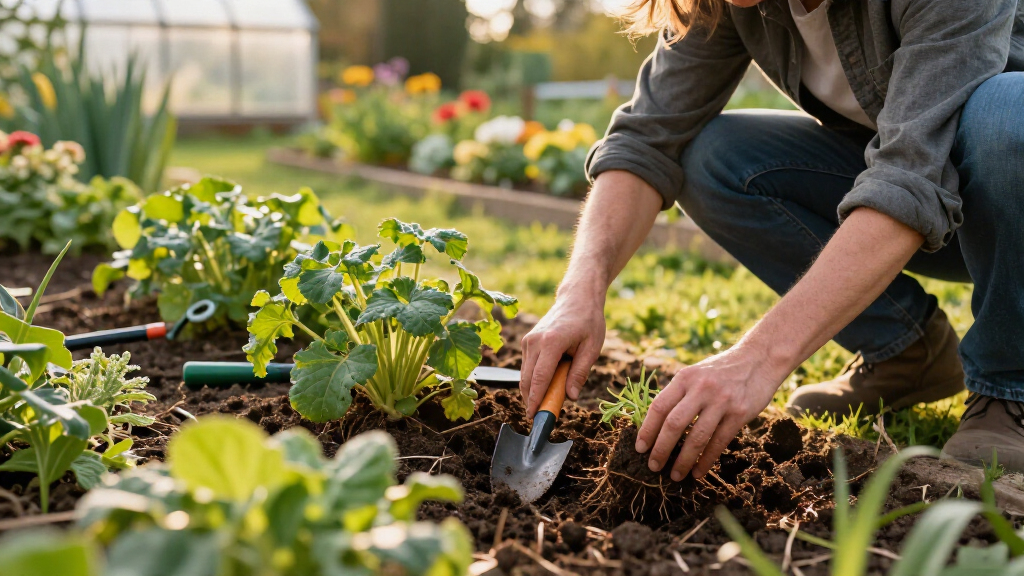
According to horticultural specialists, dividing overgrown perennials such as daylilies, hostas, peonies, irises, and sedum in August can lead to a plentiful supply of free plants for the following year. Proper division involves carefully digging up mature clumps, splitting them into smaller sections, and replanting them with adequate spacing. This process not only prevents overcrowding but also encourages vigorous growth.
Experts emphasize that timing is crucial; dividing these plants in August, when they are actively growing but before the onset of fall, allows the divisions to establish roots before winter. Gardeners are encouraged to use sharp tools and clean cuts to minimize plant stress and disease risk. The resulting smaller plants can be transplanted into empty spots or shared with neighbors, offering a cost-effective way to expand a garden.
Beyond cost savings, dividing perennials now helps maintain a tidy garden. Overgrown plants can become unruly and compete for nutrients, leading to weaker blooms and less attractive foliage. Regular division keeps plants manageable and promotes healthier, more vibrant displays next season. Gardeners are advised to mark their plants and keep notes to track which ones have been divided for future reference.
Why Dividing Perennials in August Matters for Gardeners
Dividing perennials in August offers multiple benefits: it provides free, healthy plants for the next growing season, reduces the need for purchasing new plants, and helps maintain a tidy, manageable garden space. Proper division encourages stronger root systems, leading to more vigorous growth and better flowering.
This practice also supports sustainable gardening by recycling existing plants rather than relying on new purchases, thus reducing environmental impact. Additionally, dividing perennials prevents overcrowding, which can lead to disease and pest issues, ultimately prolonging the lifespan of the plants and enhancing garden aesthetics.
As an affiliate, we earn on qualifying purchases.
Background on Perennial Division and Its Seasonal Timing
Dividing perennials is a common horticultural practice that has been recommended for decades to promote healthy growth and garden aesthetics. Traditionally, many gardeners divide plants in early spring or fall, but recent advice emphasizes late summer, specifically August, as an ideal time for certain species. This timing allows plants to recover and establish roots before winter.
Experts note that the five perennials highlighted—daylilies, hostas, peonies, irises, and sedum—are among the easiest to divide and most responsive to this treatment. Over the years, garden guides have increasingly promoted dividing these plants in August to maximize their vigor and ensure a plentiful supply of free plants for the following season.
Prior developments include increased awareness of sustainable gardening practices and cost-saving measures, which have made dividing perennials a popular strategy among both novice and experienced gardeners.
Uncertainties About Specific Plant Responses and Timing
While experts agree on the general benefits of dividing these five perennials in August, individual plant responses can vary based on local climate, soil conditions, and plant maturity. It is not yet clear whether all gardeners will see the same success with each species, especially in regions with shorter growing seasons or harsher winters.
Additionally, some gardeners question the optimal timing within August, as late-season division may not give plants enough time to establish roots before winter in colder areas. More regional guidance may be needed to tailor advice appropriately.
Next Steps for Gardeners Planning to Divide Perennials
Gardeners are encouraged to identify overgrown perennials now and plan to divide them during August, ideally early in the month for maximum recovery. After dividing, they should replant the sections promptly, water thoroughly, and mulch to protect roots.
In the coming weeks, experts will likely release region-specific guidance and tips to optimize success. Garden centers may also offer tools and advice for safe division practices. Gardeners should monitor their divided plants for signs of stress and provide appropriate care to ensure vigorous growth next season.
Further research and community sharing of successful division techniques are expected to help refine best practices for different climates and plant varieties.
Key Questions
Which perennials are best suited for dividing in August?
According to gardening experts, daylilies, hostas, peonies, irises, and sedum are among the easiest and most suitable for division in August due to their growth habits and resilience.
How do I properly divide these perennials?
Carefully dig around the plant, lift the clump, and use a sharp knife or spade to split it into smaller sections with healthy roots. Replant immediately, water well, and mulch to help establish the new plants.
Can I divide perennials later in the season if I miss August?
While August is ideal, some plants can be divided in early fall. However, late-season division may reduce recovery time before winter, especially in colder climates. Consult regional gardening guides for specific advice.
Will dividing my perennials harm the plants?
If done properly with clean tools and careful handling, dividing perennials generally promotes healthier growth. Overly aggressive or improper division can stress plants, so following recommended techniques is important.
Are there any risks or precautions I should consider?
Yes. Avoid dividing during extreme heat or drought, ensure tools are sanitized to prevent disease, and be mindful of local climate conditions to protect plants through winter.
Source: rss
Halloween Picks
halloween
As an affiliate, we earn on qualifying purchases.