TL;DR

Get garden gear delivered free with Prime
- Fast, free delivery on millions of items
- Prime Video, Amazon Music and more included
- Member-only deals all year
Gardeners are advised to prune eight specific perennials before the end of August to encourage a second flowering. This seasonal maintenance can boost garden aesthetics and plant health. The advice is based on horticultural best practices, but specific plant responses may vary.
Gardeners are advised to prune eight specific perennial plants before the end of August to promote a second round of blooms and improve overall plant health. This seasonal task, supported by horticultural experts, can extend the flowering period and enhance garden aesthetics during late summer and early fall.
According to gardening specialists, the eight perennials that benefit from this pruning include varieties such as shasta daisies, coneflowers, black-eyed Susans, sedums, coreopsis, lavender, bee balm, and salvia. Cutting back these plants before the end of August encourages them to produce new, vigorous growth, leading to an additional flowering cycle that can extend into fall.
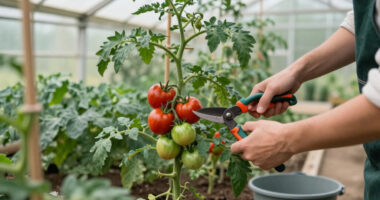
Experts recommend removing about one-third of the plant’s height, focusing on any tired, leggy, or spent flower stems. This practice not only stimulates new blooms but also helps prevent disease by improving air circulation and reducing overwintering pests. Gardeners should use clean, sharp tools and avoid cutting into woody or overly mature stems, which may not respond well to pruning.
While this advice is rooted in horticultural research and widely endorsed by gardening organizations, individual plant responses can vary based on local climate, soil conditions, and plant health. Gardeners are encouraged to observe their plants and adjust pruning practices accordingly.
Why Pruning These Perennials Matters for Your Garden
Pruning these eight perennials before the end of August can significantly enhance garden aesthetics by encouraging a second bloom, thereby extending the visual interest of your landscape. Additionally, this practice promotes healthier plants by removing spent stems and reducing the risk of disease. An extra flowering cycle also maximizes the value of your garden investment, providing more color and pollinator attraction during late summer and early fall.
Gardeners who follow this advice may find their outdoor spaces more vibrant and lively, with plants that look fresh and vigorous. This routine maintenance aligns with best practices for sustainable gardening, reducing the need for chemical interventions and supporting local pollinators.
As an affiliate, we earn on qualifying purchases.
Seasonal Perennial Pruning: Timing and Benefits
Perennial pruning is a common horticultural practice that varies depending on plant type, local climate, and season. Typically, late summer pruning aims to stimulate a second bloom, especially for plants that naturally rebloom or have a tendency to become leggy and tired after their initial flowering. This approach is supported by research from horticultural institutions and gardening experts, who recommend specific timing for pruning to maximize plant response.
Historically, gardeners have pruned perennials in late winter or early spring, but late summer pruning has gained popularity for its ability to promote additional flowering and improve plant vigor. The practice is especially relevant in regions with long growing seasons or where gardeners seek to extend the visual appeal of their gardens.
While the general principle is well-established, individual plant responses can differ. Some plants may not rebloom or could be damaged if pruned improperly, underscoring the importance of correct timing, technique, and plant knowledge.
Variability in Plant Response and Regional Factors
While the advice to prune these eight perennials before August ends is broadly supported, individual plant responses can vary based on local climate, soil conditions, and plant health. Some plants may not rebloom or may be damaged if pruned improperly, and specific timing may differ in cooler or warmer regions. The precise impact of pruning on each plant’s subsequent bloom cycle remains subject to ongoing observation and research.
Additionally, gardeners with different varieties or less common species may experience different results, making it advisable to consult local horticultural resources or extension services for tailored guidance.
Monitoring Plant Responses and Adjusting Care
After pruning, gardeners should monitor their plants for new growth and flowering over the coming weeks. If plants respond well, they can continue with similar maintenance practices in future seasons. For those that do not rebloom or show signs of stress, adjustments in pruning timing, technique, or plant care may be necessary.
Gardeners are encouraged to document their results and consult local gardening experts or extension services for region-specific advice. As the growing season progresses, additional tasks such as watering, fertilizing, and protecting plants from pests will remain important.
The upcoming months will reveal how well these pruning recommendations work in different environments, and ongoing observation will help refine best practices for late-season perennial care.
Key Questions
Which eight perennials should I prune before August ends?
The recommended plants include shasta daisies, coneflowers, black-eyed Susans, sedums, coreopsis, lavender, bee balm, and salvia.
How much should I prune these plants?
Remove about one-third of each plant’s height, focusing on tired or spent stems. Use clean, sharp tools and avoid cutting into woody stems.
Will pruning guarantee a second bloom?
While pruning encourages a second flowering cycle, responses can vary based on plant health and environmental conditions. It does not guarantee blooms but significantly increases the likelihood.
Can I prune these plants in other seasons?
Pruning timing depends on the plant type; late summer pruning is specifically recommended for encouraging rebloom. Spring or winter pruning may be appropriate for other species or purposes.
What should I do if my plants do not rebloom after pruning?
Evaluate other factors such as watering, fertilization, and plant health. Consider consulting local horticultural experts for tailored advice and possible adjustments in care practices.
Source: rss
Fall yard work Picks
leaf blowers
As an affiliate, we earn on qualifying purchases.