
As climate data shows rising temperatures and more frequent extreme weather events, you should adapt your routine by staying informed on local climate patterns and adjusting activities accordingly. Incorporate measures like wearing lighter clothing during heatwaves, planting trees around your home to reduce heat, and preparing for heavy rains or floods. By understanding these trends, you can make smarter choices to protect yourself and your community. Keep going to discover practical ways to stay resilient.

Get garden gear delivered free with Prime
- Fast, free delivery on millions of items
- Prime Video, Amazon Music and more included
- Member-only deals all year
Key Takeaways
- Rising temperatures emphasize the need to reduce energy consumption and adapt daily habits to lower heat exposure.
- Increased flooding risk calls for updating personal emergency plans and avoiding flood-prone areas.
- Changing air quality patterns highlight the importance of minimizing outdoor activities during pollution peaks.
- Longer and more intense heatwaves necessitate adjusting outdoor routines to stay safe and hydrated.
- Climate data trends support incorporating green practices like planting trees and conserving water in daily life.

Climate data trends also highlight the importance of urban planning in adapting to climate change. Cities face unique challenges, such as increased heat waves, flooding, and air quality issues. Recognizing these patterns pushes urban planners to rethink how they design and develop spaces. Incorporating green roofs, expanding parks, and creating flood-resistant infrastructure aren’t just aesthetic choices—they’re essential strategies backed by climate data. As someone living in or near a city, you should pay attention to these urban planning initiatives. Supporting local policies that prioritize climate-resilient infrastructure not only improves your quality of life but also contributes to community-wide resilience against extreme weather events. For instance, planting more trees and reducing heat islands can make urban areas cooler and more comfortable during heatwaves, directly impacting your daily routine. Understanding how climate data reveals changing environmental patterns can help you better prepare for and adapt to these shifts. Additionally, staying informed about biodiversity conservation efforts in your area can support healthier ecosystems that buffer against climate impacts. Recognizing the role of urban climate adaptation strategies can further empower communities to implement effective solutions. Furthermore, embracing sustainable urban development principles ensures long-term resilience and livability for future generations. Being aware of emerging climate risk assessments can help you advocate for proactive measures that protect your community.
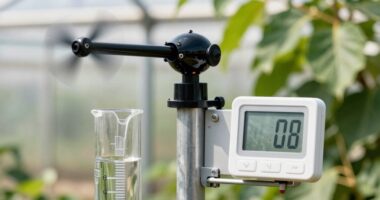
personal weather station outdoor
As an affiliate, we earn on qualifying purchases.
As an affiliate, we earn on qualifying purchases.
Frequently Asked Questions
How Can Individuals Interpret Climate Data Trends Accurately?
You can interpret climate data trends accurately by analyzing personal data alongside global patterns, understanding that local changes reflect larger climate shifts. Pay attention to reputable sources and scientific reports, and learn how to recognize reliable data versus misinformation. By comparing your observations with global trends, you develop a clearer picture of climate change, helping you make informed decisions and advocate for sustainable practices in your community.
What Are the Limitations of Current Climate Data?
You should know that current climate data has limitations mainly due to measurement challenges and issues with data accuracy. Sometimes, measurements aren’t precise because of outdated technology or inconsistent collection methods. These factors can lead to gaps or errors in the data, making it harder to fully understand climate trends. Recognizing these limitations helps you interpret climate data more critically and pushes for improvements in data collection methods.
How Often Is Climate Data Updated and Reviewed?
Climate data is typically updated monthly or quarterly, depending on the source, ensuring data accuracy for ongoing analysis. You should be aware that seasonal variability influences the data; this means updates account for fluctuations across different times of the year. Regular reviews help track long-term climate trends, allowing you to make informed decisions. Stay engaged with these updates to better understand climate patterns and adapt your routines accordingly.
Can Climate Data Predict Local Weather Changes Effectively?
Climate data can predict local weather changes effectively, helping you anticipate shifts in climate patterns. By analyzing detailed data, scientists identify trends that signal upcoming weather events. This data analysis allows for more accurate forecasts, giving you better preparation for storms, heatwaves, or cold snaps. While not perfect, these predictions are increasingly reliable, empowering you to adapt your routines based on evolving climate patterns and stay informed about potential local weather changes.
What Are the Best Sources for Reliable Climate Data?
You should rely on reputable sources like NASA, NOAA, and the IPCC for reliable climate data. These organizations use advanced climate models to analyze trends and provide thorough data visualization tools, making complex information accessible. By consulting their websites and reports, you’ll get accurate, up-to-date insights into climate change, helping you stay informed and make responsible decisions about your routine and environmental impact.
Conclusion
Remember, the early bird catches the worm. By paying attention to climate data trends, you can adapt your routines to reduce your carbon footprint and stay ahead of the changing environment. Small actions today can lead to a healthier planet tomorrow. Don’t wait for tomorrow to act—be proactive now. Your choices matter, and as the saying goes, “A stitch in time saves nine.” Embrace change and make a difference, one step at a time.
Fall yard work Picks
leaf blowers
As an affiliate, we earn on qualifying purchases.